

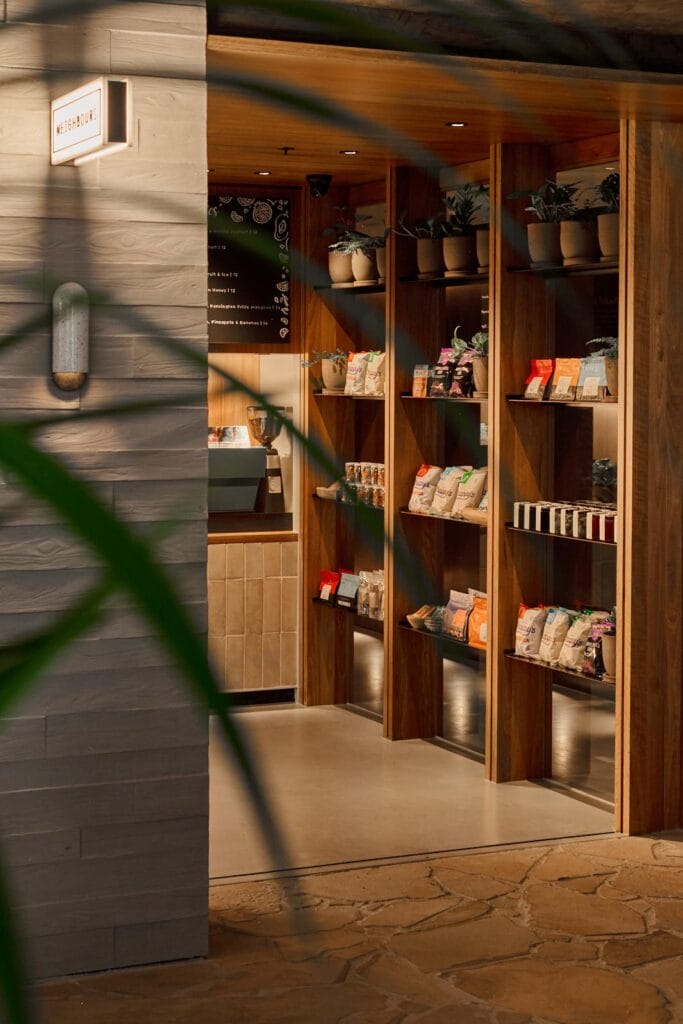
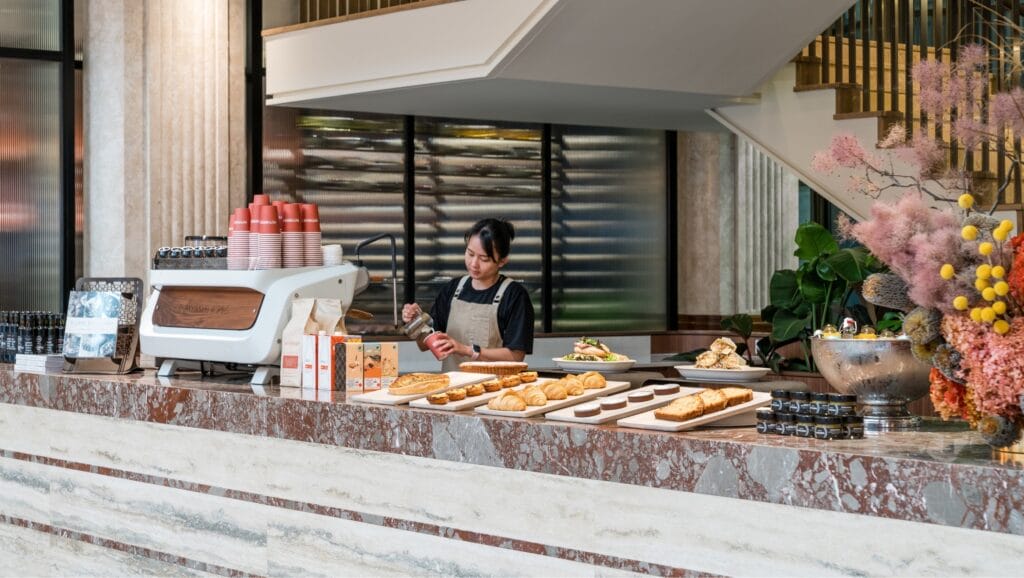
Pantry by Margot at Kimpton Margot Sydney | Credit: Kimpton Margot Sydney
As specialty coffee becomes part of the way travellers judge a stay, luxury hotels are turning lobby cafés into cultural hubs – with local roasters, expert baristas and coffee programs that connect guests to the city
But first, coffee, so they say. And the adage feels especially apt at the tail end of a long-haul flight, particularly if suffering from the first-world problem of having been positioned all-but upright.
In destinations with a rich coffee culture, such as Italy, where even a roadside stop can deliver a premium espresso, a restorative cup of joe is easy to find. Elsewhere (no need to name names) the outlook can be less reassuring. It is often best to wait and see what the hotel can offer – but this strategy can also yield mixed results.
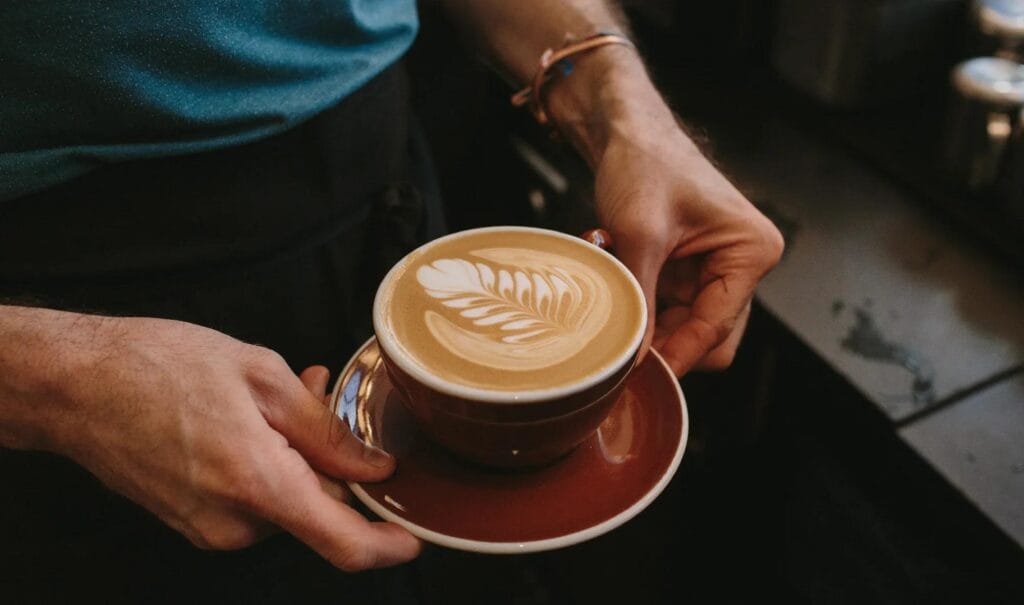
Perhaps in response to this pervasive mediocrity, an increasing number of luxury hotels are making coffee a headline act. Contemporary lobby cafés equipped with state-of-the-art espresso machines and expert baristas are elevating the in-house brew, transforming the standard morning coffee into a cultural experience.
Coffee culture checks in
More than 2.25 billion cups of coffee are consumed worldwide each day. In the United States, the average daily intake is estimated to be three cups. In Australia, research has found 75 per cent of adults drink coffee every day.
Global consumption is increasing steadily year by year, even in parts of the world where it is not a traditional beverage – think China, India. Meanwhile, the uptake of specialty coffee and cold brew is growing rapidly.
“Coffee is a meaningful part of most people’s days,” says Russell Beard, co-founder of Paramount Coffee Project, a staple of Sydney’s café scene. “The opportunity for hotels is that you can offer something that genuinely serves both worlds – a quiet moment in your room, or the energy of a busy café without sacrificing quality or needing to head elsewhere.
“When that is done right, it stops feeling like an amenity and starts feeling like a reason to be there.”
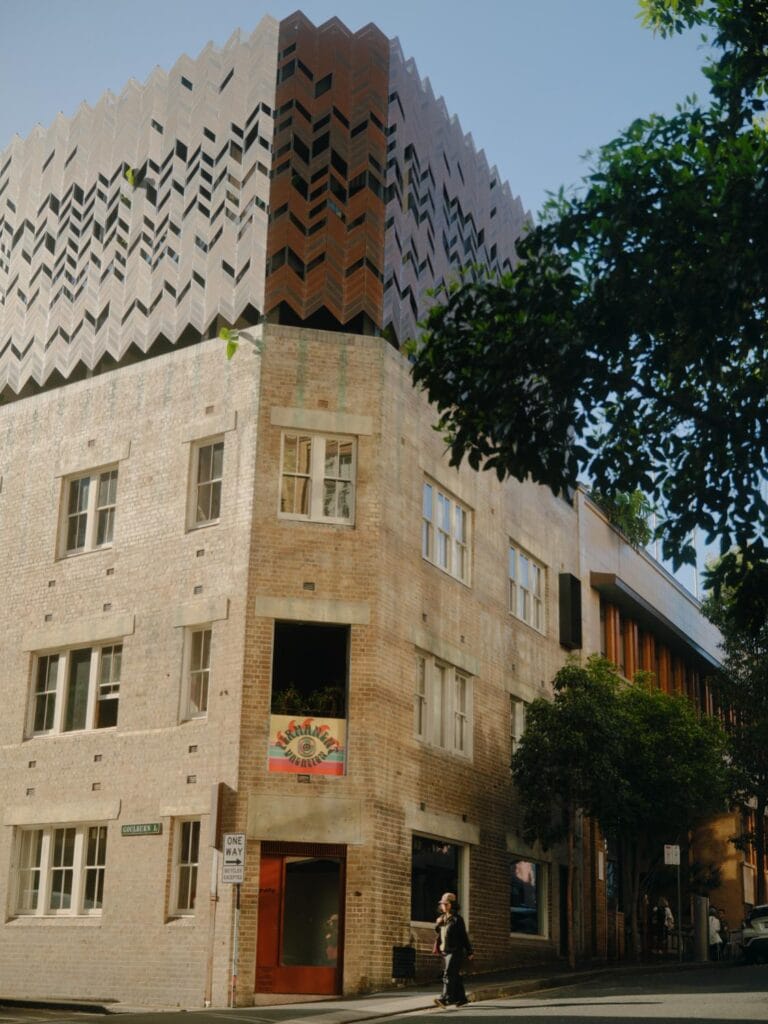
Beard can speak with authority on ‘doing it right’. In 2018, five years after the Surry Hills café was launched, the team opened Paramount House Hotel, a boutique stay layered into the surrounding hospitality and cinema precinct.
“The café had built a community, attracted the creative neighbourhood and gave us a clear sense of what the whole thing could be,” recalls Beard.
“When we built the hotel, we understood that the café would set the tone for every interaction before check-in, allowing locals and visitors to collectively experience what we genuinely enjoy about travel and hospitality – great food and coffee, interesting people and feeling part of a vibrant neighbourhood. All of which, within a hotel, can genuinely add to someone’s experience of a city.”
Also in Sydney, celebrated chef Luke Mangan doesn’t just oversee Kimpton Margot Sydney‘s flagship restaurant Luke’s Kitchen, but also its daytime cafe and grab-and-go hub, Pantry at Margot’s, which claims to “take the coffee as seriously as the locals do”.
A shared ethos
Despite the growing global taste for coffee, and its rise as a specialty beverage, many luxury hotels still rest on the laurels of in-room Nespresso machines, or deliver bitter, watery, foam-heavy (pick your bugbear) coffee during the breakfast service, even when touting the set-up as barista-standard. And charging extra for it.
“People are spending a lot of money to stay [in these hotels], and they should be able to get good coffee.”
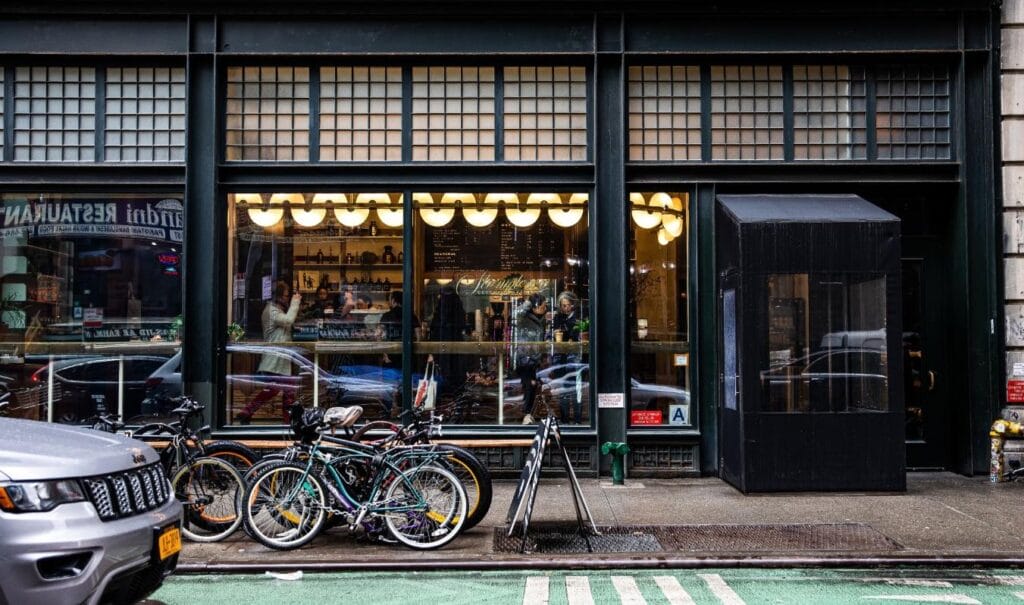
That is according to Matt Lounsbury, speaking during his tenure as vice president of prominent US coffee roaster Stumptown. He was alluding to Stumptown’s emerging relationship with Ace Hotels, which was a pioneering move for a speciality roaster at the time.
The opportunity for hotels is that you can offer something that genuinely serves both worlds – a quiet moment in your room, or the energy of a busy café without sacrificing quality or needing to head elsewhere.
Founded in Portland, Oregon in 1999, Stumptown was at the forefront of coffee’s third wave, growing quickly from a small, independent operation into a nationally celebrated name.
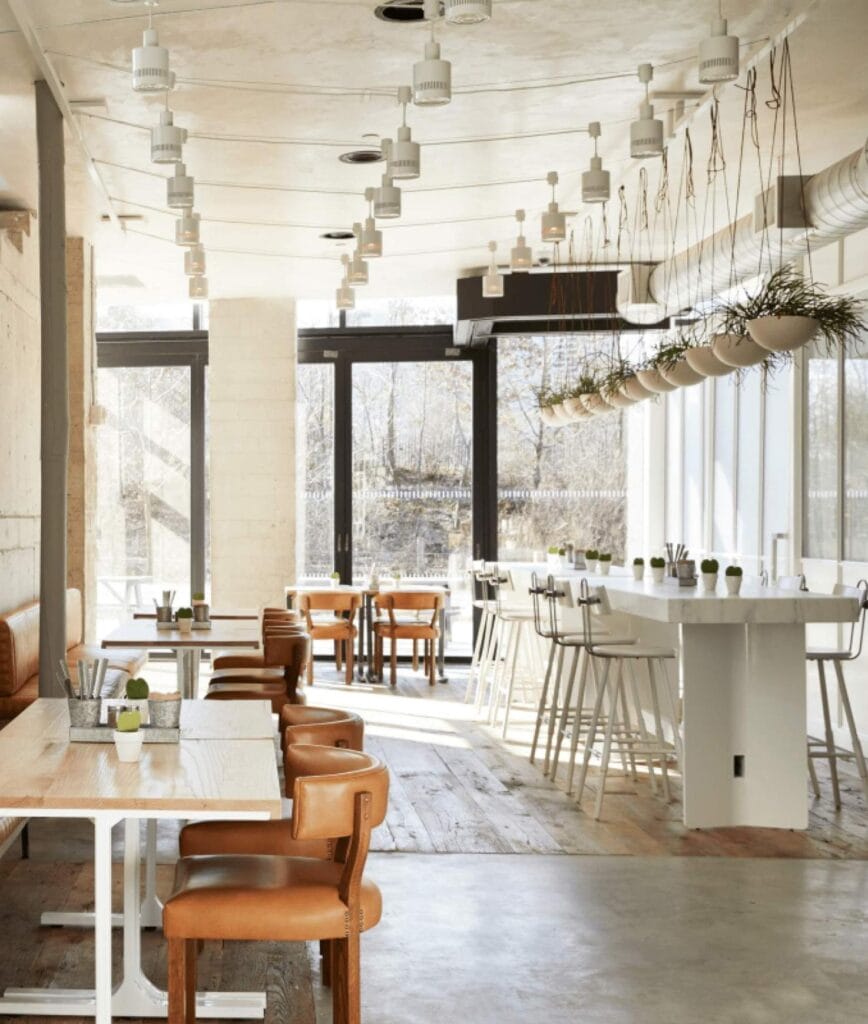
Today, the roaster has three outposts in New York City alone, one of which is located within Ace Hotel New York. Positioned just off the lobby in the high-style NoMad district, the space acts not simply as a hotel café, but as a cultural hub, reflecting a shared ethos that runs through both brands.
That guiding philosophy – where design, community and craft intersect – has spread beyond this single collaboration, reshaping hotel lobbies around the world.
With its portfolio spanning North America, Europe, the Middle East and Asia Pacific, 1 Hotels has made this philosophy tangible in many of its lobby cafés. When it opened in 2017, the Brooklyn Bridge property became the third 1 Hotel, and the first to introduce Neighbours, a dedicated, street-facing café integrated into the guest experience.
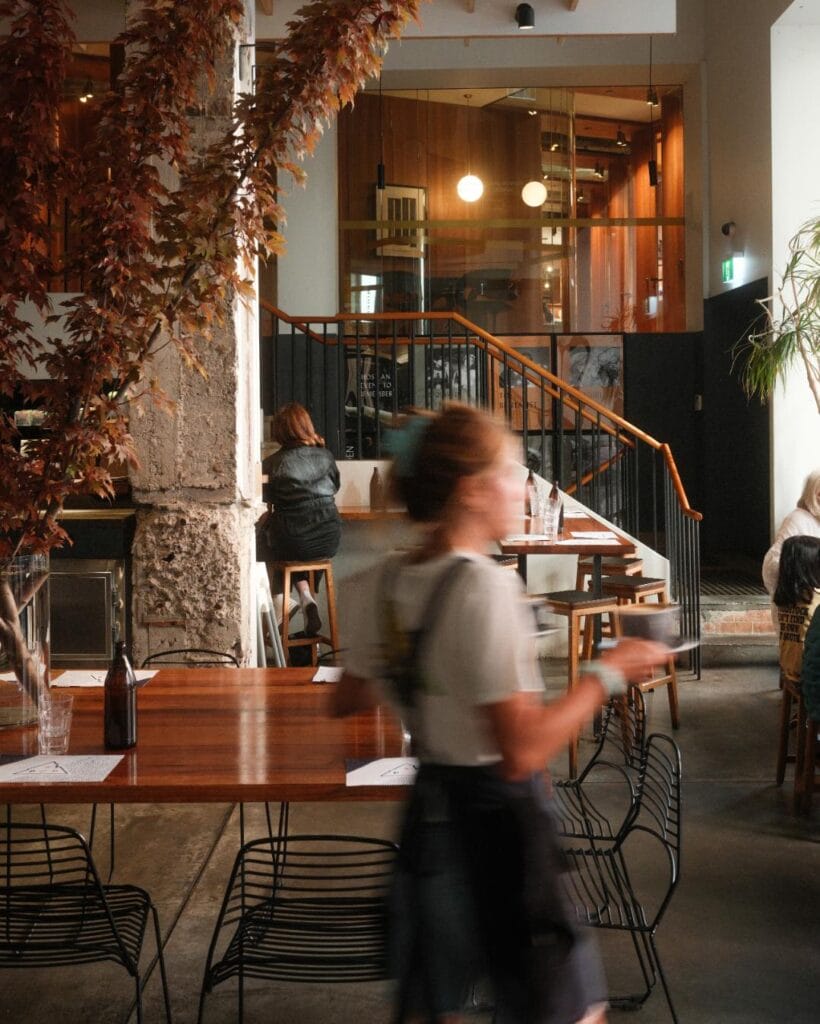
At 1 Hotel Melbourne, which opened last year, Neighbours has blended effortlessly into its locale – no easy feat in Australia’s coffee capital.
Says Managing Director, Damon Page: “At 1 Hotel, we have always believed that a hotel is only as alive as the community it calls its home. Neighbours isn’t just a café, it’s an invitation – where a perfectly pulled cup of coffee becomes a ritual of connection, a moment to pause and reflect, rather than a transaction.”
Here, beans are fair-trade and organic by Melbourne-founded, globally acclaimed ST. ALi, and spent coffee grounds are repurposed for spa treatments or the cocktail menu. (Espresso martini, please.) Such sustainability measures are woven in at all 1 Hotels.
Local flavour, global standards
As evidenced by 1 Hotel, many properties collaborate with local roasters to help strengthen neighbourhood connections, support local business and shorten the supply chain. Crucially, this is not at the expense of exacting flavour standards.
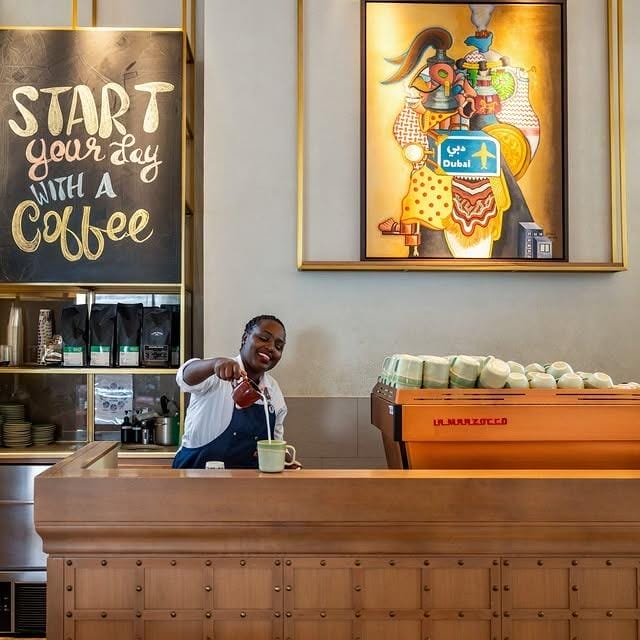
At Hotel Indigo Dubai Dowtown, for example, in-house Open Sesame restaurant has collaborated with local roastery Café Rider to position its coffee program as a community-rooted, specialty-driven ritual. The sleek orange La Marzocco on the bar is the first promising sign, but the proof is in the sipping, which moves beyond flashy optics and gives hotel guests a balanced, velvety reason to stay put. Activations such as barista competitions, pairing menus and a coffee-cup design initiative keep the emphasis on engagement.
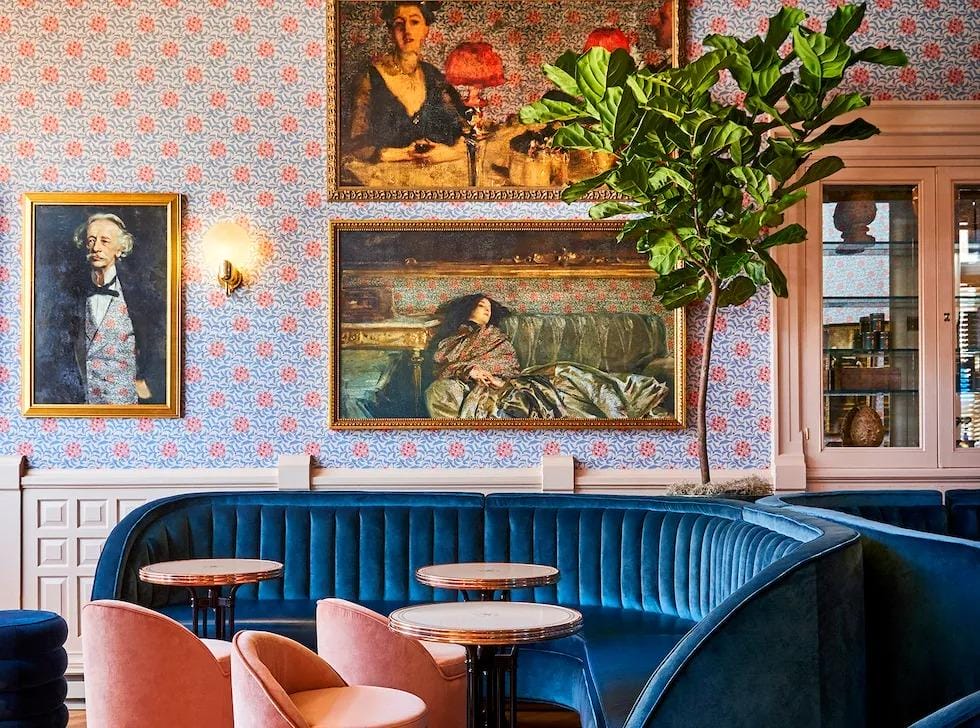
Back in the States, upscale Felix Roasting Co. has expanded from its NYC home to create a presence at the storied Hotel Jerome in Aspen. With plush, upholstered banquettes, bold wallcoverings and glittering chandeliers – a textbook expression of the Felix identity (renowned interior designer Ken Fulk is a co-founder) – the hotel has traded any sense of lobby anonymity for something far more destination-worthy. Felix is also located within Hotel Hugo in West SoHo, NYC, bringing the same lavish interiors and elevated coffee menu, which includes house-made non-dairy milks, and custom syrups, tonics and spice blends.
Global examples like this are many and growing, which is a relief for coffee-loving travellers, for whom this simple ritual is a significant part of the journey.
Latest Articles
Don't miss the latest from Luxury Travel