

Stories Behind the World’s Most Beautiful Hotels
Around the globe, today’s most compelling luxury stays do more than host guests – they invite them to be part of their story
First impressions are crucial in tourism, as they are in life. For luxury hotels and resorts, a grand facade, striking lobby or sincerely warm greeting might be the opening pitch. A jaw-dropping room reveal or perfect poolside cocktail might expand on the triumphant intro.
Such properties know how to dazzle on arrival. Others take a more measured approach. They emerge slowly, purposefully as their story unfolds through layers of history or culture or individuality, or perhaps all three.
Storytelling isn’t simply a branding exercise. It is how we connect. In travel, authentic storytelling enriches the experience. But today’s luxury travellers don’t just want to hear the story; they want to be part of it.
When a hotel’s story is embedded in its fabric – whether it is built around local heritage, family legacy or a design philosophy – guests become part of the narrative, creating not only an unforgettable stay, but the makings of their own cherished tale.
That idea takes shape in different ways around the world, where some of the most compelling hotels are inviting guests to step inside their narrative.
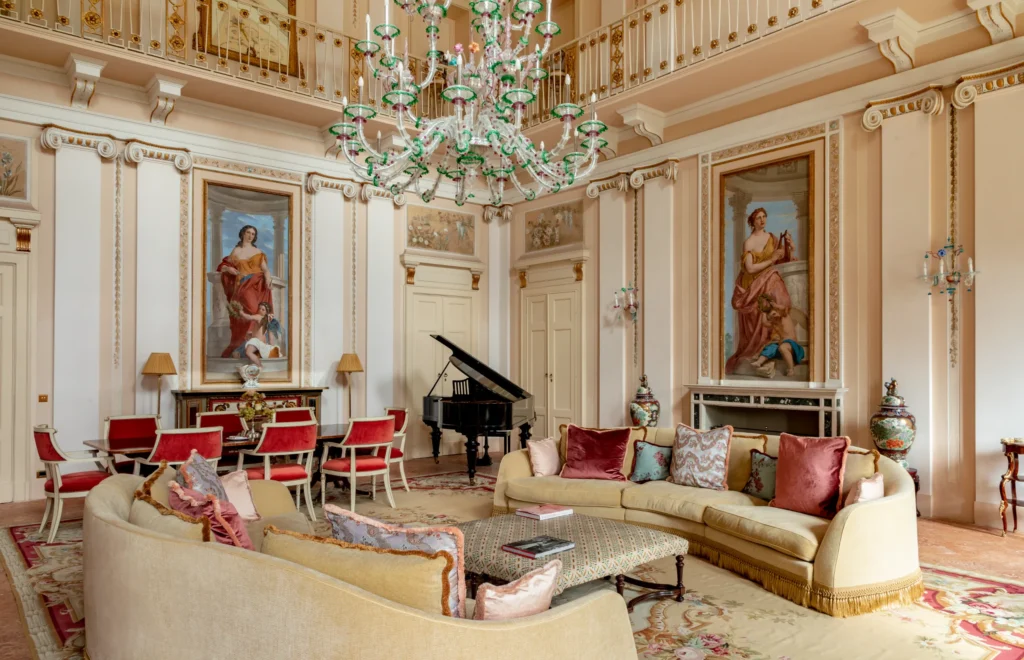
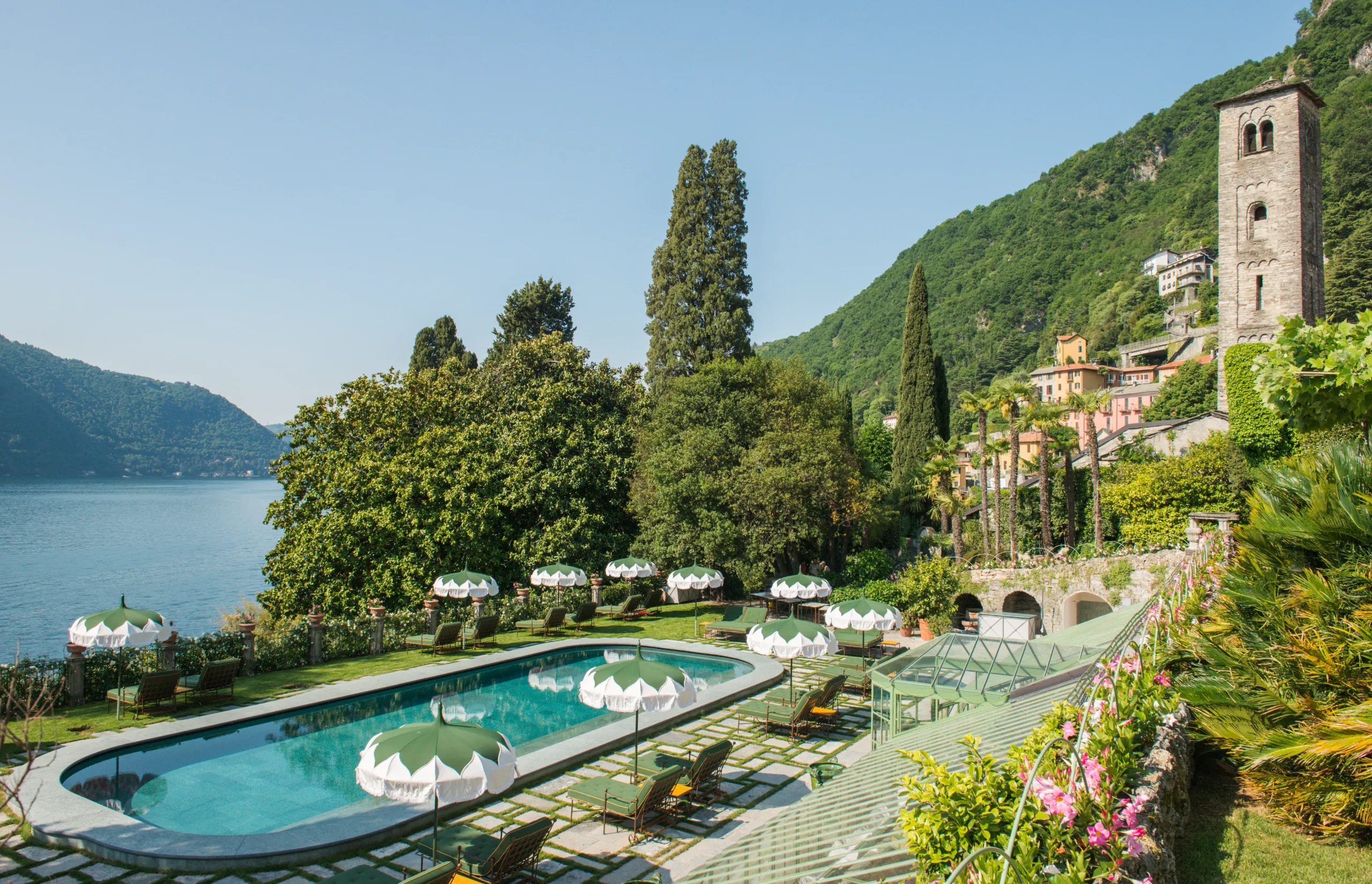
At the foothills of the Alps in Northern Italy, Lake Como sweeps gracefully, its splendour placing it among the world’s most picturesque destinations. Passalacqua, steeped in history and exuding old-world elegance, only elevates the vision further. Located lakeside near the village of Moltrasio,Passalacqua relaunched in 2022 following a duly sensitive three-year restoration. Majesty maintained, guests have since been transfixed by the 18th-century villa, which honours its storied past through period architecture and lavish interiors – think original frescoes, Murano chandeliers, gilded mirrors.
The mansion was built circa 1787 on land originally owned by Pope Innocent XI and can count Napoleon Bonaparte, Winston Churchill and Vincenzo Bellini among its guests. In fact, Bellini called it home while composing La Sonnambula and Norma in 1829. His original creative space, complete with antique grand piano, remains.
Music of a different kind at Song Saa Private Island, where founder Melita Koulmandas has written a new chapter in the story of this Cambodian archipelago. Koulmandas led the development of the resort, which launched in 2012, with the goal to regenerate the dramatically depleted environment and improve the lives of neighbouring residents. The results have been astounding. Fish stocks have returned, coral reefs are thriving, flora and fauna are abundant, community education, healthcare and environmental programs have been introduced.
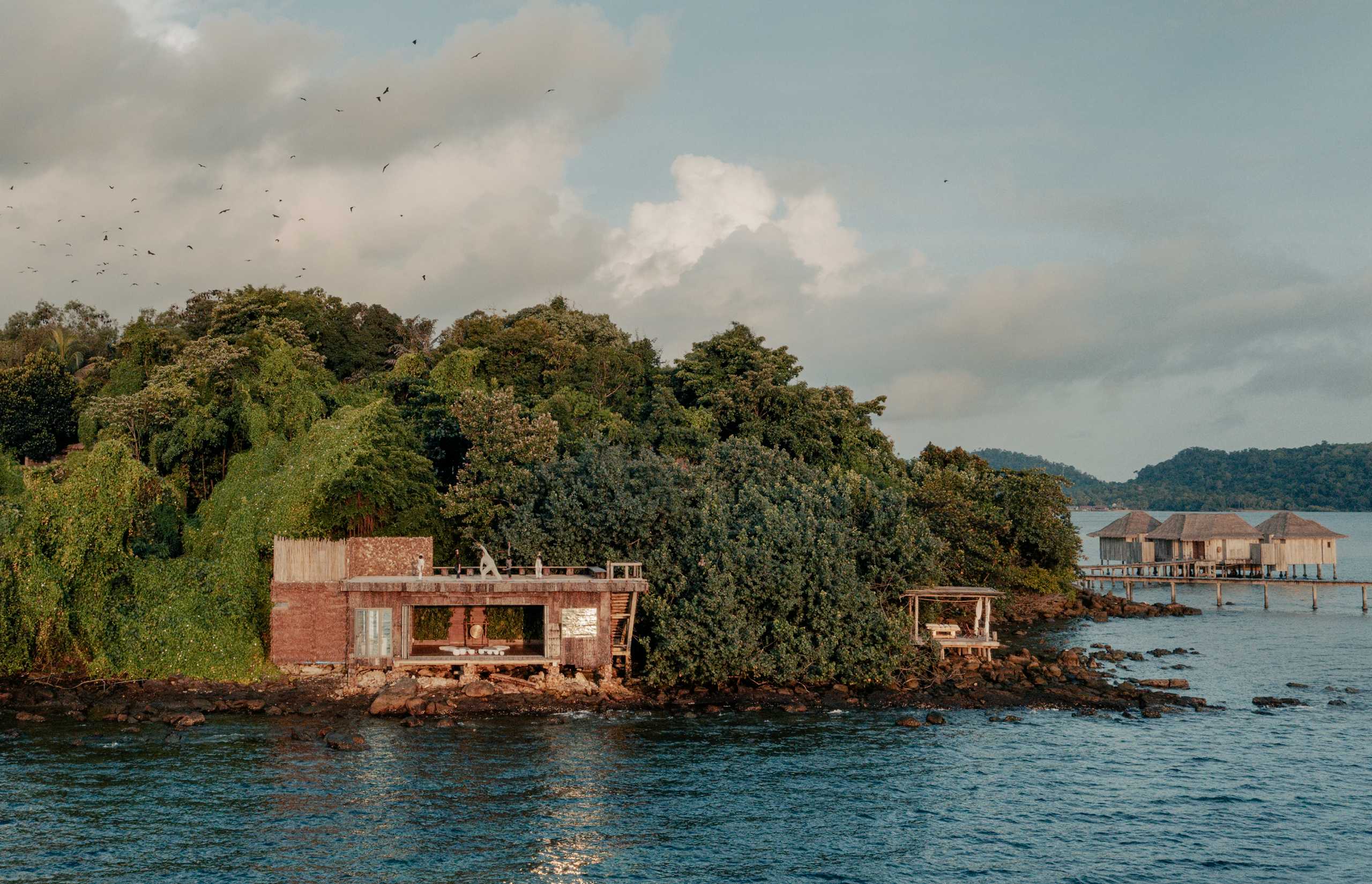
The sustainability story is apparent in-house, too. Villas are hand-built from reclaimed timber and other salvaged materials; driftwood, thatch, stone and handwoven textiles create interior spaces. Guests revel in the luxury of an idyllic setting, considered design and their proximity to an innovative hospitality model that puts place above profit.
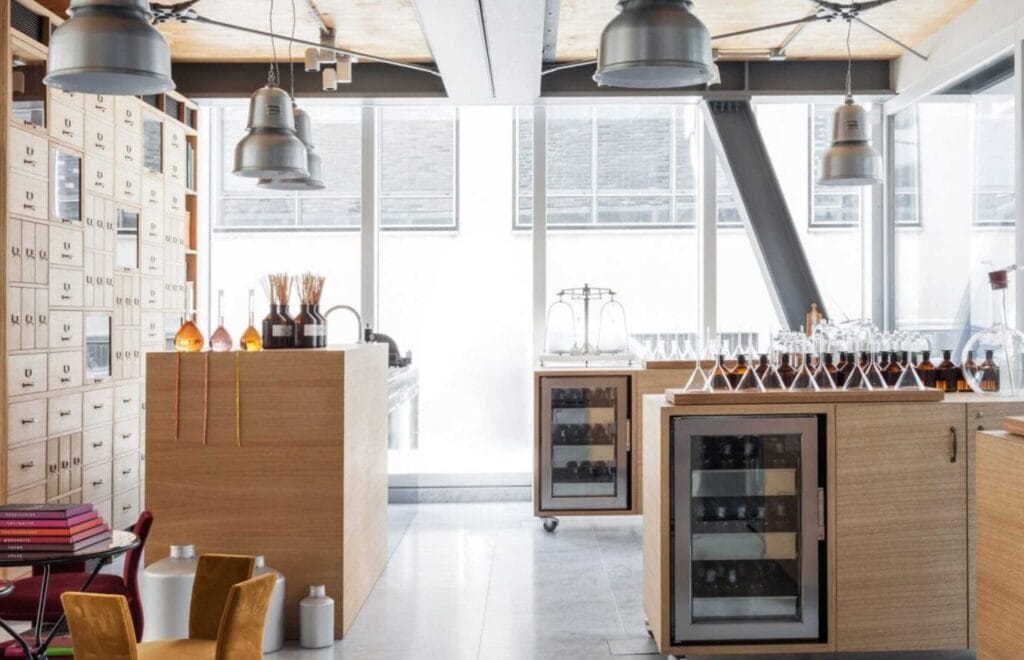
Follow your nose to Milan’s creative quarter where Magna Pars – L’Hotel à Parfum tells its story through scent. Housed within the perfume factory once owned by the Martone family, Magna Pars honours its roots, with each of the hotel’s 68 suites dedicated to a signature fragrance. Each scent, built around an olfactory note (fruity, floral, woody and the like), is reflected not only in the ambient fragrance, but in artwork, florals, coloured accents and styling choices, creating a synesthetic effect.
At the on-site LabSolue Perfume Laboratory, guests can browse through ingredients and raw materials, select their favourite essence, or search for scents that may be living in their olfactory memory. In the hotel bar, the cocktail menu narrates the LabSolue experience. Scented, not stirred. Of course, the fictional secret service agent preferred his vodka martini ‘shaken, not stirred’, as concocted by Ian Fleming, author of the James Bond novels. And perhaps the very idea was born out of Fleming’s time in Naval Intelligence liaison roles in London’s Old World Office.
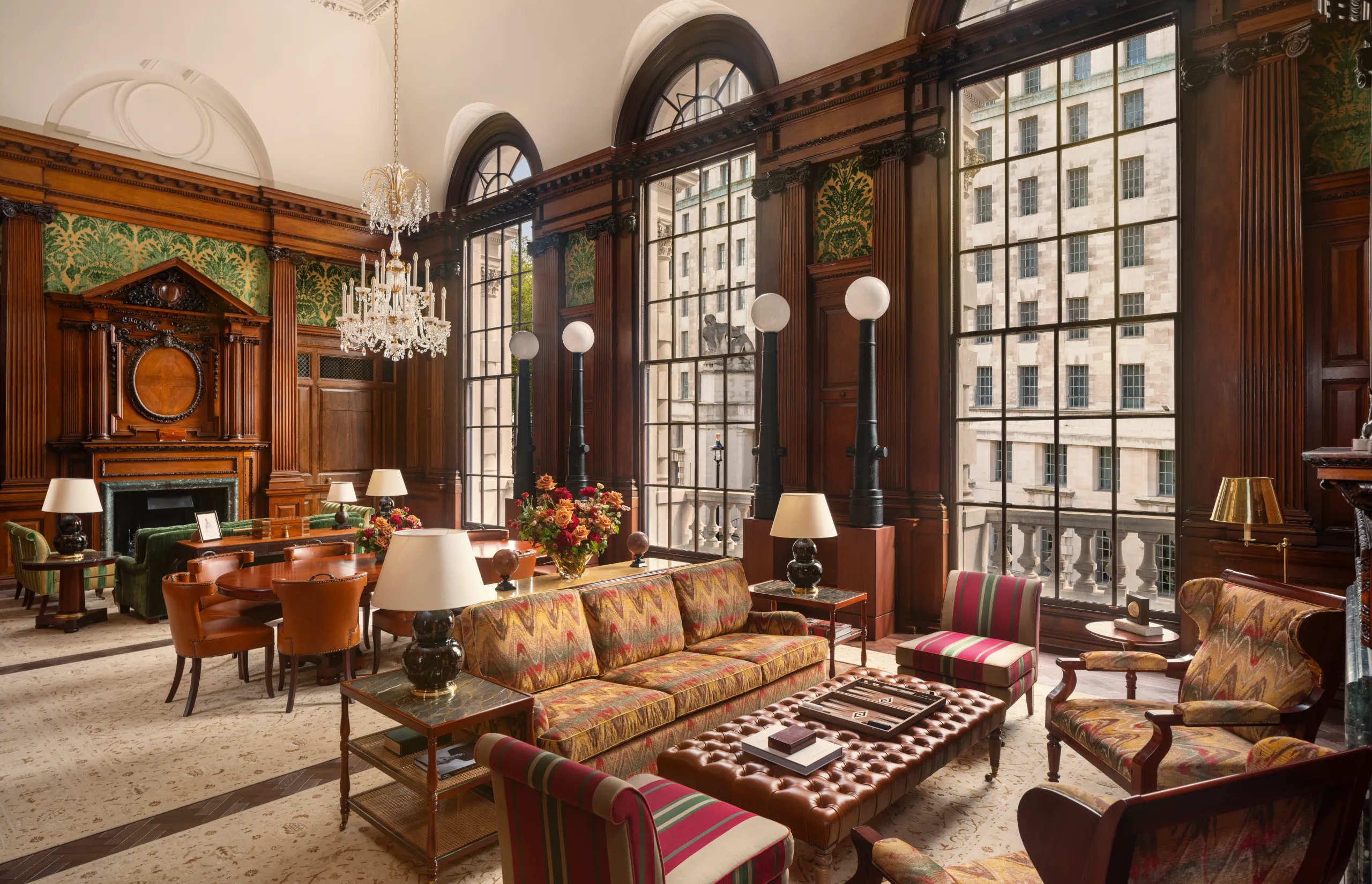
Completed in 1906, the OWO (later the Ministry of Defence) was the administrative headquarters for the British Army at the height of empire. Today, the Edwardian Baroque masterpiece in Whitehall, with its turrets, its columns, its rusticated masonry, houses Raffles London at The OWO. A scrupulous six-year restoration transformed state rooms and grand offices into 120 guest rooms and suites. The five Heritage Suites are the most storied, and include The Churchill Suite, where military leaders made critical World War II decisions. Contemporary touches bring a modern polish, but the war stories still spill from every direction.
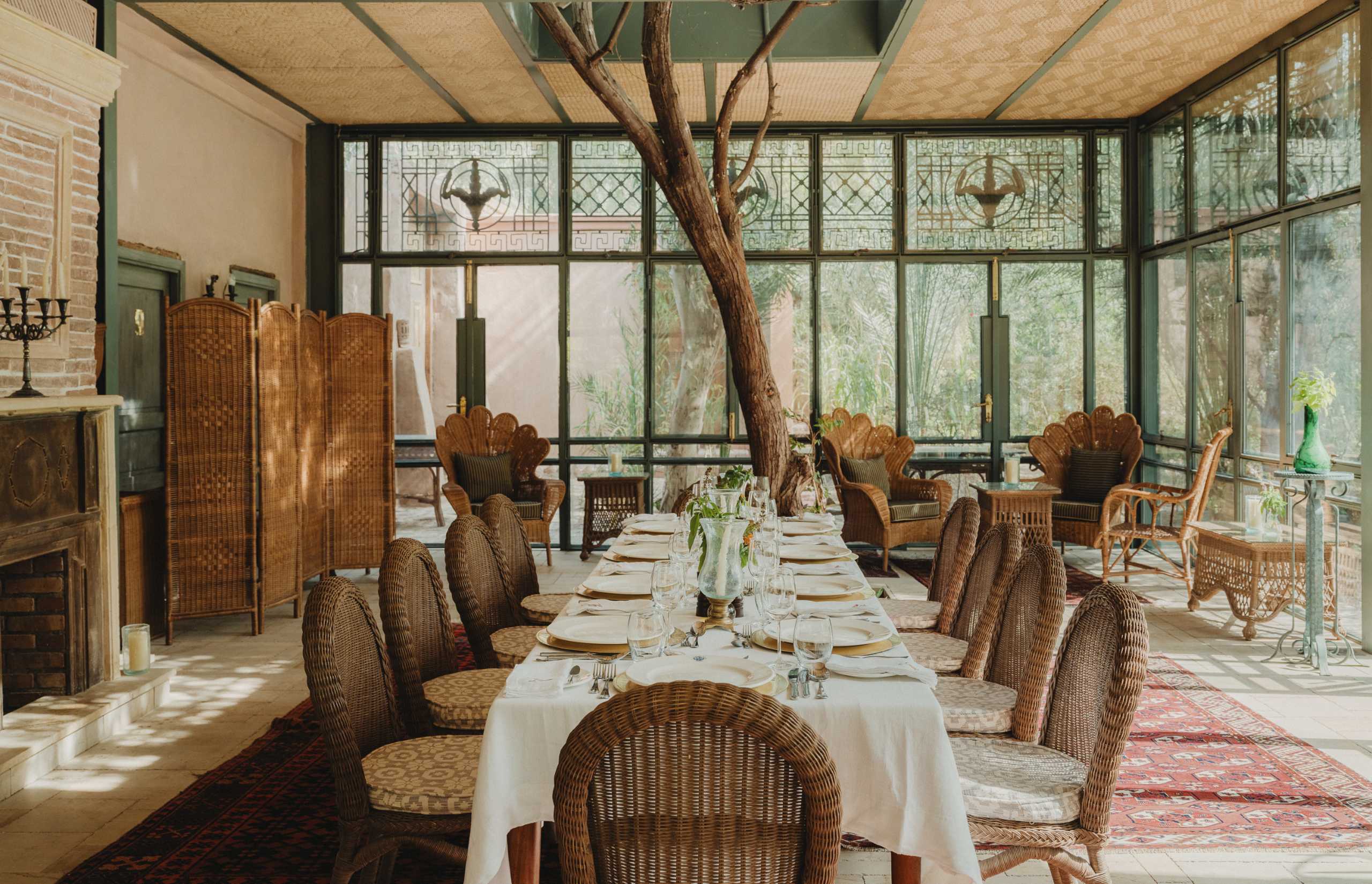
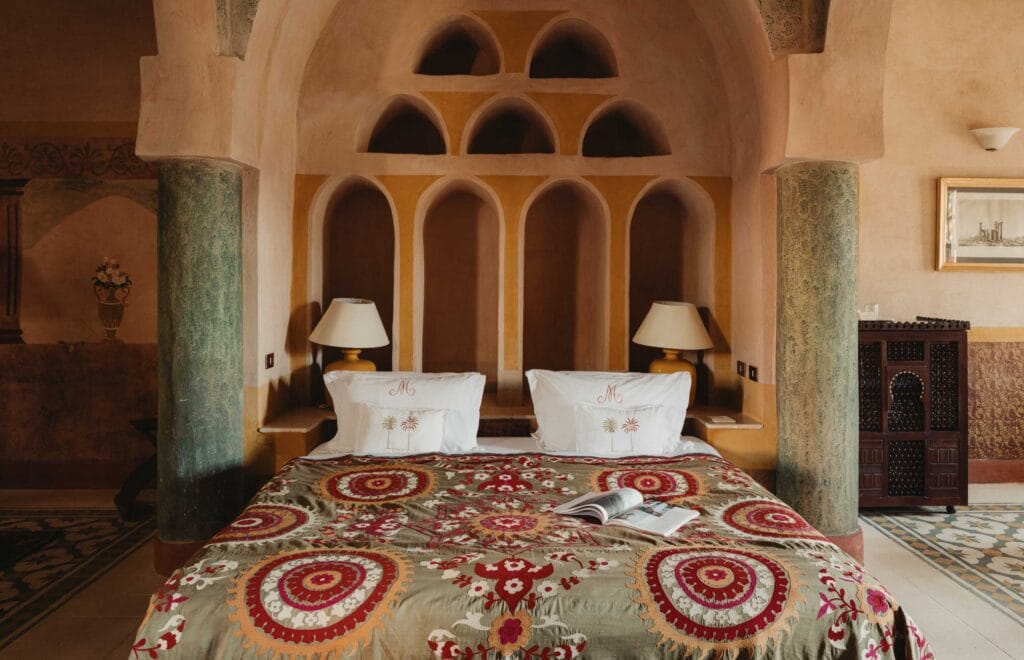
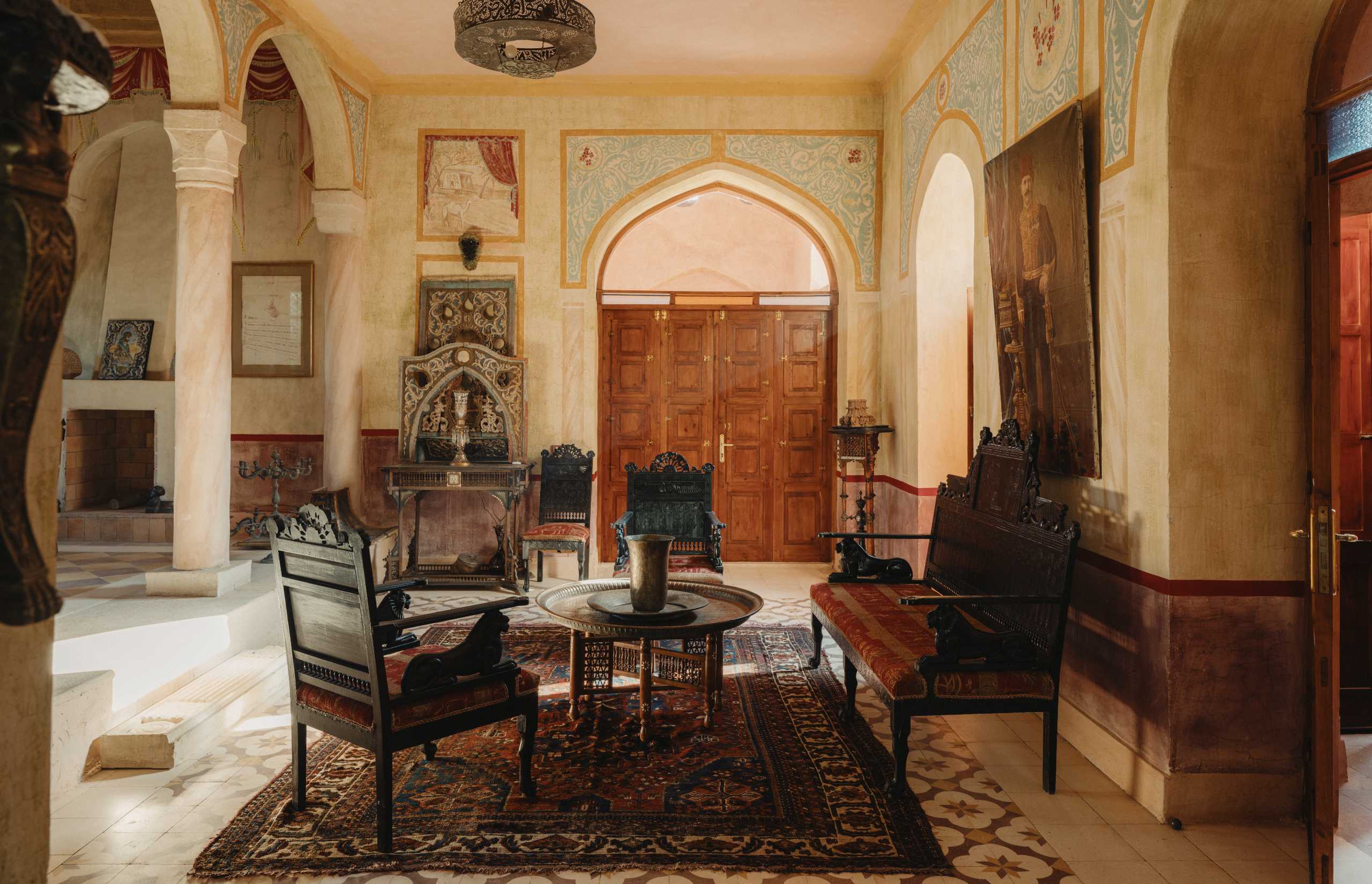
The tempo shifts in Luxor, where the Al Moudira story feels deeply personal in both origin and execution. The hotel, located on 40,000 square metres on Luxor’s rural west bank, evolved into fruition piece by piece, led by the vision of its founder Zeina Aboukheir and Egyptian architect Olivier Sednaoui. Locally made terracotta bricks form the foundation of Al Moudira, which is filled with treasures Aboukheir has amassed during her extensive travels.
Enormous stained-glass windows, ancient wooden doors, intricate mashrabiyas and painted tiles frame the stay. Interiors, too, reflect a collector’s eye – the space brims with antiques and textiles, while much of the furniture has been handpicked at Cairo auction houses. The result is a richly textured story, layered with colour and craftsmanship.
When a hotel’s story is embedded in its fabric – whether it is built around local heritage, family legacy or a design philosophy – guests become part of the narrative, creating not only an unforgettable stay, but the makings of their own cherished tale.
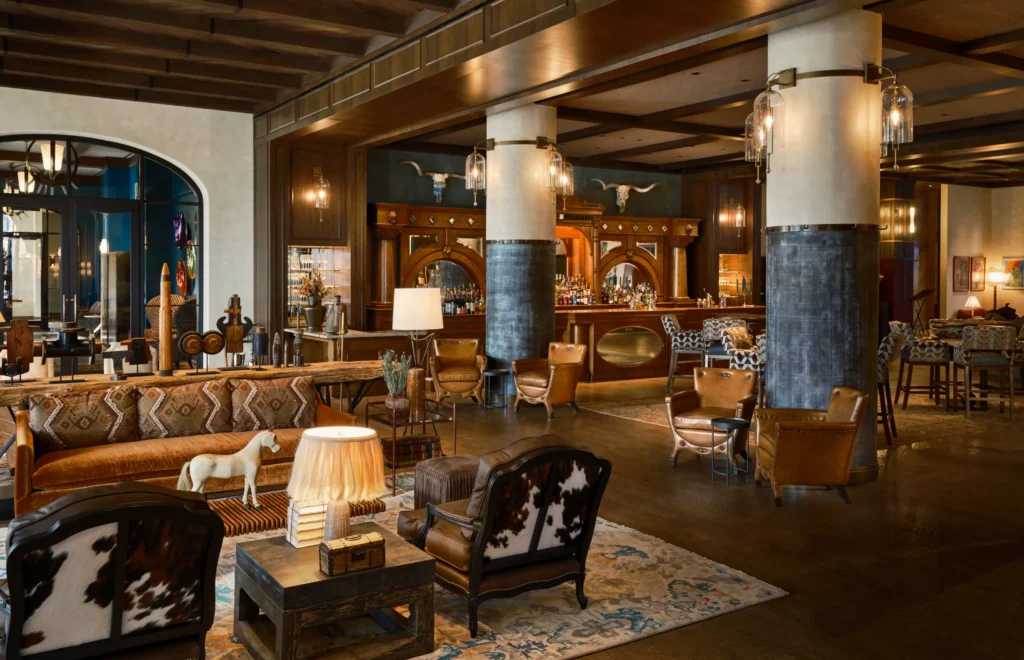
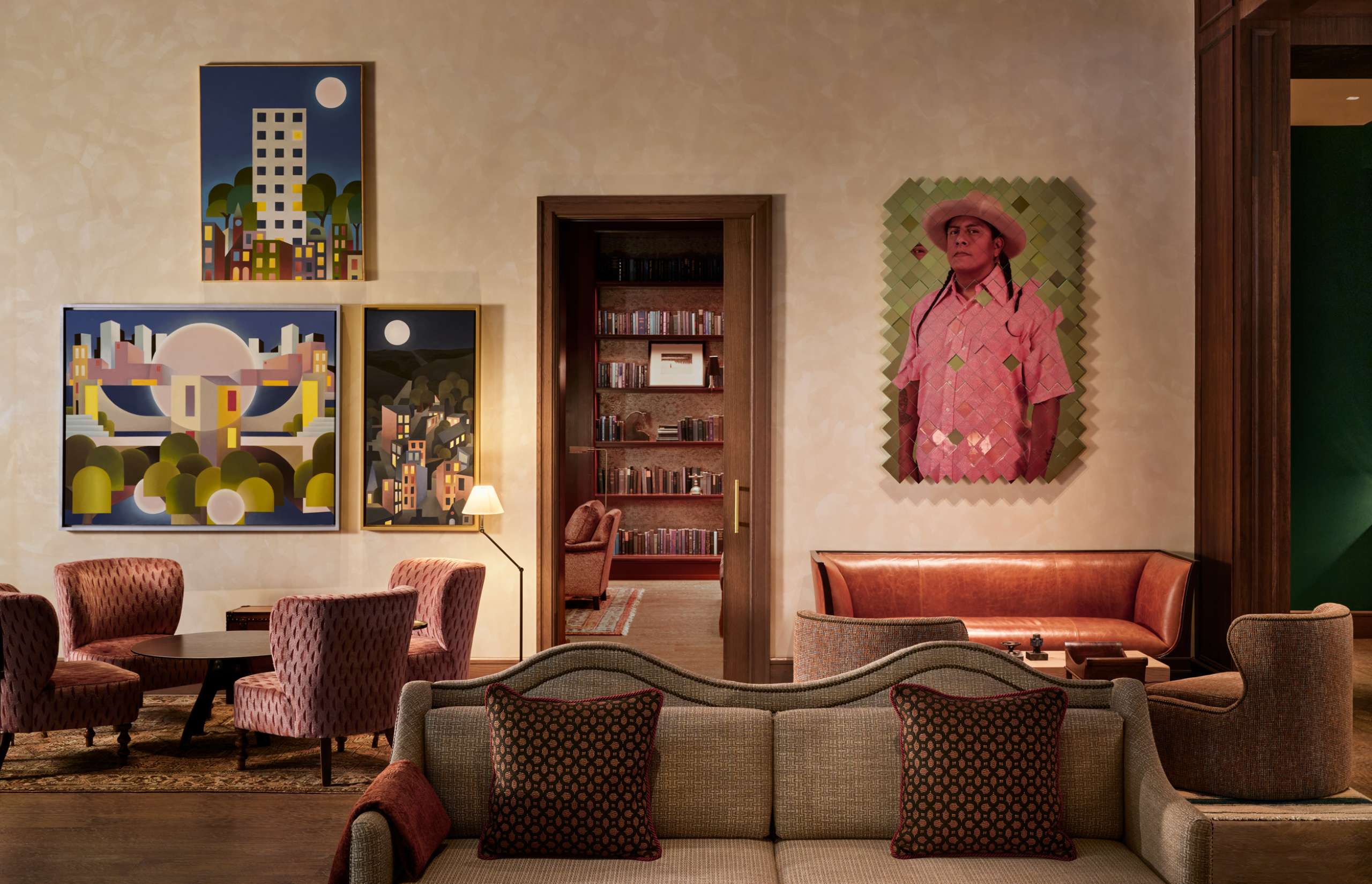
In Fort Worth, Texas, Bowie House is a magnificent ode to the region’s famed cowboy culture and world-class arts scene. Operated by Auberge Collection, the boutique hotel is owned by Dallas-based businesswoman Jo Ellard, who also happens to be a legendary equestrian (find her name in the National Cutting Horse Association Non-Pro Hall of Fame) and champion horse breeder. The 106-room property has her stamp all over it, including by way of her personal art collection. The catalogue of more than 400 gallery-worthy pieces, including both bold and subtle nods to the Western aesthetic, adorn Bowie’s walls. Leather furniture, cowhide-backed chairs, in-room hat racks and boot benches expand on the motif, which is cleverly ubiquitous yet refined.
Latest Articles
Don't miss the latest from Luxury Travel