
Rome’s finest hotels, neighbourhood by neighbourhood

hotels
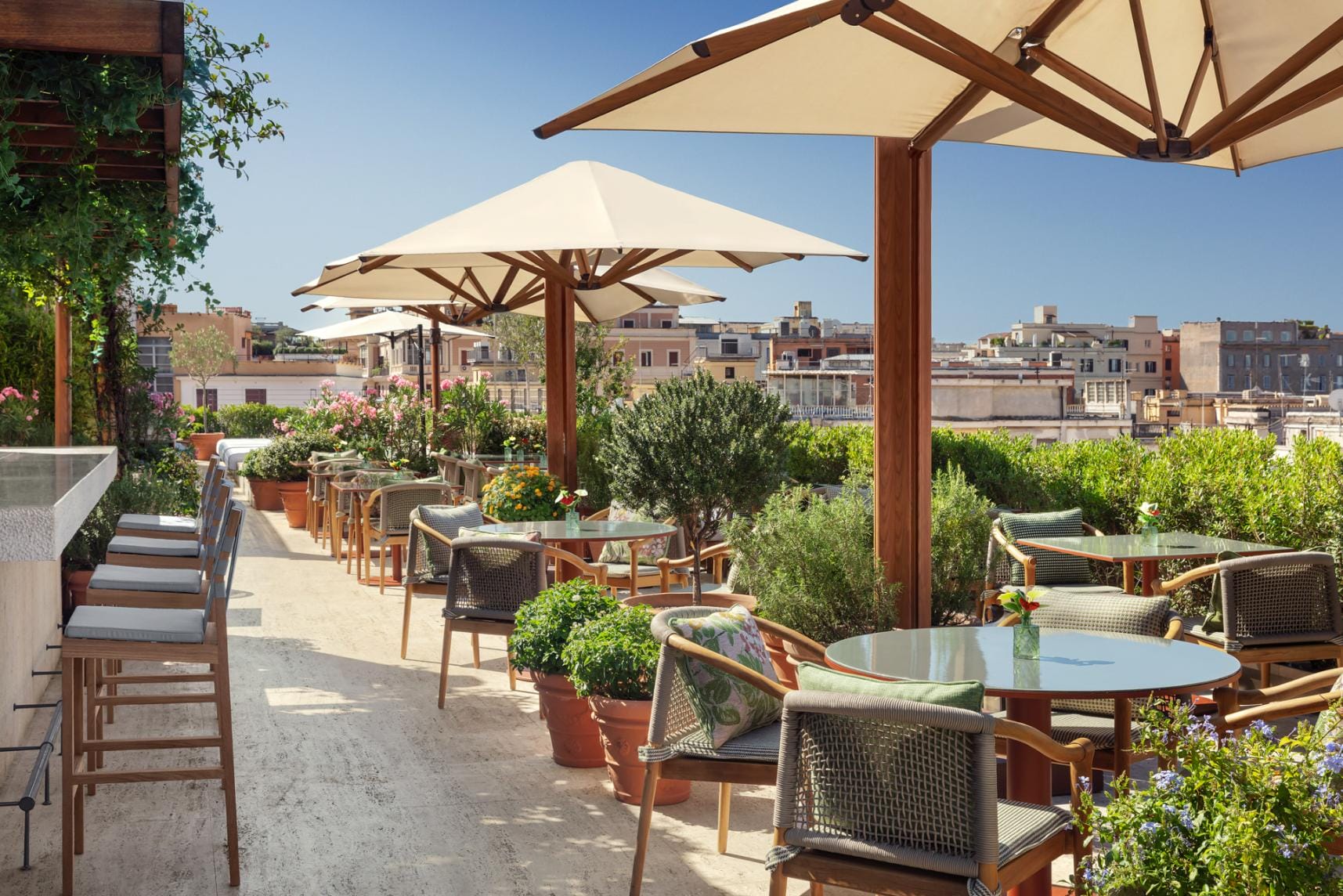
The Rome Edition rooftop terrace
A garden retreat near the Spanish Steps, a palazzo beside the Pantheon or a rooftop overlooking the Colosseum: choosing where to stay in Rome starts with the setting. Our guide pairs the city’s distinctive neighbourhoods with exceptional hotels, from intimate family residences to grand Italian addresses
Luxury travellers are spoiled for choice in Rome, Italy’s captivating capital, where historic and cultural treasures punctuate any itinerary.
The city evolves at every turn: ancient ruins and globally recognised landmarks sit comfortably alongside contemporary restaurants, galleries and hotels, while elegant streets lead to bohemian enclaves, bustling tourist hubs and quiet residential lanes. In short: it’s a wanderer’s dream.
From the heart of the Centro Storico and the lively streets of Trastevere to the fashion-forward Campo Marzio and leafy surrounds of Villa Borghese, where you choose to stay presents a different perspective on the Eternal City. When in Rome, here’s where to base yourself, depending on which slice of the capital you favour.
Centro Storico
Rome’s historic centre, Centro Storico, is an irresistible introduction to this most notable of cities. Along beautifully time-worn streets, through grand piazzas and past grand buildings, the neighbourhood is easily walkable (although, wear heels at your own risk) and a veritable open-air museum. The Pantheon, Piazza Navona, Via del Corso, Campo de’ Fiori and Trevi Fountain are all close at hand, while across the Tiber, the cobbled streets and lively trattorias of Trastevere offer another atmospheric expression of central Rome.
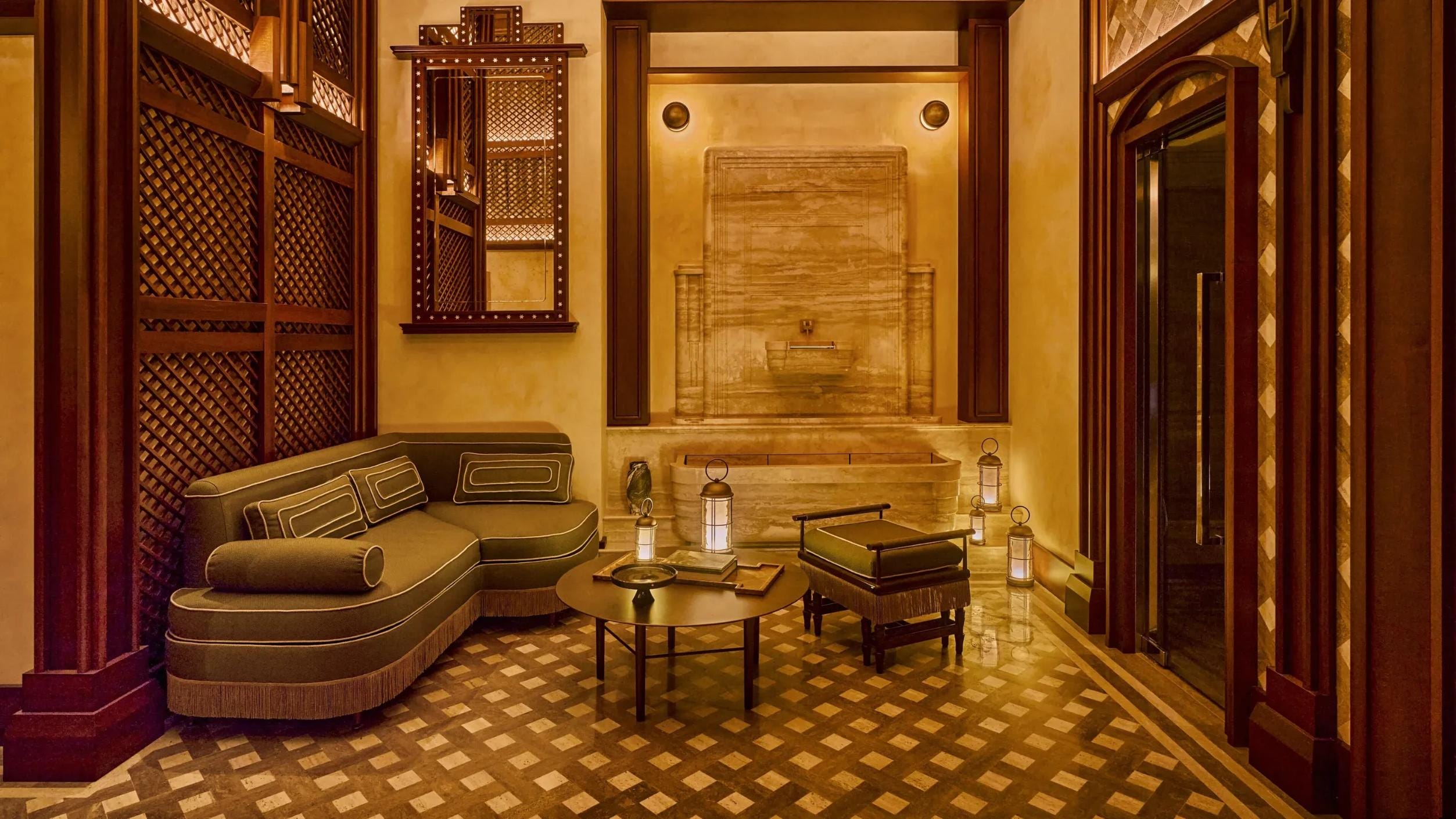
Orient Express La Minerva
In this ancient heart, with the Pantheon just steps away, Orient Express La Minerva is a decadent stay for those who value both location and Italian romance. The 17th-century palazzo, set on Piazza della Minerva, is an architectural vision, while interior design blends old and new to jaw-dropping effect. Don’t miss the seventh-floor restaurant, Gigi Rigolatto Roma, with its dreamy views over the city’s domes, rooftops and monuments.
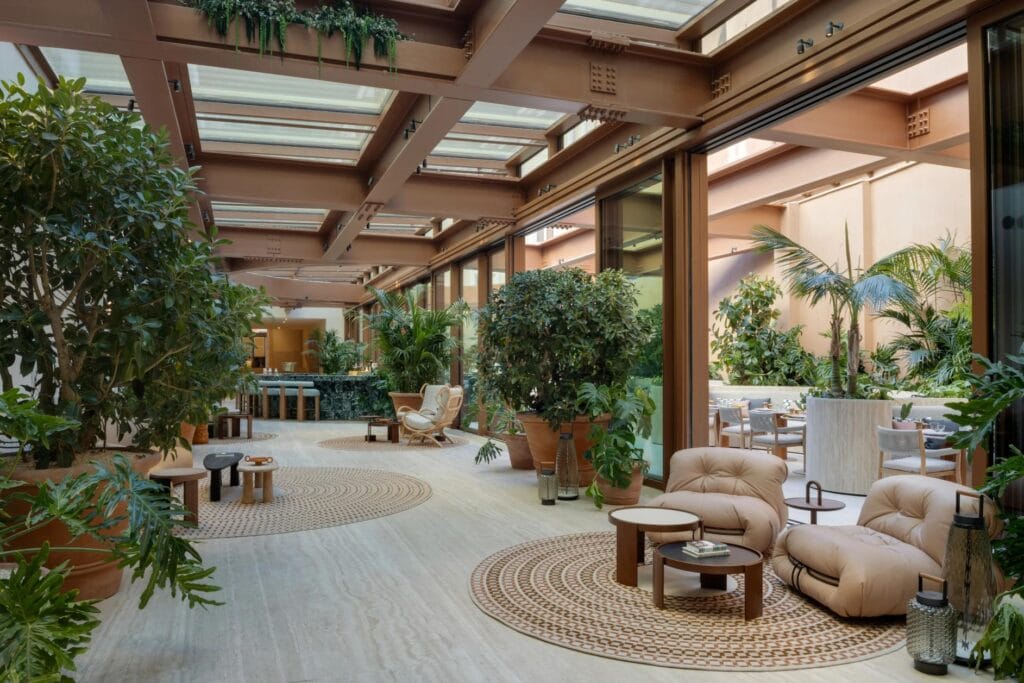
Six Senses Rome
For an updated take on the capital, Six Senses Rome is an ultra-luxe pick. Interiors by renowned designer Patricia Urquiola have helped created a sophisticated urban escape that simultaneously honours the property’s rich history. Housed in the 15th-century Palazzo Salviati Cesi Mellini, a former cardinal’s residence, the 96-key hotel is an easy walk to the Trevi Fountain, Pantheon and Colosseum, among other attractions, while the appeal of staying put is also strong.
Of particular note is the spa, where ancient bathing traditions inspire a beautifully considered wellness experience, including the striking Roman baths. Dining, too, is worth staying in for. All-day offering, BIVIUM, delivers a distinct restaurant, bar, courtyard and deli across one space, and is enhanced by NOTOS Rooftop, where modern Italian cuisine is served with panoramic views.
Campo Marzio and the Spanish Steps
If you fancy central Rome with bolstered fashion credentials, head for the luxury shopping district around Campo Marzio and the Spanish Steps. Centred around the Piazza di Spagna, at the foot of the Spanish Steps, the neighbourhood is home to Via Condotti and its collection of luxury boutiques, as well as the quintessential Roman palazzi, laneways and eateries. As in Centro Storico, this is a sight-seeing mecca, with the Trevi Fountain and Pantheon also nearby, yet there is always a generous dose of authenticity to balance the tourist numbers as visitors mingle over shopping, lunch, gelato or aperitivo.
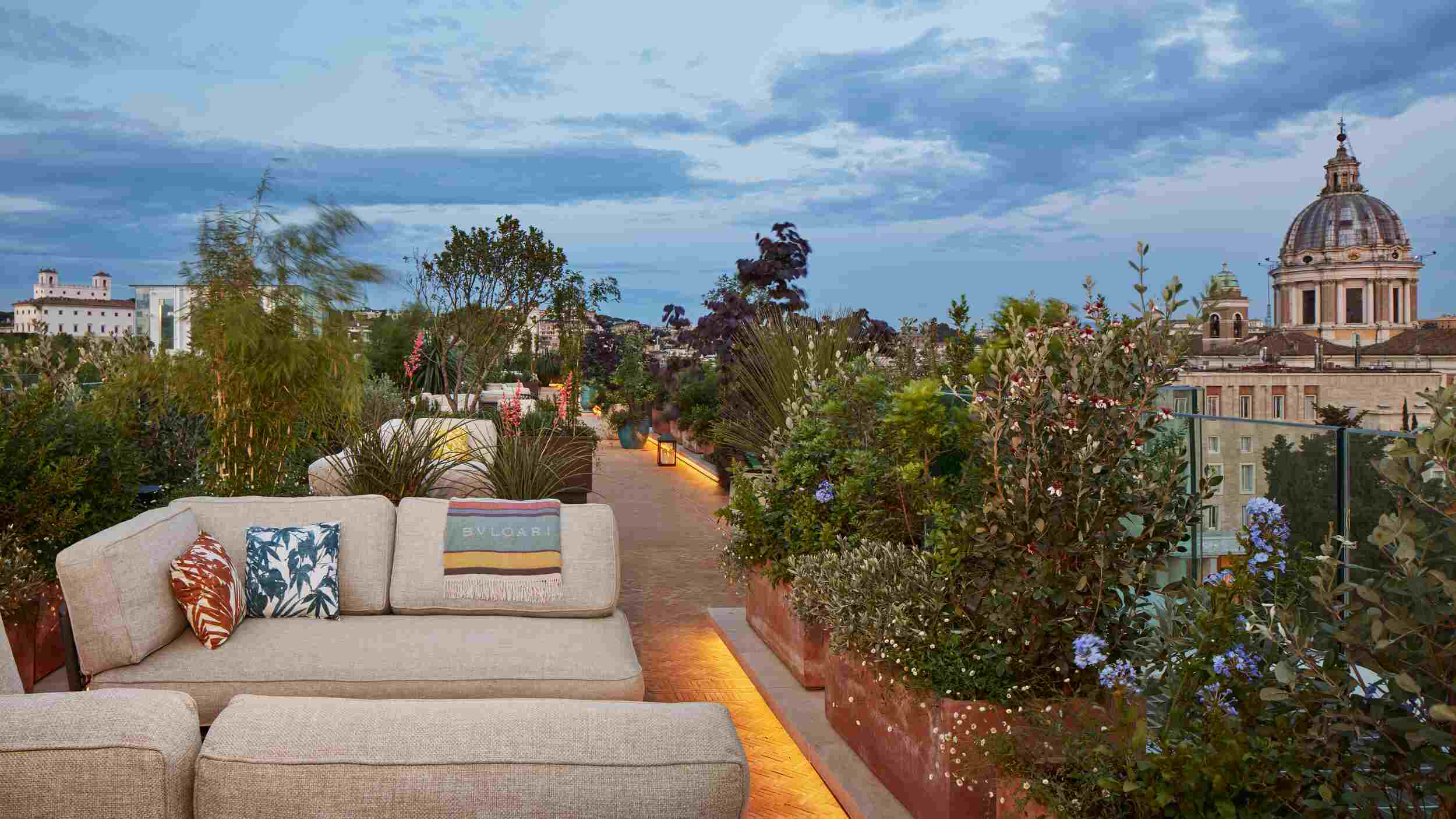
Bulgari Hotel Roma
In the fashion district, a stay at Bulgari Hotel Roma is the perfect fit. Glamour oozes from the grand building, which was built in the 1930s and restored in scrupulous detail, as one would expect from the Bulgari name. Original stone is softened with sumptuous textures and materials, while handcrafted and custom-made pieces embellish the hotel’s rooms, suites and communal gathering spaces. The 1500-sqaure-metre spa is an opulent escape, inspired by the long-valued Roman ritual in both design and atmosphere, while exclusive treatments are designed by Augustinus Bader. As across all Bulgari properties, Il Ristorante – Niko Romito is the signature restaurant. The self-taught, highly acclaimed Italian chef has created a menu that celebrates local cuisine, while the hotel’s bar, café and rooftop extend the culinary polish.
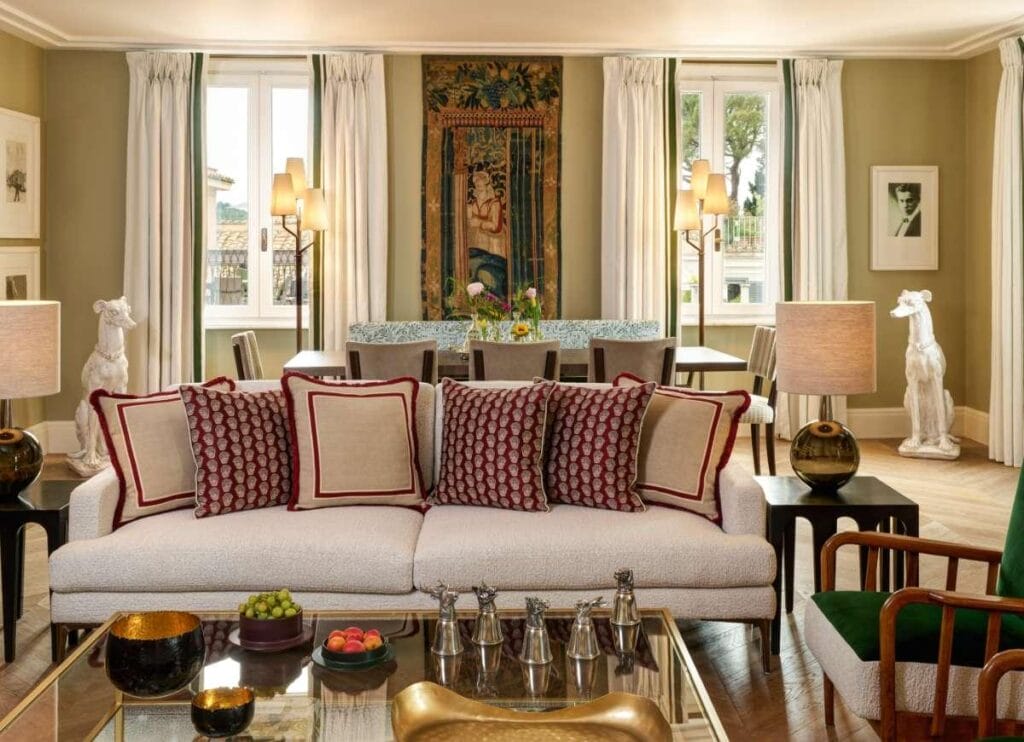
Hotel de Russie
In prime position between Piazza del Popolo and the Spanish Steps, Hotel de Russie is a star of Rome’s hospitality scene, its incredible terraced garden a defining feature. Filled with fragrant roses, citrus trees, mature pines and fountains, the tranquil retreat is reflective of the Rocco Forte hotel’s beloved role as a luxury escape from the city’s energy. Guests can dine amid the greenery at Le Jardin, enjoy aperitivo at the Stravinskij Bar or indulge at the Irene Forte Spa, which includes a hydro pool, sauna and steam room. Although it was more than a century ago, it is easy to see why poet Jean Cocteau labelled Hotel de Russie ‘Paradise on Earth’.
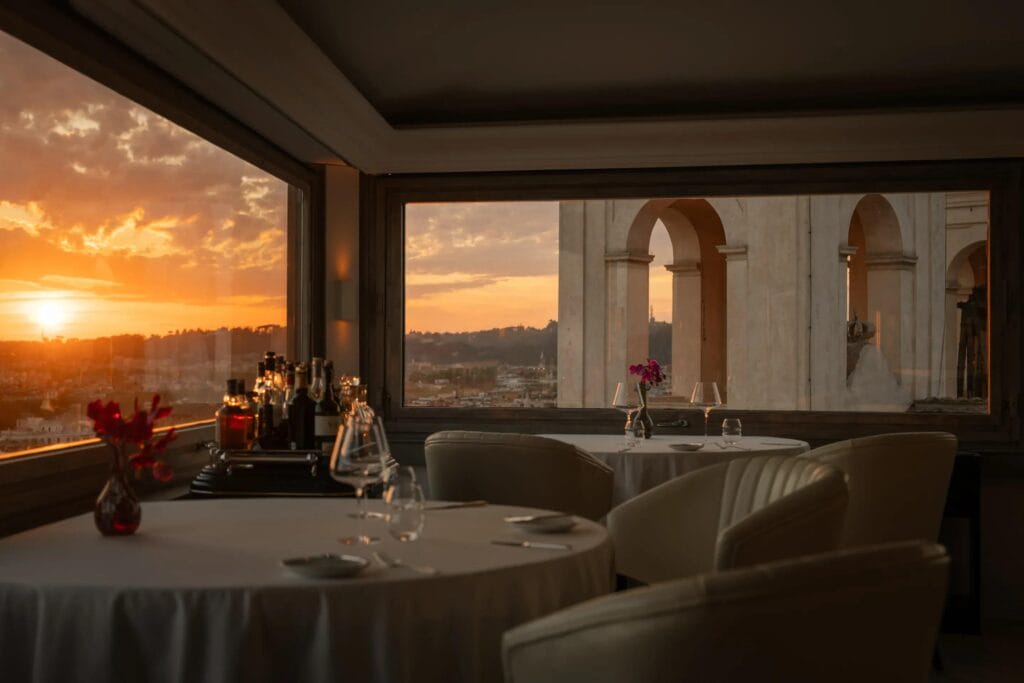
Hassler Roma
Located atop the neighbourhoods most prized landmark (yes, those beautiful Steps again), Hassler Roma fuses old-world Italian glamour with classic Roman hospitality for an unforgettable stay. The family-owned property features 82 refined rooms and suites, each individually designed and some with private terraces and Piazza di Spagna views. Michelin-starred Imàgo serves contemporary Italian cuisine against a spectacular backdrop, Salone Eva is a fine-dining favourite with locals, Palm Court delivers alfresco fare in the summer months, and the tipples go down easily whether at the moody Carmen’s Bar, the panoramic seventh-floor terrace or charm-filled wine bar, Il Palazzetto.
Via Veneto and Villa Borghese
From the glitz of Via Veneto to the leafy expanse of Villa Borghese, this elegant corner of the Eternal City offers a more spacious take on Rome. Immortalised in Federico Fellini’s La Dolce Vita, Via Veneto is lined with grand hotels, polished restaurants and stylish cafés, while Villa Borghese brings gardens, museums and other reasons to wander. The result is a sophisticated yet unhurried stay, where Rome’s celebrated sights are still within easy reach.
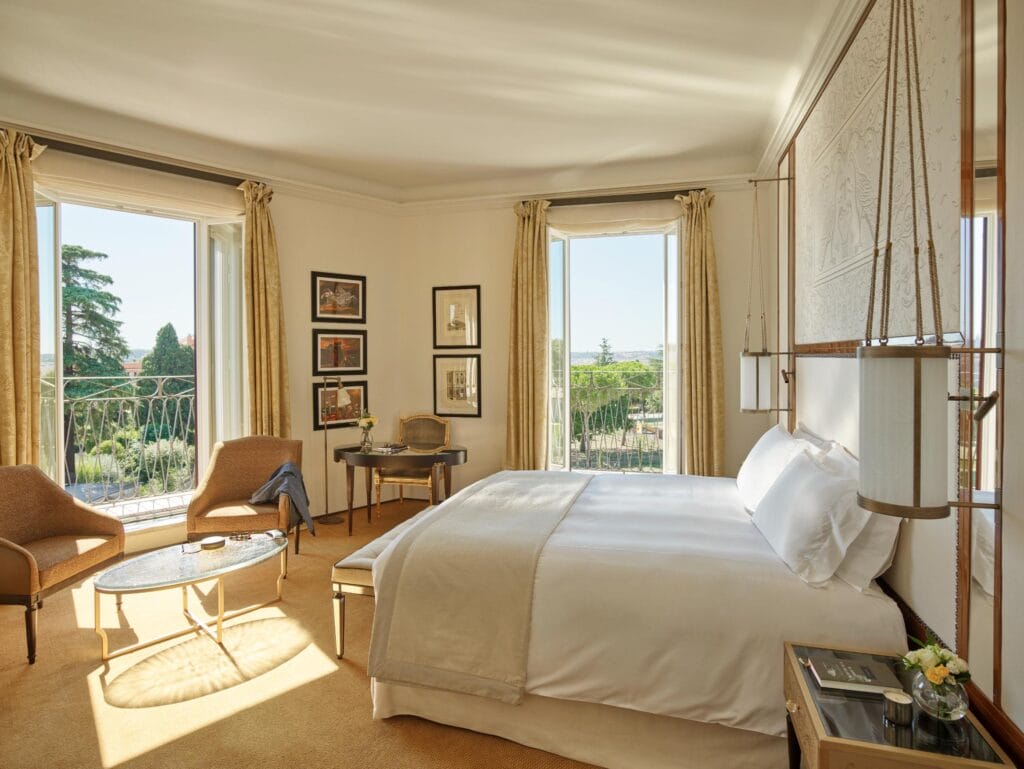
Hotel Eden
From its elevated position, aptly named Hotel Eden combines classic Italian elegance with warm, personalised service, as well as stunning views across the cityscape. Part of the Dorchester Collection, the hotel features 98 rooms and suites, in which a classic palette is accented by bourgeois touches, and dining options include the Michelin-starred La Terrazza.
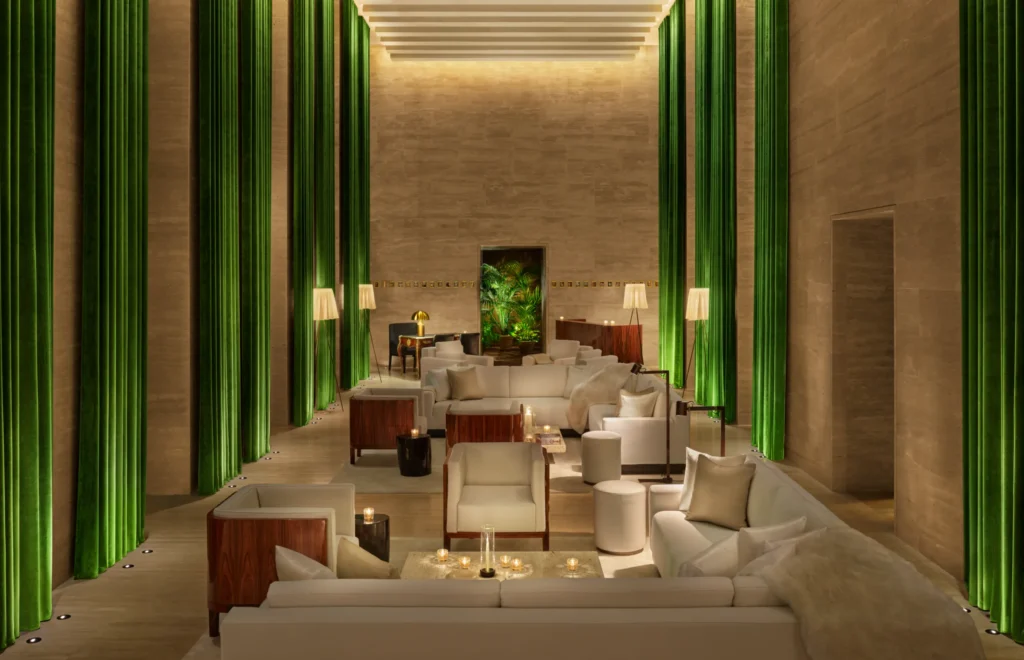
The Rome EDITION
Meanwhile, The Rome EDITION brings Ian Schrager’s signature design sensibility to a historic (naturally!) building, located a few short minutes from Via Veneto and Piazza Barberini. The hotel, a converted 1940s bank, combines clean lines, rich materials and a touch of the theatrical – a nod to its Roman setting. Its 74 rooms, 17 suites and two penthouses are stylish and pared-back, with many overlooking sprawling rooftops or the adjacent church of San Nicola da Tolentino. Communal spaces are designed for lingering, from the lush courtyard of signature restaurant, Anima, to the speakeasy-inspired Punch Room, intimate Jade Bar and sun-kissed rooftop.
Quirinale, Monti and the Colosseum
This central pocket of Rome provides plenty of character, not to mention plenty of main character energy in the form of the monumental Colosseum. Around the Quirinale, the highest of the traditional seven hills of Rome, find grand palazzi, gardens and stately streets, while nearby Monti brings a more youthful rhythm, with independent boutiques, wine bars and restaurants tucked into cobbled lanes. Then there’s the Colosseum: an extraordinary piece of ancient Rome woven and an unforgettable backdrop to the streets and neighbourhoods around it.
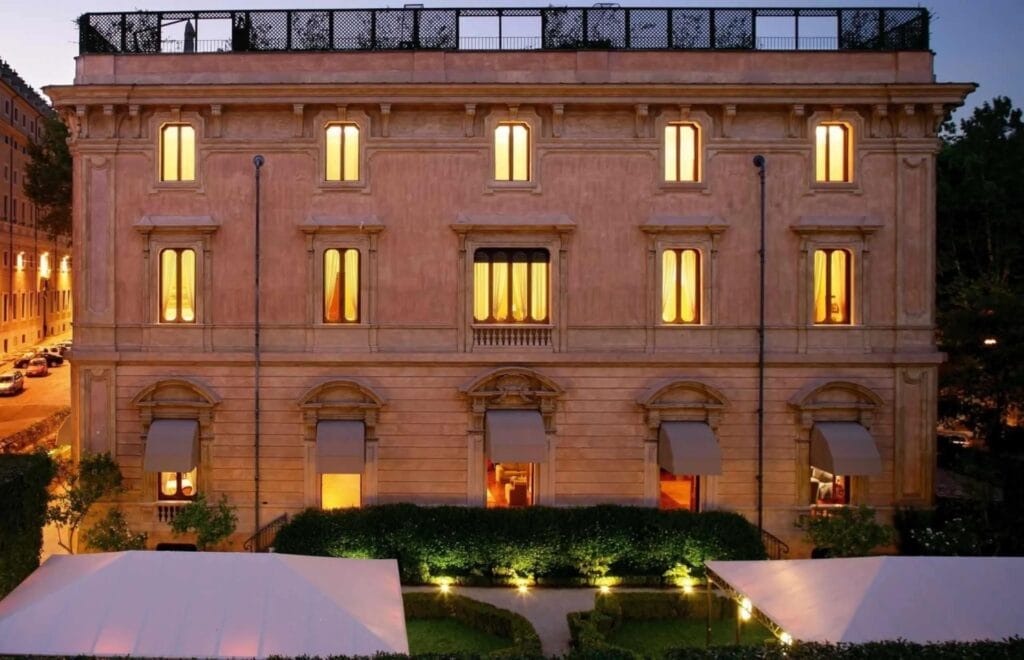
Villa Spalletti Trivelli
Set on the Quirinale, the 17-room Villa Spalletti Trivelli gives guests a taste of aristocratic Rome, the intimate setting a striking blend of Classicism and grandeur. The early-20th-century property was originally the home of the Spalletti Trivelli family and retains its residential feel (albeit an incredibly opulent home away from home) through inviting drawing rooms and antique furnishings, including old family photos. Rooms, suites and apartments (some located in an adjacent building) are individually styled, with period furniture and travertine marble bathrooms. There is no restaurant, although the in-house breakfast is excellent and the rooftop – a summer sanctuary – offers simple bites, including homemade gelato, and a complimentary bar.
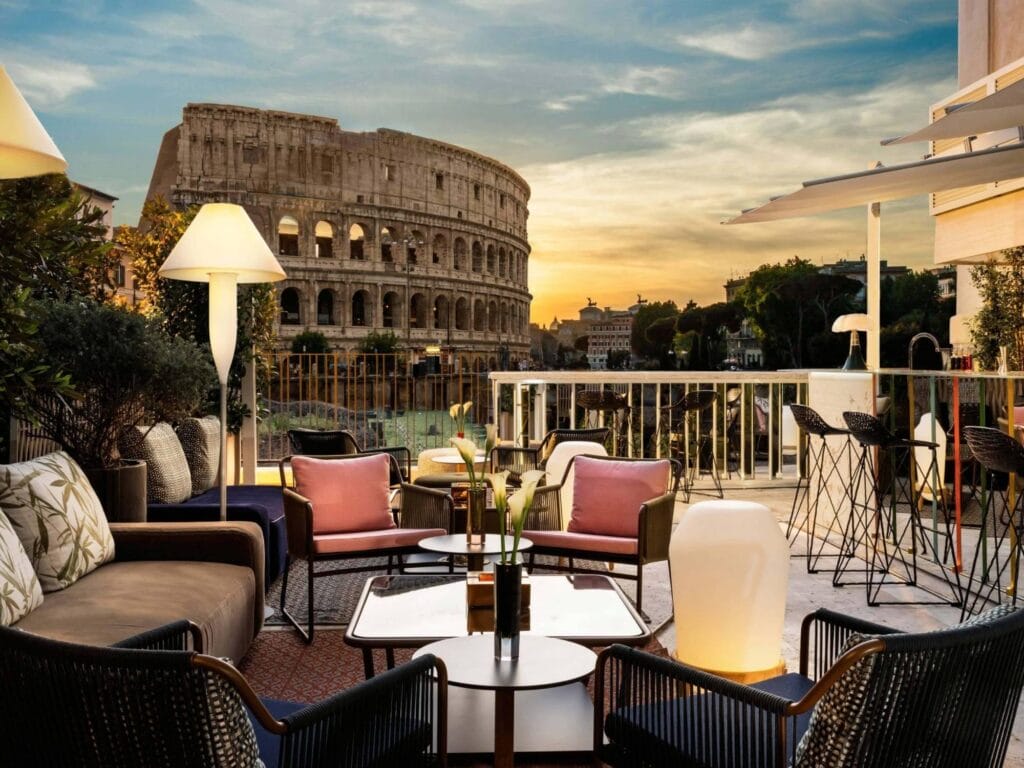
Palazzo Manfredi
For a front-row seat to the Colosseum, Palazzo Manfredi is the definitive choice. Overlooking the famous amphitheatre, this beautifully restored 17th-century residence has introduced modern luxuries with genuine consideration for the building’s historic charm. At Aroma, the hotel’s Michelin-starred rooftop restaurant, moreish Italian cuisine is served against an extraordinary Colosseum view, while The Court delivers similar vista and an exceptional drinks list. Many of the hotel’s rooms and suites also frame the famous ruins, making Palazzo Manfredi a highly coveted stay.
The Details
Much of central Rome is walkable, with many major sights bundled within 20–30 minutes of one another. That said, those famously time-worn cobblestones can make comfortable shoes essential, while summer heat and the distances between attractions can make a central location particularly valuable. Public transport is useful weary legs and the Metro in particular is quite simple for visitors to navigate, even with little to no Italian.
April to June and September to October are the sweet spots for warm days and smaller crowds, while peak season between July and August can be intensely hot and busy. November to March is cooler, quieter and often better value, but an umbrella becomes a useful accessory.
Latest Articles
Don't miss the latest from Luxury Travel