
Luxury small-ship cruising
As travellers seek depth over scale, luxury cruise lines are reshaping small-ship travel with inventive onboard experiences, expert-led enrichment and access to the world’s rarest destinations
Cruising for pleasure, whether on the ocean or river, on big ships or small, has long been seen as a luxurious mode of travel. Despite the oft-cited economic headwinds and the rocketing cost of living, Australians continue to cruise in record numbers, typically increasing by five per cent or more annually. According to the Cruise Lines International Association (CLIA), 1.32 million Australians took an ocean cruise in 2024, up from 1.25 million in 2023.
In the luxury sphere, the world’s ultra-premium cruise lines are enjoying a period of unprecedented demand. “Even in the face of challenging economic times, the global luxury cruise market continues to thrive and innovate, delivering immersive, personalised and unforgettable experiences for discerning travellers,” says CLIA Australasia managing director Joel Katz. “Globally, the luxury cruise fleet has more than tripled since 2010 – from 28 ships to 97 ships – and CLIA’s forecasts show we can expect a further 28 per cent increase in luxury capacity by the end of 2028.”
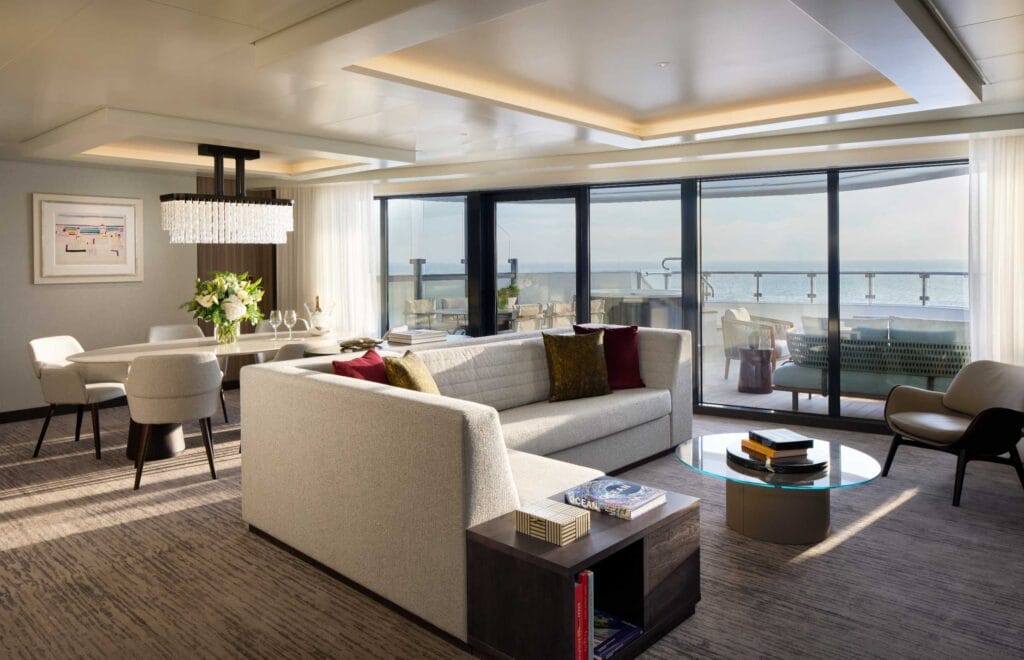
Within that surge, it is the small-ship sector that is capturing the imagination of travellers and attracting some of the world’s most prestigious hospitality brands. Four Seasons Explorer, the line’s original catamaran now operating in Palau, shows how hotel groups can extend into intimate, adventure-led sailings. The forthcoming Four Seasons Yachts project, launching this year, will introduce purpose-built vessels with 95 expansive suites. They join the Ritz-Carlton Yacht Collection, Aman’s Amangati and Orient Express’s Corinthian, all promising the hallmarks of their land-based brands: butler service, spacious balcony suites, premium dining, immersive wellness programs and finely curated itineraries.
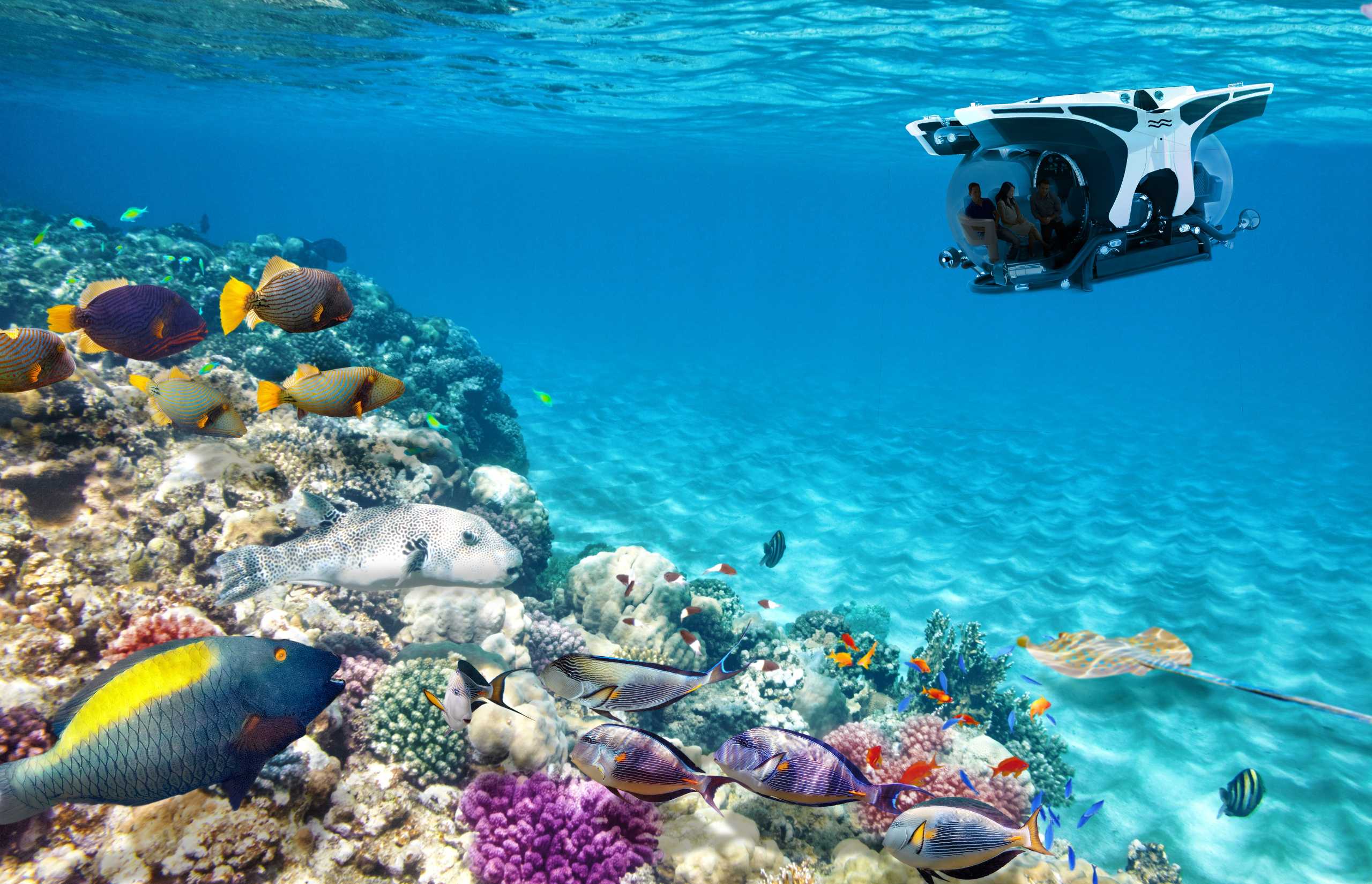
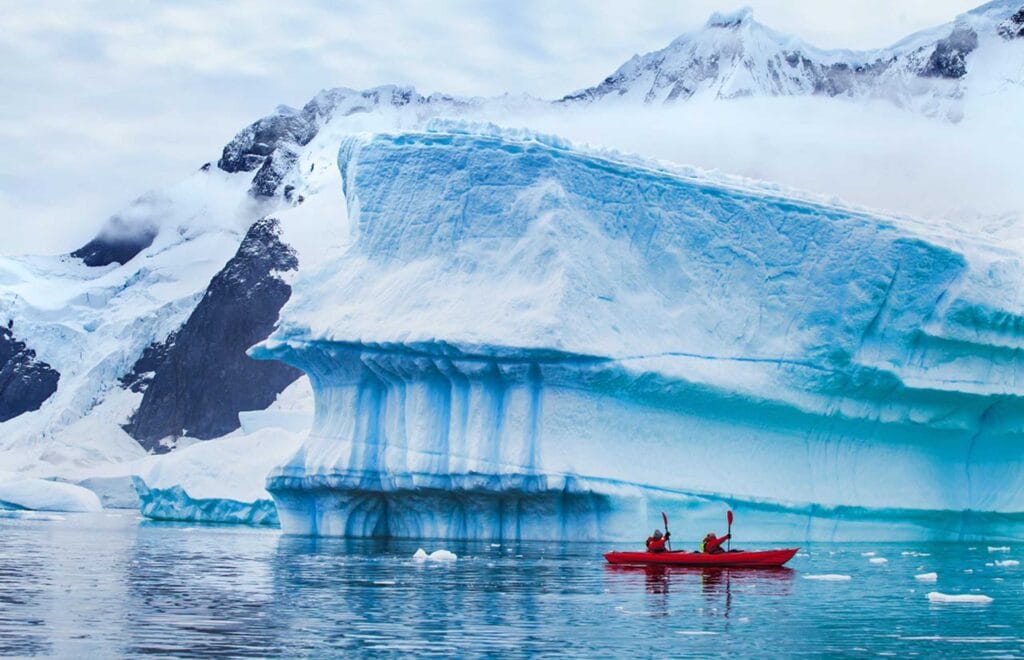
With evermore competition from emerging players, small-ship luxury brands are raising the bar with each passing year, coming up with creative ways to satisfy the increasing demands of their loyal and discerning guests. Enter elaborate on-board features and rare experiences such as ice camping on polar shores, sightseeing by helicopter, or venturing beneath the surface in private submarines.
Extreme luxury
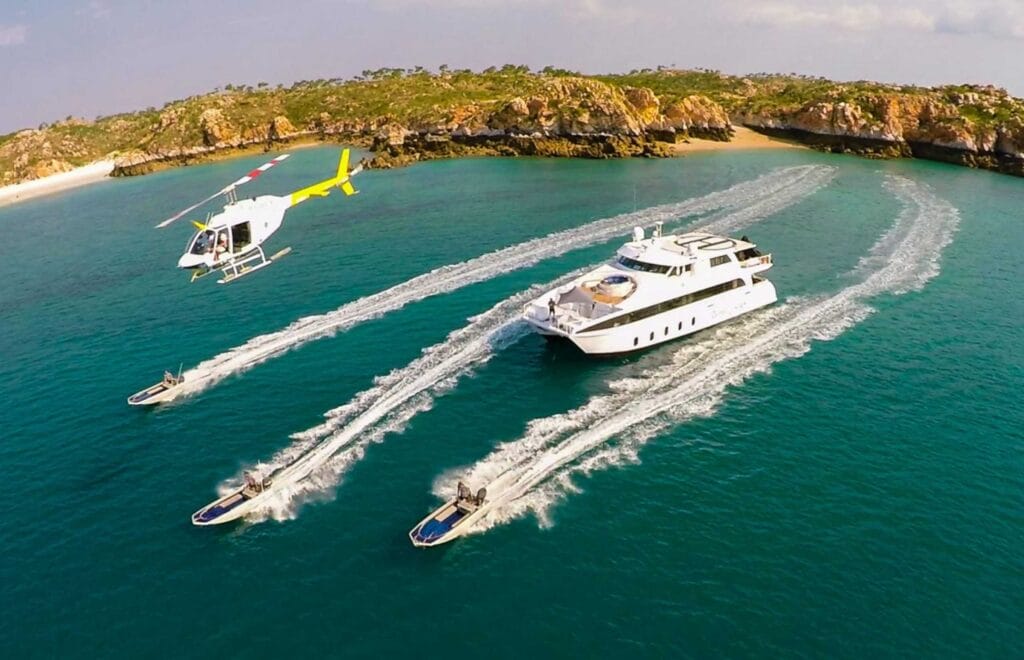
Deep Ocean Expeditions, owned by Australian explorer and co-founder of Quark Expeditions, Mike McDowell, began offering ultra-exclusive deep dives to the wreck of RMS Titanic in 1998. While such explorations still remain rare, luxury expedition cruise operators such as Seabourn, Viking and Scenic now deploy seven-person submarines for dives of up to 300 metres in polar and tropical destinations, making such transformative underwater sightseeing experiences more accessible – Ponant also introduced below-the-waterline observation lounges called ‘Blue Eye’ into their Explorer-class vessels from 2018. Above water, helicopters can be seen deployed aboard vessels from Quark, Scenic and True North, permitting exceptional flightseeing opportunities for adventurous guests.
It’s no wonder expedition cruising is on the up and up.
Despite ‘expedition’ comprising less than one per cent of Australian cruise passengers, numbers have soared by 71 per cent from 2019 to 2023. “The expedition segment has boomed in the last five years. I think without a doubt it’s the fastest-growing segment in the cruise industry at the moment,” says Robin West, head of expeditions at Seabourn.
The polar regions have long defined the very idea of expedition voyaging. Remote, inhospitable and once considered unreachable, they became the ultimate proving ground for adventure travel at sea – the last frontier where only the most capable vessels could venture. In 1991, Quark Expeditions became the first cruise line to offer voyages to the geographic North Pole, heralding a new era of small-ship adventure travel. Thirty years later, Ponant shifted the paradigm again with Le Commandant Charcot – the first purpose-built luxury icebreaker able to push into multi-year pack ice while delivering the comforts of a high-end hotel.Today, there is no shortage of new luxury vessels on the horizon. “There have been 35 to 40 new expedition ships built just in the last seven to 10 years, and the segment that is growing the fastest is luxury, with many companies adding new ships to that space,” West adds.
Antarctica by the numbers
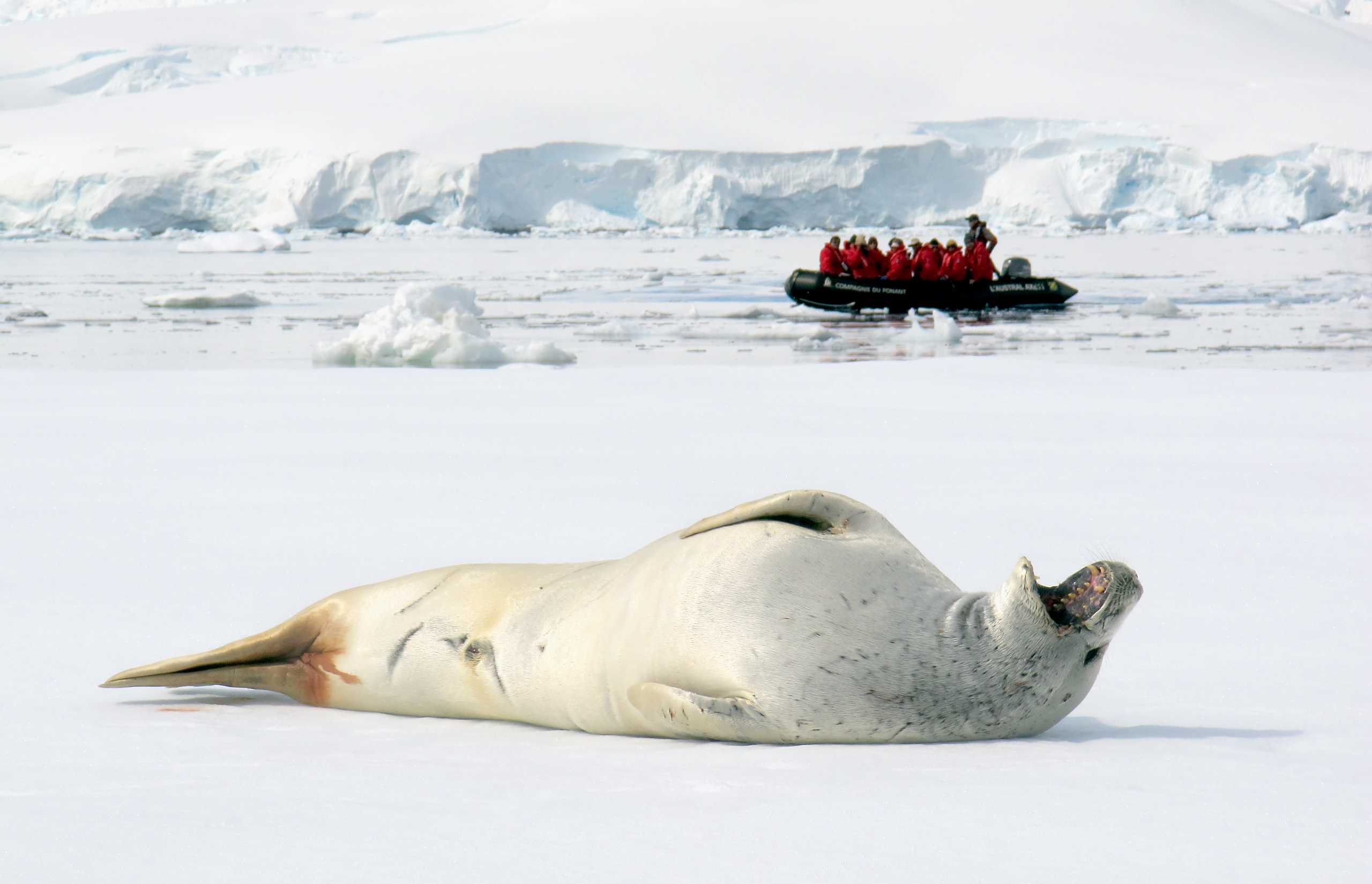
In 2023–24, IAATO recorded 122,072 visitors across 40 operators and 72 vessels. Of these, 80,455 landed and 3,938 travelled deep field, while cruise-only ships accounted for 35 per cent of visitors. By contrast, the 1999–2000 season saw just 15,000 travellers.
A new generation
An aura of environmental sensitivity increasingly pervades new, state-of-the-art vessels floating out, in a time when no cruise operator can afford a hint of cavalier attitude to the environment. The revolutionary X-Bow ship design – found in the fleets of Aurora, Polar Latitudes and Lindblad and that allows for a smoother ride in rough seas – reduces fuel consumption and emissions. Hurtigruten, meanwhile, has pioneered the use of a hybrid diesel-electric propulsion system on its newest expedition ships, combining conventional diesel engines with battery power to enable silent, emission-free sailing for limited periods, reducing fuel consumption and noise pollution in sensitive environments.
On board, passengers luxuriate in comforts such as satellite internet, balconies and suite-style amenities, while dining is also becoming more elaborate, with many cruise lines engaging celebrity chefs alongside destination-driven concepts. Seabourn partners with Thomas Keller on The Grill, while Silversea’s S.A.L.T. (Sea and Land Taste) program brings destinations to the table through menus built on local ingredients and culinary traditions, often paired with on-shore market visits and cooking workshops.
And beyond expedition, Nobu Matsuhisa brings his Japanese-Peruvian menu to Crystal’s ocean ships, while Jacques Pépin heads up the French bistro for Oceania, which has trademarked the tagline ‘The Finest Cuisine at Sea’.
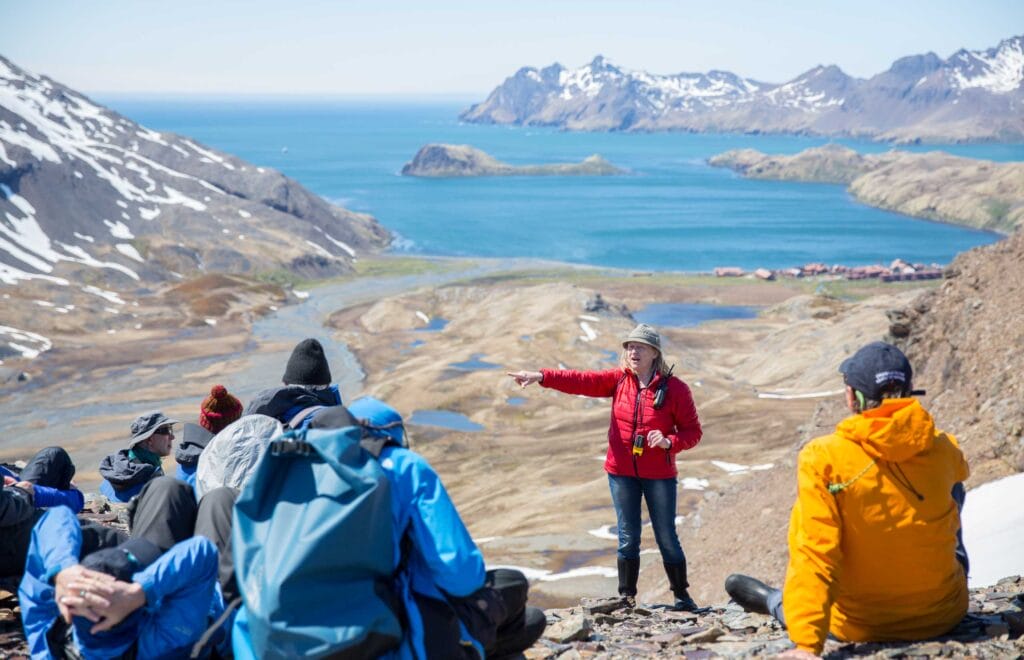
Well-known names aren’t limited to the kitchen, either. Luxury brands are taking onboard enrichment – a vital part of expedition cruising – to a new level by engaging celebrity speakers. “Cruise lines are redefining luxury, not just through elegant interiors and world class dining, but through thoughtfully designed, meaningful experiences that resonate deeply with today’s struggles,” says Katz. Seabourn has hosted Apple co-founder Steve Wozniak, former MI5 chief Dame Stella Rimington and NASA astronaut Heidemarie Stefanyshyn-Piper. APT has welcomed Australia’s former Governor General, Sir Peter Cosgrove, while Crystal has tapped Geoffrey Kent of Abercrombie & Kent – headline names that show how far brands will go to stand out.
Destinations in focus
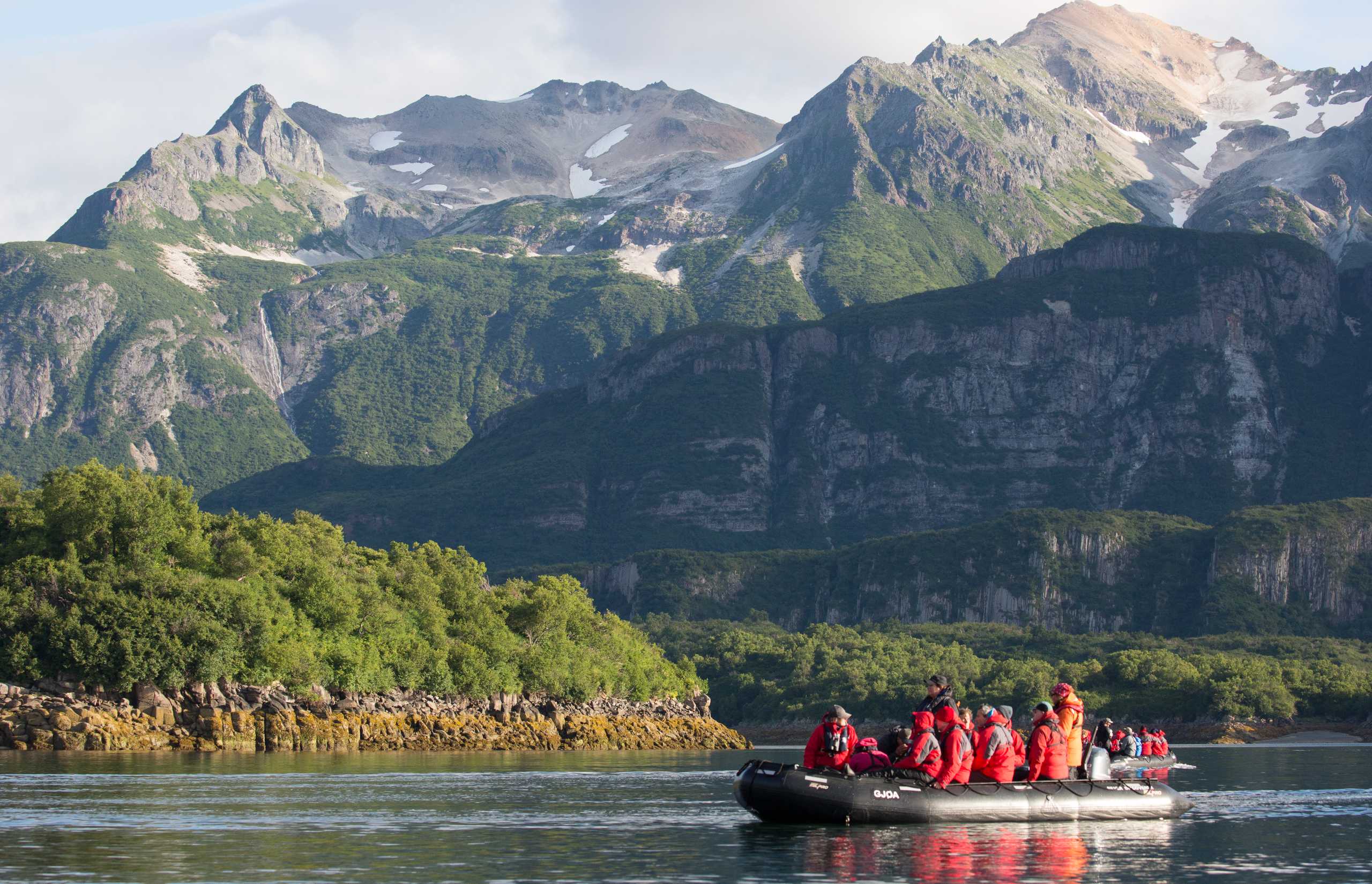
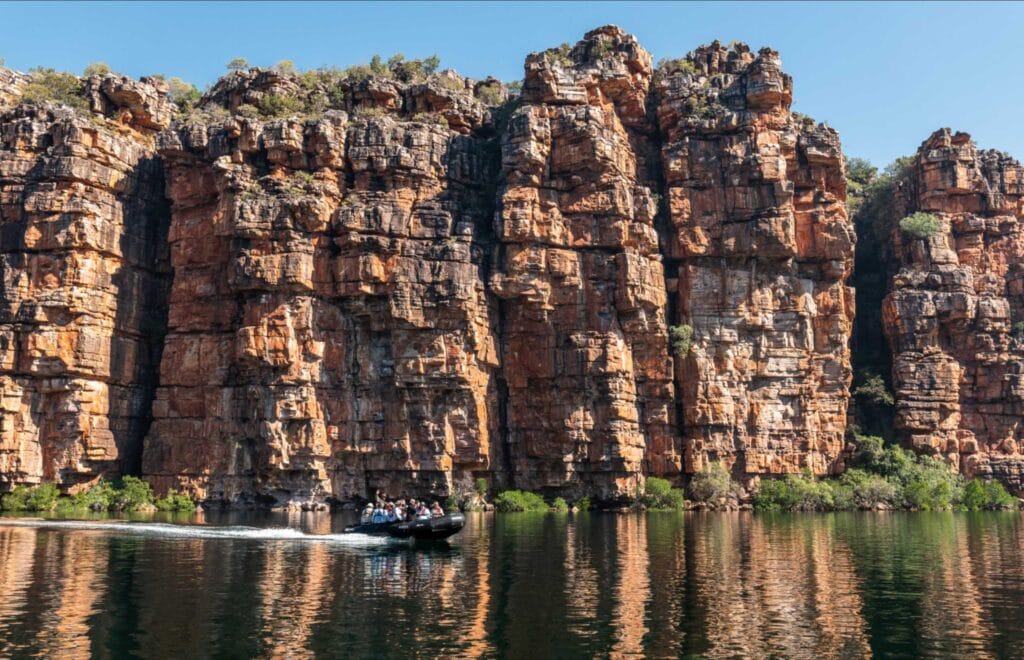
With so many repeat cruisers and increased competition in the small-ship sector, cruise lines are increasingly curating unique voyages to ever-more exotic destinations. In Australia’s remote and ravishing north west, the Kimberley has emerged as Australia’s luxury expedition trump card. At locations such as Talbot Bay, Montgomery Reef and King George River, fleets of rubber Zodiacs ferry wide-eyed guests marvelling at the awe-inspiring geology and elusive wildlife on show.
Once visited only by local boutique operators like True North and Coral Expeditions, the Kimberley is now hosting larger international vessels from the world’s luxury fleet. But a new, purpose-built luxury vessel, Paspaley Pearl, revives the core values of expedition cruising with just 30 passengers, ensuring personalised service and access to locations otherwise unattainable.
“When I launched Orion Expeditions 20 years ago, it was immediately apparent that Australians craved both luxury and adventure in the one package,” says Sarina Bratton, executive chair of Pearl Expeditions. “Now with the launch of Paspaley Pearl, we’re revisiting that theme with emphasis on a more relaxed elegance, compact size, fewer guest numbers and expanded, immersive experiences.”
“Travellers are hungry for unspoilt locations and cultural authenticity, and many are looking to these journeys as a way to discover destinations that might have previously seemed out of reach.” CLIA Australasia Managing Director, Joel Katz
Andrew Castles, GM of Cairns-based Expedition Cruise Specialists, adds that the attraction of the Kimberley is its ‘barefoot luxury’ appeal: “Our clients aren’t so concerned about lavish, luxurious ships – their luxury is just experiencing this amazing, unspoilt destination.”
Destinations like Melanesia, Polynesia, the Philippines and Indonesia are also gaining traction with small ship operators, and cruise lines like Swan Hellenic, Silversea and now Aqua Expeditions (from 2026) have announced cruises in destinations such as the Seychelles, Zanzibar and East Africa. Luxury exists in rarity, and travellers are increasingly drawn to the intimate and authentic encounters with indigenous people, low visitor numbers, and the limited presence of sophisticated tourism infrastructure. “Travellers are hungry for unspoilt locations and cultural authenticity, and many are looking to these journeys as a way to discover destinations that might have previously seemed out of reach,” says CLIA’s Katz.
Even in heavily trafficked destinations such as the Mediterranean, exclusivity is being cultivated through itineraries that call at smaller ports and villages along the Amalfi Coast, in Cyprus, Croatia and Malta. Lines like SeaDream Yacht Club, with its compact vessels able to transit the iconic Corinth Canal, are showing how intimacy can still be found in the world’s busiest waters.


Little curiosities
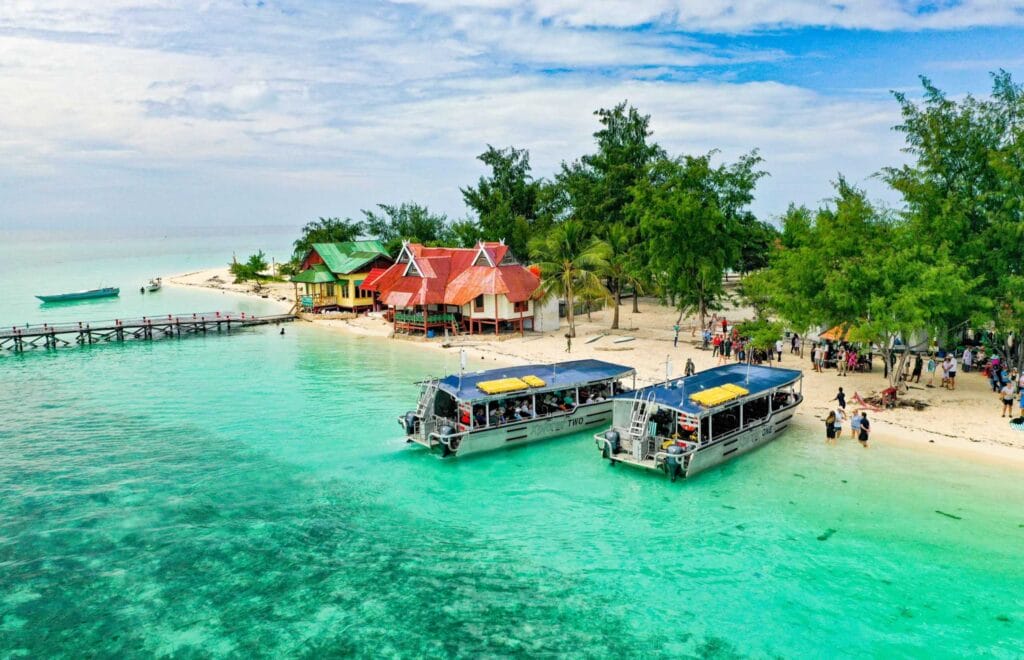
Small ship cruise lines catering to families include Lindblad Expeditions, whose ‘Explorer-in-Training’ program sparks curiosity with science labs and naturalist coaches, and Paul Gauguin, whose ‘Moana Explorer Program’ introduces younger guests to the marine life and culture of French Polynesia.
On the rivers
River cruising, long popular for its ability to link multiple iconic cities within a comfortable one- or two-week itinerary, is in the midst of its own growth spurt, with some 20 new vessels expected to launch worldwide in 2025.
In South America, andBeyond’s Amazon Explorer, a 32-guest expedition yacht debuting in 2026, will sail from Iquitos into the Pacaya Samiria National Reserve, blending Indigenous-inspired design with a spa and wellness spaces, a pool deck and skiff excursions. Abercrombie & Kent is also preparing to launch an expedition river ship on the Amazon, expanding its footprint in remote waterways. Meanwhile, AmaWaterways has entered Colombia’s Magdalena River with 60-passenger ships designed for more intimate exploration.
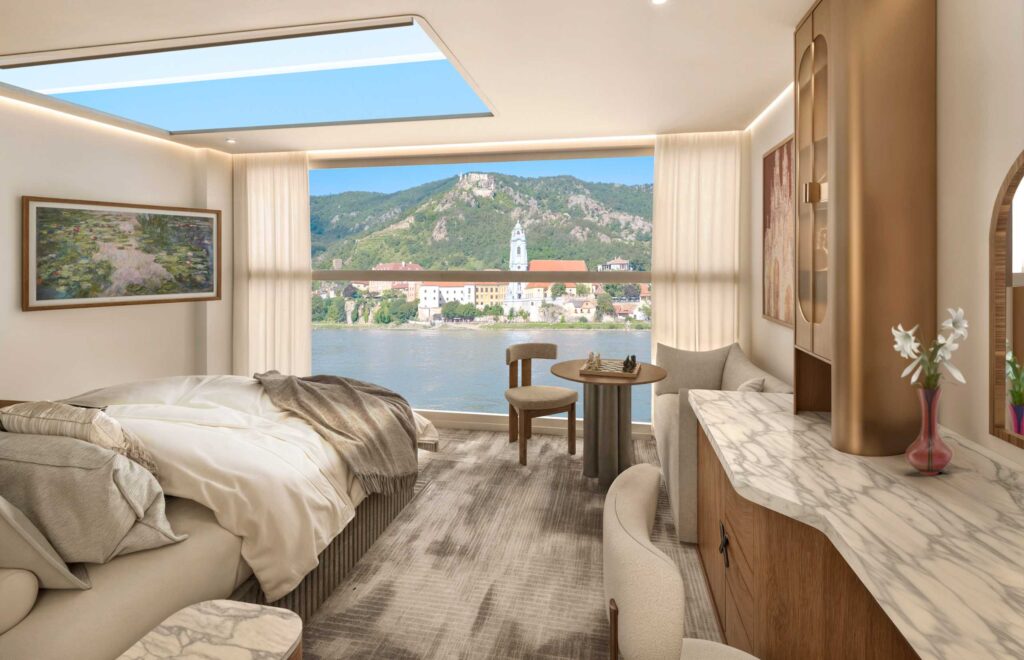
In Europe, Celebrity Cruises has announced its entry into the sector with Celebrity Compass and Celebrity Seeker, launching in 2027. The line promises the most usable outdoor space of any river ship, as well as its ‘Magic Edge’: cantilevered dining pods that hover over the water. APT, meanwhile, will bring five-star cruising closer to home on the Murray River aboard the brand-new Australian Star out of Echuca.
Innovation is also driving hybrid experiences: Uniworld has partnered with Golden Eagle Luxury Trains to create cruise and rail journeys through India and Eastern Europe, and, in a first, has teamed with Seabourn to offer a package linking Venice with the Mediterranean. And in Asia, Viking’s second 80-passenger ship, Viking Tonle, has just embarked on its maiden 15-day Mekong program, joining sister ship Viking Saigon.
New frontiers
True luxury in cruising rests on balance: limited numbers, light footprints and itineraries that enrich as much as they relax. The growing appeal of remote and rarely visited destinations reflects a new style of luxury – one measured in authentic encounters as much as in time. In an age when life moves at a relentless pace, losing yourself in a library at sea or watching humpback whales cavorting just metres away may be the kind of luxury your soul truly craves.
The real explorers
CLIA’s figures put the average age of an Australian cruise passenger at under 50 years old, but expedition cruising is swinging the other way, despite the requirement for greater physical mobility. “I’m actually seeing older clients being more interested in expeditions,” cruise planner Claire Maguire says, adding that in the past, she rarely saw clients older than those in their 60s. “Now, I have people in their 70s and 80s doing expeditions… they’ve been everywhere, done that, and now they’re getting to the end of their travel days and are saying, ‘let’s do this last big thing.’”
Latest Articles
Don't miss the latest from Luxury Travel