
Partner Story
Angkor Wat and Beyond: Exploring Cambodia’s Ancient Temples
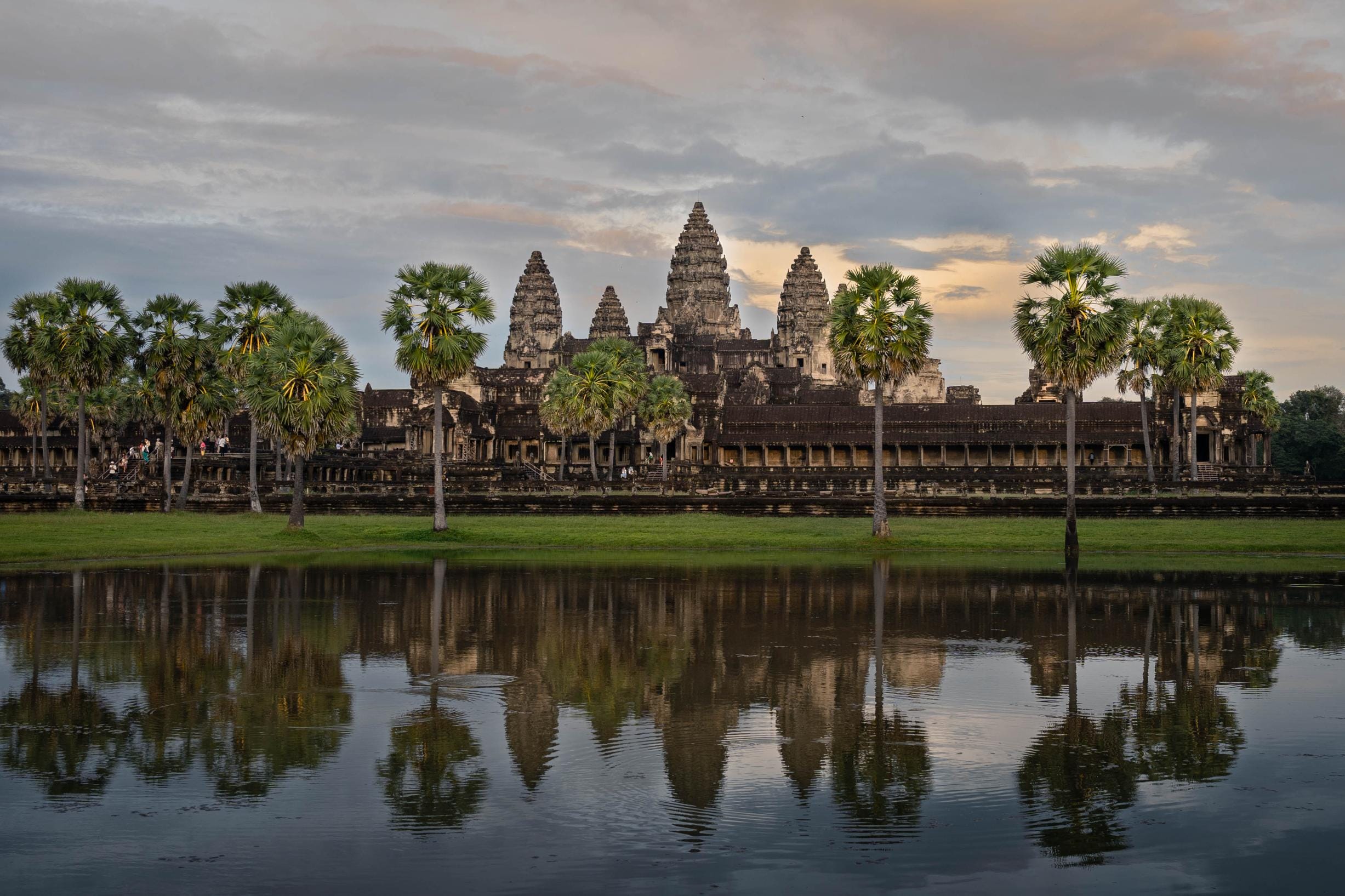
Angkor Wat Temple
A thousand years of history unfolds in the temples of Angkor, where ancient kings left their ambitions written in sandstone. Venture beyond Angkor Wat to discover royal cities, living traditions and a side of Cambodia that reveals itself to those willing to linger
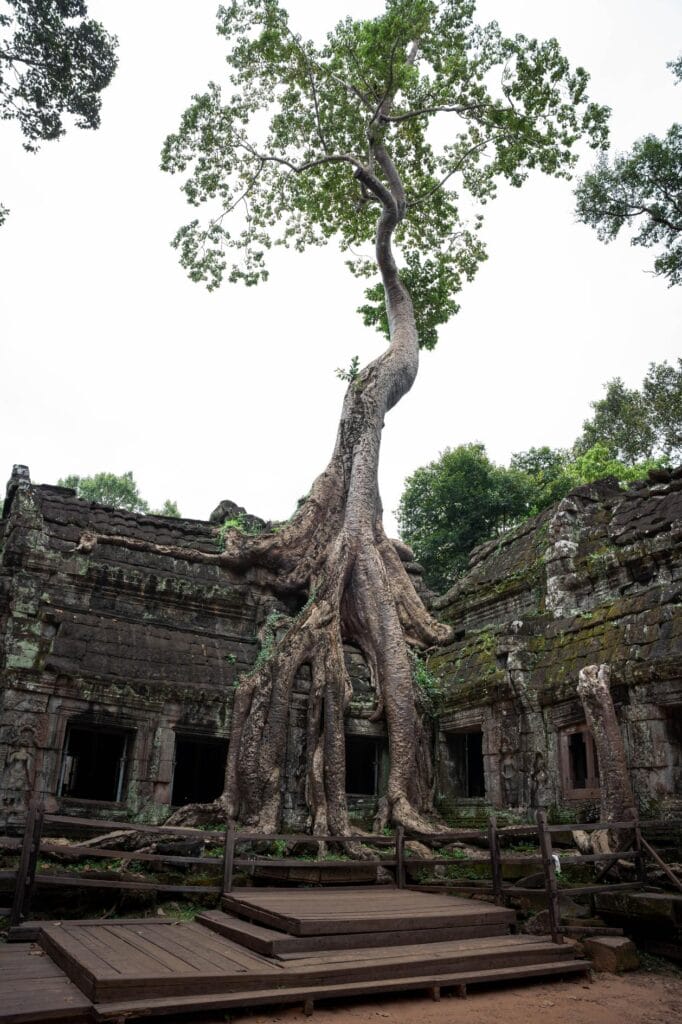
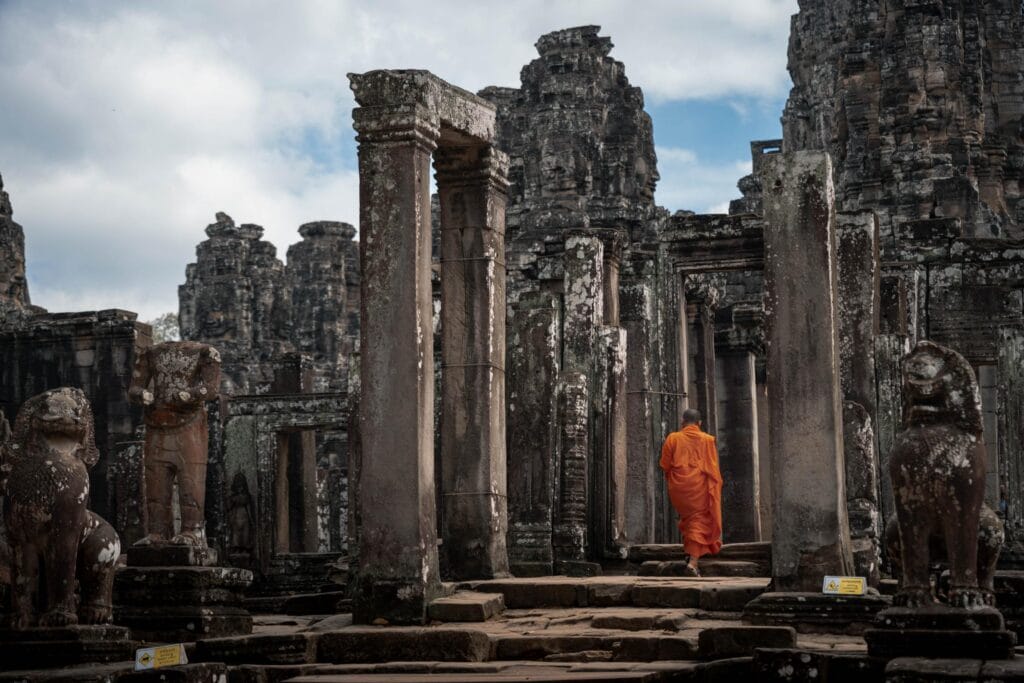
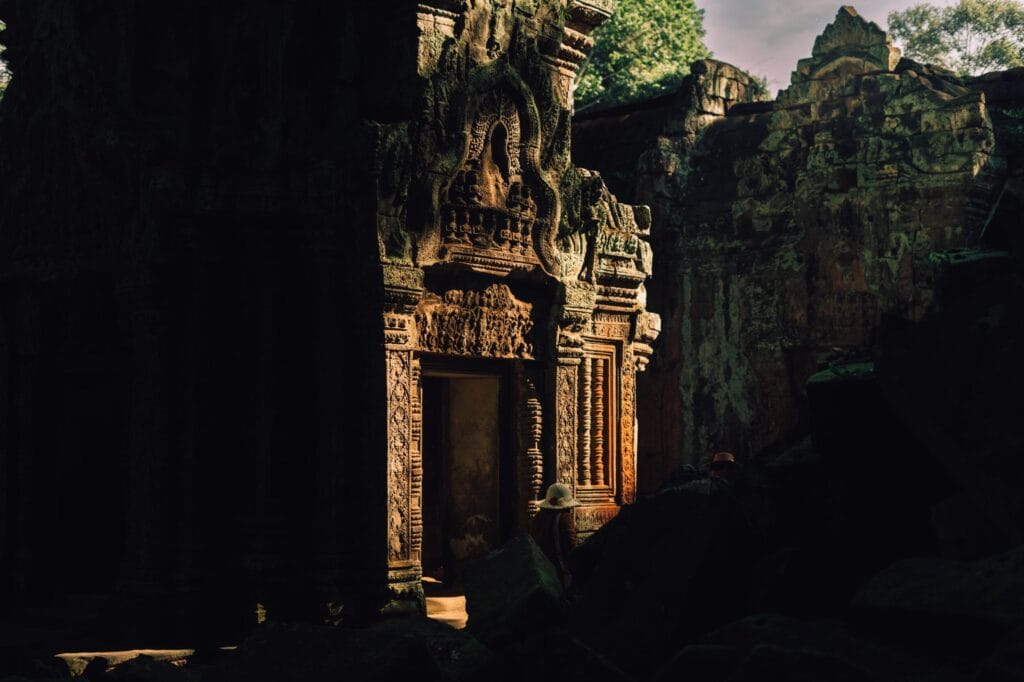
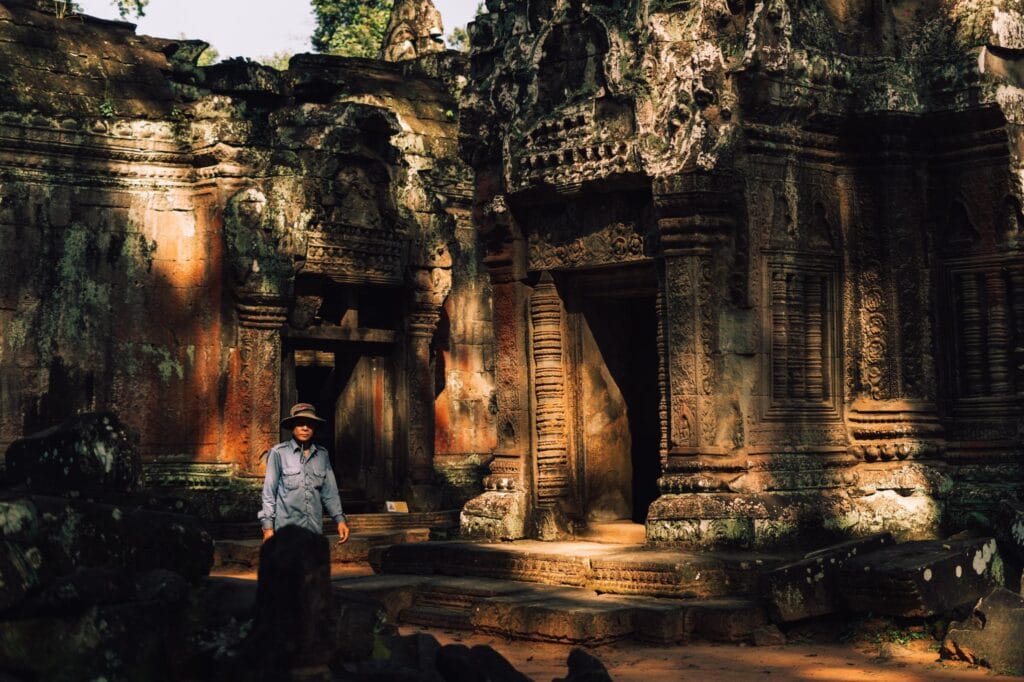
Deep within the ancient sanctuaries of Angkor, near Siem Reap in northern Cambodia, the noise of the outside world recedes. Sunlight slips through narrow doorways, illuminating sculpted figures softened by centuries of rain and wind. Tree roots curl around enormous blocks of sandstone, while birds call from somewhere beyond the walls. For all the ambition of the Khmer kings who built this place, it is often the quiet that catches you off guard.
Look closely and smaller details begin to compete with the grandeur: the delicate folds of a celestial dancer’s costume, painstakingly chiselled into rock; a faint smile on a figure high above a passageway; the thought that someone spent years creating details that visitors now hurry past.
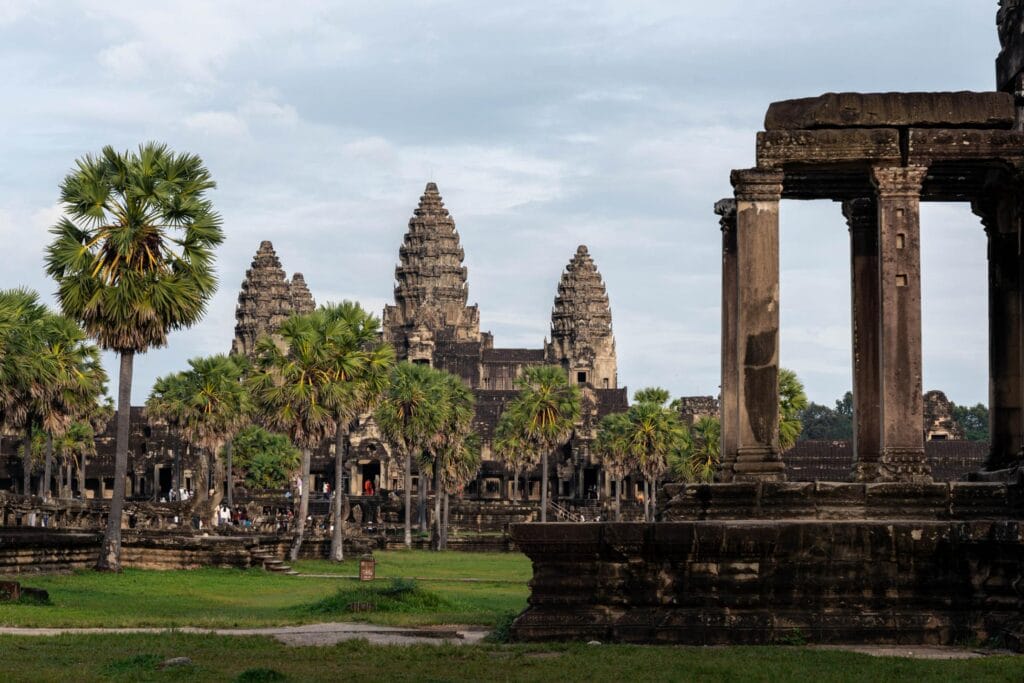
Arriving at Angkor Wat brings another shift in perspective. Five towers rise above a vast moat, the complex conceived as an earthly representation of the Hindu cosmos. Inside, hundreds of metres of bas-reliefs trace battles, royal processions and scenes from mythology. No photograph quite prepares you for the experience of walking alongside them, discovering a new story with every few steps.
It is tempting to keep moving, to photograph the next facade and reach the next monument. Angkor rewards the opposite: time to linger, look closely and imagine the lives that once filled these spaces.
Beyond Angkor Wat: The Khmer Empire’s Lost Cities
Angkor Wat is only one chapter in a much larger story. Spread across approximately 400 square kilometres, the UNESCO World Heritage-listed Angkor Archaeological Park preserves the remains of successive Khmer capitals dating from the ninth to the 15th centuries. At its height, this was one of the great urban centres of the medieval world, supported by an ingenious network of reservoirs and canals.
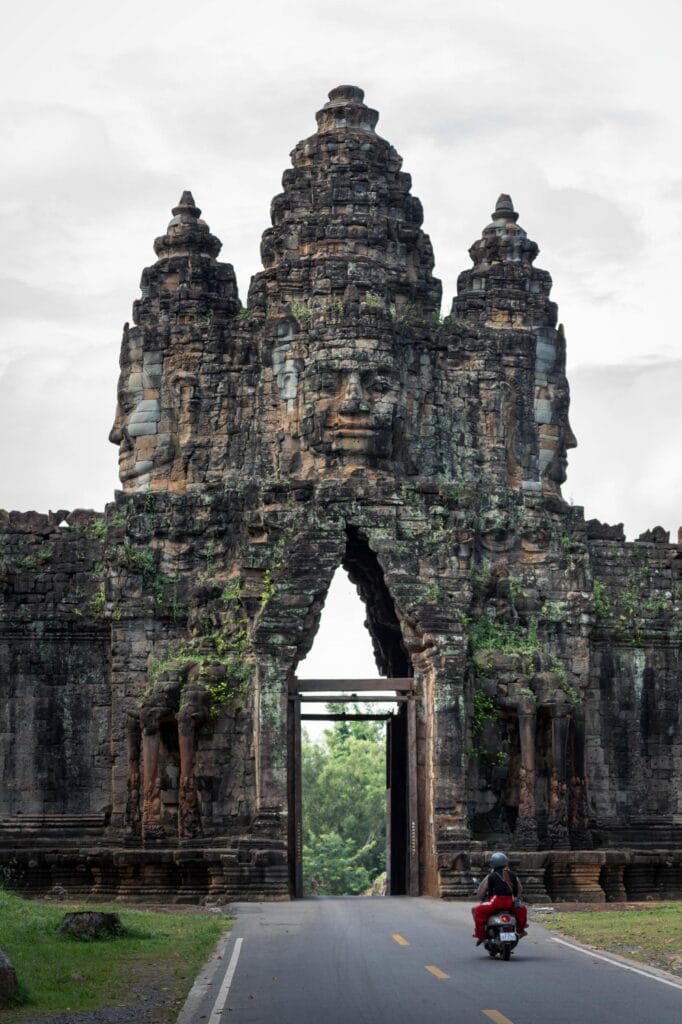
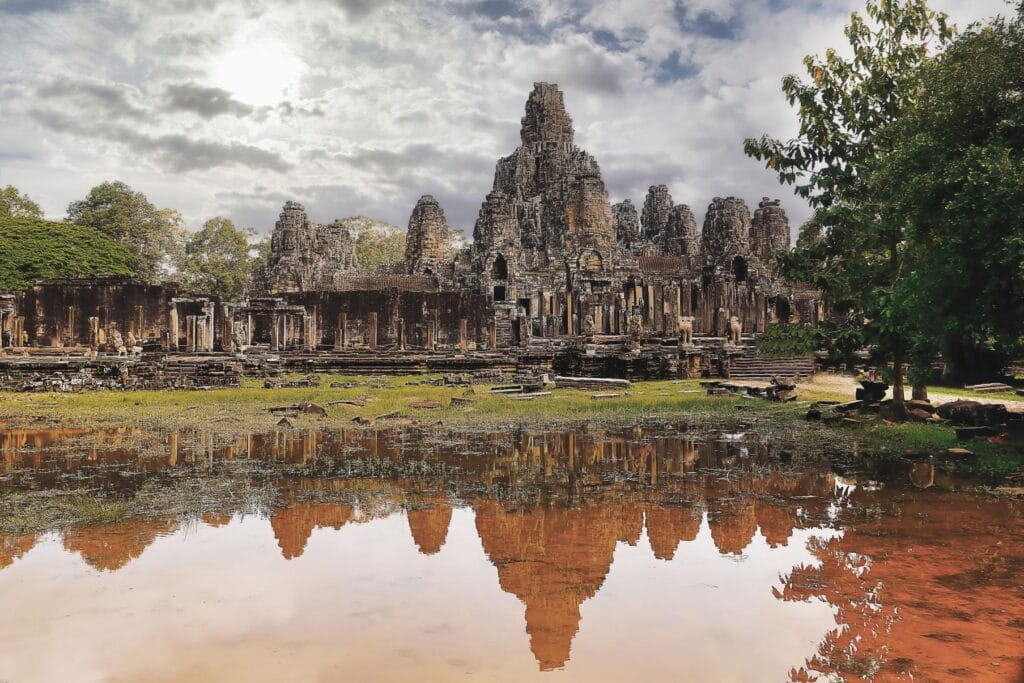
Enter Angkor Thom through its monumental gateways and the towers of Bayon come into view, their enigmatic expressions changing with the light. Established by King Jayavarman VII in the late 12th century, this royal city also preserves vivid glimpses of ordinary life. Among Bayon’s bas-reliefs, fishermen cast nets, merchants trade goods and families prepare meals. The familiarity of these scenes, recorded nearly eight centuries ago, is unexpectedly moving.
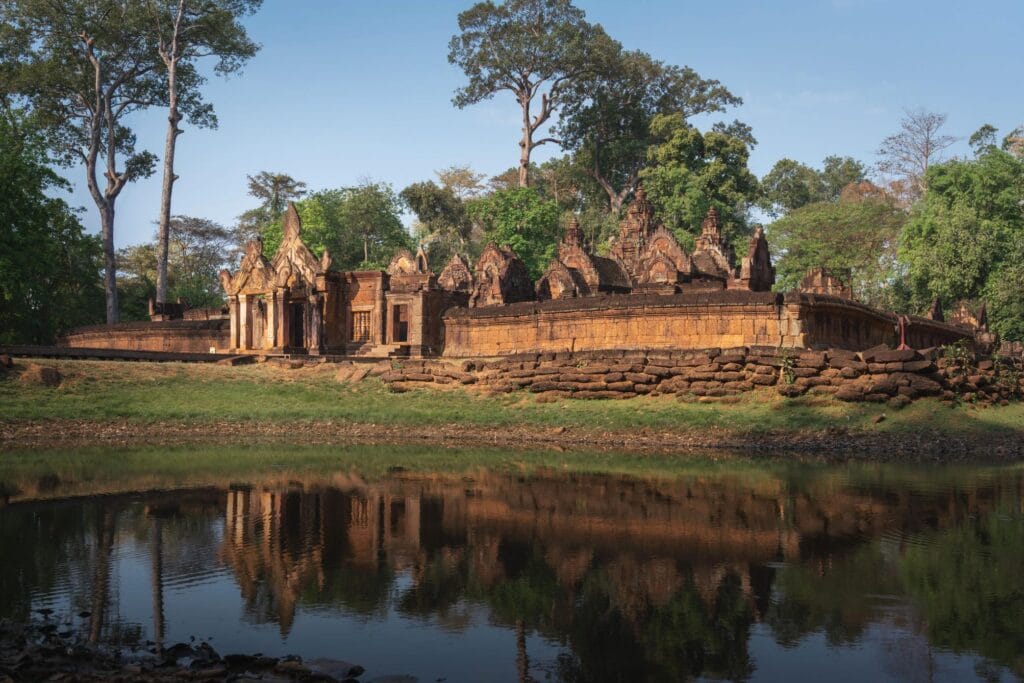
At Ta Prohm, enormous roots grip crumbling masonry, their trunks rising above roofs that have long since disappeared. Banteay Srei offers a different kind of wonder: a 10th-century sanctuary of pinkish sandstone, where floral patterns and mythological figures have been worked with an intricacy that seems almost impossible in such hard material.
The Art of Taking Your Time at Angkor
Another sanctuary is always waiting around the corner, another corridor opening onto a scene you had not expected. Some of the greatest pleasures come from abandoning the schedule: following a passage simply to see where it leads or returning when the afternoon light has shifted.
Consider the Churning of the Ocean of Milk at Angkor Wat, where gods and demons pull on a giant serpent in a struggle for immortality. Exploring with a private Khmer guide brings these narratives into focus, revealing the religious beliefs and royal ambitions behind the carvings – and the details you might otherwise walk straight past.
Allow at least three days, splitting visits between early mornings and late afternoons rather than attempting every monument in succession. November to February generally brings cooler walking conditions, while the wetter months replenish the reservoirs and turn the surrounding forest a deeper green.
Beyond the Temples: Siem Reap
Siem Reap deserves more than the hours left over after sightseeing. As the afternoon heat eases, restaurants fill, workshops hum with activity and the city’s contemporary creative life offers a lively counterpoint to Angkor’s ancient artistry. Stay a little longer and an entirely different Cambodia begins to emerge.
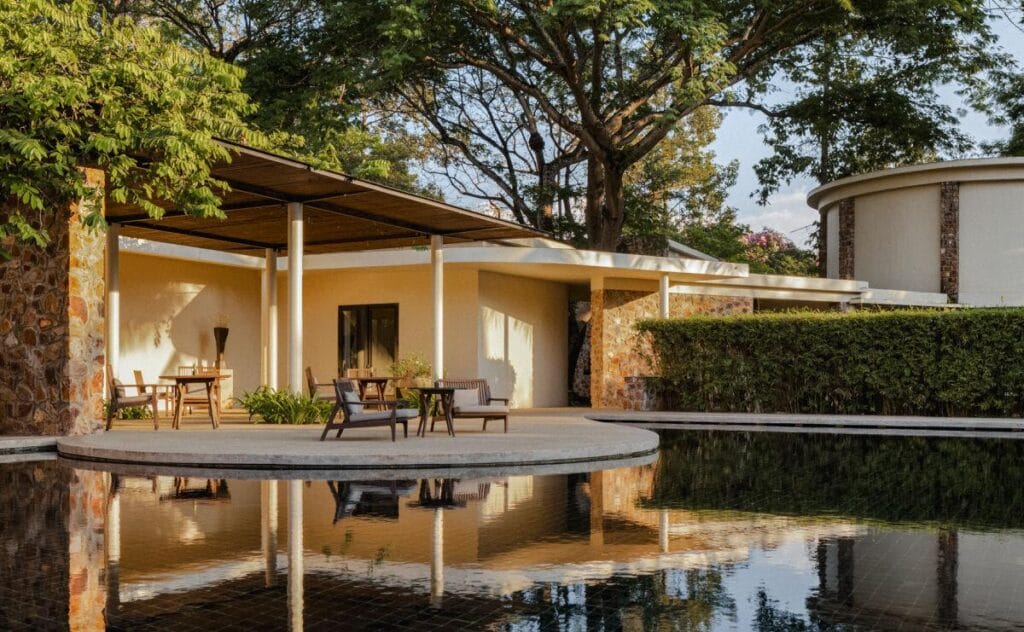
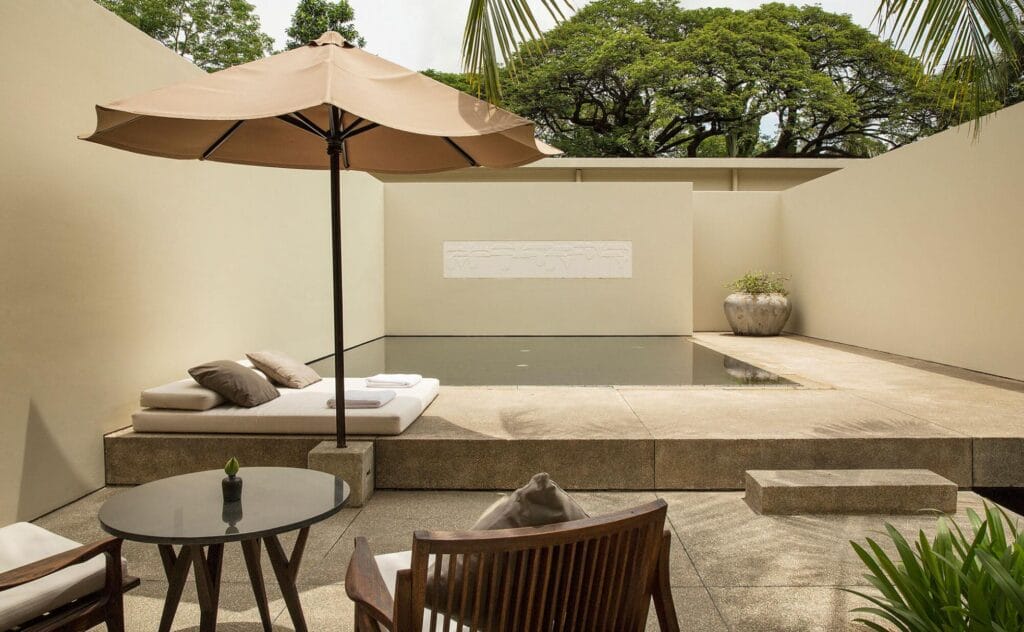
Siem Reap’s hotels offer their own encounters with Cambodian history and design. Built in 1962 as a guesthouse for King Norodom Sihanouk, Amansara pairs modernist architecture with shaded courtyards and understated elegance. Raffles Grand Hotel d’Angkor, which opened in 1932, retains its original timber lift and Art Deco detailing, while Park Hyatt Siem Reap combines Khmer-inspired interiors with a central location. At Shinta Mani Angkor, designer Bill Bensley’s playful aesthetic takes centre stage, with bold monochrome patterns, striking artworks and lush tropical gardens. The hotel’s connection to the Shinta Mani Foundation also offers guests an opportunity to learn about initiatives supporting local communities.
Cambodian cooking provides another reason to linger. Chef Joannès Rivière explores regional ingredients through seasonal tasting menus at Cuisine Wat Damnak, while Embassy Restaurant presents Khmer flavours in a contemporary multi-course format. For a more traditional approach, Malis serves dishes such as fish amok and slow-cooked beef saraman curry in a garden setting.
Watch silk threads pass through wooden looms at Artisans Angkor, where craftspeople also carve sculptures and produce lacquerware by hand. After dark, Phare, the Cambodian Circus, fills its big top with acrobatics, theatre and music, drawing on Cambodian stories and contemporary life. A day in the countryside offers yet another change of pace: palm-lined roads and rice fields lead to Tonle Sap Lake, where houses at Kampong Phluk stand high on stilts above a floodplain transformed by the seasonal rise and fall of the water.
Angkor may be the reason you first visit Cambodia, but it is only the beginning. From Siem Reap, the journey can unfold through rural villages, historic towns and landscapes that reveal other sides of the country, before reaching Phnom Penh’s galleries, restaurants and lively riverfront. Further south, fishing communities, forested islands and secluded coastal retreats invite you to trade temple corridors for days beside the sea.
Discover more about visiting Cambodia now.
Latest Articles
Don't miss the latest from Luxury Travel