
Partner Story
The long way through Cambodia: Angkor, Phnom Penh and the Islands
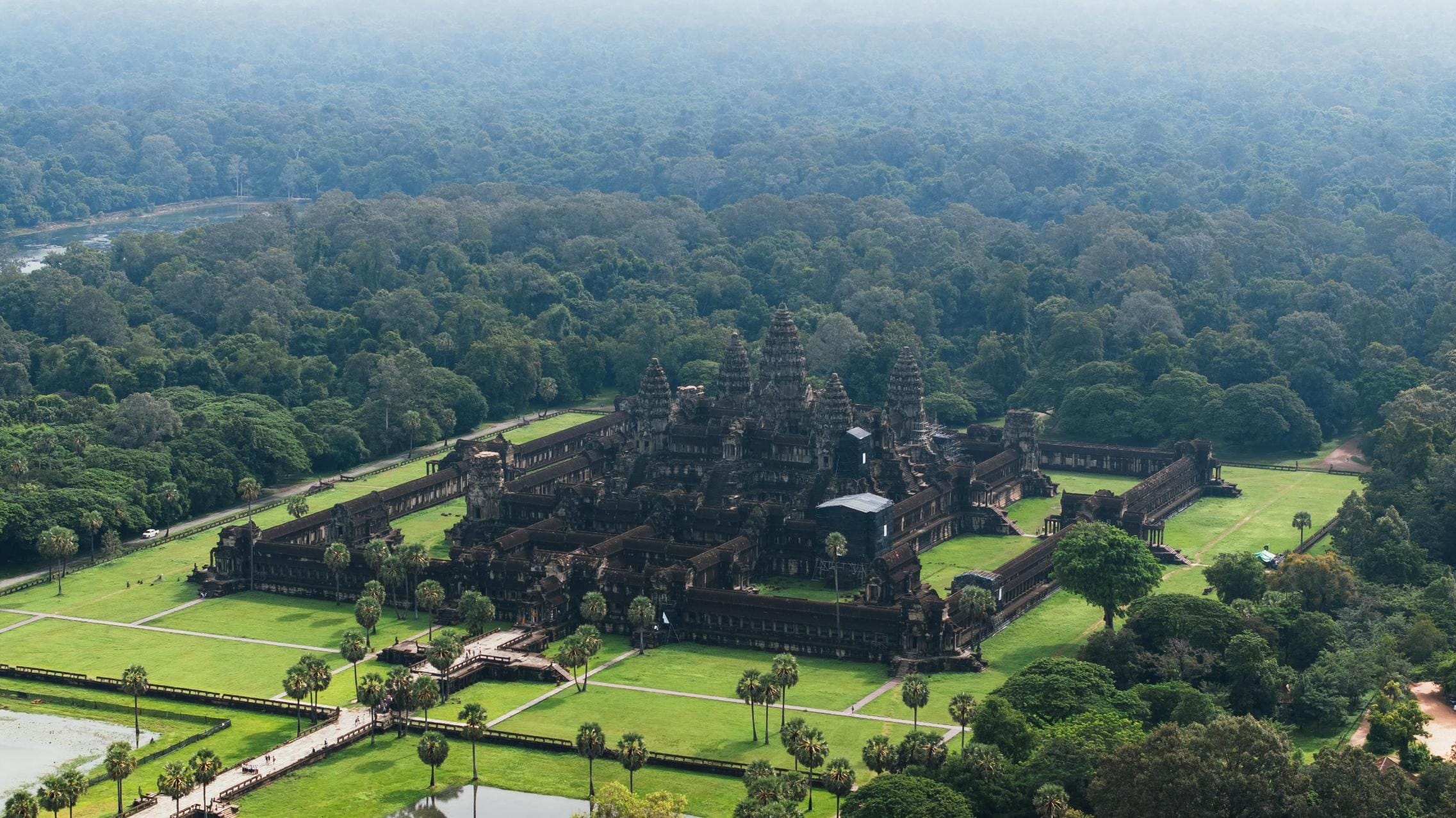
An aerial view of Angkor Wat, the largest religious monument in the world, located in Siem Reap, Cambodia
Angkor may be Cambodia’s great calling card but continue beyond its ancient stones and the country keeps changing: from Siem Reap’s creative pulse to Phnom Penh’s riverside energy and, finally, forested islands scattered along Cambodia’s southern coast. The reward is not simply seeing more of Cambodia, but seeing it differently
Why Angkor Wat deserves more than a sunrise
At Angkor, the numbers can be almost as arresting as the temples. Angkor Archaeological Park extends across some 400 square kilometres, encompassing not only Angkor Wat and the stone faces of Bayon but reservoirs, canals, roads and the remains of successive capitals of the Khmer Empire. This was an urban landscape on a scale that is difficult to grasp from a sunrise photograph. Which is one reason to resist treating it like one.
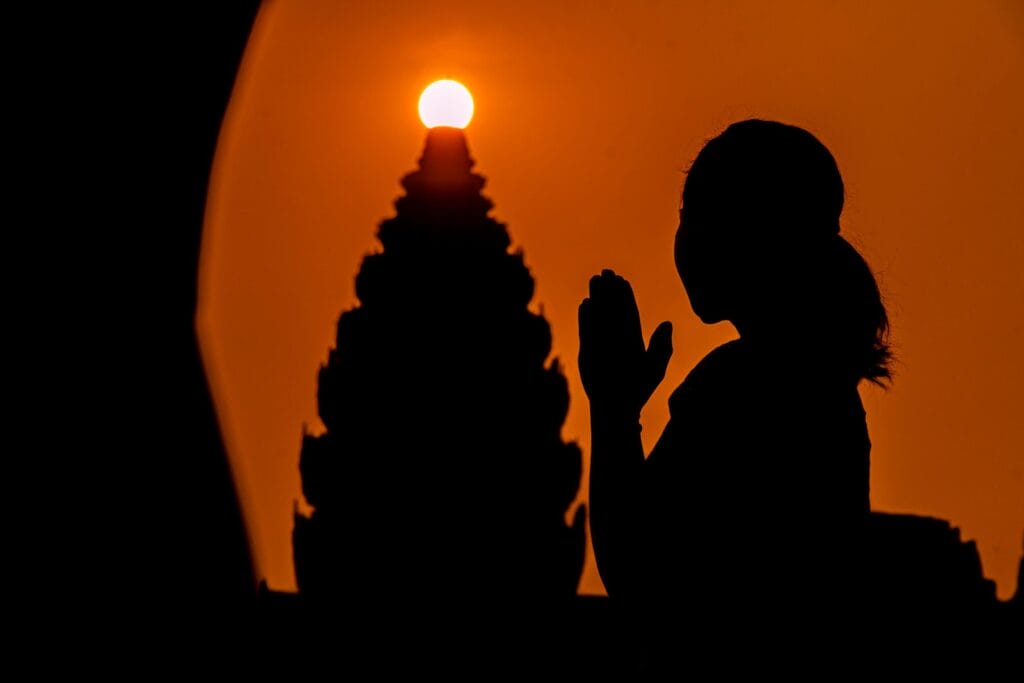
Three days allow the pace to soften: time to watch light move across Angkor Wat’s bas-reliefs rather than simply pass them; to linger beneath the enigmatic faces of Bayon; to venture beyond the monuments whose names appear on every Cambodia itinerary. The scale alone argues against haste, particularly once the tropical heat begins building through the day.
Just 10 minutes from Angkor Wat, Amansara makes an unusually appropriate base. The low-slung modernist retreat was built in the early 1960s by French architect Laurent Mondet as a guest villa for King Norodom Sihanouk and today has just 24 suites along with private remorques for exploring Siem Reap and the temples. The journey back from Angkor, away from the crowds and into its serene courtyards, provides its own change of pace.
What to do in Siem Reap beyond Angkor Wat
But there is a danger in giving Angkor all the oxygen. Siem Reap is increasingly interesting after the temple dust has been washed off – and spending an extra day here reveals a city whose creative culture is drawing on the past without being trapped by it.
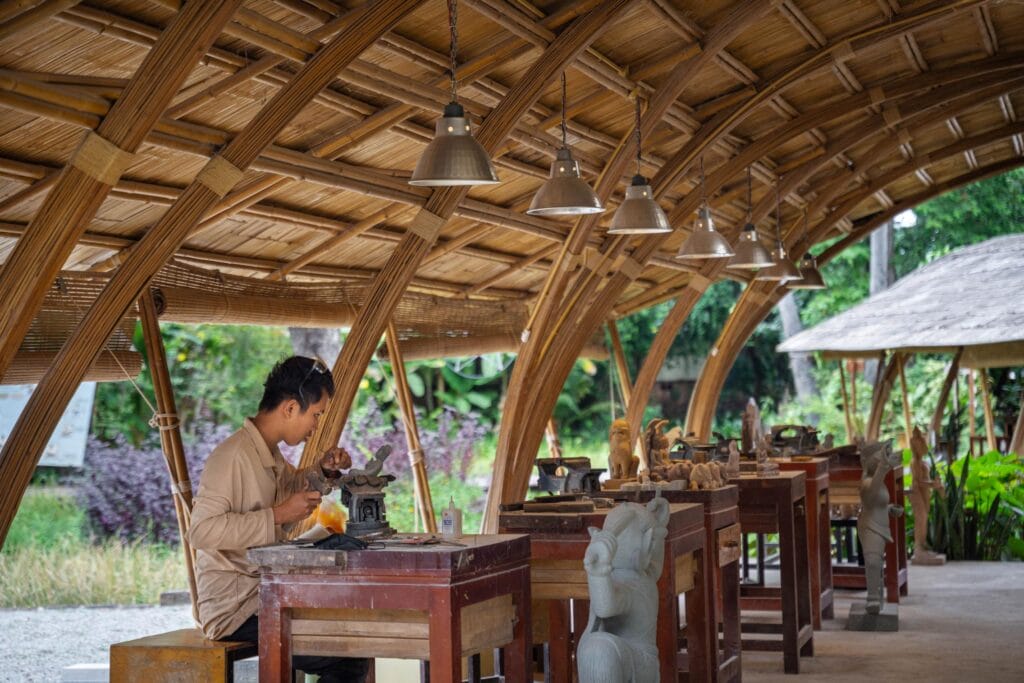
At Satcha, a Cambodian handicraft incubation centre, more than 50 artisans work across six workshops devoted to skills including stone and wood carving, weaving, rattan, silk, painting, lacquer and jewellery. Visitors can watch them at work, while the objects emerging from the studios combine traditional techniques with contemporary Cambodian design. Elsewhere, Theam’s Gallery is both the home and atelier of Cambodian artist Lim Muy Theam, with young artisans painting, sculpting and working with lacquer alongside his contemporary art.
The same conversation between inheritance and reinvention is happening in Siem Reap’s restaurants. On the edge of town, chef Sothea Seng’s Lum Orng works with seasonal produce from its own farm, local markets and growers across the region to create what he calls ‘New Mekong Cuisine’. At Embassy, chef Kimsan Pol takes another approach, building changing multi-course menus around Cambodian ingredients and modern interpretations of Khmer dishes. A recent menu moved from Sihanoukville grouper and sea grapes to jambolan plum wine and Kulen gin before finishing with num plae ai, a traditional rice-flour sweet, recast with chocolate and fermented pepper.
Suddenly another afternoon – and another dinner – in Siem Reap seems considerably more compelling than another ruin. And then there is the road south.
Discovering the new and old of Phnom Penh
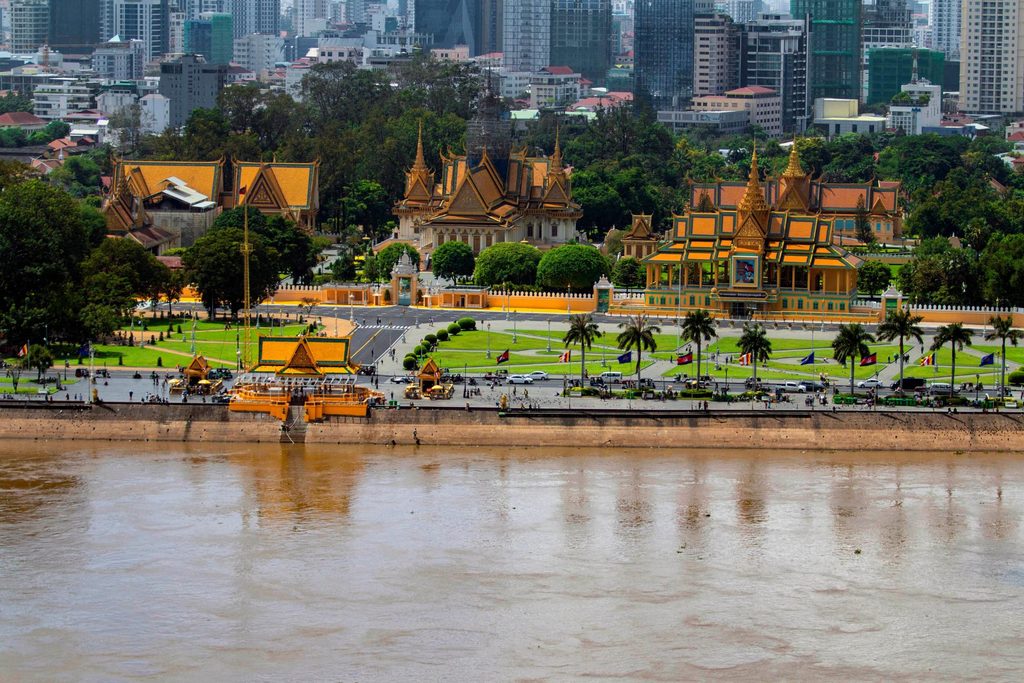
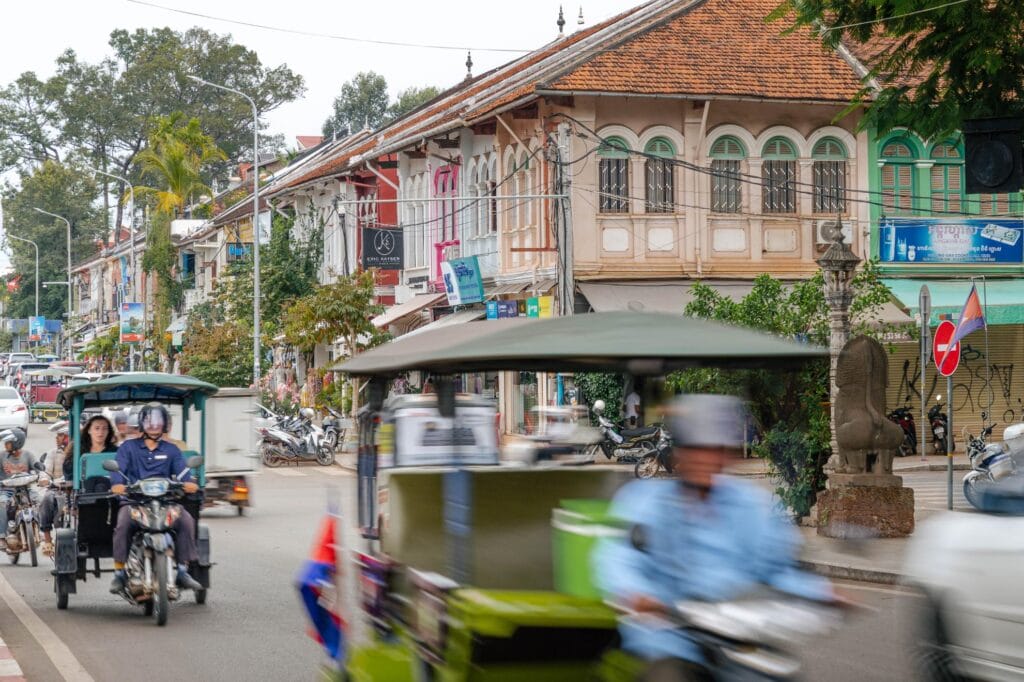
Phnom Penh changes the tempo immediately. Cambodia’s capital gathers around the confluence of the Mekong, Tonle Sap and Bassac rivers, its low-rise neighbourhoods and temple roofs now sharing the skyline with contemporary towers. At street level, French-era buildings sit alongside galleries, cafés and restaurants, while Cambodian artists, designers and entrepreneurs are helping shape the city’s next chapter.
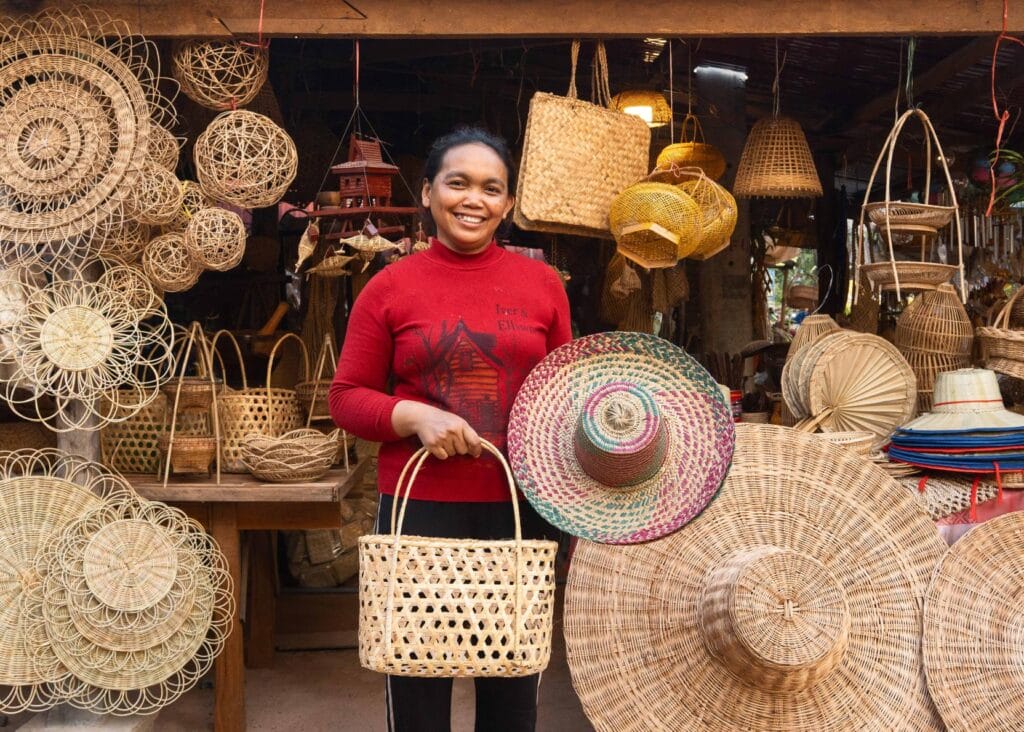
Order a Tnaot Latte sweetened with Cambodian palm sugar at homegrown Brown Coffee, then explore leafy Street 240, where independent boutiques stock locally designed fashion, contemporary jewellery and vintage maps and photographs of old Indochina. Central Market’s enormous yellow Art Deco dome rises above jewellery counters, fabric merchants and food stalls. Gold glints behind glass, blue swimmer crabs are arranged on ice and bowls of fragrant kuy teav, Cambodia’s noodle soup, emerge from steaming pots. Russian Market has its own character, its narrow aisles lined with colourful textiles, ceramics and carved stone statues alongside electronics and scooter parts.
At Malis, Cambodia’s culinary heritage is celebrated in dishes such as fish amok, goby fillets marinated in lemongrass curry paste and steamed in banana-leaf baskets, and prahok ktis prawns served with coconut milk, fresh vegetables and crisp rice crackers. The country’s distinctive ingredients are finding their way into cocktails, too. In Bassac Lane, Uniga’s wonderfully named Oun Saat Avey Mles (You Are So Beautiful) mixes whisky, honey, lime and ginger with an extract of prahok, while nearby White Rabbit takes its cues from Alice in Wonderland, right down to a cocktail menu that requires a magnifying glass to read. Over at Lanka Lane, a cluster of intimate bars and restaurants has transformed a narrow residential laneway into one of the capital’s liveliest after-dark addresses.
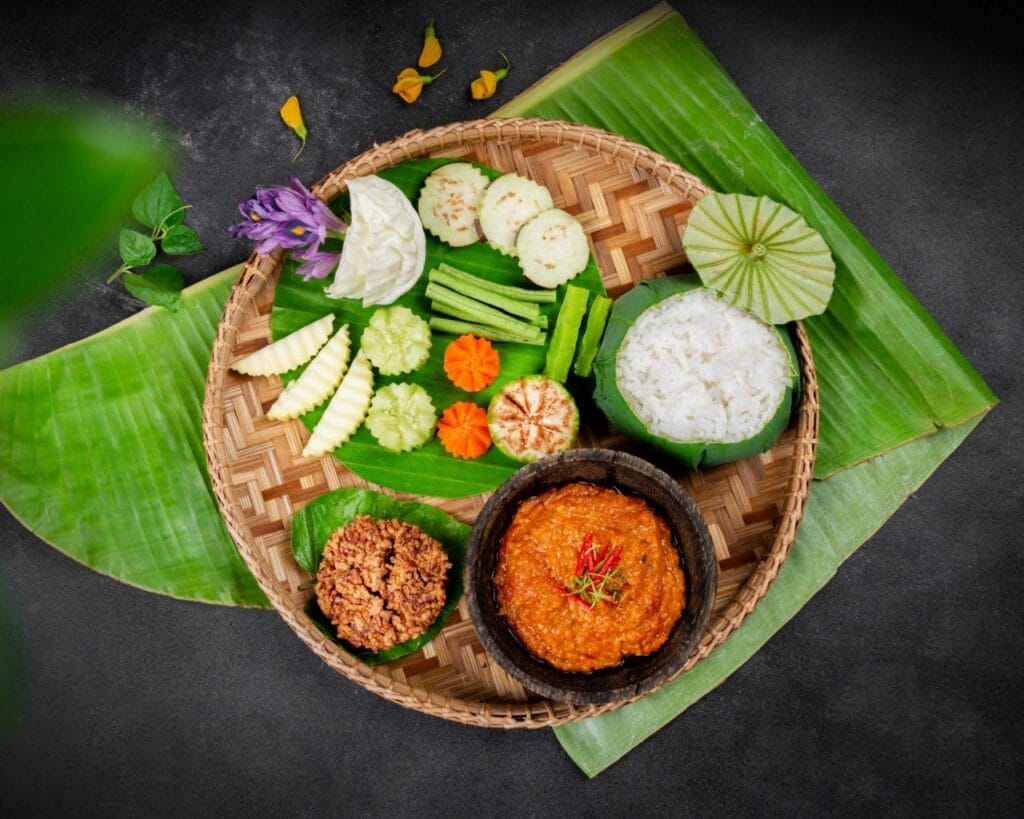
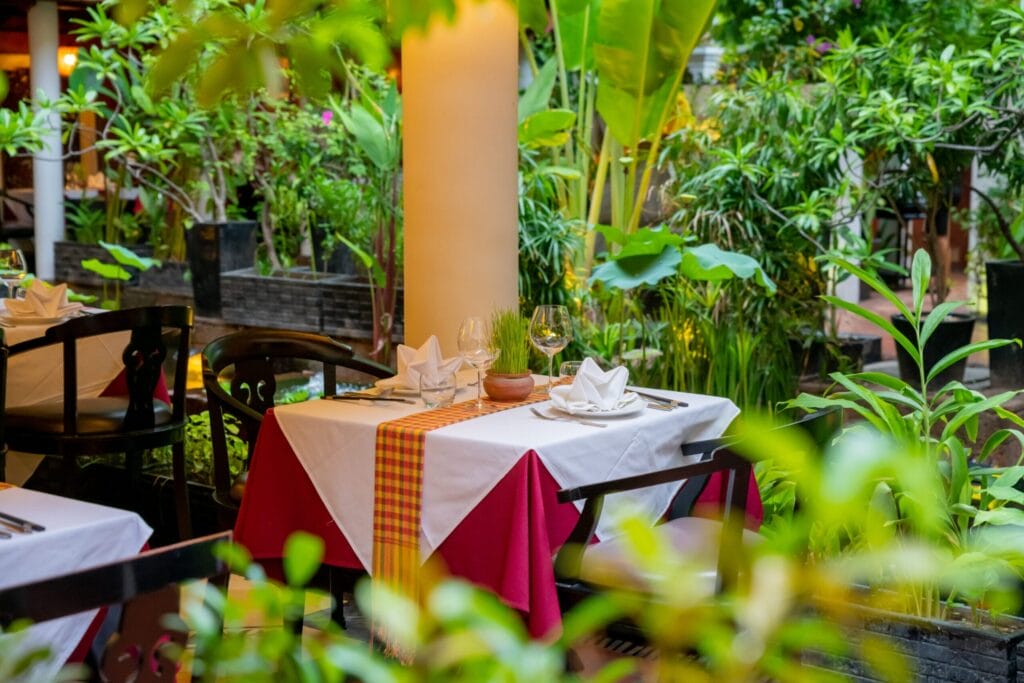
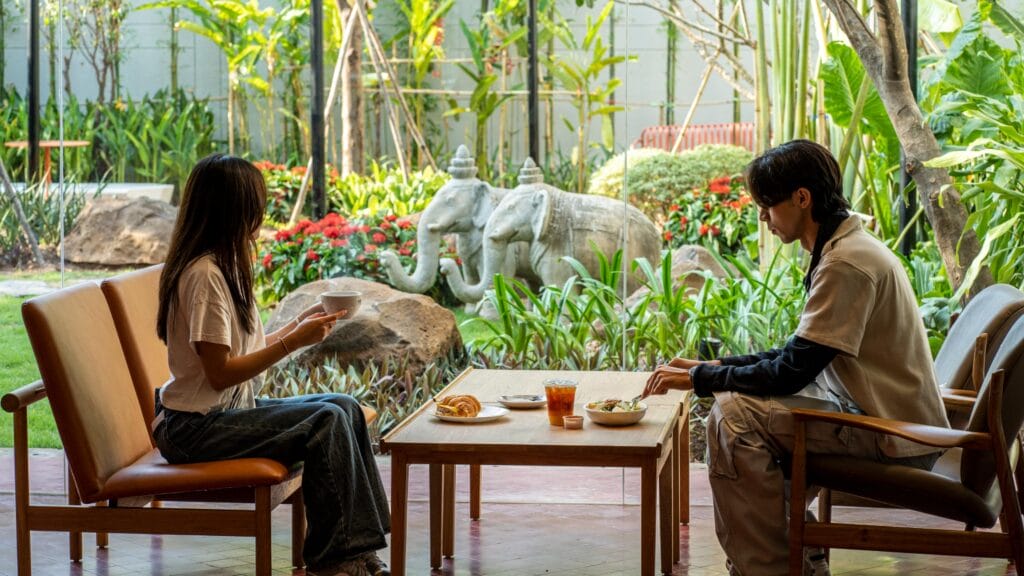
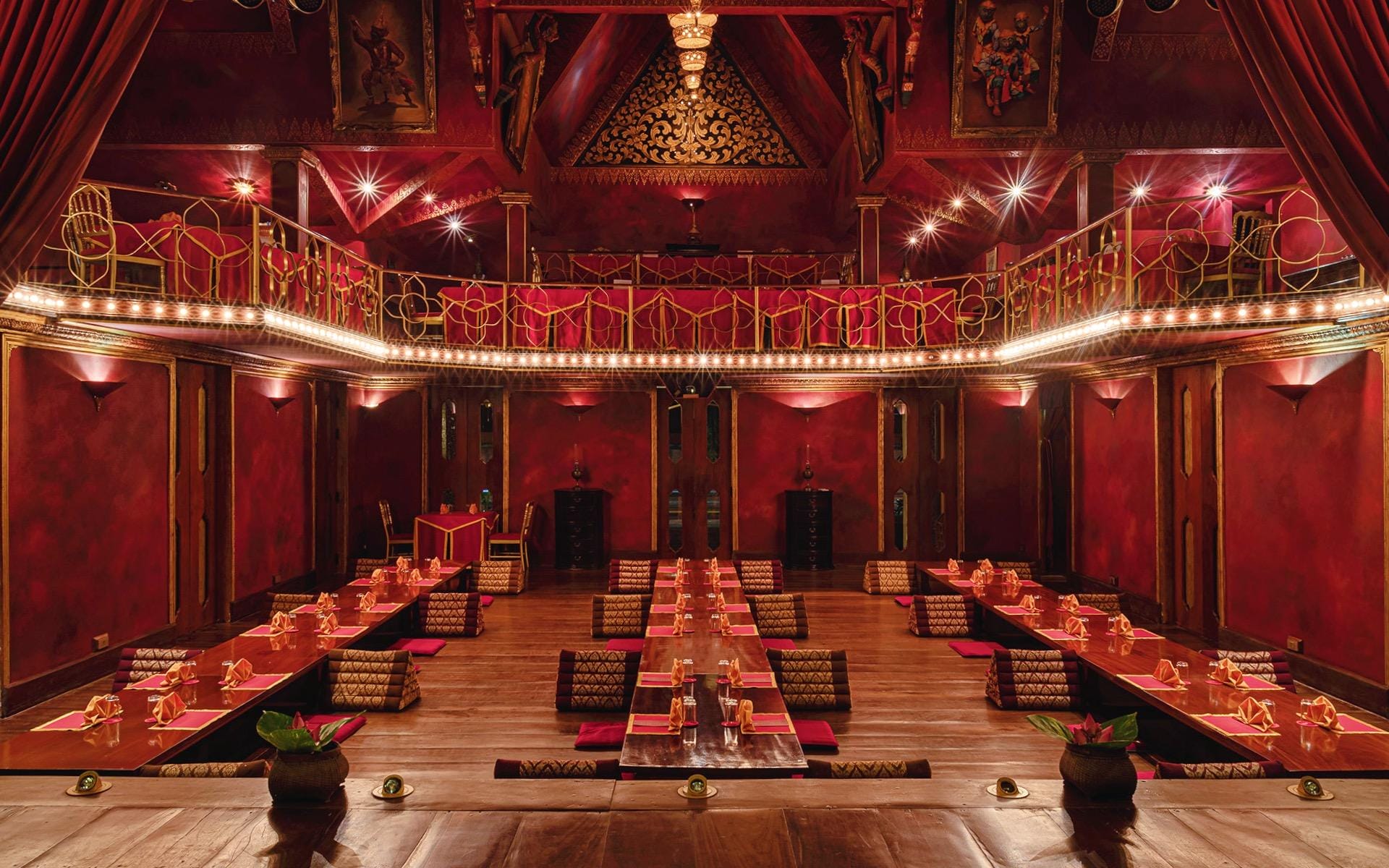
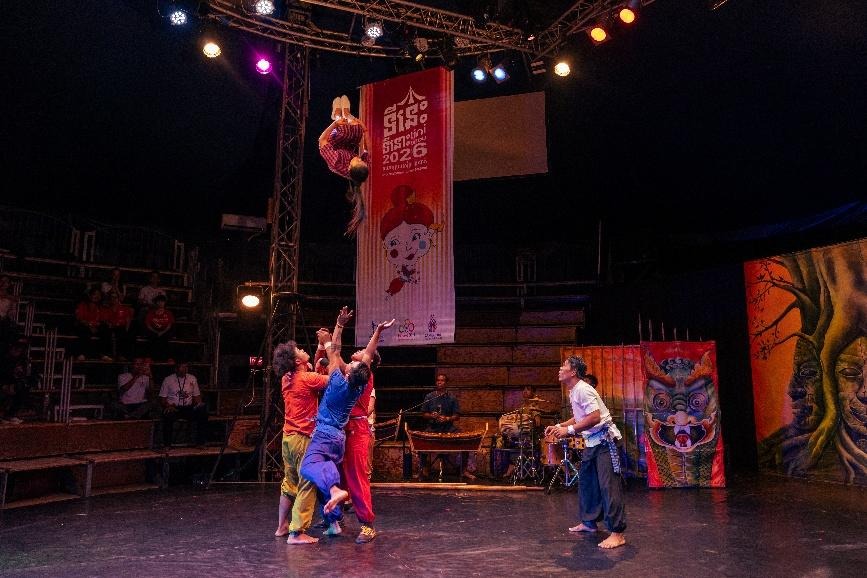
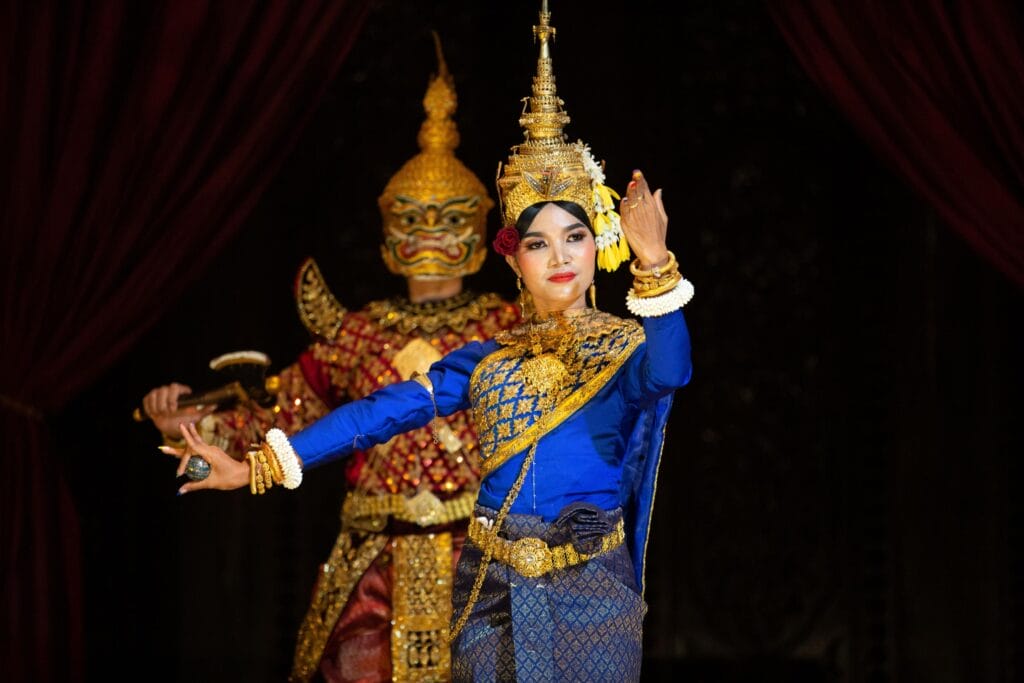
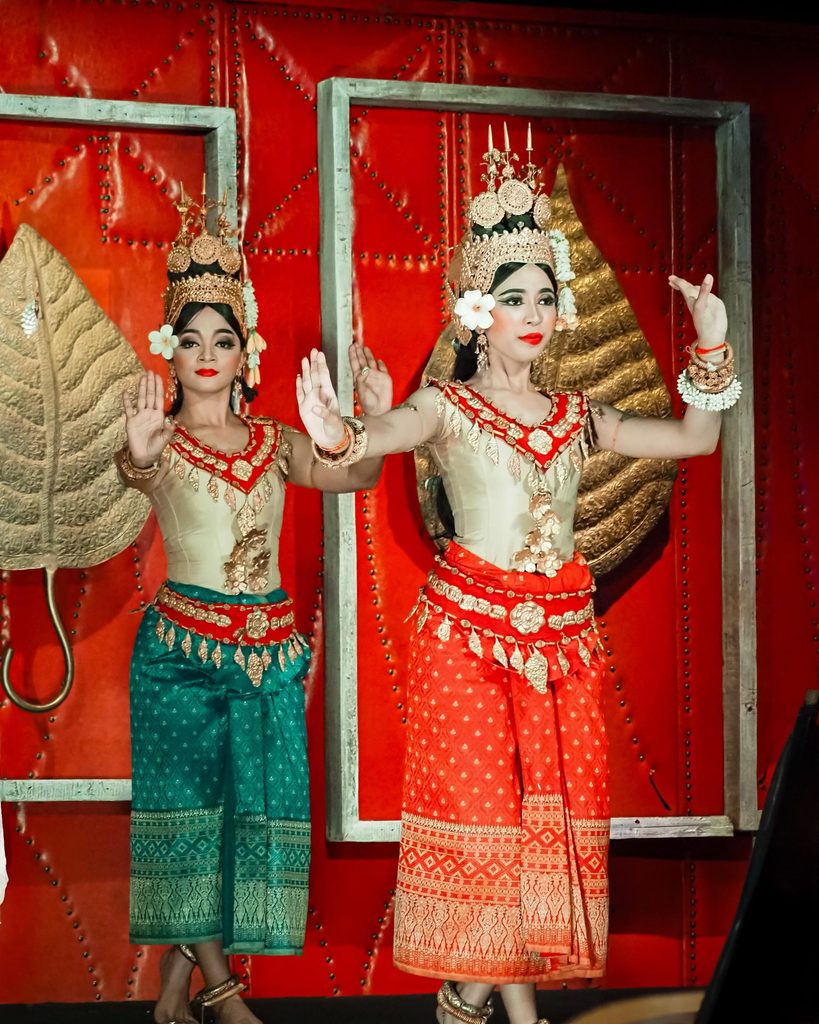
Cambodia’s past is written into the capital’s architecture and cultural institutions. The Royal Palace and Silver Pagoda preserve the traditions of the monarchy, while the National Museum houses an exceptional collection of Khmer sculpture, including works from the Angkor period. At the SOSORO Museum, banknotes, coins and interactive exhibits trace the country’s economic fortunes. The hilltop stupas of Oudong, once the seat of Cambodia’s kings, are an easy day trip from Phnom Penh. Meanwhile, Cambodian Living Arts supports artists and performers carrying the country’s cultural traditions into the present.
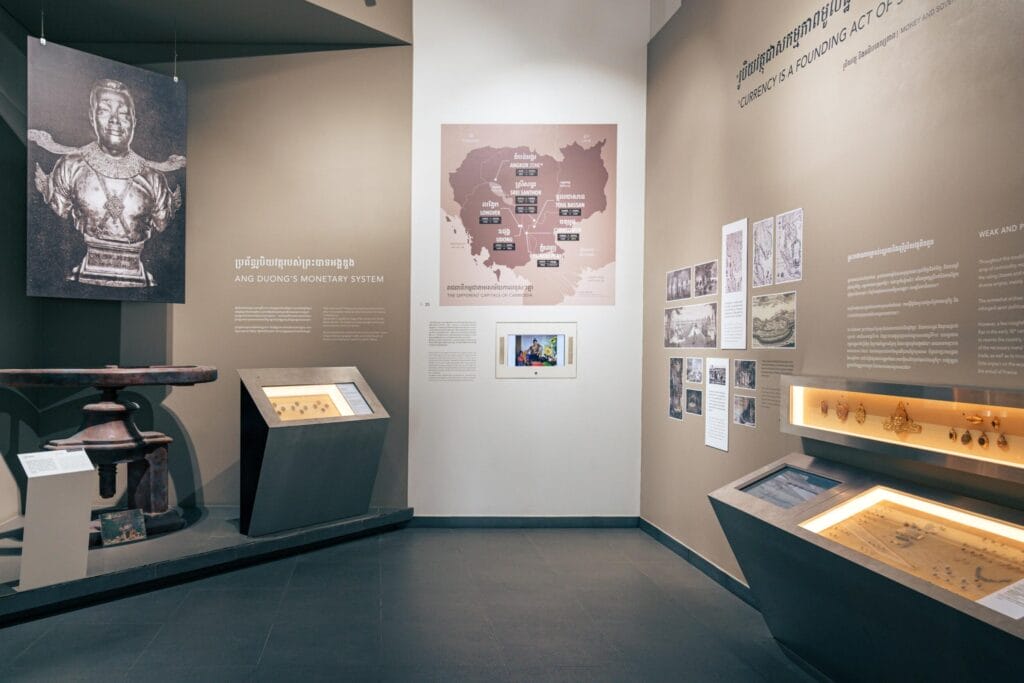
There are more difficult chapters to explore. The Tuol Sleng Genocide Museum, housed in the former S-21 prison, and Choeung Ek confront the brutality of the Khmer Rouge years. Both deserve time and reflection, without allowing that period to define everything visitors discover about Cambodia today.
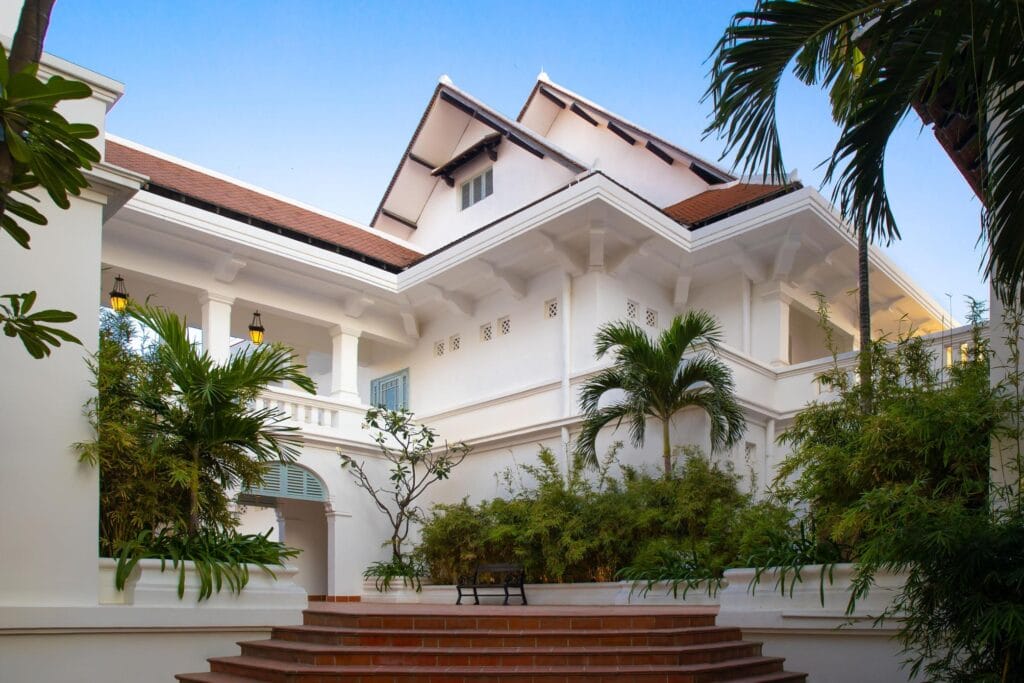
Phnom Penh’s grand hotels tell their own stories about the city’s evolution. When Raffles Hotel Le Royal opened in 1929, it was the tallest building in the capital. Jacqueline Kennedy stayed here during her 1967 visit to Cambodia, and the Elephant Bar still serves the Femme Fatale cocktail created in her honour. Almost a century later, Rosewood Phnom Penh occupies the top 14 floors of the 188-metre Vattanac Capital, a skyscraper whose silhouette draws on the form of a rising dragon. Its views take in the waterways that have shaped Phnom Penh for centuries.
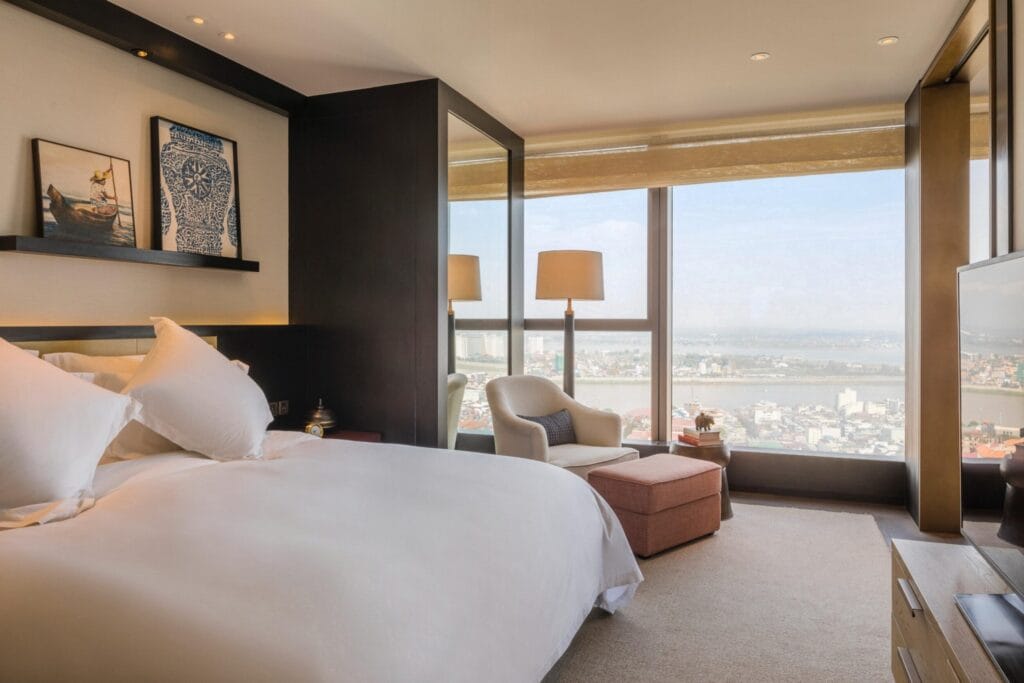
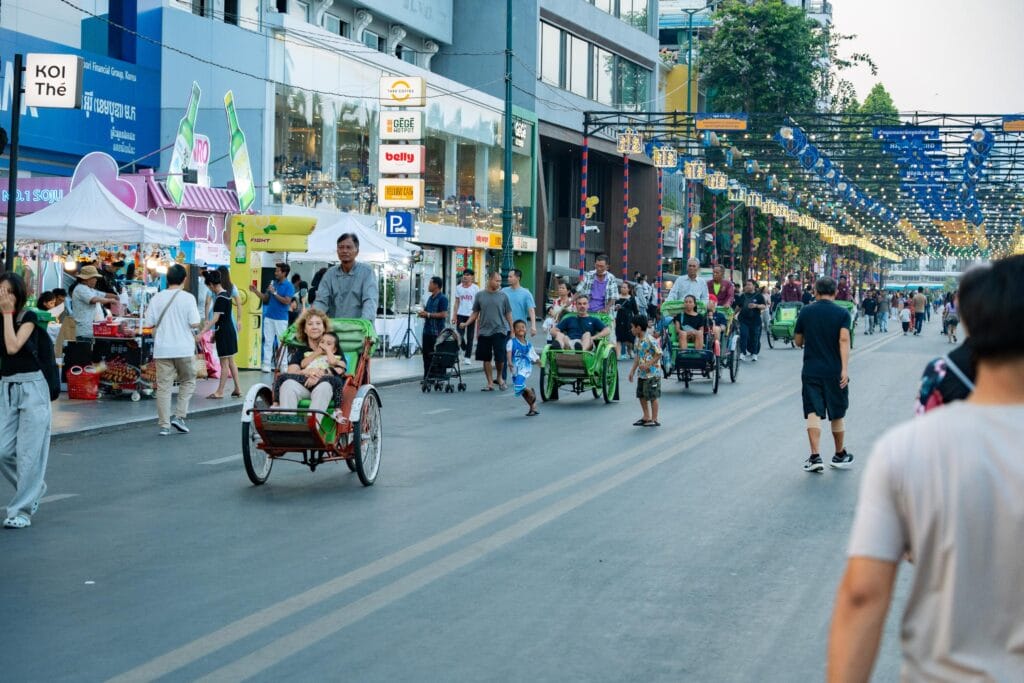
Those rivers are worth exploring beyond the hotel windows. A sunset cruise along the Mekong takes in the capital’s changing skyline, while Koh Dach, known as Silk Island, is a short journey from the centre. Cycling routes connect traditional weaving workshops, villages and farmland, with the rhythms of life here quite different from those across the water. Back in Phnom Penh, weekend crowds gather along Chaktomuk Walkstreet for street food and entertainment, while the waterfront at Koh Norea has become another popular place for an evening stroll.
Cambodia’s southern islands
Follow the road south from Phnom Penh to Cambodia’s southern coast, where forested islands lie scattered across the water and the journey changes register again. The Phnom Penh–Sihanoukville Expressway has made the transition relatively easy – allow around three hours by private car – before wheels finally give way to water.
In the Koh Rong Archipelago, Song Saa Private Island occupies two tiny islets joined by a footbridge. Its 24 villas include overwater hideaways built using reclaimed timber, while conservation work that grew alongside the resort contributed to the establishment of Cambodia’s first marine protected area. Turtles can sometimes be spotted in the clear water between the two islands; boats head out into the archipelago and reefs replace ruins.
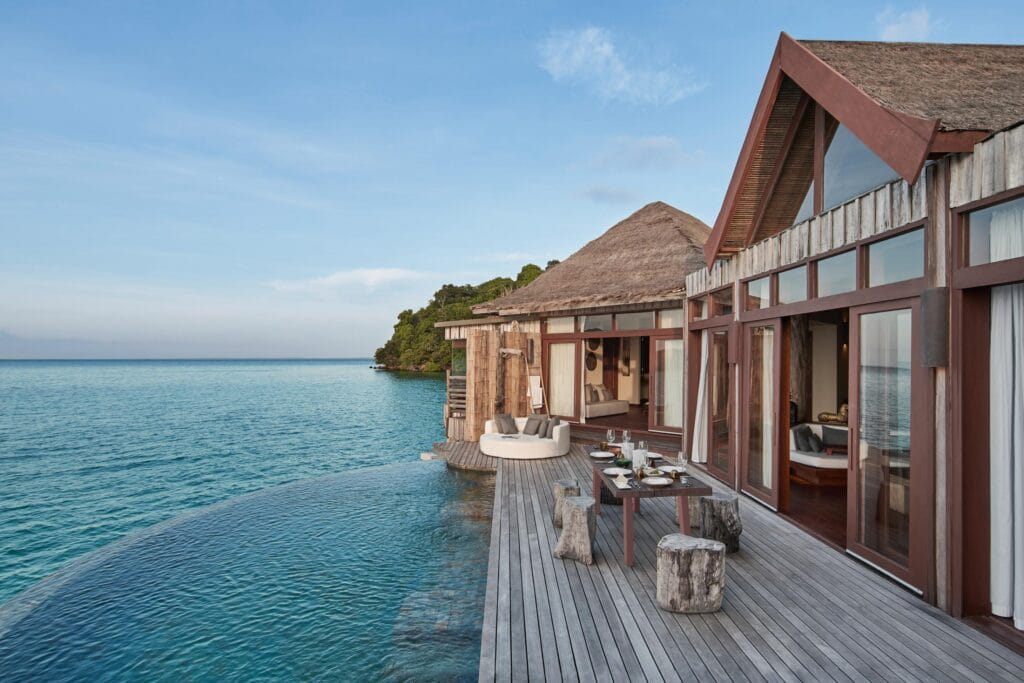
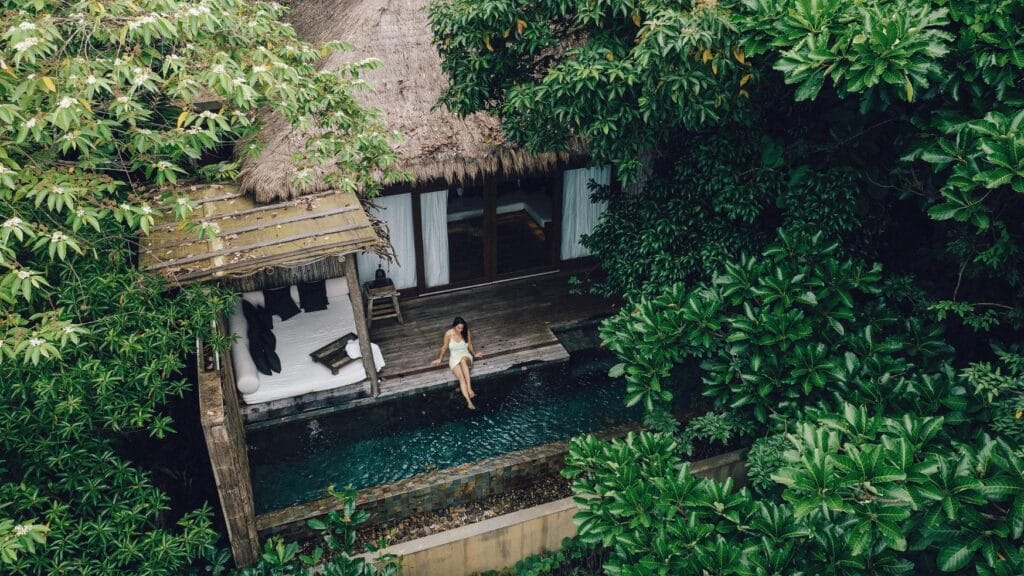
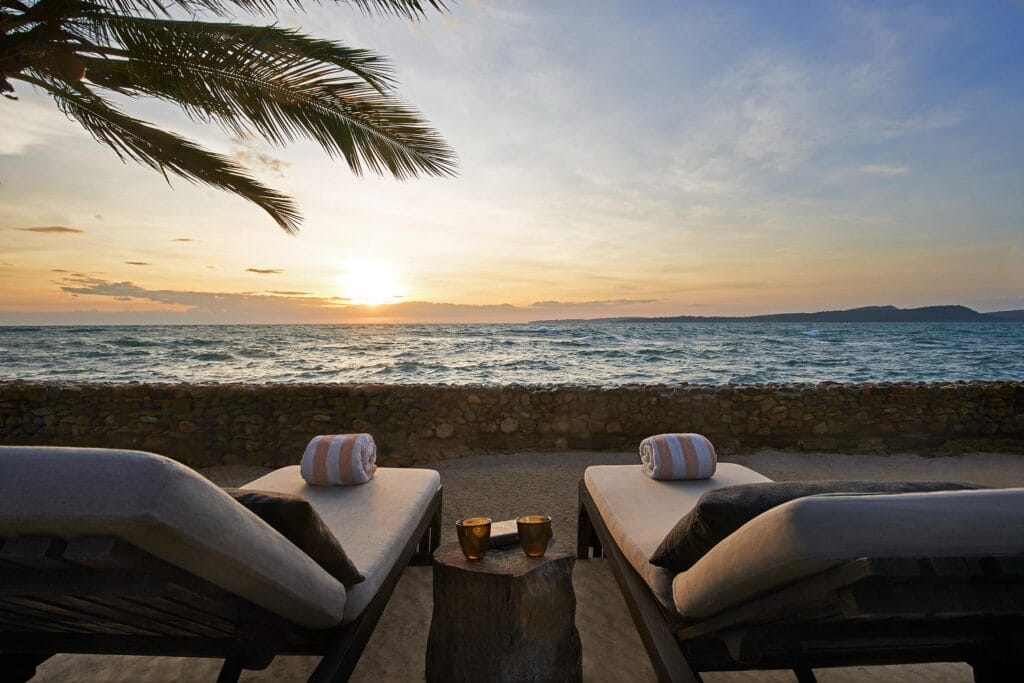
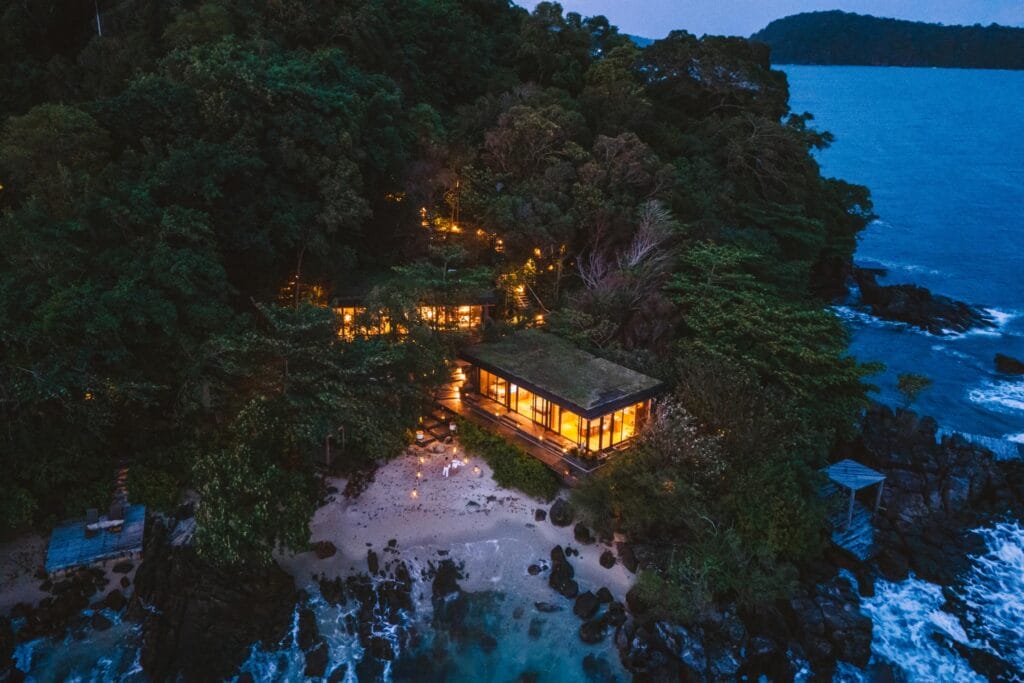
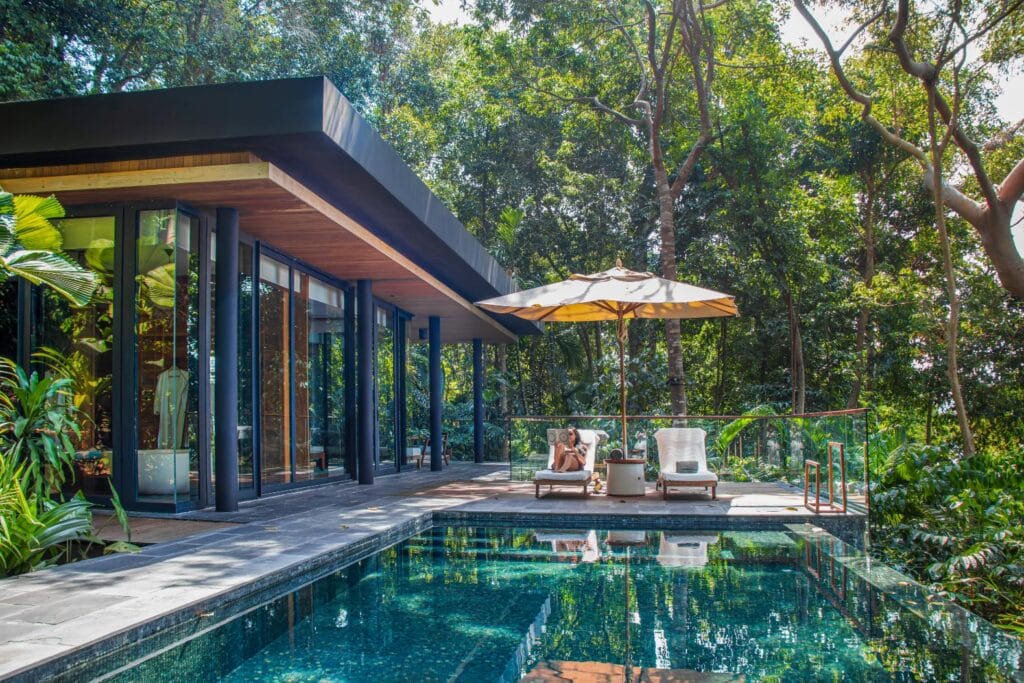
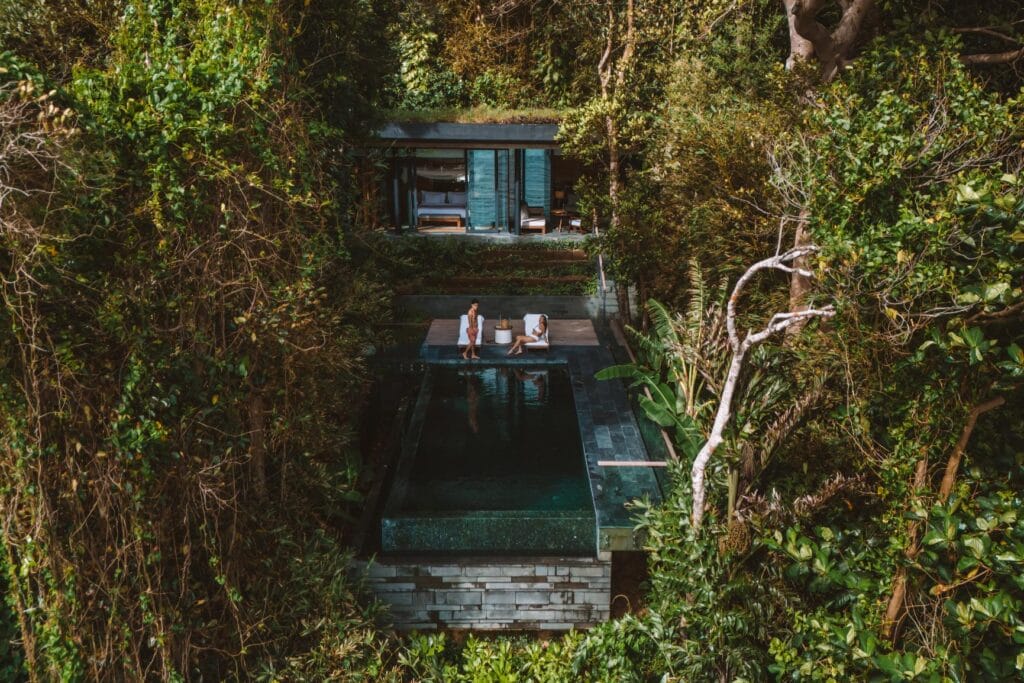
Further along Cambodia’s southern coast, Six Senses Krabey Island disappears into 12 hectares of tropical vegetation, its 40 pool villas spread beneath the canopy. Here, the most elaborate structure is devoted not to sightseeing but slowing down: a 2,000-square-metre spa with Khmer-inspired treatments, meditation spaces and a rooftop yoga pavilion. Kayaking and boat trips provide reasons to leave the villa, while boardwalks disappear through the trees. But by now, doing less feels like part of the point.
How many days do you need in Cambodia?
A week can trace this Cambodia itinerary, but allowing longer changes its character. Three days around Angkor and Siem Reap gives the temples room to breathe and leaves time for the contemporary city around them. Two or three nights in Phnom Penh allows its food, art, architecture and history to sit alongside one another rather than compete for a hurried day. Then there is the coast, where an extra night is perhaps most valuable precisely because nothing needs to fill it.
That is the argument for taking the long way through Cambodia. Angkor Wat may provide the reason to book a ticket, but it needn’t dictate the shape of the trip. Continue south and the monumental gives way to the contemporary, the urban to the elemental, stone corridors eventually to open water.
None is a detour from the Cambodia travellers came to see. Together, they are the journey.
How to plan a Cambodia itinerary
Getting there: Singapore Airlines connects Sydney and Melbourne with Cambodia via Singapore, while Cathay Pacific flies to Phnom Penh via Hong Kong.
Getting around: Allow a one-hour flight or five hours by private car from Siem Reap to Phnom Penh. From the capital, allow around three hours by road to Cambodia’s southern coast via the Phnom Penh–Sihanoukville Expressway. Song Saa Private Island is a further 45 minutes by speedboat from Sihanoukville; Six Senses Krabey Island is a 15-minute crossing from its mainland jetty.
When to go: Cambodia changes character through the year. January to March brings cooler, drier weather, while April to June is warmer and well suited to coastal escapes. July to September turns the landscape lush and green, with regular showers, before cooler, drier conditions return from October to December alongside a lively calendar of festivals and events.
To plan your Cambodia trip now, visit ctb.gov.kh
Latest Articles
Don't miss the latest from Luxury Travel