
Partner Story
Table + Terroir: A Culinary Journey Through Korea
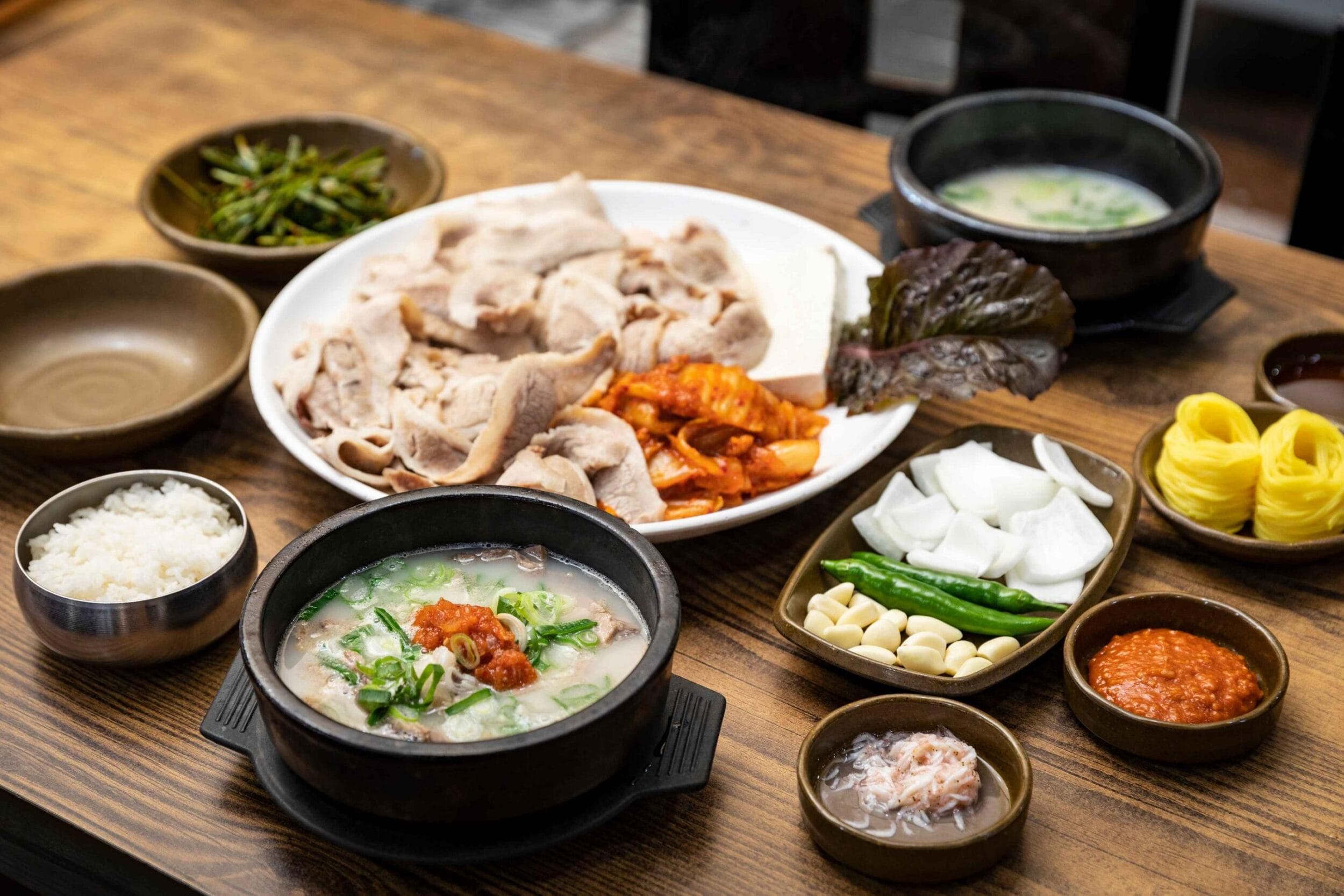
Pork and Rice Soup
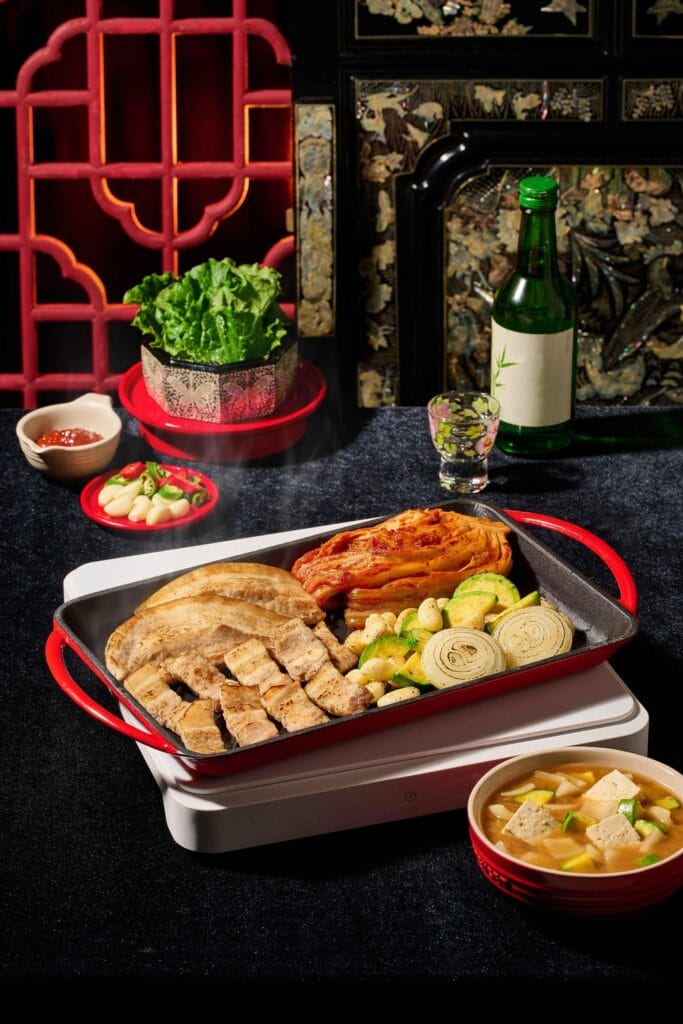
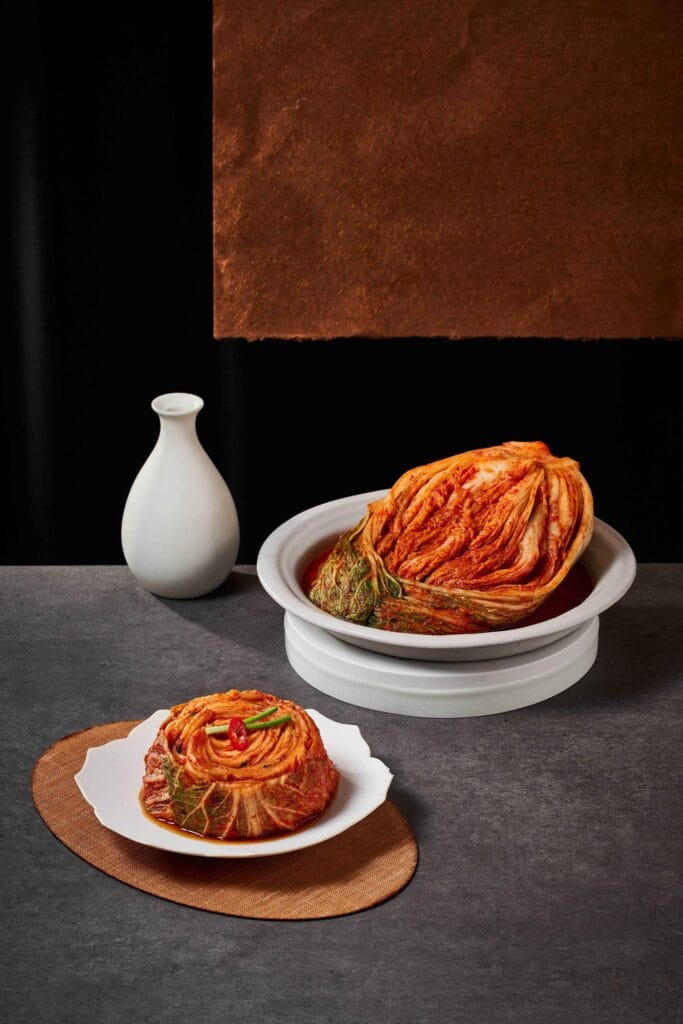
Aside from your passport, what’s arguably the most important thing to bring to Korea? An appetite. This is a country that rewards being hungry. Korean barbecue and kimchi are fantastic and rightly famous, but a much more varied food culture awaits the curious, shaped by centuries of fermentation, seasonality and regional specialities from the busy markets of Seoul to the seafood-rich waters of Busan and Jeju’s volcanic landscapes.
A humble bowl of noodles at a market stall can tell you just as much as a tasting menu in a fine dining restaurant, so this trip built around three destinations celebrates Korea’s food culture in all its glorious diversity.
Seoul: Tradition meets invention
Seoul’s dining landscape is defined by contrast as generations-old market stalls and neighbourhood restaurants sit alongside ambitious contemporary kitchens, where acclaimed chefs creatively reinterpret Korean traditions, drawing international attention in the process.
Soigné holds two stars in the 2026 MICHELIN Guide Seoul & Busan, placing it among the capital’s leading fine dining restaurants thanks to the deft modern sensibility that chef Jun Lee brings to Korean ingredients and flavours. A past ‘Episode’ menu paired fermented rice with grapefruit, black garlic and sorrel — revealing how traditional techniques like fermentation remain fundamental to Korean cuisine, adding depth and complexity.
Zest ranked No. 7 in The World’s 50 Best Bars 2026, showcasing Seoul’s creativity in mixology through an innovative cocktail programme inspired by Korean flavours. Small plates are also on offer, so it’s well worth a visit if you’re interested in the country’s drinks culture as well as its food.
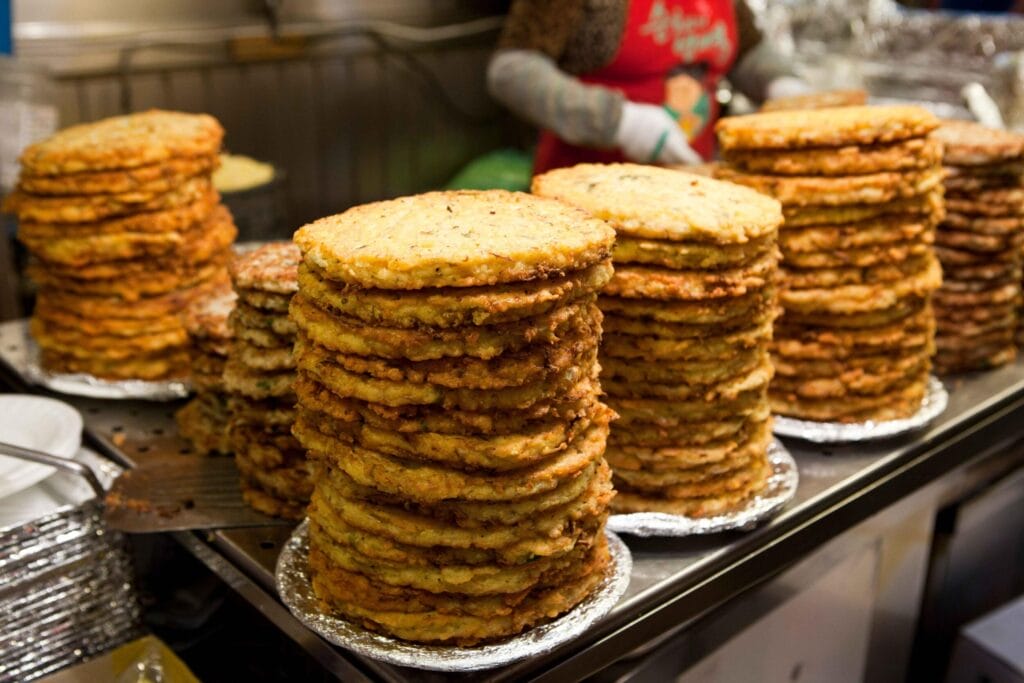
Proudly local plates are the order of the day at Gwangjang Market so find a seat at a counter for favourites like bindaetteok, moreish savoury mung bean pancakes which are fried until crisp. From meticulous tasting menus to quick market eats, Seoul has it all.
Busan: A city and cuisine shaped by the sea
South Korea’s second city is deeply tied to the waters surrounding it, so seafood is always front and centre in Busan. For the journey from Seoul to Busan, KTX First Class offers spacious seats, extra legroom and complimentary snacks, with travel times varying depending on the service.
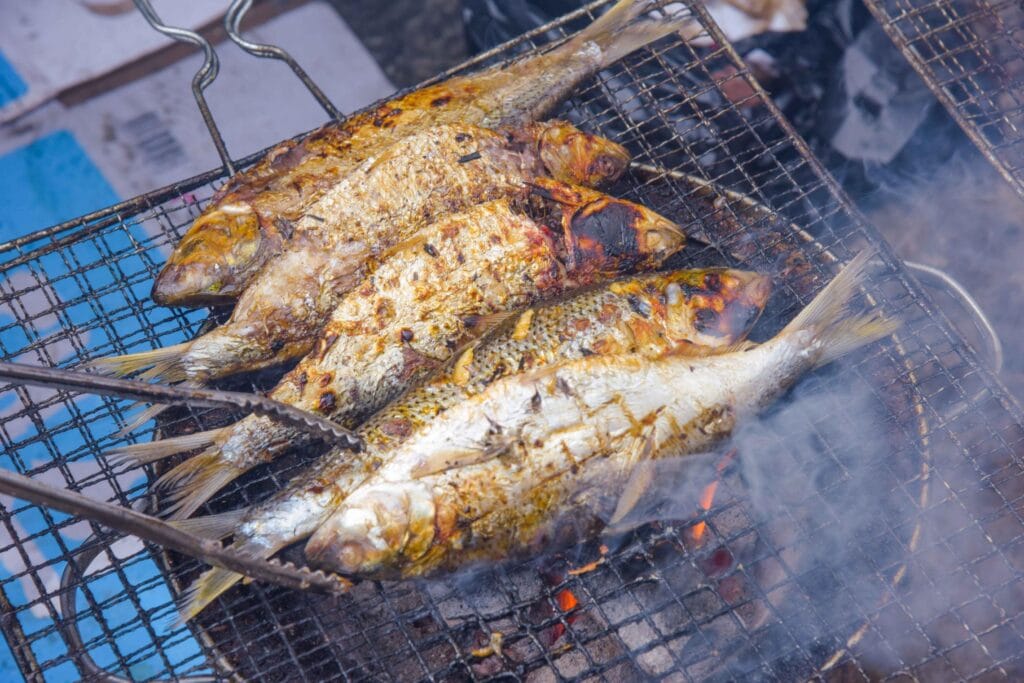
Begin your immersion at Jagalchi Market, the celebrated seafood market, which shows visitors the dazzling variety of local catch. The market’s women vendors, known as jagalchi ajumeoni, are central to its lively atmosphere as they negotiate with customers. Choose live seafood from tanks and have it cooked in the restaurants on site – it simply doesn’t get fresher.
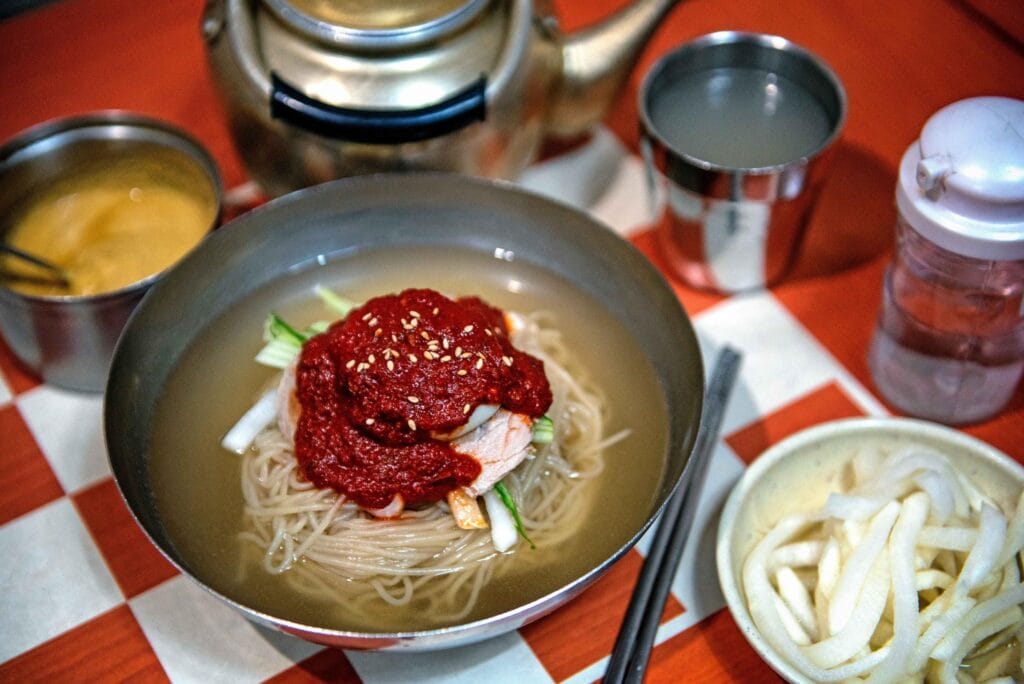
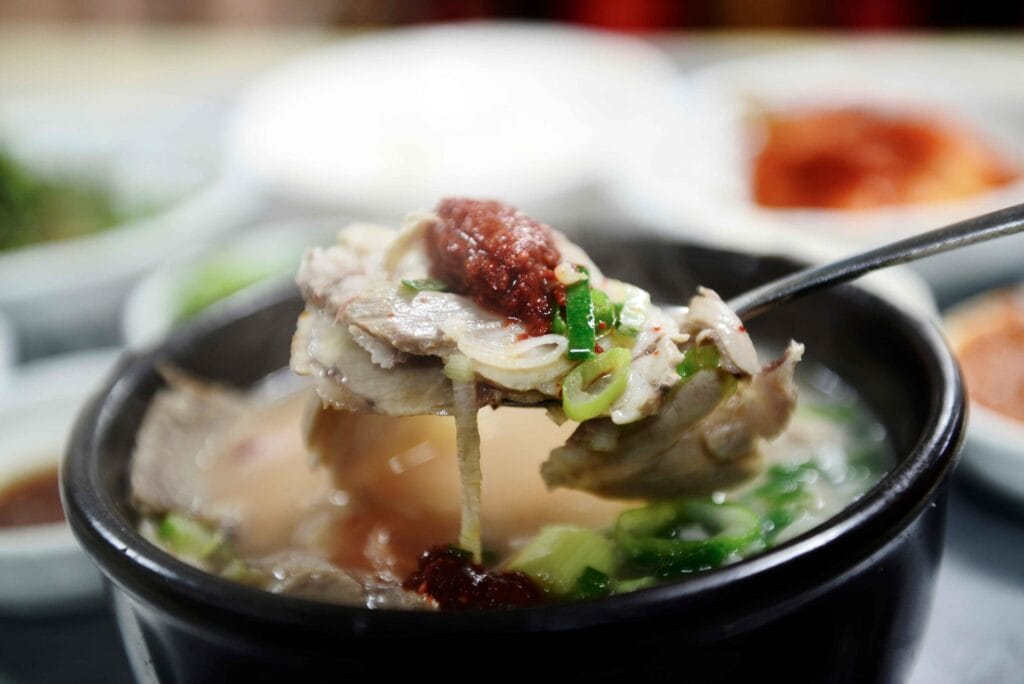
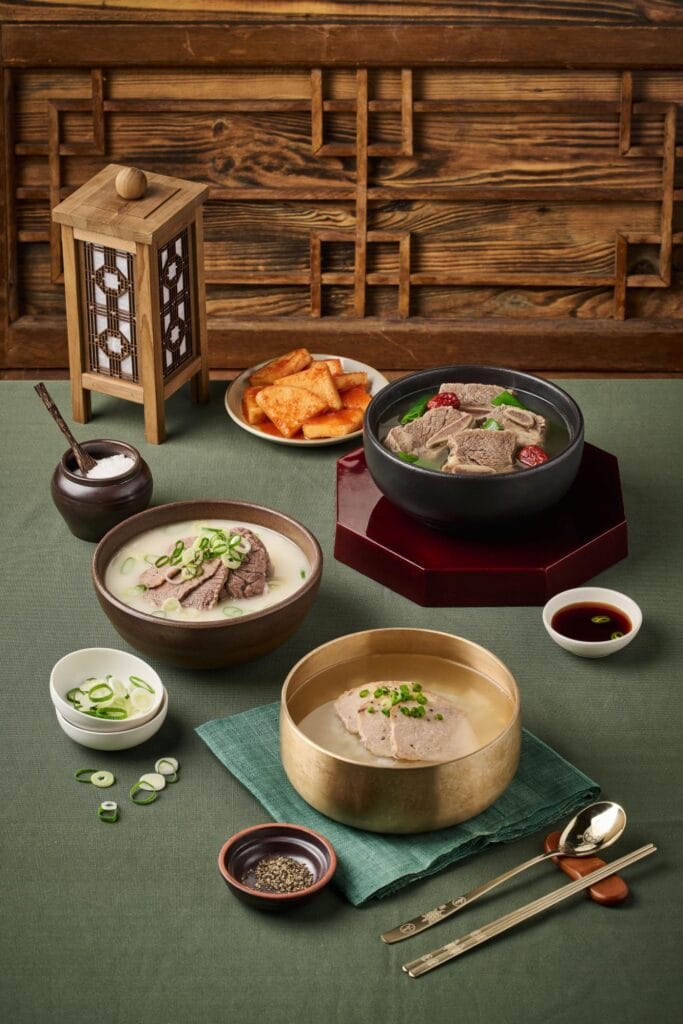
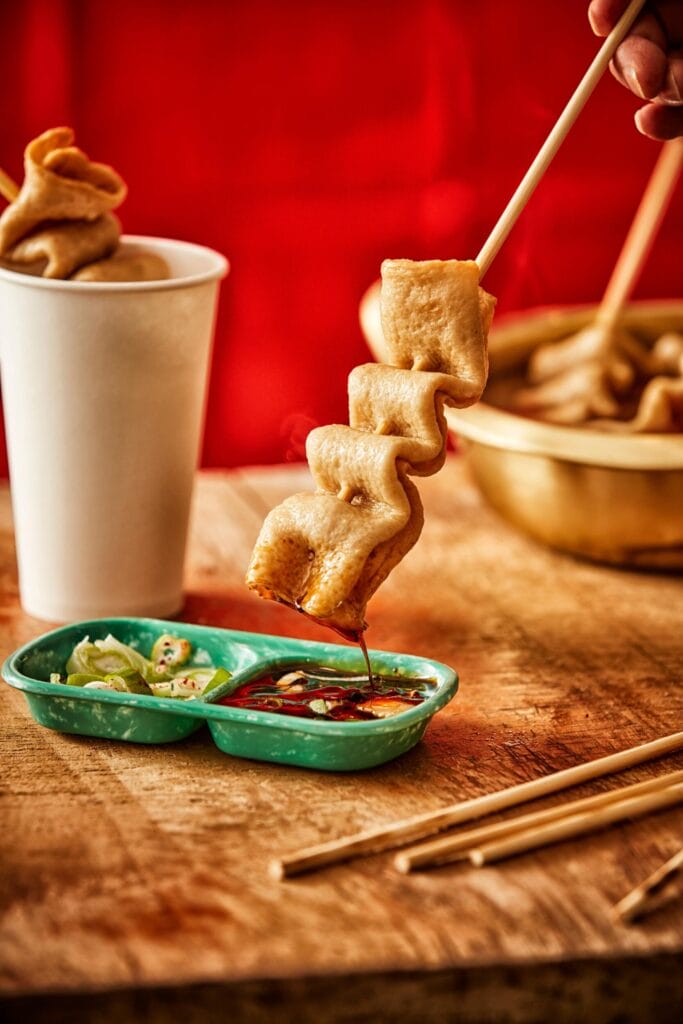
Elsewhere, look for local favourites such as dwaeji gukbap, a comforting pork and rice soup with a long-simmered broth, or milmyeon, cold wheat noodles with beef or pork broth which hit the spot perfectly, especially in summer.
Jeju: Island ingredients and living heritage
A short flight from the mainland, Jeju Island’s food identity is shaped by its volcanic terrain, waters and distinct culture.
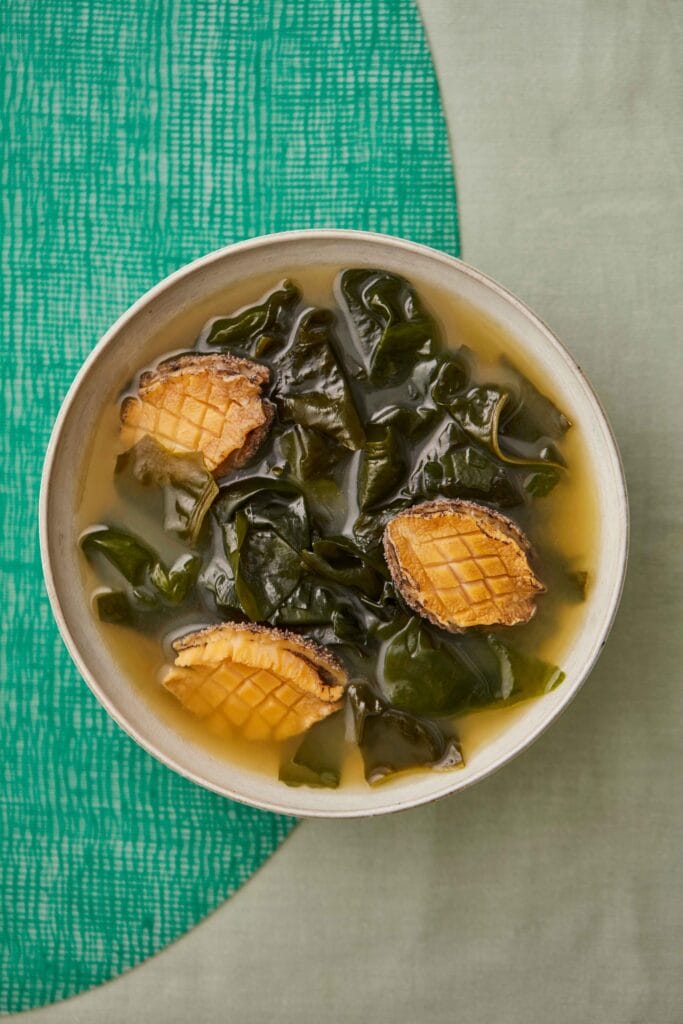
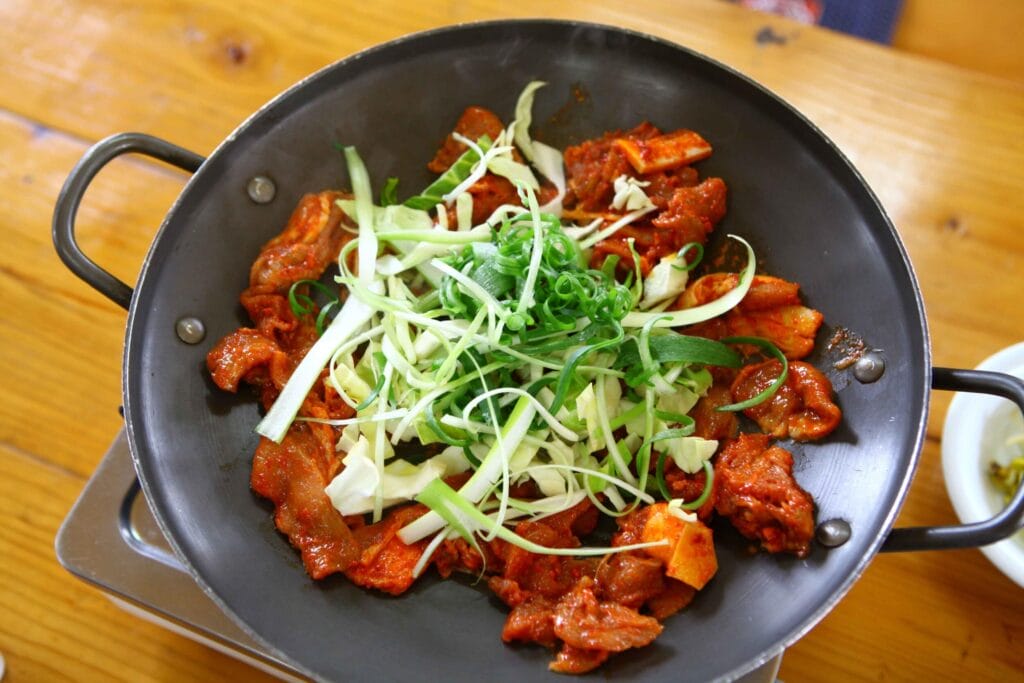
Succulent black pork is among Jeju’s most well-known specialities, valued for its deep flavour and texture. Jeonbokjuk is another highlight, a comforting and gently rich abalone porridge.
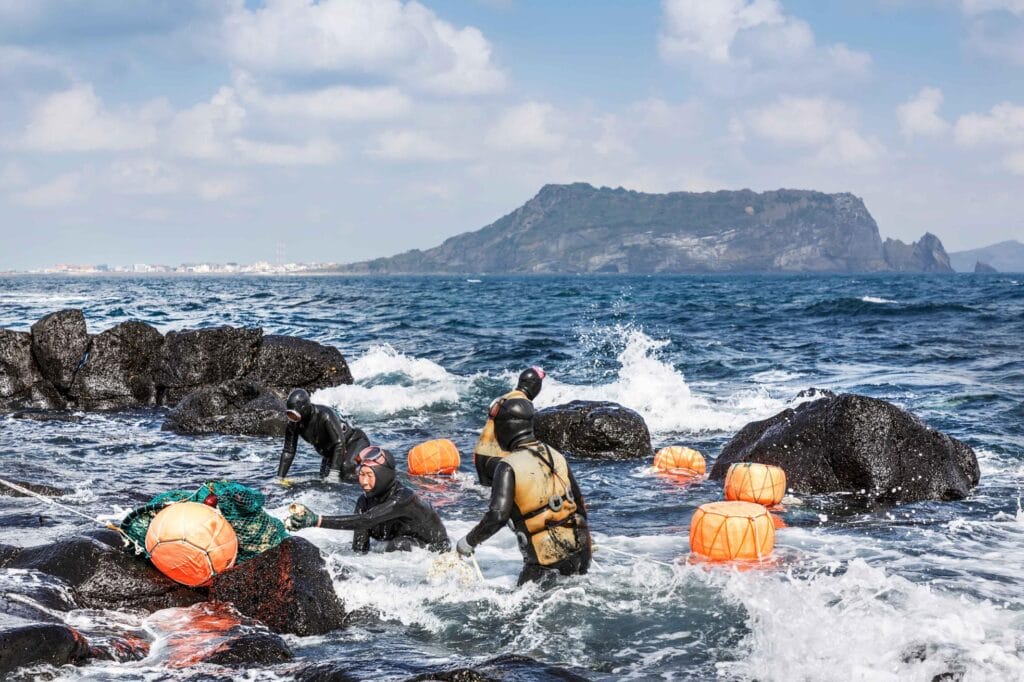
Jeju’s food story is also linked to haenyeo, women divers who harvest marine life including abalone without breathing apparatus in a practice that has been passed down through generations. Their remarkable skills and knowledge of the sea are recognised on UNESCO’s Representative List of the Intangible Cultural Heritage of Humanity.
Soonokine Myeongga is one option for a restaurant run by haenyeo, where popular dishes include seongge miyeokguk (sea urchin and seaweed soup) and haemul ttukbaegi (seafood hot pot).
Wherever you dine, it’s worth asking where seafood comes from as not every dish features a catch harvested by the women divers.
Planning a food-led journey
An ideal food-focused trip through Korea mixes tasting menus, market visits and regional specialities.
To secure a table at the most sought-after dining destinations, CATCHTABLE Global supports reservations at participating restaurants, with booking conditions varying by venue. Book private dining rooms well ahead, check minimum spend, party size limits and dietary requirements. Visitors can also register without a Korean phone number and pay deposits using credit cards issued overseas.
Finally, leave room for spontaneity alongside an appetite and be open to trying something unexpected. It often ensures the most delicious outcome, usually with fascinating new perspectives on how people live and eat.
Explore Korea’s food culture and plan your culinary journey with the Korea Tourism Organization’s VISITKOREA website.
Originally published
Latest Articles
Don't miss the latest from Luxury Travel