La Maison 1888 main dining room | Eating in Da Nang
From after-dark cocktail hideaways and dawn coffee rituals to Michelin-recognised noodle stalls and boundary-pushing fine dining, Da Nang reveals itself through a food scene that moves effortlessly between the everyday and the extraordinary
It’s dark when we push open the gate, stroll through a cutesy garden framed in billowing foliage, and into a tea shop where staff are still handling leaves and gift bags at the back of the store. The front room, furnished with chairs and shelves of books, glows with the flicker of tea lights; couples, locked in conversation, clutch drinks. The tea shop in the central Vietnamese city of Da Nang transforms into a bar each Friday night. It feels like an insider secret.
I’m drinking with Loan of Secret Experiences, who is guiding me through the night. Over a rose tea cocktail, we chat about life, work, Vietnamese drinks and men. I learn, too, that Vietnam is the fifth largest tea exporter in the world. It’s so relaxed, I feel like I’m out with a friend. And, for me, as a solo female traveller, it feels like a perfect pairing – of guiding, informality, discovery and a dip into the seemingly limitless rise of Vietnamese craft spirits. Loan has chosen spots that are classy, unexpected and cool – places that I would never have found on my own. She knows the menus intimately, too, and expertly picks my drinks.
We sip a moreish mountain plum, tequila and Cointreau cocktail in a glossy liquid library of a bar, then a tropical concoction in a tiki bar made with Sampan, a rhum Agricole, distilled down the road, and my favourite, in a secret hideaway: a clever and moreish milky white take on a rice noodle dish served in a tiny bowl which mixed tequila, rice milk and fish sauce. No dinner could hit my palate more quickly!
At the end of our night out on the town, we walk past an ice cream parlour, all fairy lights and bold colours, with a queue spilling out onto the street. It encapsulates one of the things I love about Vietnam – a devotion to food, drink and gathering. Whether that’s ice cream at 11pm or beer at 10am, anything goes in this Southeast Asian nation.
I rise with the sun the following morning to explore Da Nang’s early history, but first: I need caffeine. Vietnam’s coffee culture arrived in the mid 19th century with the French, who planted Arabica beans. Cafés are still the most important social hub in the country. And in Da Nang, coffee culture is exploding. I choose a modern, minimalist spot down an alley where I order a Cà Phê Sữa made with small batch single blend Robusta coffee from the Central Highlands with milk. Brewman Coffee Concept is a temple to the bean. There’s zero other distraction. Not a pastry, cake or croissant in sight.
Chiều qua phố | Eating in Da Nang
When Michelin meets the street
The Michelin Guide for Vietnam debuted in 2023; in Da Nang it arrived the following year. It celebrated everything from the haute cuisine to the humble – and that’s where I start. Having eaten my way around the country for 20 years, at first it seems odd – to my Western mind – to see a Michelin Bib Gourmand gong attached to a nearby alley wall of a spartan noodle stall, but as I sit down next to a stream of breakfasting locals at Mỳ Quảng Sứa Hông Vân and tuck into my fix of Mì Quảng – an iconic Da Nang bowl of turmeric-tinged noodles, quail egg, shrimp, jelly fish, crackers and peanuts – I realise that at the heart of the meal is soulful flavour. Michelin clearly recognised what the Vietnamese have always known and created – deeply nourishing and delicious food in mostly no-frill joints.
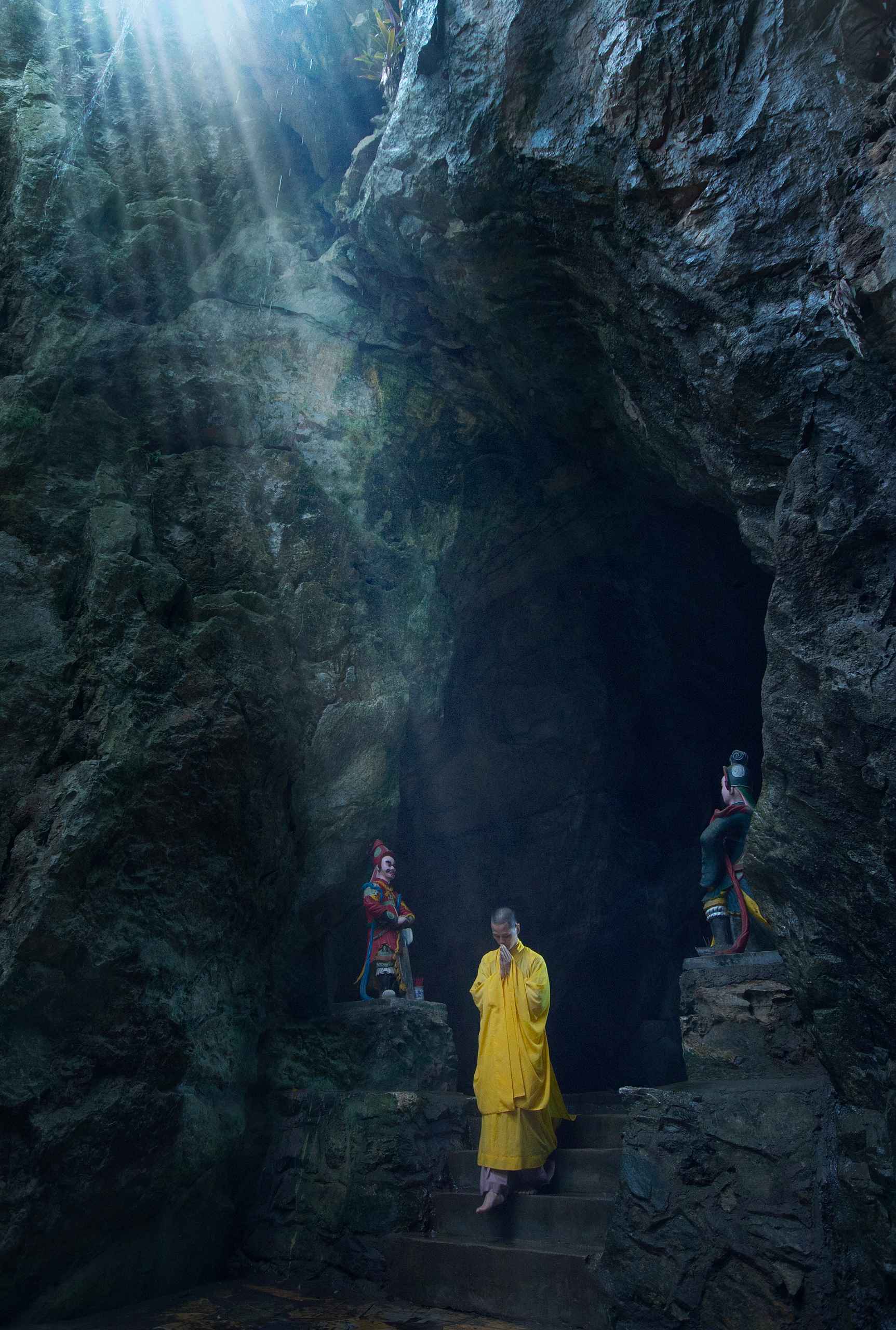
For lunch, I plan on trying a funky spot with a queue that Michelin also recommends. To work up an appetite, though, first I head out of the city to My Son, a UNESCO-protected cluster of red brick temples and structures built by the Cham. Champa was a Hinduised kingdom, whose rulers reigned over large areas of Vietnam from the 2nd to the 13th century. My Son, 90 minutes’ drive southwest from Da Nang, was Champa’s spiritual capital. Amid deep green forests, their petite, intricate carvings in copper red brick – many of supreme Hindu god, Shiva, the destroyer and restorer – attempt to outdo time and erosion.
Làng chài Mân Thái | Eating in Da Nang
A city shaped by history, war and the sea
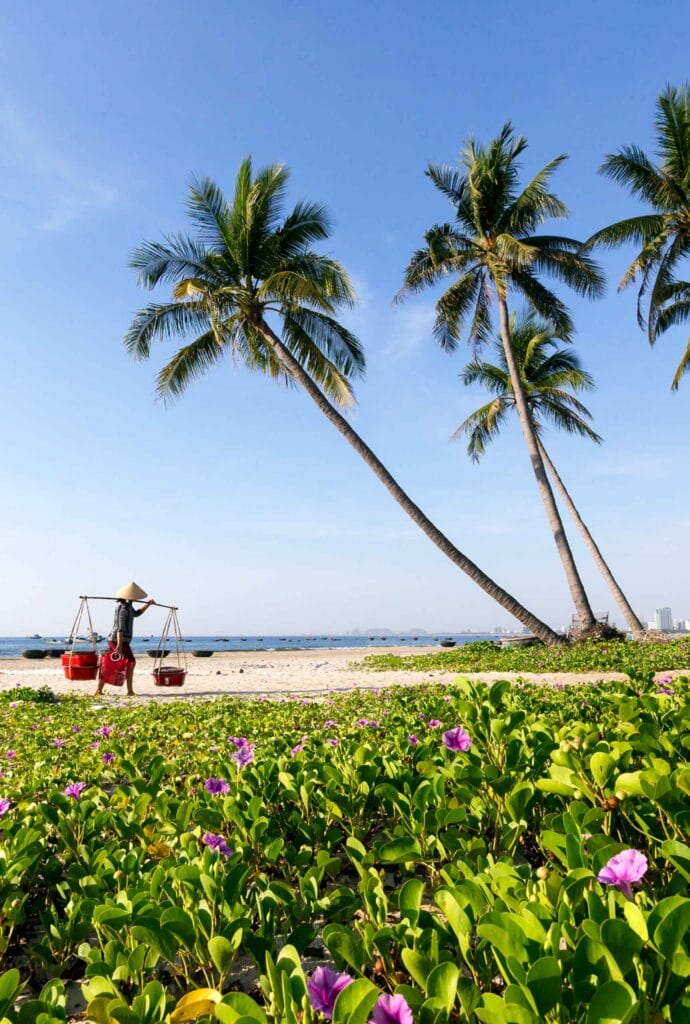
At the world’s only Cham Museum, back in the city, huge sandstone sculptures of Hindu mythological creatures stand sentinel, divorced from their original settings. Cham cities were spread up and down the coast with a significant capital near Da Nang in the 9th and 10th centuries. Today, Da Nang unfurls along a 17-kilometre curve of breathtaking sand on Vietnam’s central waist.
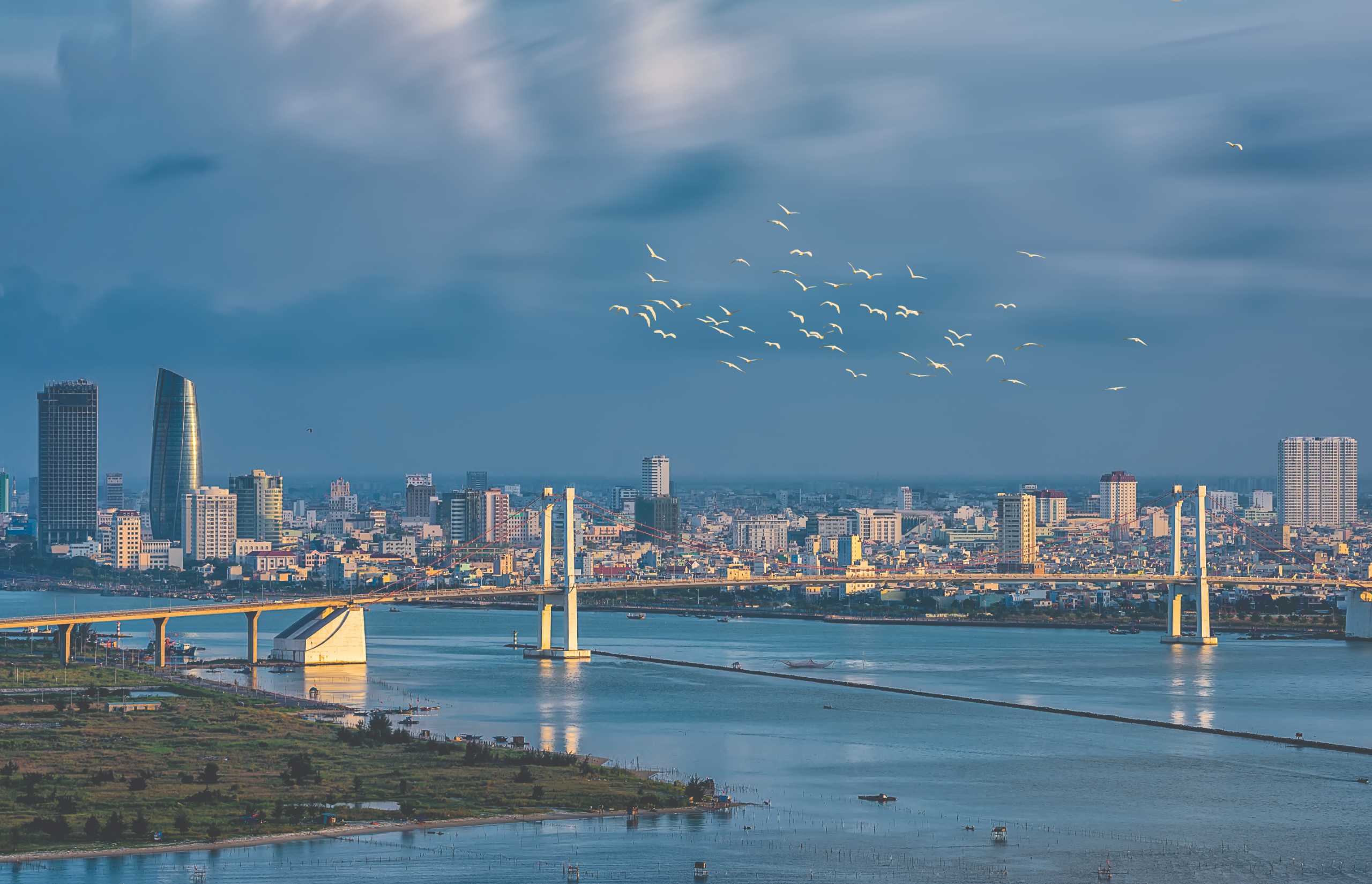
During the Vietnam War, American GIs came to swim and sunbathe on China Beach during R&R. Today’s city is growing tall and glassy, bisected by the Han River, and arched by several bridges; its most famous is the golden dragon-shaped bridge, which breathes fire in an incredible display every weekend.
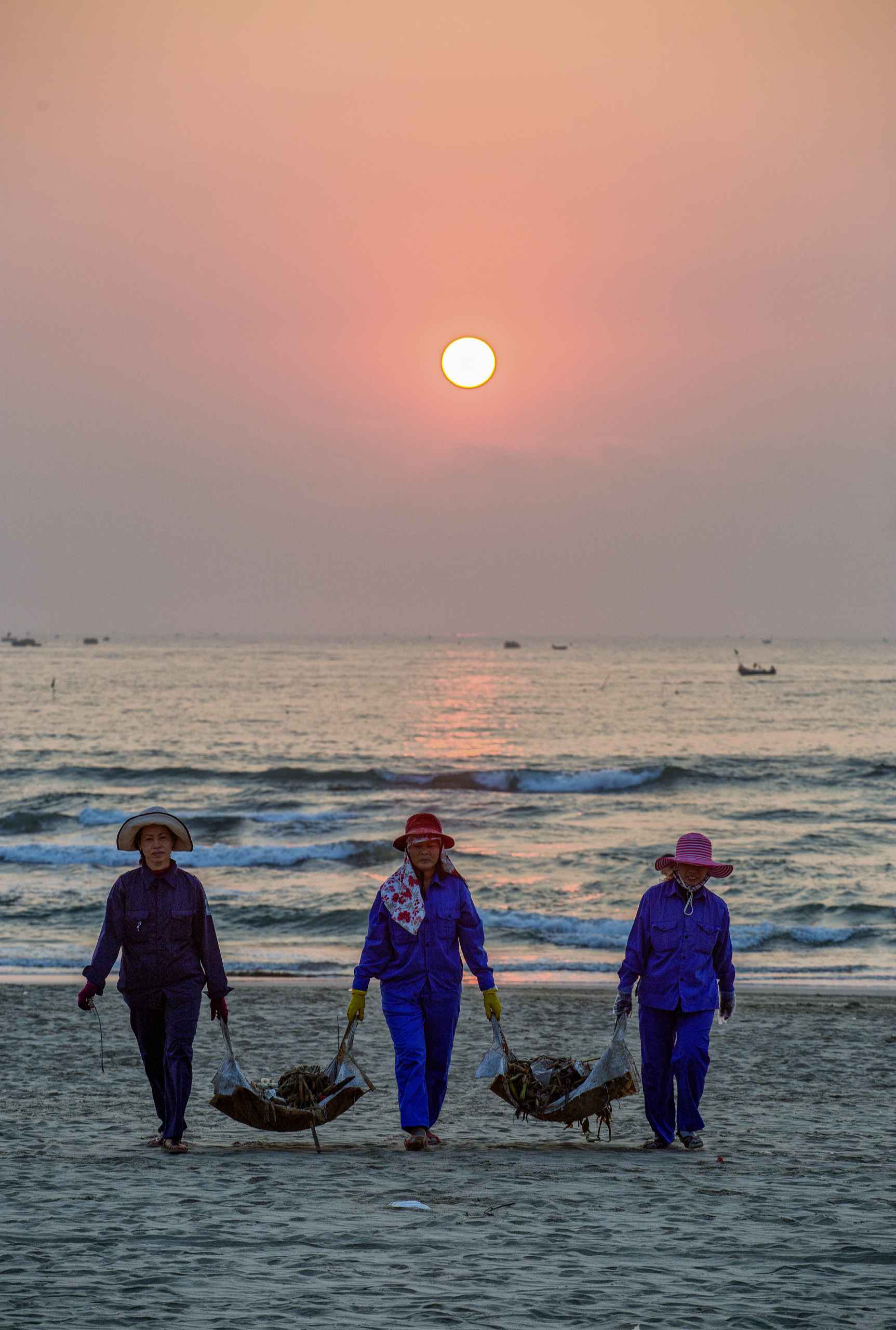
It’s a city of tech, too, with a large student population, and a growing influx of young Vietnamese looking for its cherished work-life balance. At 5am every morning, its fabulous beach and sea, twinkling in the early morning light, is full of swimmers, walkers and exercisers. And a growing number of clubby beach restaurants are opening along the sand for sundowners at the other end of the day.
Xuôi dòng sông Cu Đê | Eating in Da Nang
Hư không | Eating in Da Nang
Làm sạch cho biển | Eating in Da Nang
New expressions of Vietnamese dining
Nu Ðố is Michelin selected. It’s a courtyard affair with perky plants; one sassy female owner, Chef Tuyết Phạm, who gained second place in MasterChef Vietnam 2015; slick service and four takes on Da Nang’s iconic noodle streetfood dish, Mì Quảng. It’s a place for those who want to eat the good stuff but want pretty surrounds – and are prepared to pay more than twice the cost of the noodle dish at street stalls.
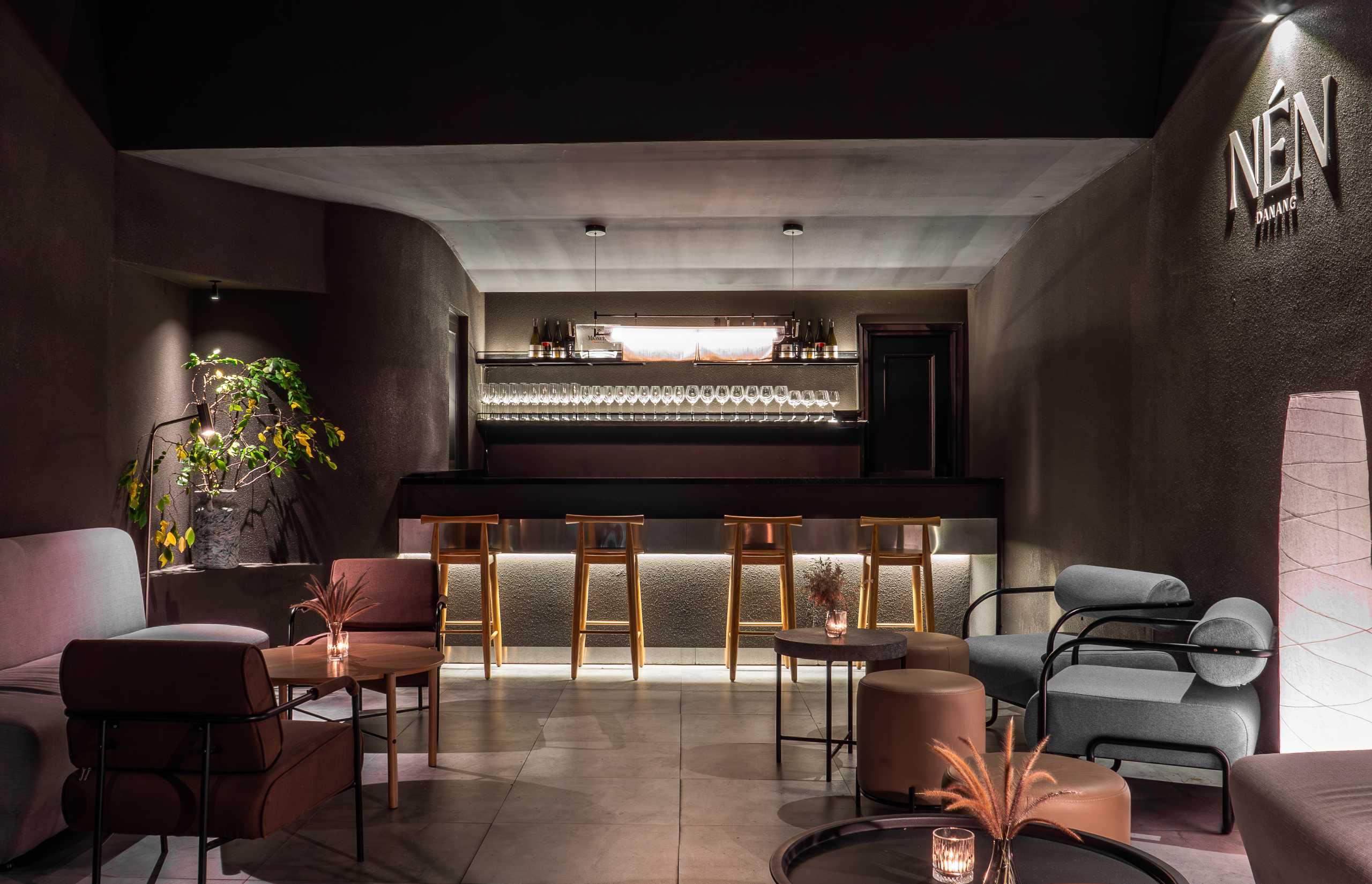
But it’s not all traditional fare in the city. Working out of a glass-fronted restaurant in an outer suburb is chef Summer Le. Summer’s trajectory is extraordinary. From leading food tours of the city more than 10 years ago to chef of Nén Danang, Vietnam’s only restaurant with a Green Michelin star, it’s a stellar journey.
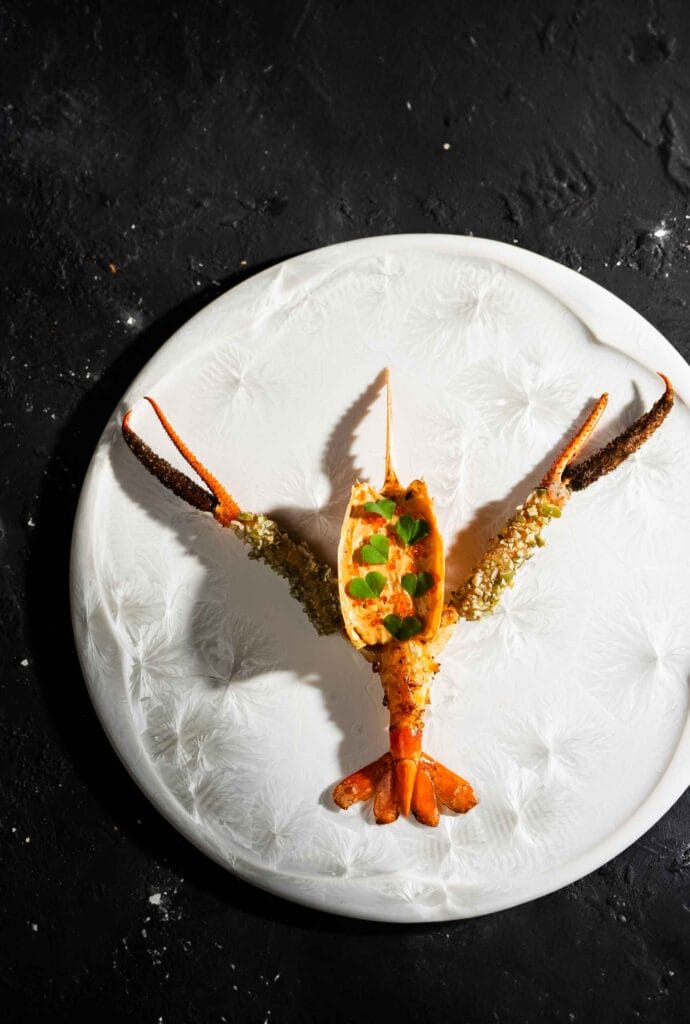
Summer’s menus are story-led, surprising, visually gorgeous, and full of unexpected flavours made from hyperlocal cuisine. It’s poetry on a plate. My waiter patiently explains everything and translates ingredient names. Highlights include banana rhizome fermented with beetroot; a rice field of herbs in a bowl of scallops ‘glued’ to the ceramic with crab paste; and the meat of a Giant Isopod (bathed in a bisque made from its crushed shell) whose very existence in the Pacific ocean comes as a revelation.
Michelin clearly recognised what the Vietnamese have always known and created – deeply nourishing and delicious food in mostly no-frill joints.
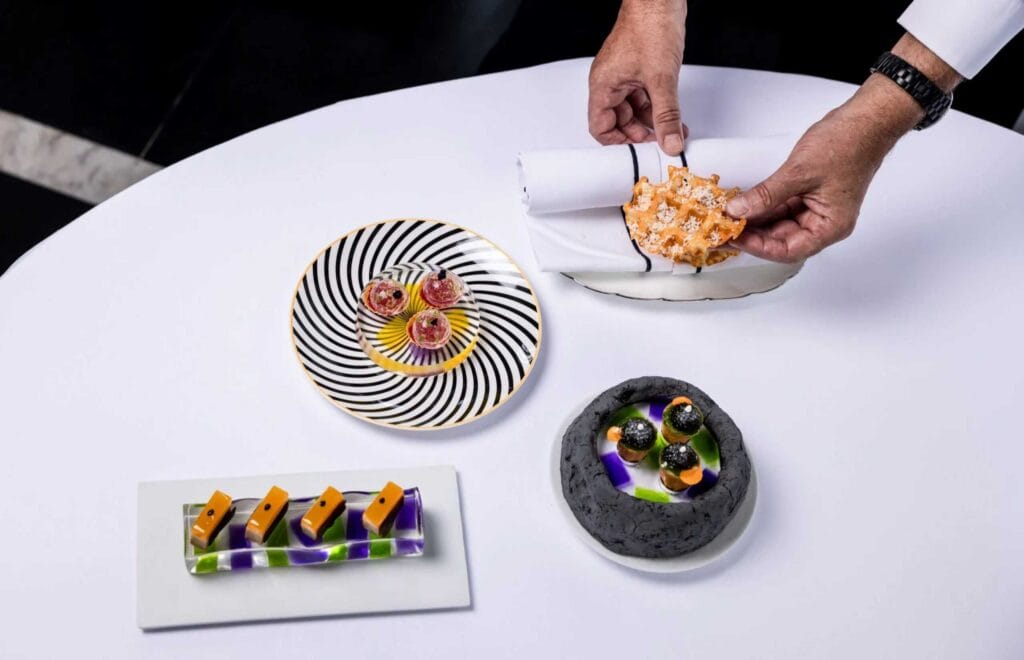
Chefs signature Canapes at La Maison 1888 | Eating in Da Nang
La Maison | Eating in Da Nang
Tingara | Eating in Da Nang
A destination for global fine dining
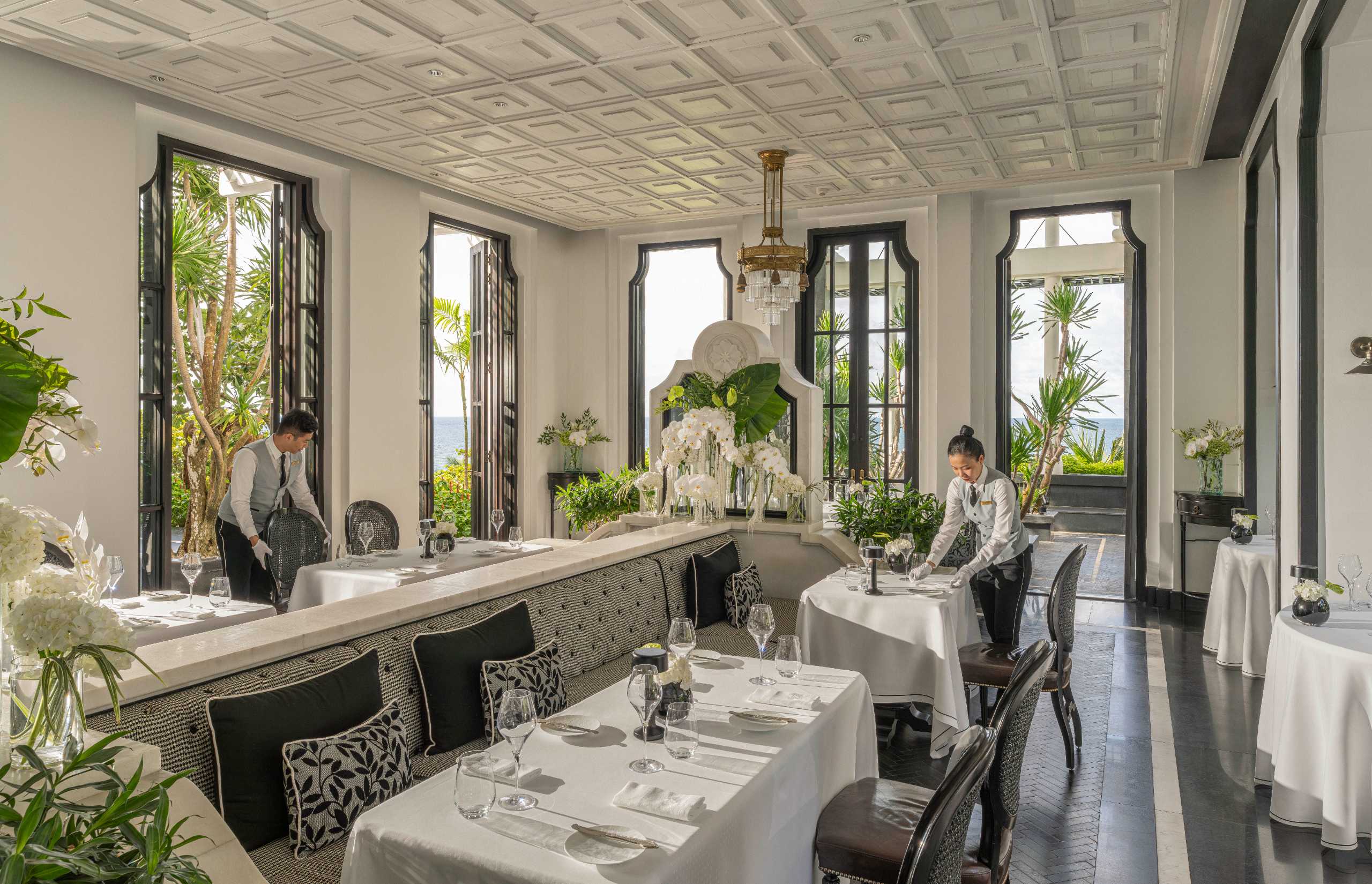
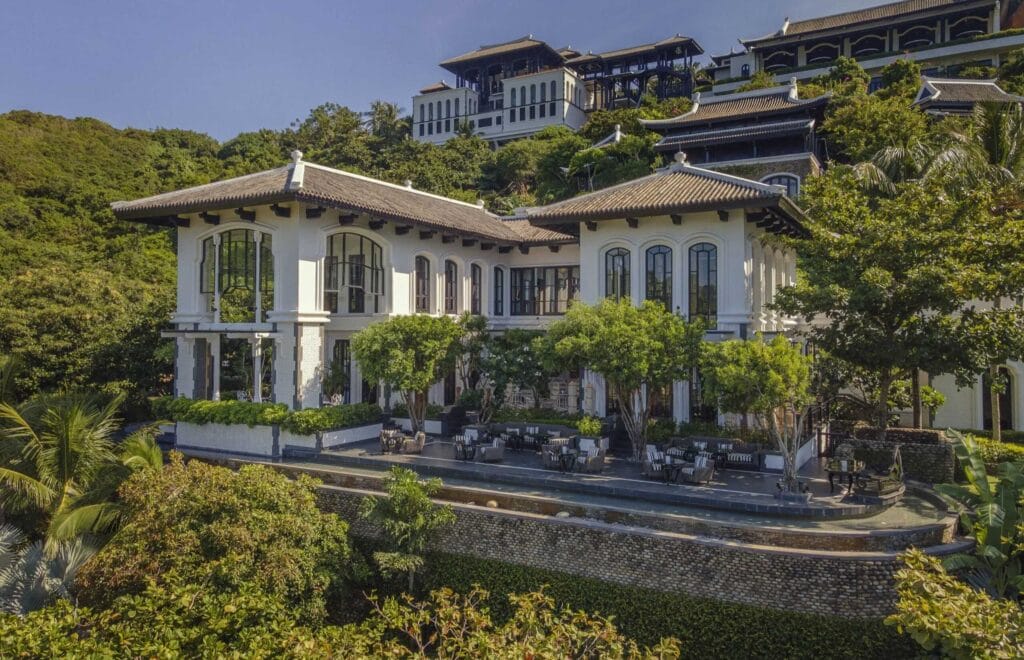
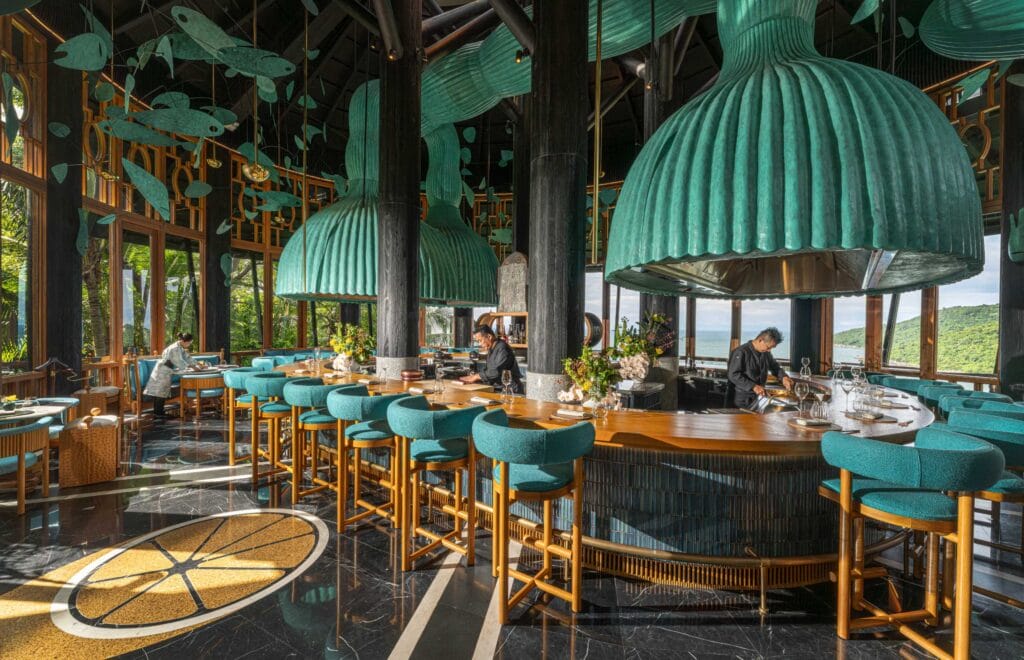
Da Nang’s restaurants are not only all about Vietnamese cuisine. A 30-minute drive north of Nén Danang is the whimsical InterContinental Danang, designed by renowned American architect Bill Bensley, with decor inspired by Vietnam’s Indochine era. Set around a deep scoop of golden sand on the Son Tra peninsula, it’s firmly on the culinary map, holding the city’s first Michelin star for its French restaurant, La Maison 1888.
The luxurious oceanside setting is the favoured home, too, of the critically endangered, red-shanked monkey, douc langur. And it’s those that are hanging in the trees, nibbling the leaves at the entrance to the restaurant when I arrive for dinner.
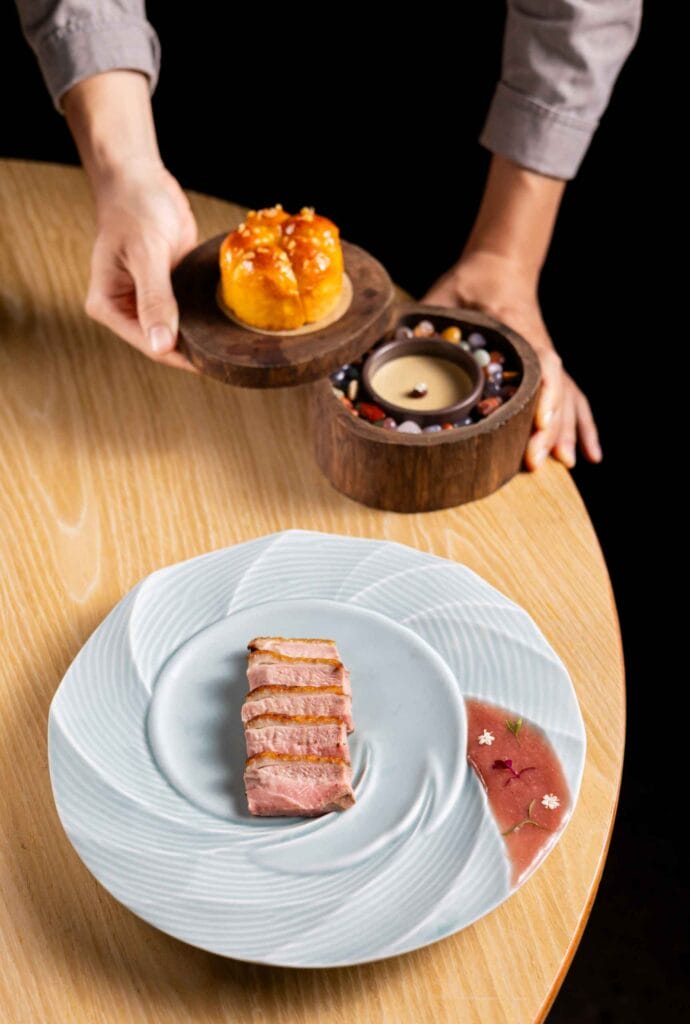
I reach the restaurant by taking the cute funicular cable car, which whisks guests up and down the forested slope between Heaven, the top of the resort, and the Sea, at beach level. La Maison 1888 is designed like a luxury French mansion with a bar, fulsome wine cellar and intimate dining room. It’s overseen by consultant chef Christian Le Squer of Paris’ three Michelin-starred Le Cinq and chef de cuisine Florian Stein who guides with panache. French flavours shine. The seabass with Kristal caviar bathed in buttermilk is delicious, as is duck breast accompanied by warm dates. Dessert is a pretty malt whisky ice cream tucked into a chocolate nest. The Lost in Paris wine pairings featured four pours including an exceptional summery and fresh Laurent-Perrier Grand Siècle, No. 26, a Chardonnay and Pinot Noir blend.
Nén Danang | Eating in Da Nang
Nen Danang | Eating in Da Nang
Nen Danang | Eating in Da Nang
The following evening, I dine at Tingara, a teppanyaki and sushi restaurant that has had a bold, blue makeover by Bensley. The décor is off-putting, so I prefer to focus on the exquisite food. Having recently dined at Vietnam’s only Michelin-starred teppanyaki restaurant in Hanoi, I opt for the sushi experience menu, expertly crafted and curated by sushi chef Tsuneyoshi Taira. The tenderest bluefin tuna is served on a lollipop stick topped by foam and a petal, alongside seafood chips, and my sashimi comes with yellowtail, bluefin tuna and squid along with salmon roe. Sea eel, shrimp and a deeply delicious wagyu beef with caviar are delivered for my sushi selection. I finish with a cherry blossom mochi topped by a candied Sakura leaf.
From no-frills noodle stalls to fine diners, Da Nang really does have it all.
Journey notes
Inside Asia Tours in Brisbane has been creating tailor-made tours to Asia for 20 years. Vietnam Airlines offers flights from Sydney and Melbourne to Hanoi and Ho Chi Minh City. vietnamairlines.com
Latest Articles
Don't miss the latest from LuxuryTravel
Follow Us on Instagram
Luxury isn’t a place, it’s a perspective. See it through ours.