
Philippines Food & Wine
Filipino food, from island kitchens to modern Manila
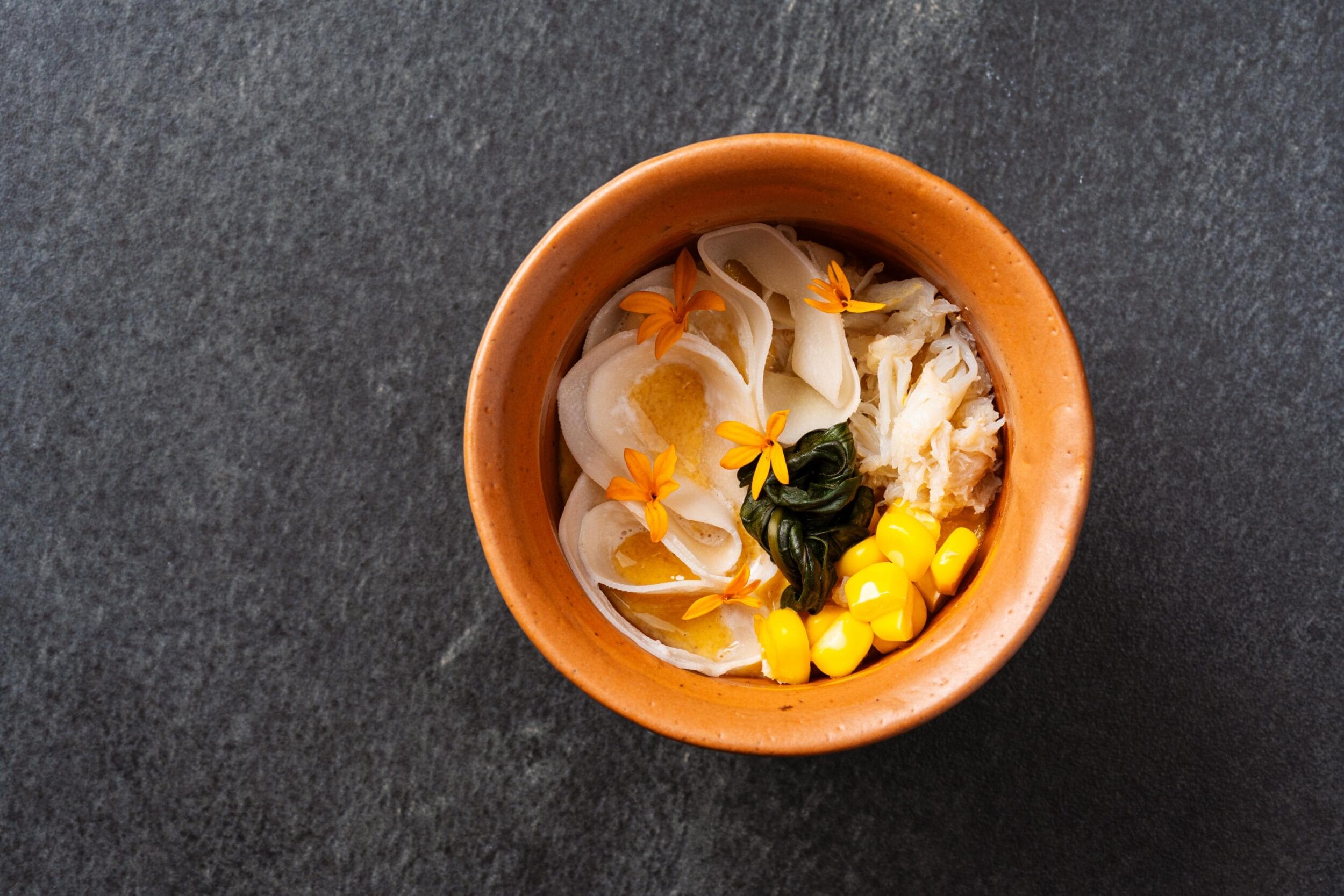
A bowl of tambo at Hapag, Manila, Philippines
In kitchens from Palawan to Manila, Filipino food is shaped by a quiet revival, rooted in heritage, community and cooking with what the land gives
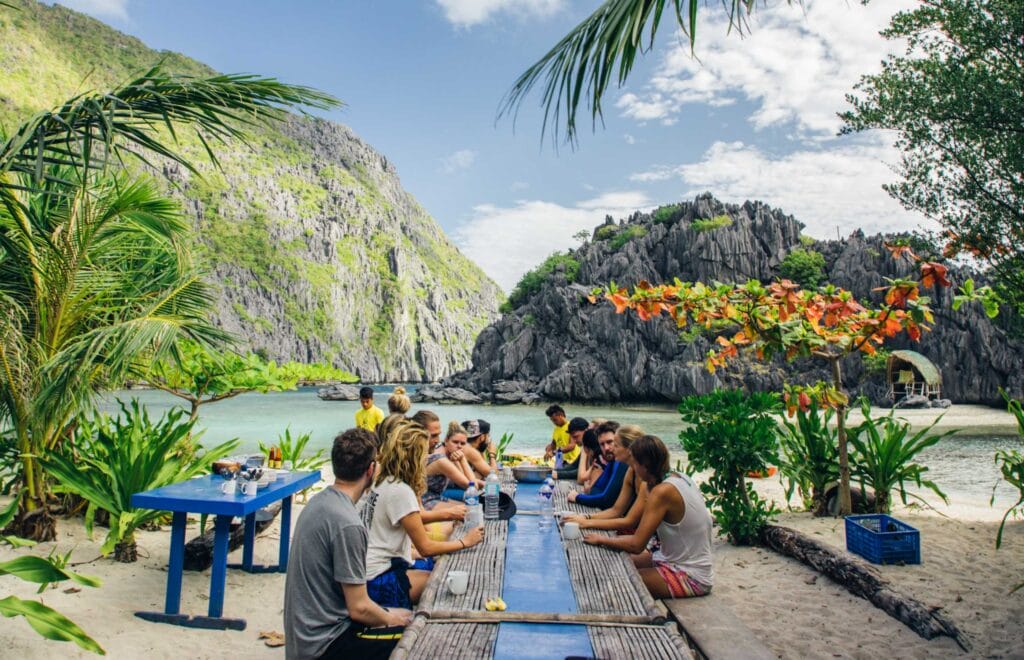
Growing up in the Philippines, Ann Pansinsoy’s earliest memories are steeped in food. “Everything at home revolved around food, from helping to dry fish and selling my mum’s homemade rice cakes to harvesting cashews with my grandmother,” says the head chef of Tao Philippines, an island experience company in Palawan. Her parents employed a fleet of fishermen and fields of glittering fish would dry in the sun around them. “My dad was the cook and fed all the fishermen so there was always a simmering caldero (cooking pot) in the kitchen. We had a long table and it was always surrounded by people eating. Just thinking about my father’s adobo brings tears to my eyes,” Pansinsoy says.
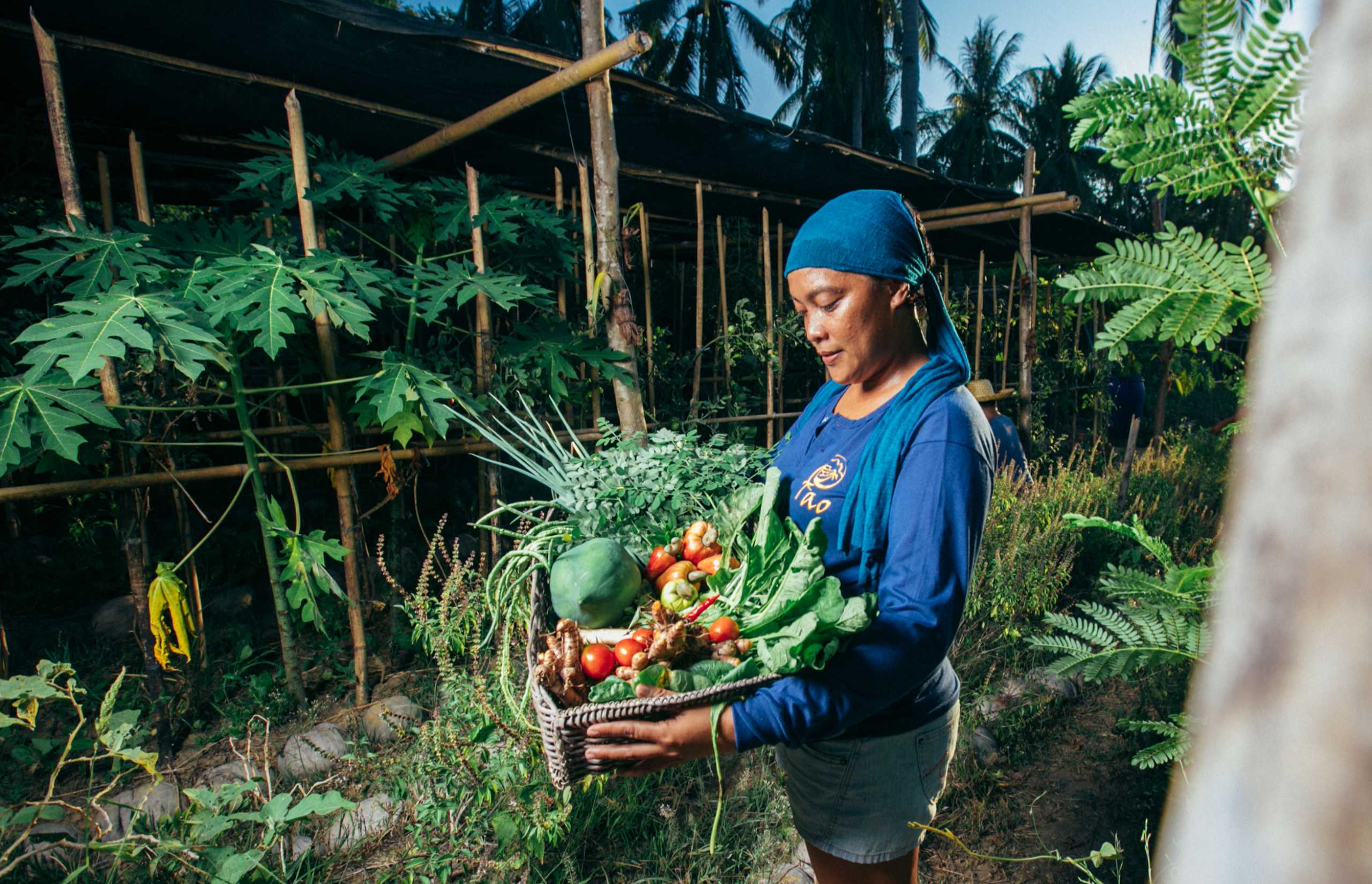
Cashew fruit vinegar, home-reared pigs and vibrant talinum (a wild succulent leaf): the Tao community grows and produces 50 per cent of what it serves. The six-course tasting menu, served around a fire in an open kitchen, moves from a Filipino herb roll with nutty sauce to sticky, salty, crunchy roasted pork, each mouthful bursting with riotous flavour. Farm-to-fork has never rung truer – the leafy grounds sit just steps from the katina where meals are served, and the vibrant colours, plentiful ingredients and communal joy of Pansinsoy’s childhood remain at the heart of her cooking.

Island flavours
The Philippines is made up of 7,641 white-sand-swathed islands bursting with diverse flavours, distinct regional traditions and fish so fresh it almost leaps onto your plate. I’m here to introduce my son, who is half Filipino, to the food and landscape of his forefathers. Coincidentally the Michelin tasters are also here, to introduce Filipino food to the world – the guide will launch across the country for the first time in 2026. I don’t know what they think yet, but I do know that 18-month-old Sid devours life here: from sunshiney mangos for breakfast and fried fish for lunch to monggo guisado (a type of mung bean stew) for dinner. But mostly, he is madly, deeply passionate about rice. Known affectionately as ‘Filipino power’, it comes (unlimited) with every meal. There are many words for it: bigas (uncooked rice), tutong (burnt rice), mumo (a grain of rice on someone’s face or cheek). Puto bumbong is the sticky savoury rice eaten with family and friends at Christmas to symbolise staying together, no matter what the year will throw at you.
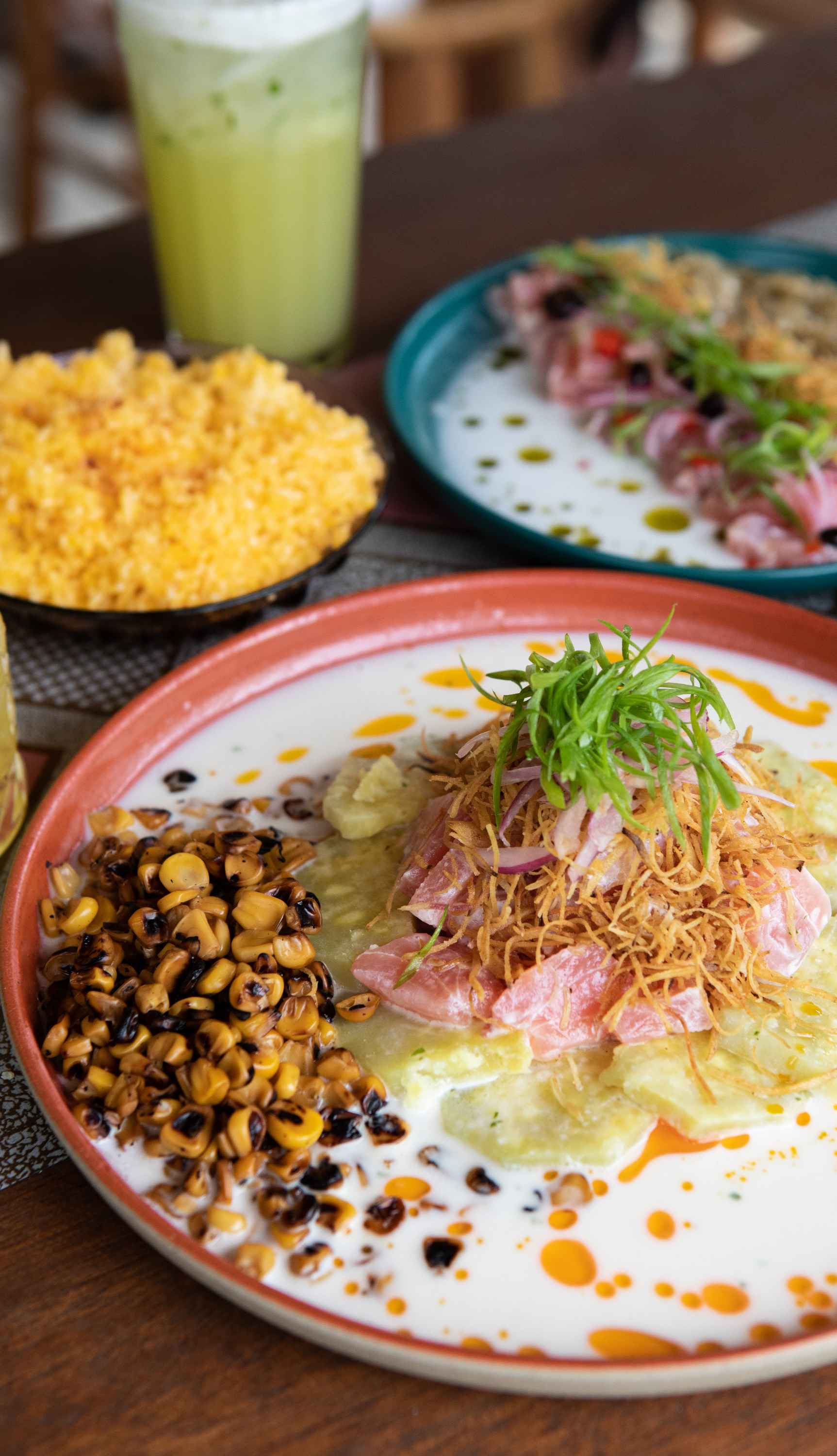
While sticky, dark adobo (chicken or pork cooked in vinegar and soy) is the most well-known dish outside the Philippines, it’s actually a wide and varied cuisine in itself, with as many different incarnations as there are islands in this nation. Lechon (spit roasted pig) and paksiw (fish steamed with vinegar) are also staple dishes. But kinilaw (raw fish marinated in coconut vinegar) is perhaps my favourite. It’s often cited as the Filipino ceviche, but there’s strong evidence that it predates any kind of colonialism. “Fisherman would just take their rice, coconut vinegar and some ginger and marinate whatever they caught that day,” says David del Rosario, owner of Cev, a kinilaw restaurant in Siargao, a teardrop island in the east of the Philippines.
Kinilaw for all
It’s during a tumultuous thunderstorm that we’ve dashed into Cev for cover. It took a boat, bus, two flights and an overnight stay to get here from Tao Farm in El Nido (we fly through Cebu on the way, where Jason Atherton’s The Pig and Palm is hotly tipped for a Michelin star) – but it’s immediately clear the journey was worth it. A surfy island with a strong community spirit that has bred a crop of outstanding restaurants, Siargao is the perfect base for Cev. The playfully retro interior and Cher’s ‘The Shoop Shoop Song (It’s in His Kiss)’ blaring from the radio bely the refined jewel-like plates of tangy, crunchy, herby, sweet, salty, spicy, smokey, sour kinilaw that arrive at our table.
“I didn’t want to compete with what your surf instructor might offer you back at his house after a lesson,” del Rosario says. “ I wanted to offer a unique interpretation while respecting its cultural roots.” His dishes are made from utterly simple ingredients: “When I first arrived in Siargao eight years ago it was very hard to get anything so I just used what we find locally: sweet potato, aubergine, corn and onions.” Though there are only six mains on the menu, the ceviche is so plentiful that even the resident cat gets a big bowlful for lunch.
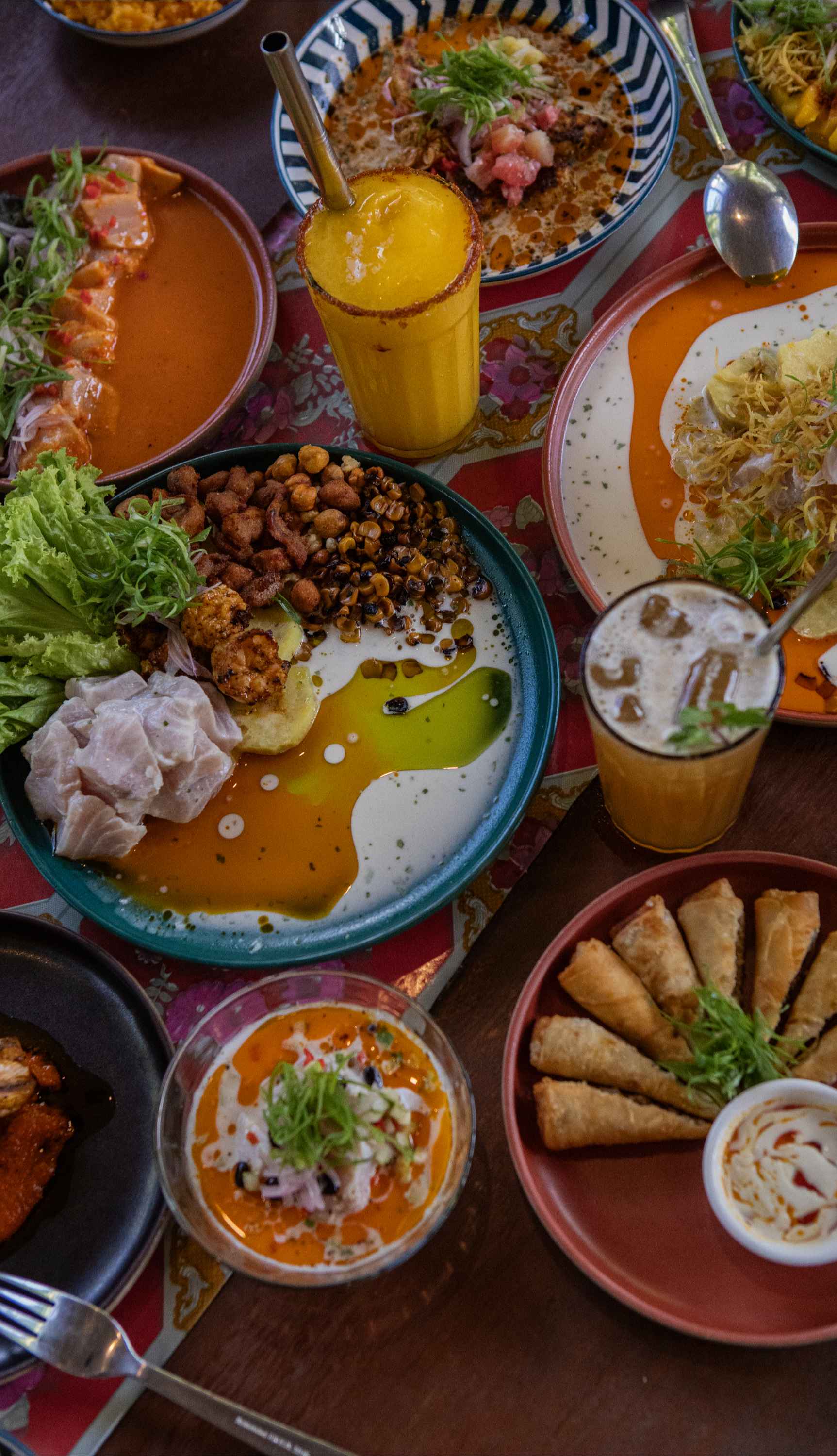

Whichever way kinilaw travelled around the world, there is an undeniable synergy between Hispanic and Filipino cultures. “We share a love of community, family and fiestas,” says chef Thirdy Dolatre, who co-founded renowned Manila restaurant Hapag with childhood best friend and fellow chef Kevin Navoa. “Hapag means table, but it’s more than that. It’s about coming together.” The restaurant is part of a new breed of Filipino fine-dining restaurants in the sultry capital of two million people – one of the most densely populated capital cities in the world. After spending so much time with sand between my toes on empty beaches, it’s something of a shock to take in the snakes of traffic and red bumper lights vanishing into the distance – but Hapag provides comforting respite.
City fine dining
Hapag’s beautifully crafted dining room features an open kitchen, and when we arrive the multi-course tasting menu revolves around food from the Western Visayas, located at the center of the Philippine archipelago. Every few months Dolatre and ‘Nav’ go off to explore a new region, and develop a menu showcasing the stories and ingredients they have found there. “We want to bring honour to Filipino cooking by using local produce that lives and grows in our mountains, jungles and seas,” says Nav. “In Cebu, we found a cafe that had been serving masareal (a sweet snack made from peanuts and sugar) for nearly 100 years. It’s now on our menu. It’s a very exciting time for Filipino cooking. We’re discovering a lot of pride.”
Paulo Achacoso, the charming manager at another neo-Filipino restaurant in Manila, Inatô, agrees. “It used to be that Manila folk would not go out to eat Filipino food. They felt they got enough of that at home. But in the last five years that has completely changed and the restaurant scene has exploded,” he says. I come face to face with this fact while sitting at the curved, eight-seater chef’s counter, where every dinner guest is Filipino except for me. “The restaurant was designed this way to resemble a carinderia (trqaditional street kitchen) where you wouldn’t know your neighbour, but everyone eats the same food,” says Achacoso.
It used to be that Manila folk would not go out to eat Filipino food. They felt they got enough of that at home. But in the last five years that has completely changed and the restaurant scene has exploded.
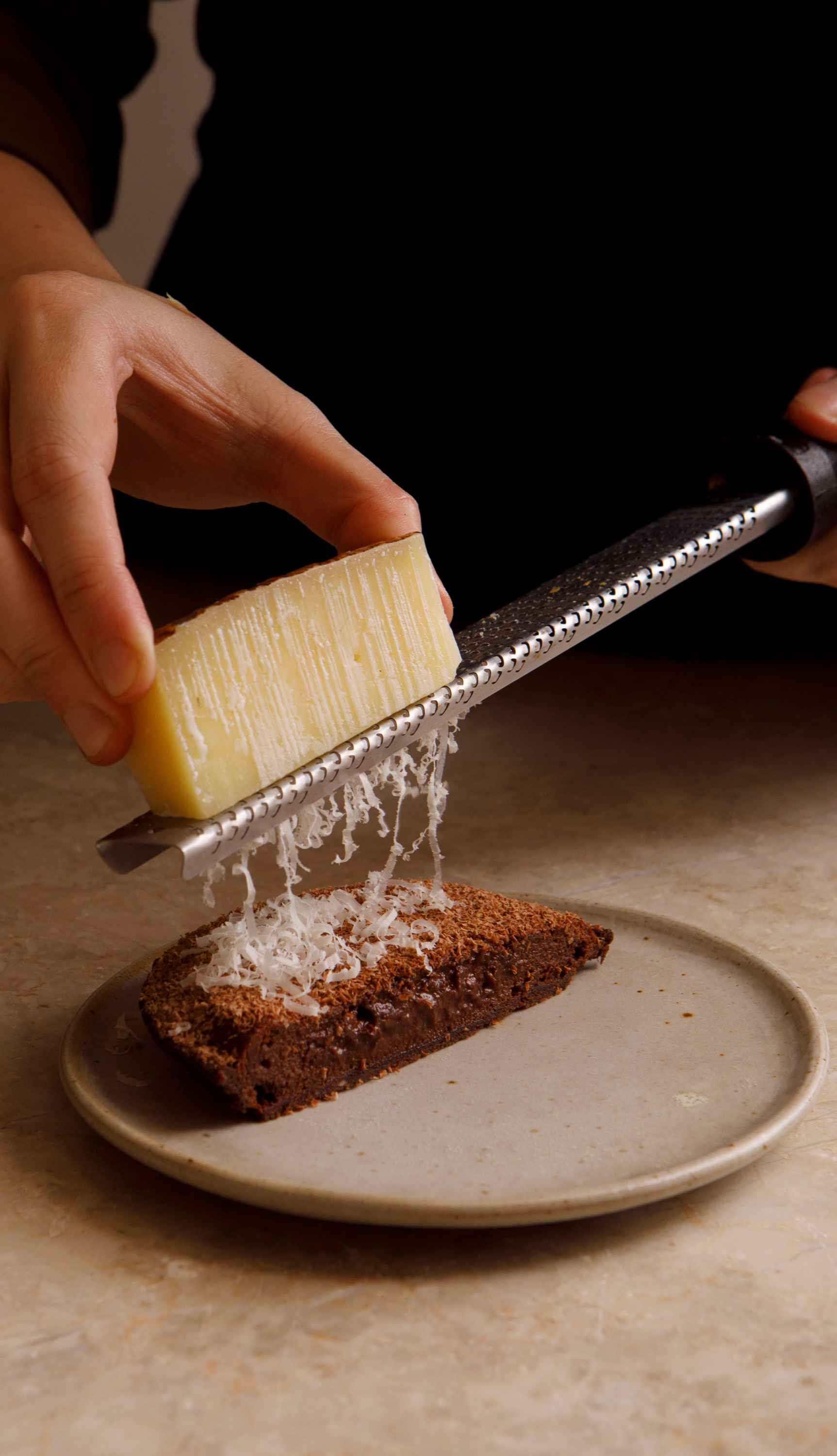
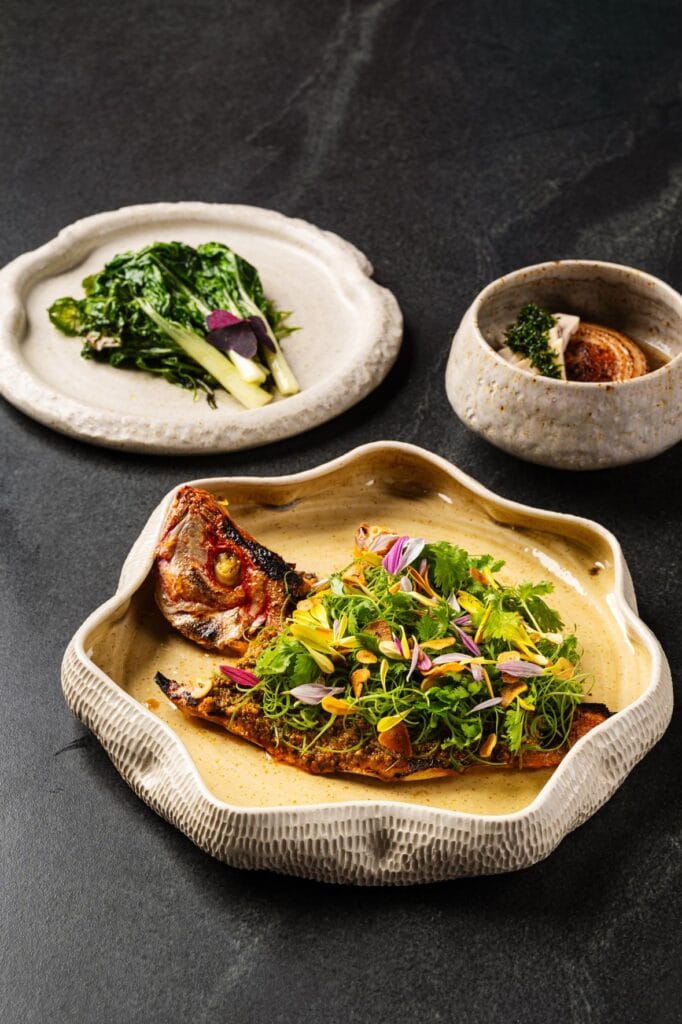
Led by chef JP ‘Jepe’ Cruz, a former sous chef at the acclaimed Toyo Eatery, Inatô has gained recognition for its commitment to exploring Filipino flavors through a contemporary lens. With its name roughly translated to ‘our way’, Inatô is refreshingly laid-back – all formalities are eschewed for an intimate dining experience accompanied by a soundtrack of ’90s hip-hop and RnB classics. Achacoso confesses that the second sitting often turns into a bit of an event. Indeed, the seven-course tasting menu includes some traditional party food – expertly cooked inasal (barbequeued meats) and a delightful pudding. “It’s just like the mango float my mum used to make,” explains the pastry chef. We even leave with a goodie bag, so typical of Filipino culture – every event is over-catered so that guests can take food home with them.
Back to basics
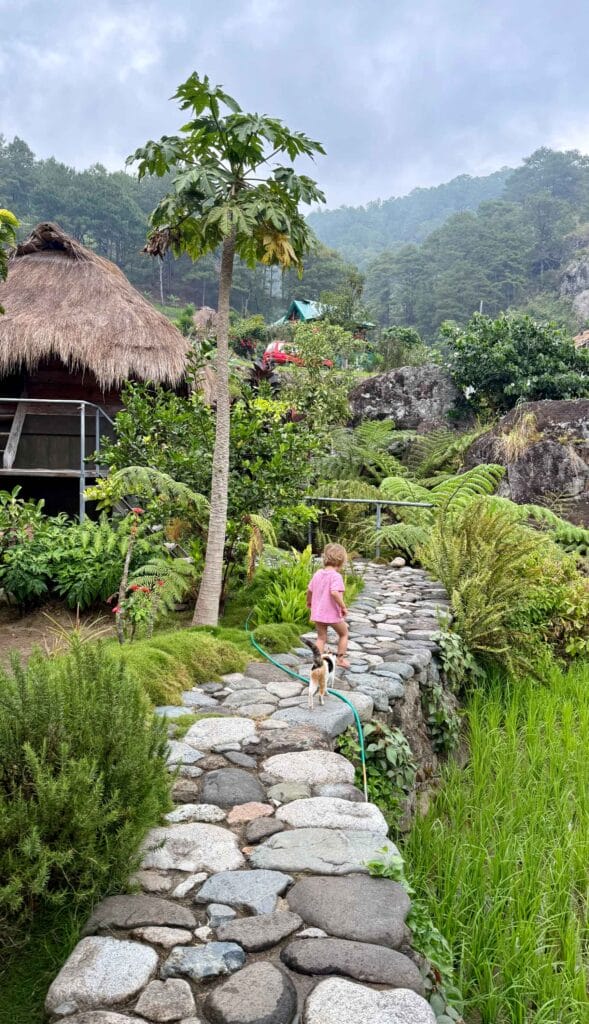
Inatô sources produce from the Good Food Community, which connects them directly with producers in the mountainous regions of the north. It’s also where I end my journey, with my son and his father surrounded by the viridescent rice terraces of the Cordillera Central mountains of north Luzon. Around 300 kilometres north of Manila, this quiet and remote region couldn’t be more different from the capital city. We’re staying at Pandey in Bauko, a traditional Igorot longhouse built around an open fire, with guest lodgings arranged around a sunken fern garden. There’s nothing around us but green.
Out-of-this world peanut butter, rich coffee, tart fruit-wine and, says Sid’s dad, the best rice in the world come from this region. We harvest what we eat each day – green peppers, gigantic spring onions, basil and tomatoes – coming up with ever more inventive ways of cooking them. Like everything in the Philippines, innovation comes from using what’s at hand.
Fish Feasts
The variety of fish served up in the Philippines, whether from the ocean or freshwater ecosystems, ranges from milkfish (bangus) to tuna species like tambakol and tulingan, snapper (maya-maya) and grouper (lapu-lapu).
Latest Articles
Don't miss the latest from Luxury Travel