
Cowboy country: Inside Argentina’s gaucho heartland
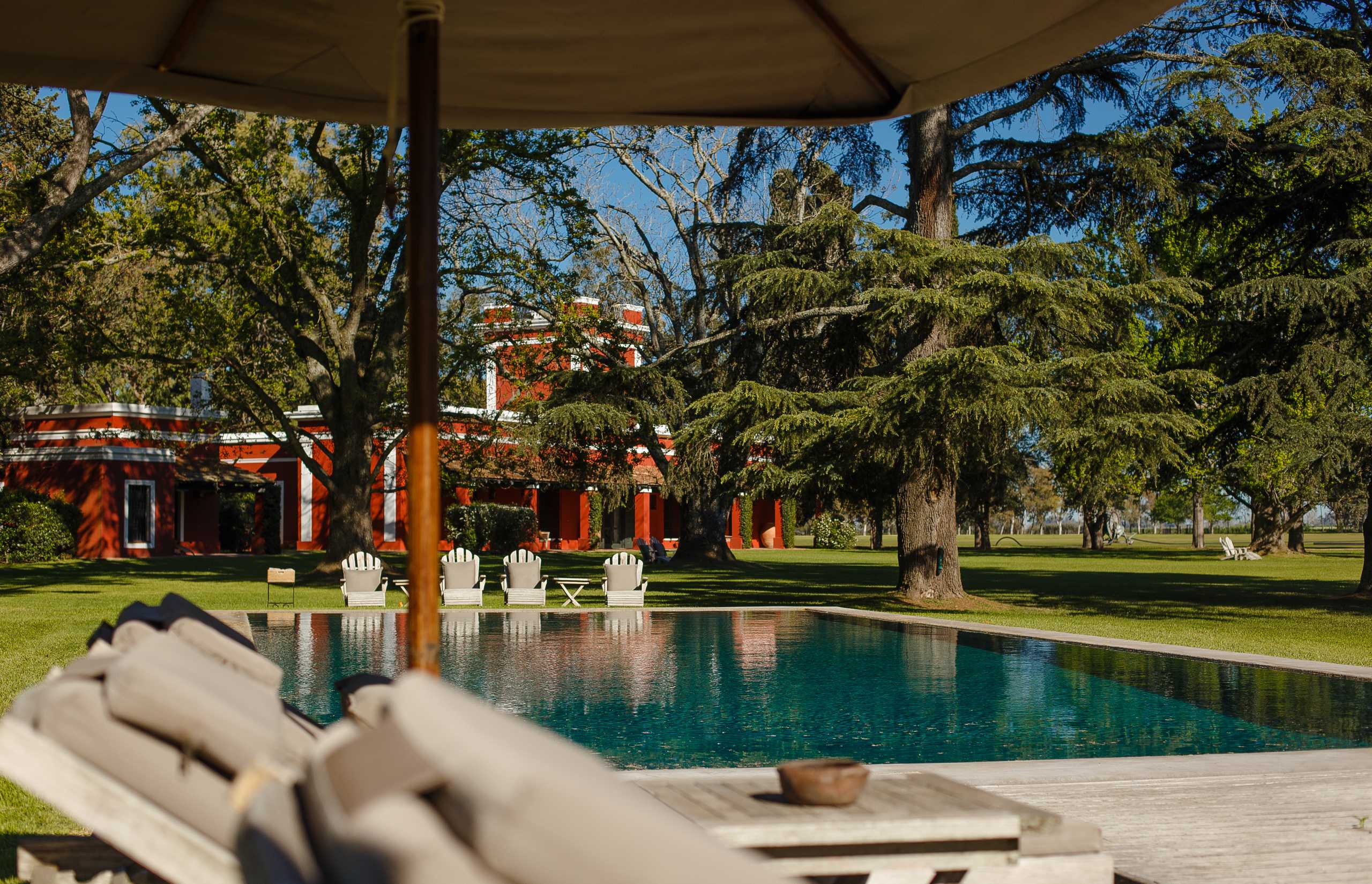
Bamba de Areco, credit to La Bamba de Areco
In the Pampas near San Antonio de Areco, Argentina’s gaucho traditions still shape daily life, from horsemanship and silversmithing to estancias, asado and long rides across the grasslands
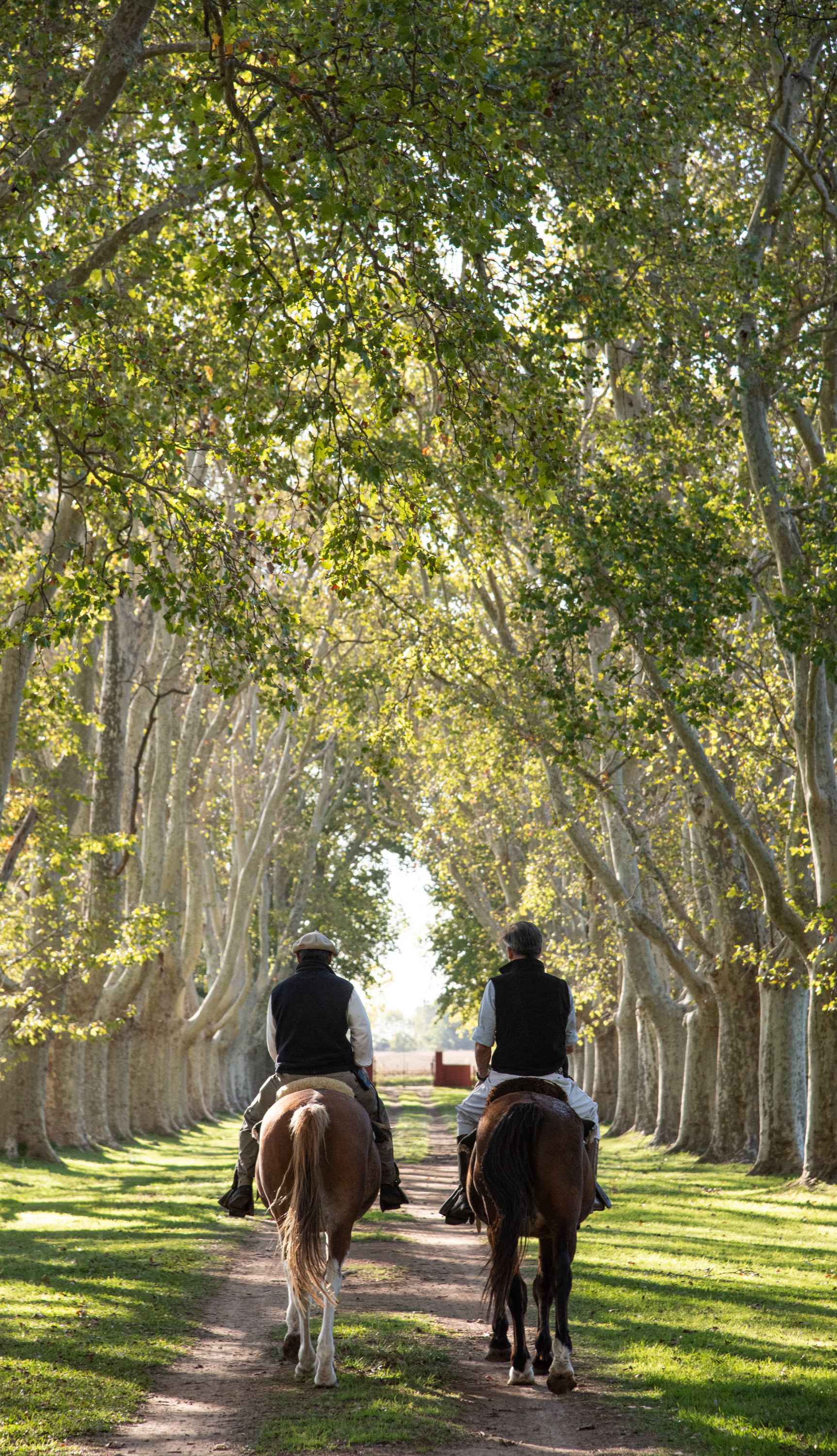
Inhaling the aroma of leather and hay, I hear my saddle creak as my body sways in time to my horse’s gait. An orchestra of buzzing cicadas and squawking parakeets surround me, like an out of tune band practice.
I’m near the Argentinian town of San Antonio de Areco, which locals call Areco. It’s only 90 minutes’ drive northwest of Buenos Aires, but city life feels far away when you’re on horseback in the company of a real life gaucho, or cowboy.
San Antonio de Areco’s rural roots
Situated in the Pampas, Areco is one of many towns that punctuate the region’s vast, fertile plains where gauchos once roamed.
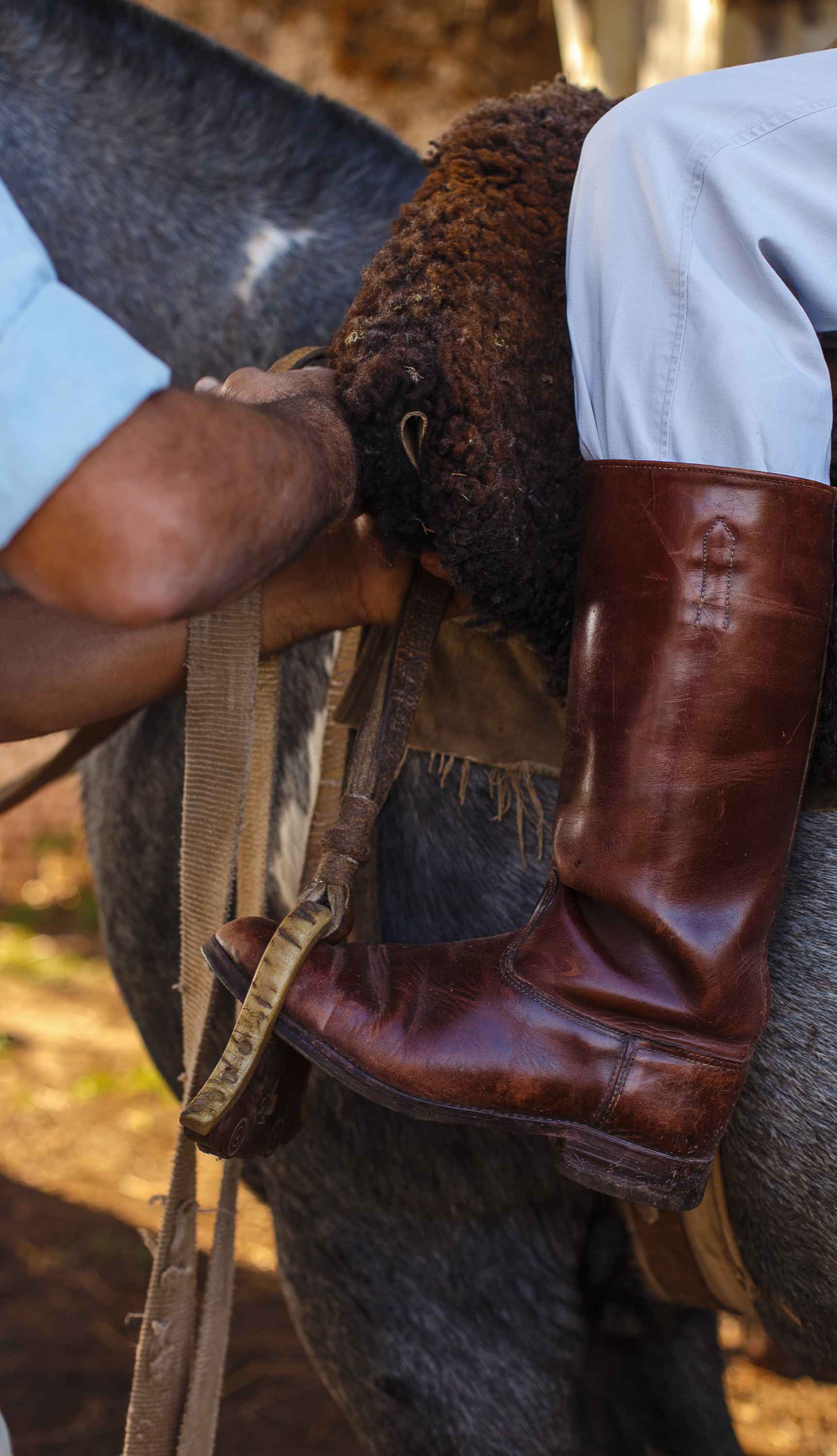
Manuel Carballido, who sells stirrups and leather bags at Casa Guerrico, explains the gaucho way of life. “In the 1800s, there were no roads, no trucks. Gauchos travelled long distances to work on farms, raise cattle, then move on,” he says, adjusting his boina (beret). “They love life in the country, and carry in their blood a love for old customs.”
These days, much of the Pampas is private farmland scattered with estancias (ranches), changing gauchos’ nomadic way of life. But Argentina is determined to keep their culture alive.
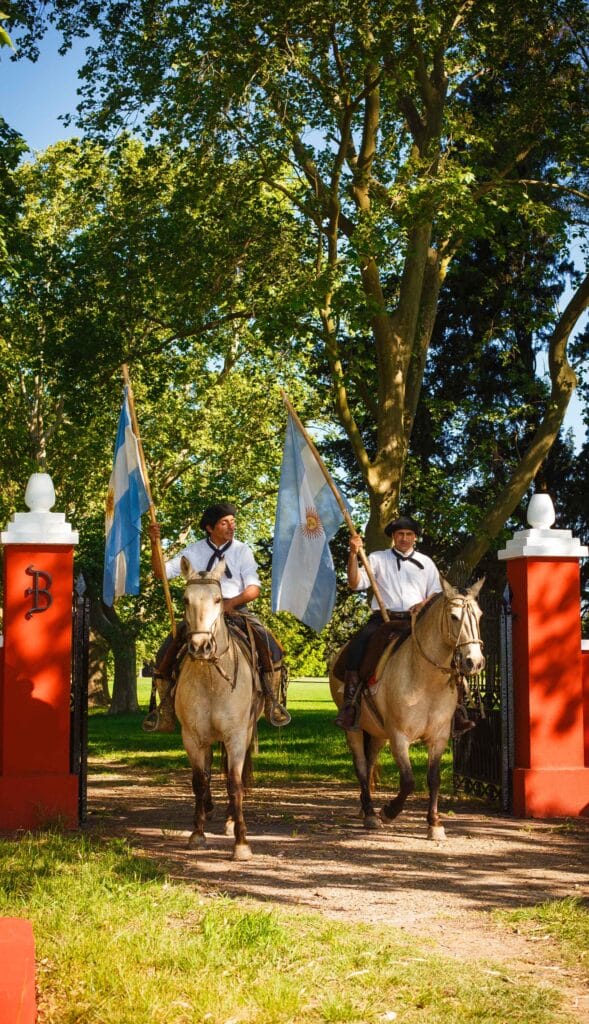
This is particularly evident in Areco, the setting of Ricardo Güiraldes’ 1926 novel, Don Segundo Sombra, about a boy who swaps village life for the freedom of the grasslands. Every November, Argentinians celebrate the traditions, skills and ethics he learns while becoming a gaucho at Fiesta de la Tradición. Guitarists play folk tunes as gauchos parade in their Sunday best then demonstrate their lasso skills, tame bucking horses and thread needles through rings while galloping on horseback.
But even if you can’t visit in November, you can still experience gaucho culture in Areco all year round.
Living the gaucho way
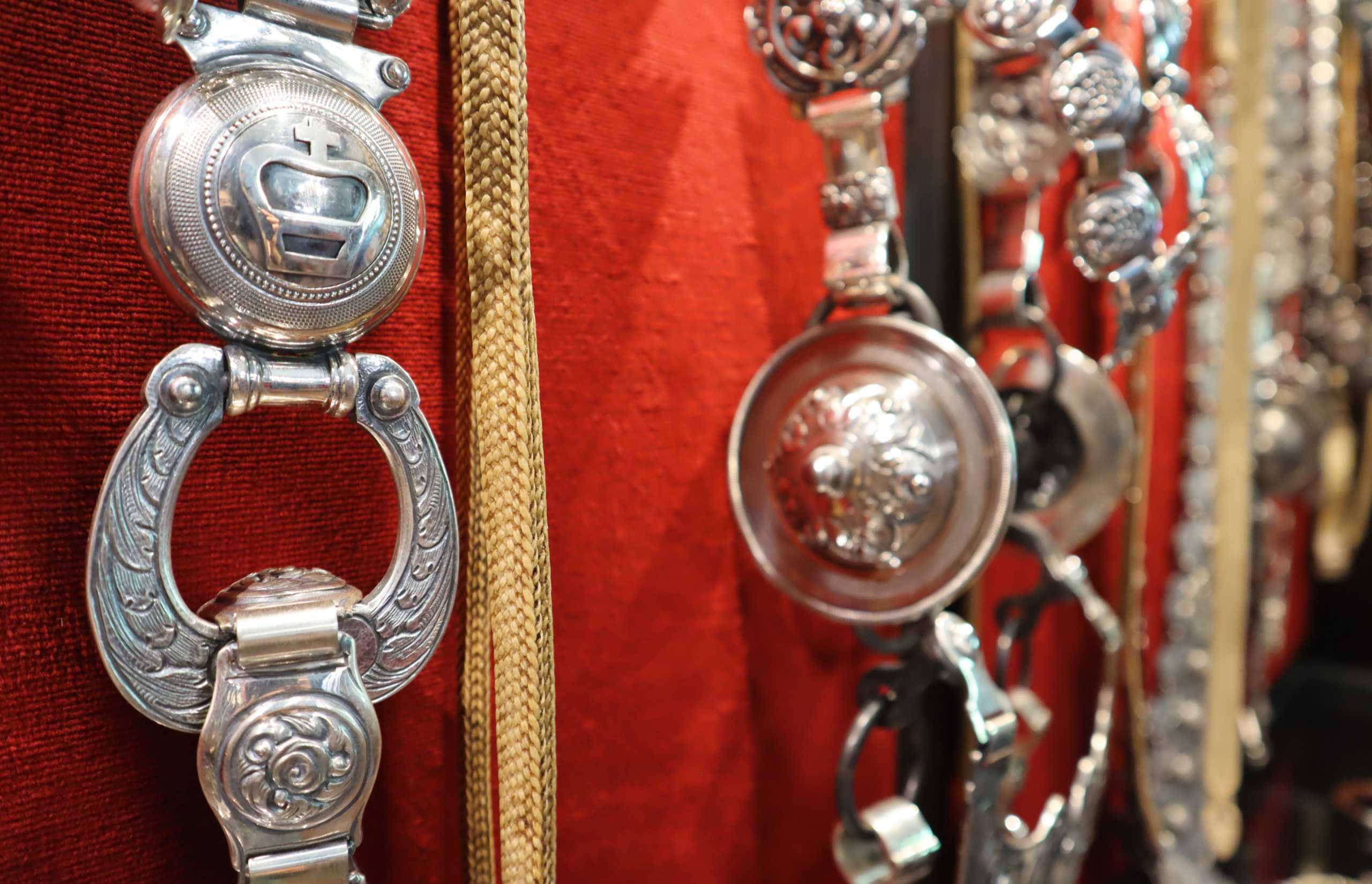
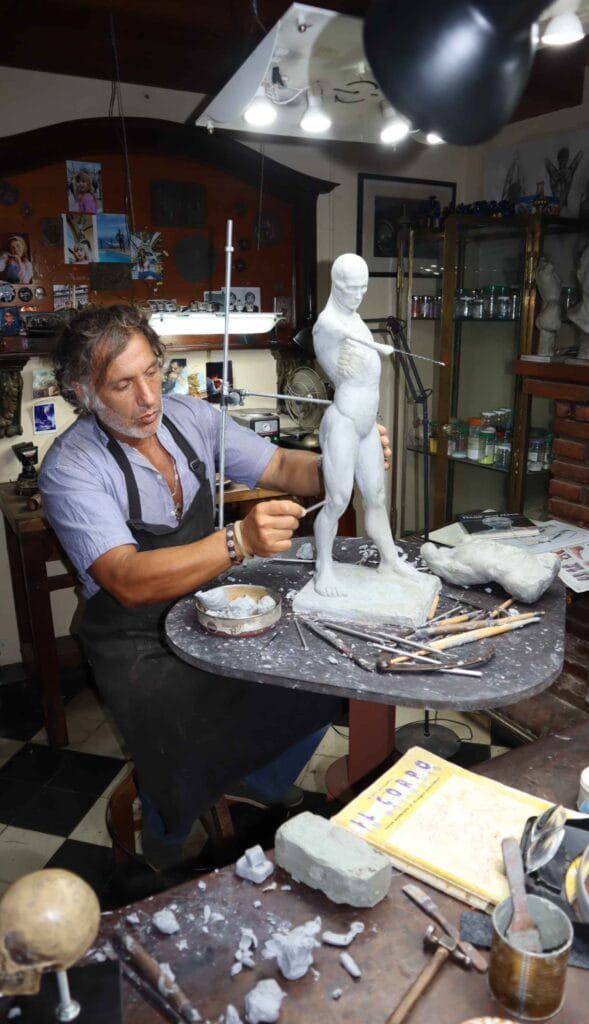
Jacarandas, wrought iron lamps and artisanal workshops decorate Areco’s cobbled streets, which burst with bougainvillea. A leafy square, named after a ranch owner, is the heart of the town. The plaza is flanked by a 19th century adobe chapel and Centro Cultural y Museo Taller Draghi, a private collection of 19th century knives, belts and stirrups. The eponymous founder made pieces for Spanish royalty, and now his sons lead silversmith workshops.
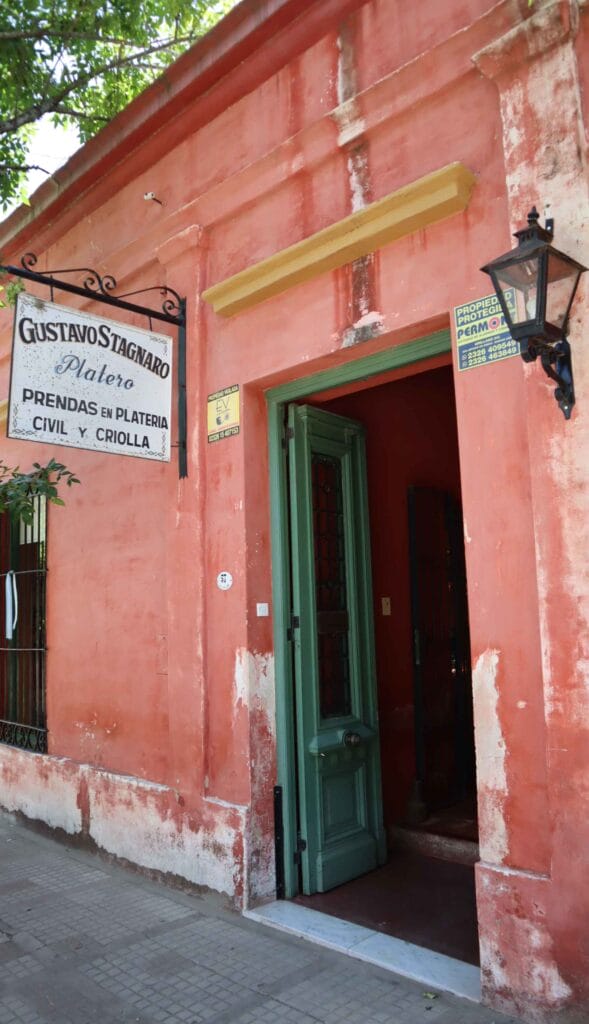
Nearby, Centro Cultural & Museo Usina Vieja displays farming equipment alongside gaucho cartoons familiar to Argentinians, while the surrounding avenues are peppered with shops such as Alejandro Alvarez Soguero and Gustavo Stagnaro Platero selling silverware, straw hats and hand-woven rugs.
Lunch is charcuterie, ribs and crescent-shaped empanadas (pies) at Almacén de Ramos Generales. Dating back to 1850, the restaurant is adorned with red and white checked tablecloths, an antique till and vintage bike. It’s Save La Olla de Cobre for dessert, as the chocolate shop serves alfajores – caramel and biscuit sandwiches rolled in desiccated coconut – which are as beloved to Argentinians as Lamingtons are to Australians.
Guitarists play folk tunes as gauchos parade in their Sunday best then demonstrate their lasso skills, tame bucking horses and thread needles through rings while galloping on horseback.
Country road: Three more cowboy stamping grounds
Mercedes
The town of Mercedes is known for Lo de Cacho Di Catarina, a charming pulperia established in 1830. Its crumbling façade reveals a dusty interior: shelves are stacked with ceramic vases; salami and rusty gas lamps hang from the ceiling and an original Wanted poster for a notorious gaucho graces one wall.
Canuelas
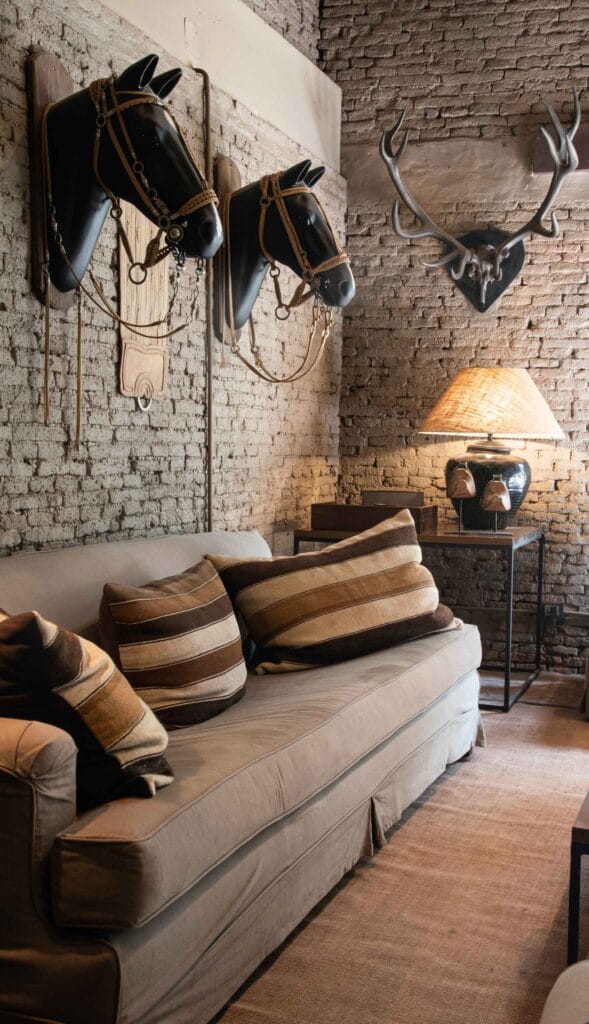
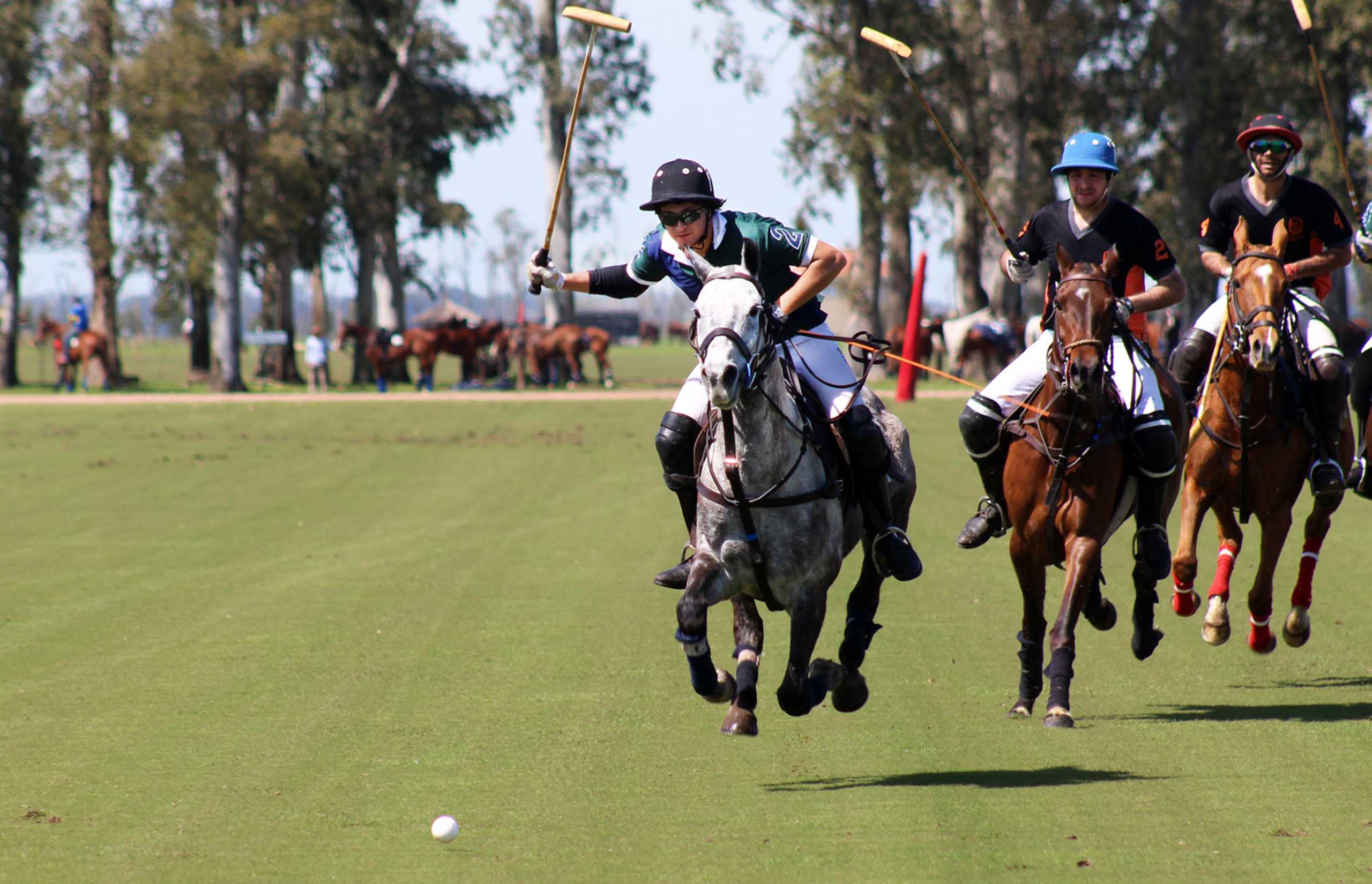
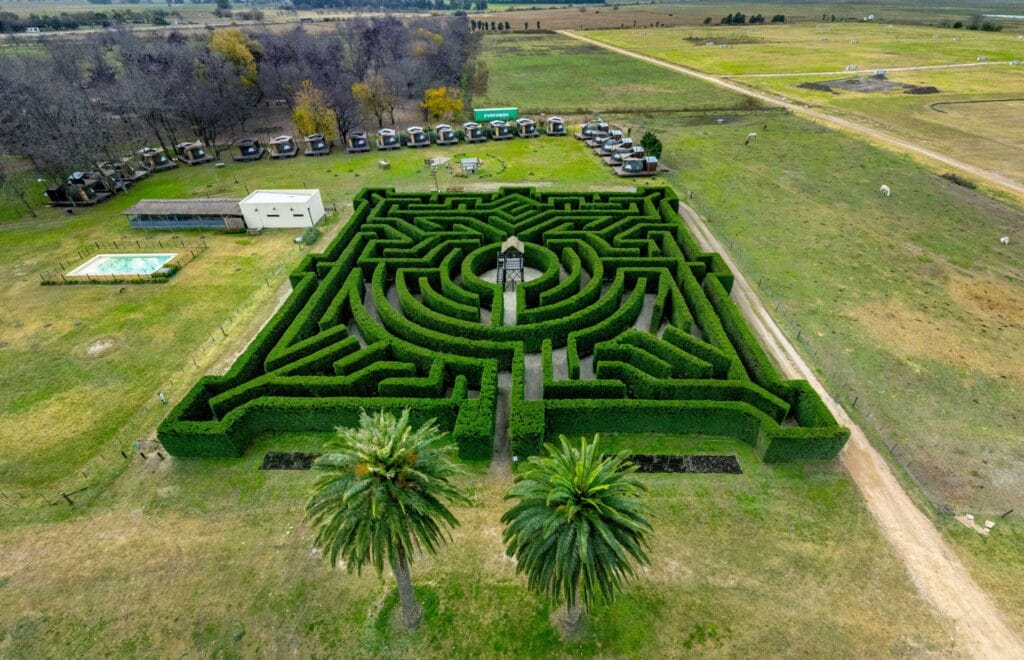
Puesto Viejo is a boutique hotel on a 220-hectare estate near Canuelas. Named after the owner’s favourite horses, its 10 rooms are garnished with antique furniture, milk pails and cartwheels. Guests can horseride day or night, take riding and polo lessons, watch matches or attempt a pine maze. Chefs prepare dinner with home-grown vegetables and lamb raised in the grounds.
Tandil
Nestled among craggy peaks, Tandil is an attractive, cobblestoned town. Museo Histórico Fuerte Independencia displays horse-drawn carts, lassos and hearths gauchos used to boil mate and roast asado (meat). Shop for knives made by César García at El Candil Artesanias Tradicionales, then explore the nearby lodge Hosteria Ave Maria on horseback or on horse-drawn carriages.
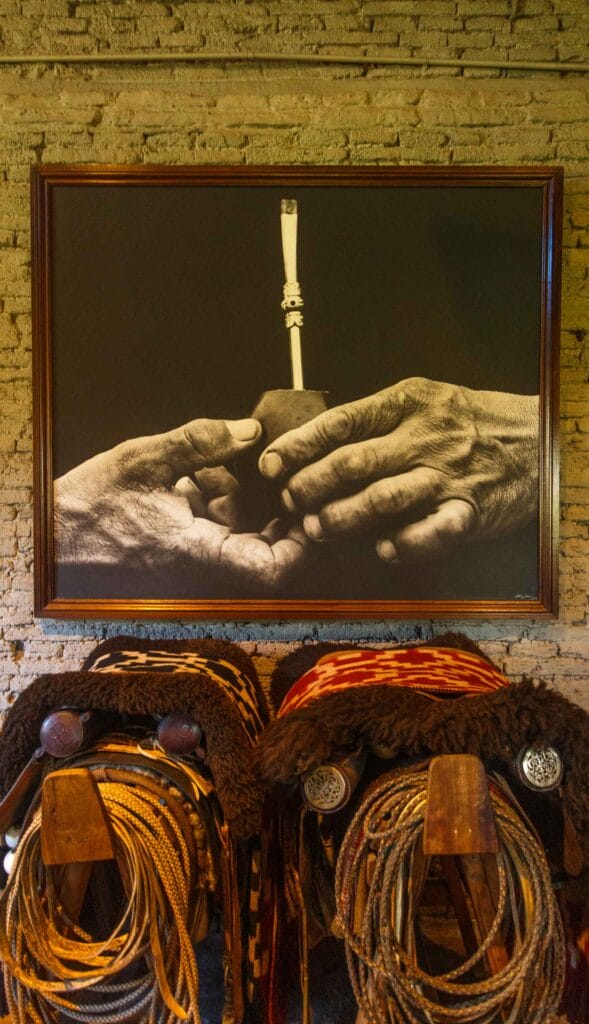
In the afternoon, lose yourself among La Cinacina Estancia’s bamboo maze, which is inspired by silversmith designs, then cross the bridge to the northern side of Areco River to visit Museo Gauchesco Ricardo Güiraldes. Modelled on a ranch, its collection includes guns, ponchos and chalices from which Argentina’s national drink, the herbal mate, is sipped. The museum is inside Parque Criollo, the site of Fiesta de la Tradición.
You can also horseride around La Bamba de Areco with stablehand Juan Martin, who describes himself as a modern day gaucho. “I study agriculture engineering during the week,” he says, “Then check the cows and party at the weekend.”
At dusk, order drinks at Balthazar, a 120-year-old pulperia (tavern). Old rocking chairs and an antler chandelier hang from its triple height ceiling, while dusty globes line its shelves. Nearby, the bar Lo De Tito is embellished with gas lamps, a well pump and black and white photos of horses.
Later on, the scent of sizzling steak will draw you to Colorado, where chef and farm owner Ignacio Ortiz de Rosas draws on skills developed in Madrid. Feast on rib eye under the stars, just like gauchos once did.
Journey notes
Where to stay
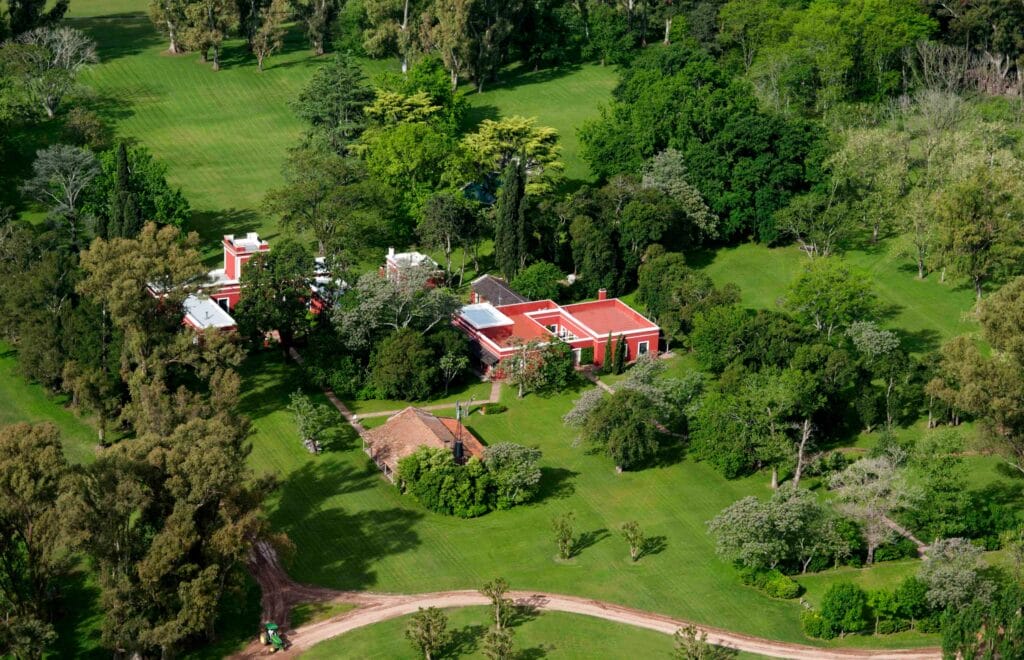
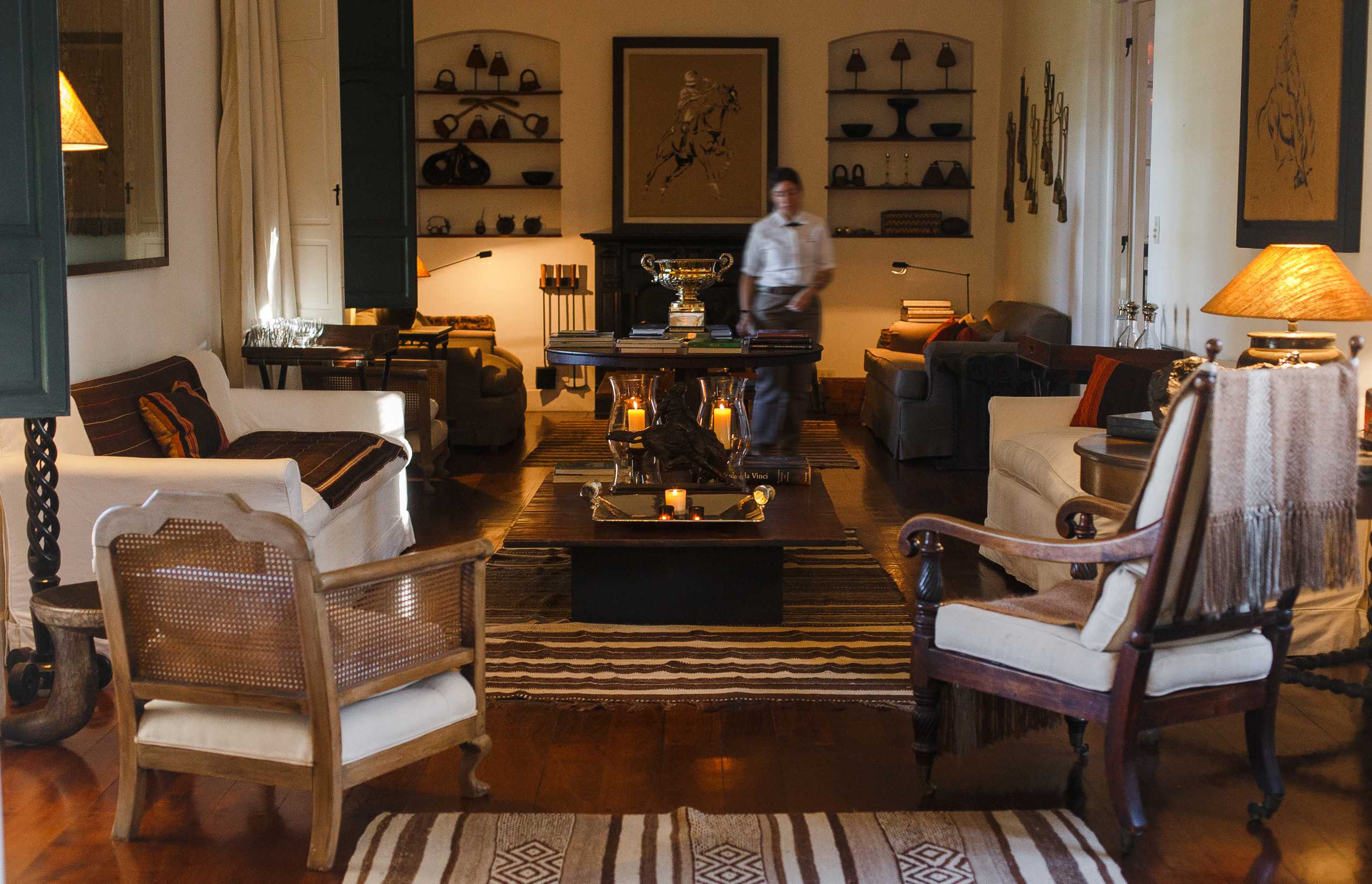
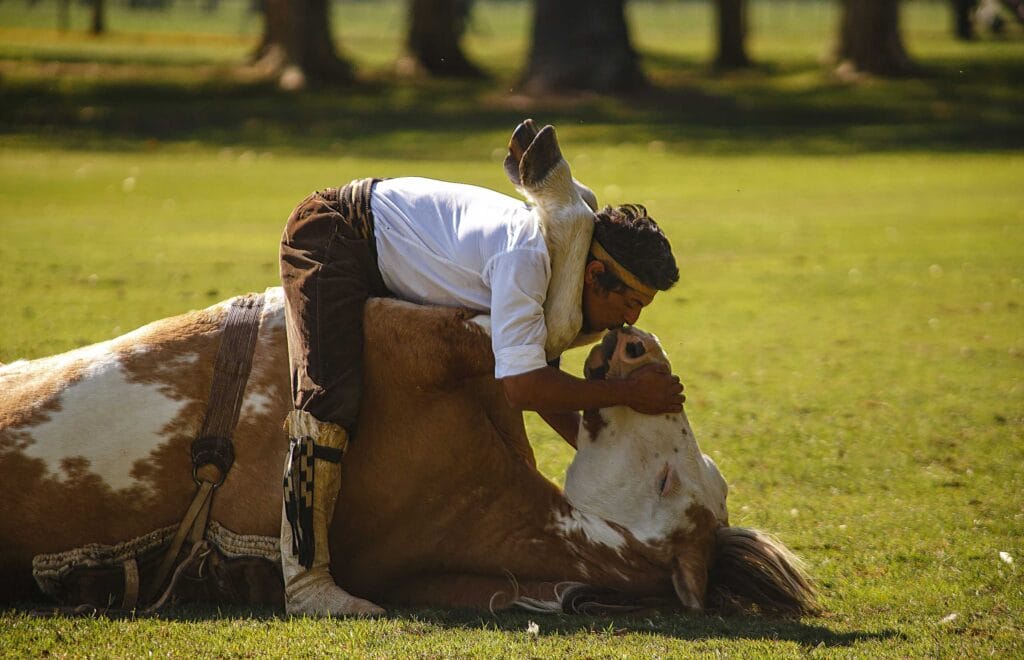
The Areco River and a boulevard of plane trees wind through La Bamba de Areco’s estate. Built as a coaching inn in 1830, this listed estancia was renovated in 2010 and is now a Relais & Chateaux property. Its 11 rooms are named after famous polo horses, and each feature dark wooden floors and rattan chairs. Guests can fish, horseride and observe the bond between horse whisperer Doma India and Milonga, who he massages into yoga-like positions. Rooms, meals and horseriding cost from ARS$600,000 ($590) per night based on two sharing.
Getting there
Qantas and LATAM are among the airlines that fly from Sydney’s Kingsford Smith Airport to Jorge Newbery or Ezeiza International Airport, Buenos Aires, usually via Chile, for around $3,000 return. Take a taxi or Chevallier bus ($18 return) from Terminal de Retiro in Buenos Aires to San Antonio de Areco.
Latest Articles
Don't miss the latest from Luxury Travel