
Norway Food & Wine
Expedition dining at Iris: Norway’s floating fjord restaurant
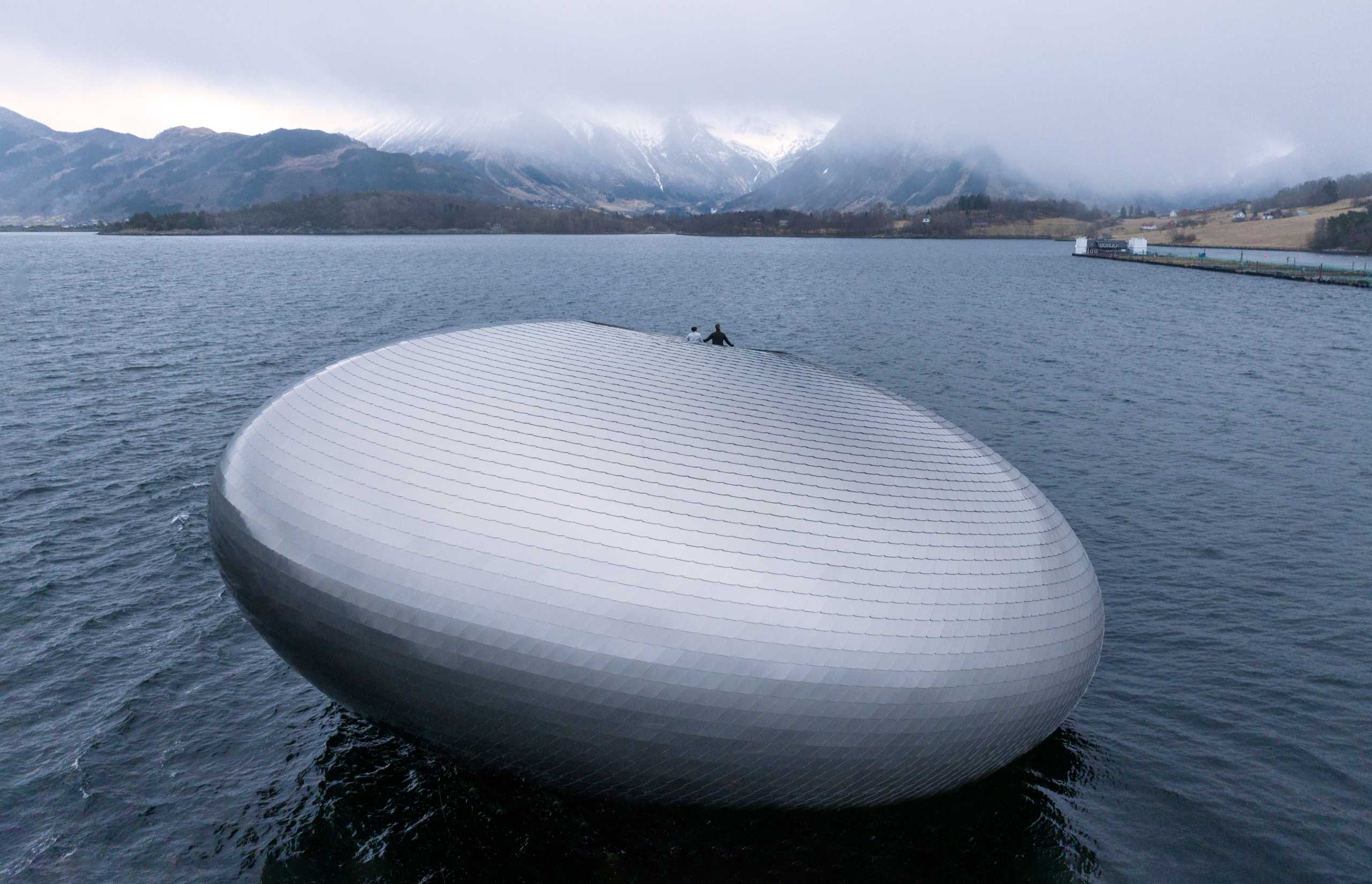
Iris Norway restaurant
At this off-grid Norwegian restaurant perched above a fjord, expedition dining means more than a meal – it’s an invitation to reassess everything you thought you knew about food
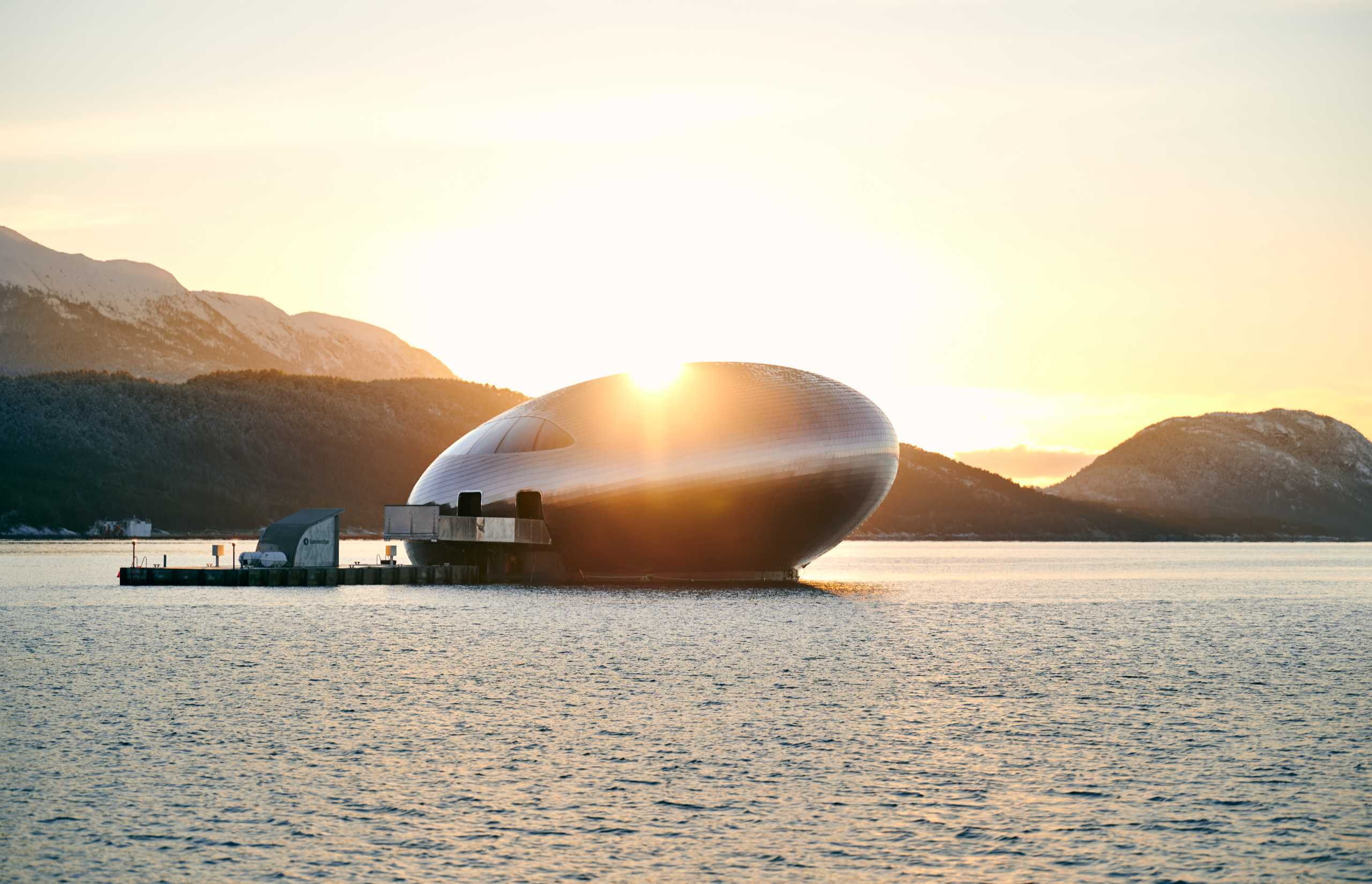
In Norway’s Hardangerfjord region, where glacial peaks rise from deep blue waters and the landscape seems carved by myth, sits a restaurant that defies words. Iris, part of the floating art installation known as Salmon Eye, is moored off the coast of Snilstveitøy – a remote island with more goats than guests, and just enough mobile reception to summon the boat that takes you to your table. Getting here is part of the story, and that’s entirely the point.
“Expedition dining is all about folding meaning into the experience,” says Anika Madsen, the Danish-born chef at the helm of Iris. “It’s like spiritually bringing people out of their comfort zones and inspiring them in a literal sense.” For Madsen and her team, the act of dining isn’t a static moment – it’s a journey. “One thing we never thought of was the fact that our guests really do experience long-lasting memories not only with the ones they came with, but also with the people they meet while dining with us.”
Meet the chef
Before she was serving up foraged herbs and pale salmon in a floating orb in Norway, Anika Madsen was carving out a name for herself in Copenhagen’s culinary scene, working in some of Denmark’s most innovative kitchens including the acclaimed Kadeau, known for its modern take on Bornholm island flavours. She went on to become head chef at ROCKS, an experimental seafood concept in the Danish capital, where her curious approach to underused ingredients – like seaweed, fish offcuts and unconventional herbs – earned her recognition for pushing boundaries while respecting Nordic tradition.
Opening eyes – and palettes
Madsen’s culinary reputation has been on a steady ascent since Iris opened, culminating in her recognition as Michelin’s ‘Young Chef of the Year 2024’. “Honestly, it feels incredibly humbling,” she says. “It really shows that all the hard work we put in daily pays off. Opening a restaurant on a floating art installation where Mother Nature calls the shots has been a wild ride. This award tells me we’re onto something special and unique.”
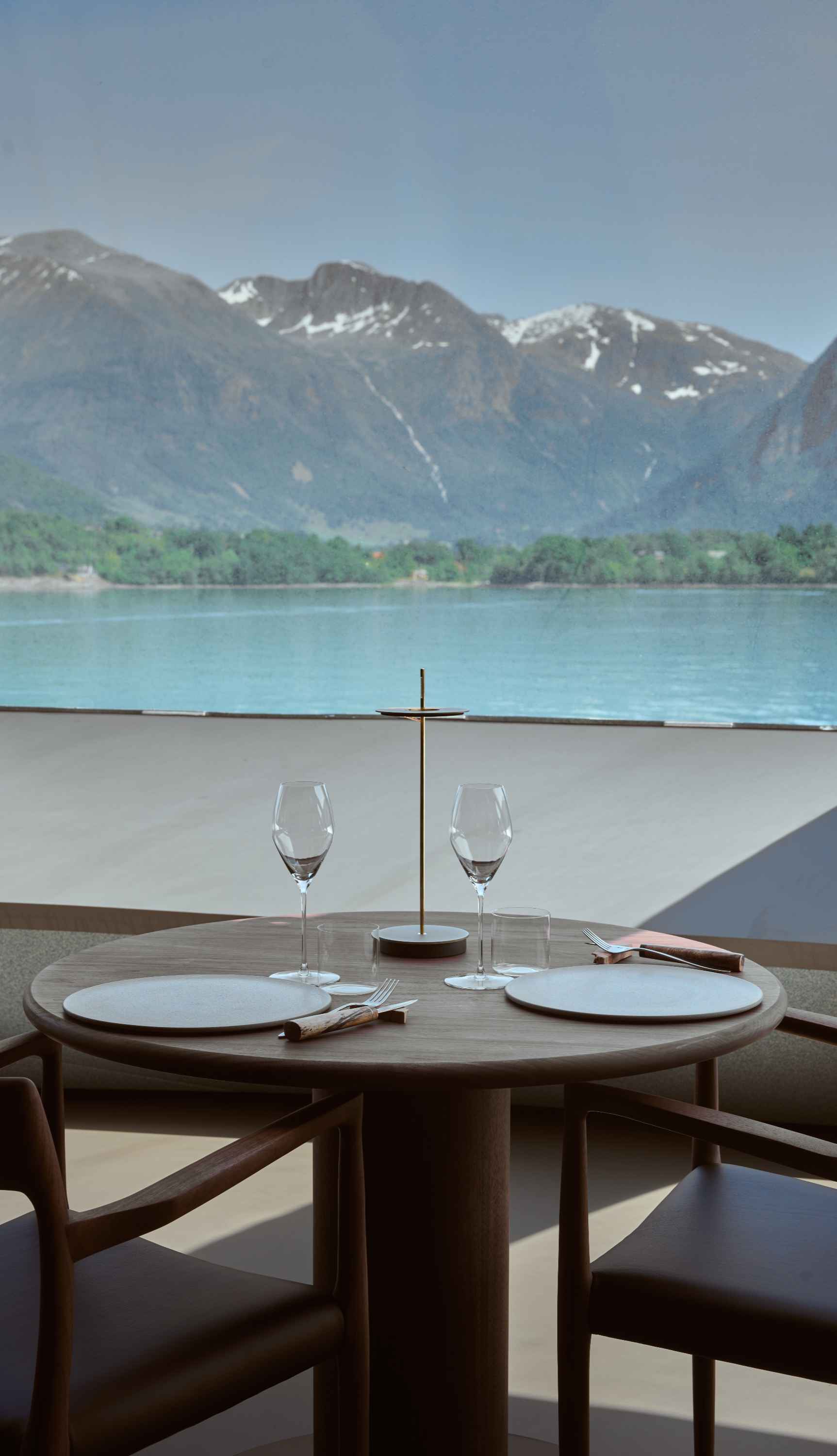
The setting itself is equal parts science fiction and Scandinavian folklore: a shimmering silver orb floating on the fjord, surrounded by forested peaks and endless sky. Inside, the architecture is minimal and elemental – wood, stone, soft lighting – all designed to let nature star. But while the views are unforgettable, it’s what’s on the plate that truly takes your breath away.
Nature rule
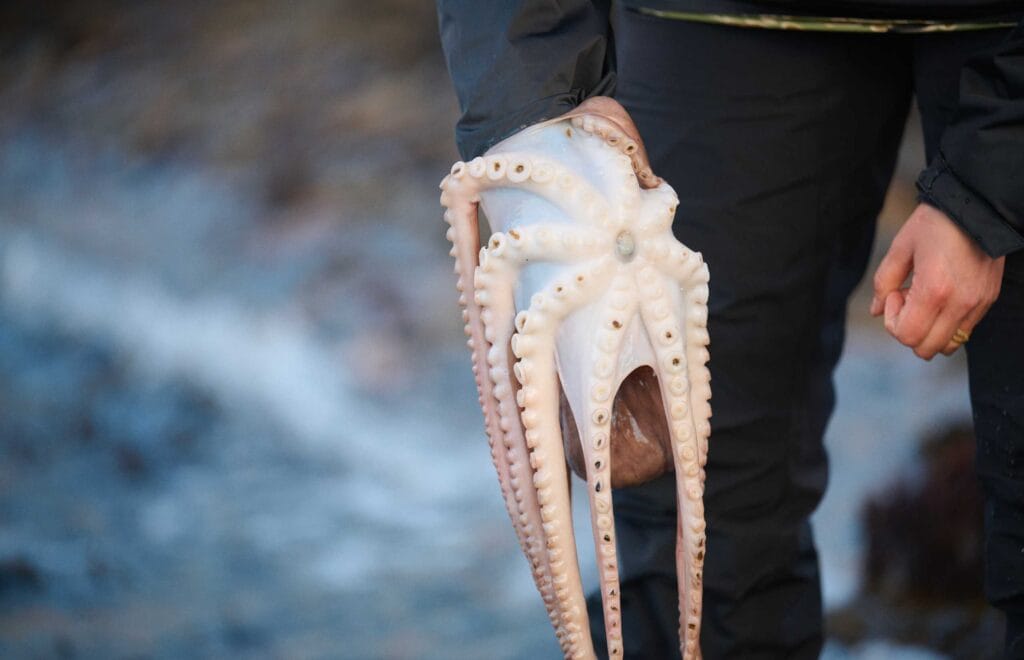
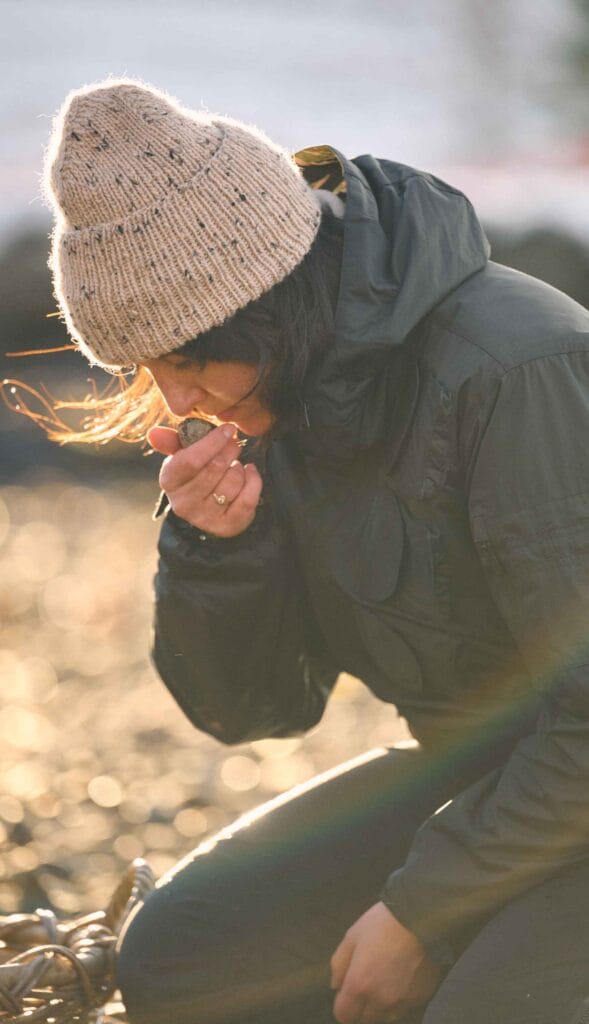
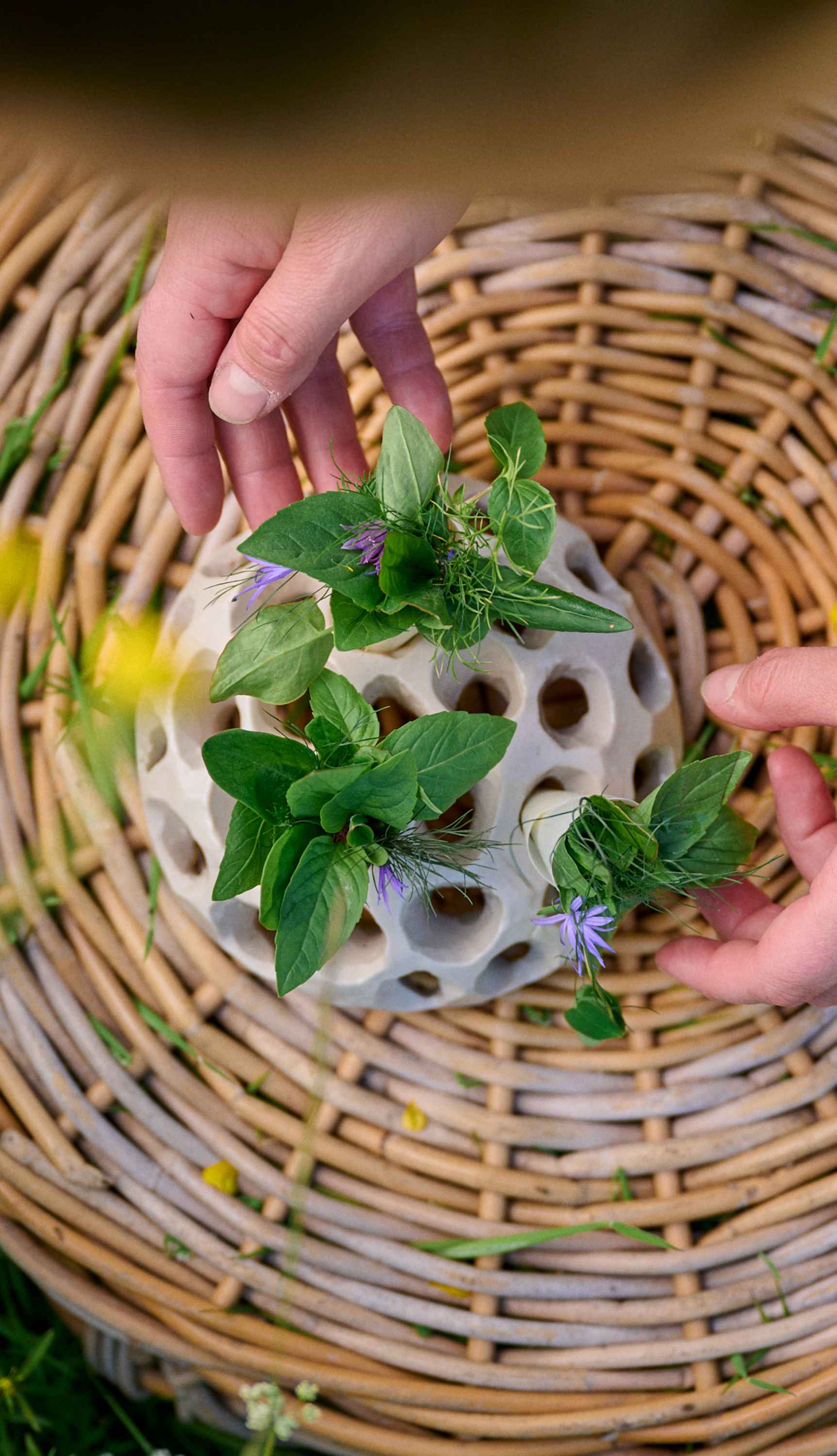
At Iris, the menu is driven by both terroir and time. There’s no set seasonal offering – instead, dishes evolve week by week, sometimes day by day. “The weather can change in an instant,” says Madsen. “Not just from season to season, but from hour to hour. It’s all about seizing the moment when it’s right. Like in summer, when wild raspberries, blackcurrant leaves and rosehips are ripe. We forage while we can, knowing that next week might be too late.”
This improvisational spirit gives Iris its heartbeat, but it also reflects a deeper culinary philosophy. Rather than rely on expected fine-dining ingredients, Madsen actively seeks out the overlooked, the undervalued and the unusual. “Right now I’m super excited about using pale salmon in a dish,” she says. “It’s a great way to raise awareness about farming – like how the feed affects its colour. It brings up interesting questions, like: Is salmon really salmon to us if it’s not that classic orange-pink hue? How much do we eat with our eyes?”
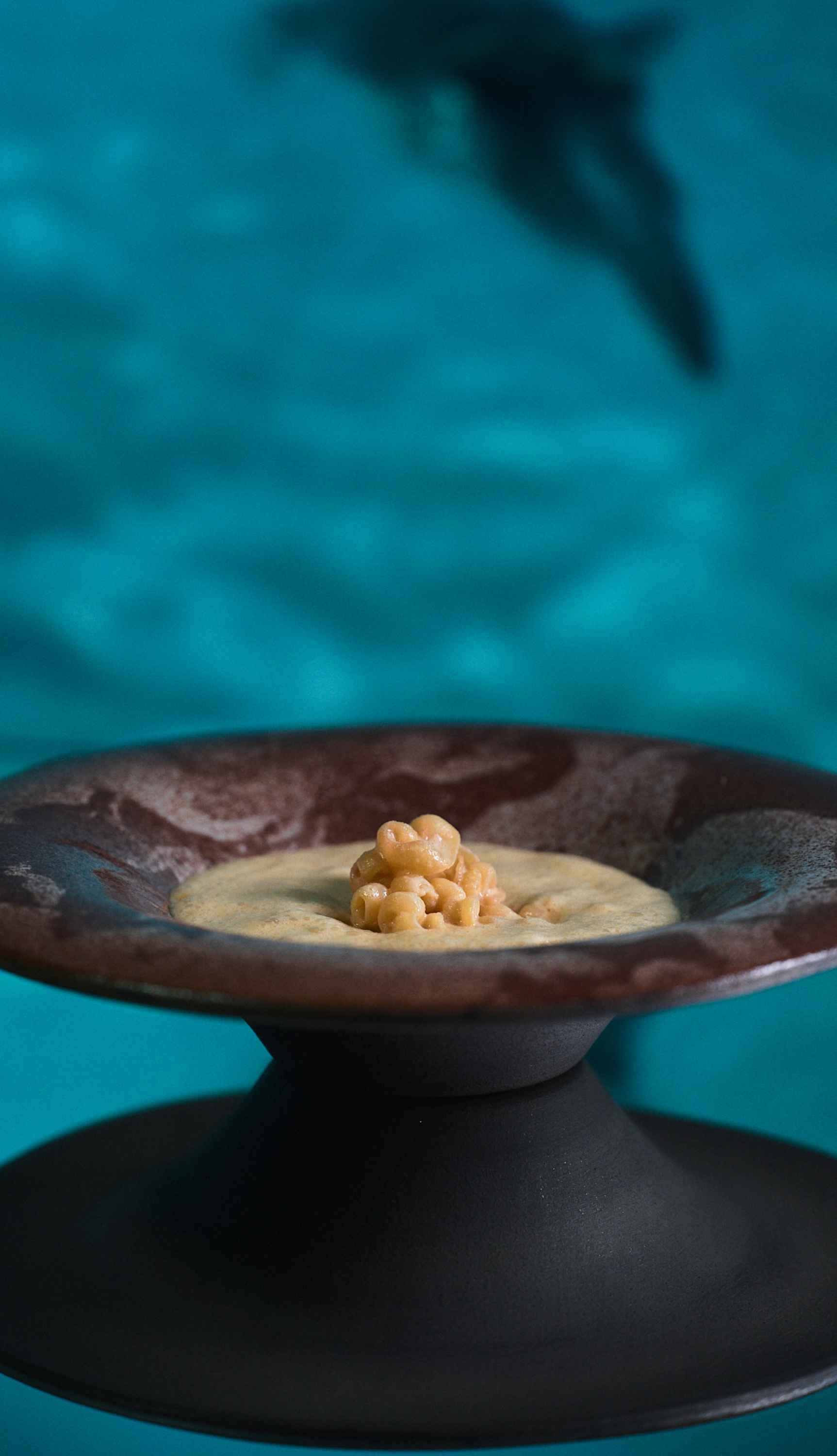
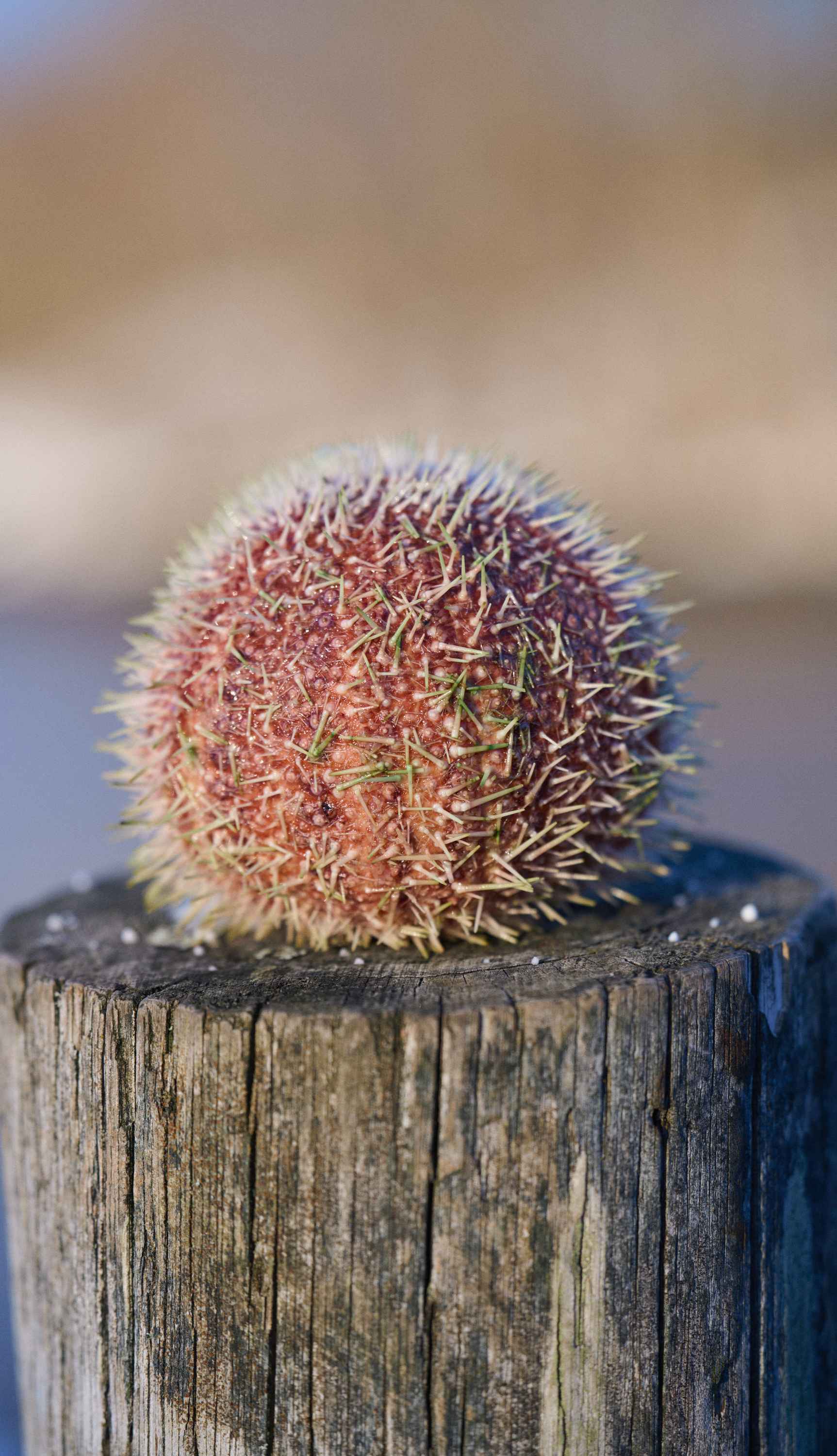
The dish, fittingly, is called ‘Colorblind’. It’s emblematic of Madsen’s broader mission – to provoke, educate and inspire, all through a spoonful. “I genuinely hope that the food and ingredients we serve can create ripples, changing how we all think about food, even at home,” she says. “It’s all about shining a spotlight on new perspectives. With the world needing to feed more mouths in the future, sometimes the potential is right under our noses.”
That ethos extends beyond the kitchen. In this part of Norway, local producers are few and far between, and relationships take time. “Moving to Norway with my partner )and Iris’ general manager) Nico Danielsen has really opened my eyes to the differences here in Scandinavia,” she says. “In Vestlandet, you sometimes have to knock on people’s doors to uncover those unique stories and ingredients. It takes time, but that’s part of the beauty. Nature has been in control here for centuries, and there’s a certain patience in the Norwegian culture that I think we could learn from in this fast-paced world.”
That patience has led to partnerships with farmers and foragers who know how to read the land like a language. “We work with a local farmer in Rosendal who loves experimenting with different seeds and plants for us,” Madsen says. “We also dig into traditional recipes for dishes, pastries and breads, giving them our own twist while respecting their roots.”
Nature has been in control here for centuries, and there’s a certain patience in the Norwegian culture that I think we could learn from in this fast-paced world.
Iris in a mouthful
Some of Madsen’s memorable past dishes have included:
Birch Sap Consommé – Delicately clear broth infused with spring-harvested birch water, forest mushrooms and pine oil, served warm in hand-thrown ceramic cups.
Wild Raspberry & Black Currant Leaf Tart – A seasonal dessert made with hand-foraged berries and a pastry crust inspired by traditional Norwegian baking techniques.
Lamb Heart Tartar – Lightly cured and chopped with horseradish cream and pickled spruce tips, showcasing how underused cuts can be elevated in fine dining.
Moss Bread – Housemade bread using local grains and moss-based leavening, served with cultured butter and sea salt smoked over juniper wood.
Remote and ravishing
There’s also the physical challenge of living and working in a place as remote as Snilstveitøy. Madsen laughs when asked about daily life. “It’s definitely tough! We’re city folks at heart, but we fell in love with the idea of living in a place that’s the complete opposite of that –hence our move here. But it’s not all sunshine and rainbows. Everything has to come by boat, and now with a baby, you’ll catch us lugging around a diaper bag, groceries and even emergency water if our well runs dry.”
And yet, despite the logistics – or maybe because of them – Iris thrives. The remoteness adds layers to the experience, from the anticipation of arrival to the intimacy of each meal. Guests are welcomed as travellers, not customers; the table is set not just for nourishment, but for reflection. “Nature isn’t there to be taken advantage of – it’s there to be a partner in life’s journey,” Madsen says. “And if we can learn to embrace it again, we’ll be all the better for it.”
Editor’s Update 24/02/26: Iris recently closed its doors. Readers who are interested in Iris and Salmon Eye should visit Under for a similar experience in Norway.
Latest Articles
Don't miss the latest from Luxury Travel