
Partner Story
Malta, for the traveller who thinks they know Europe
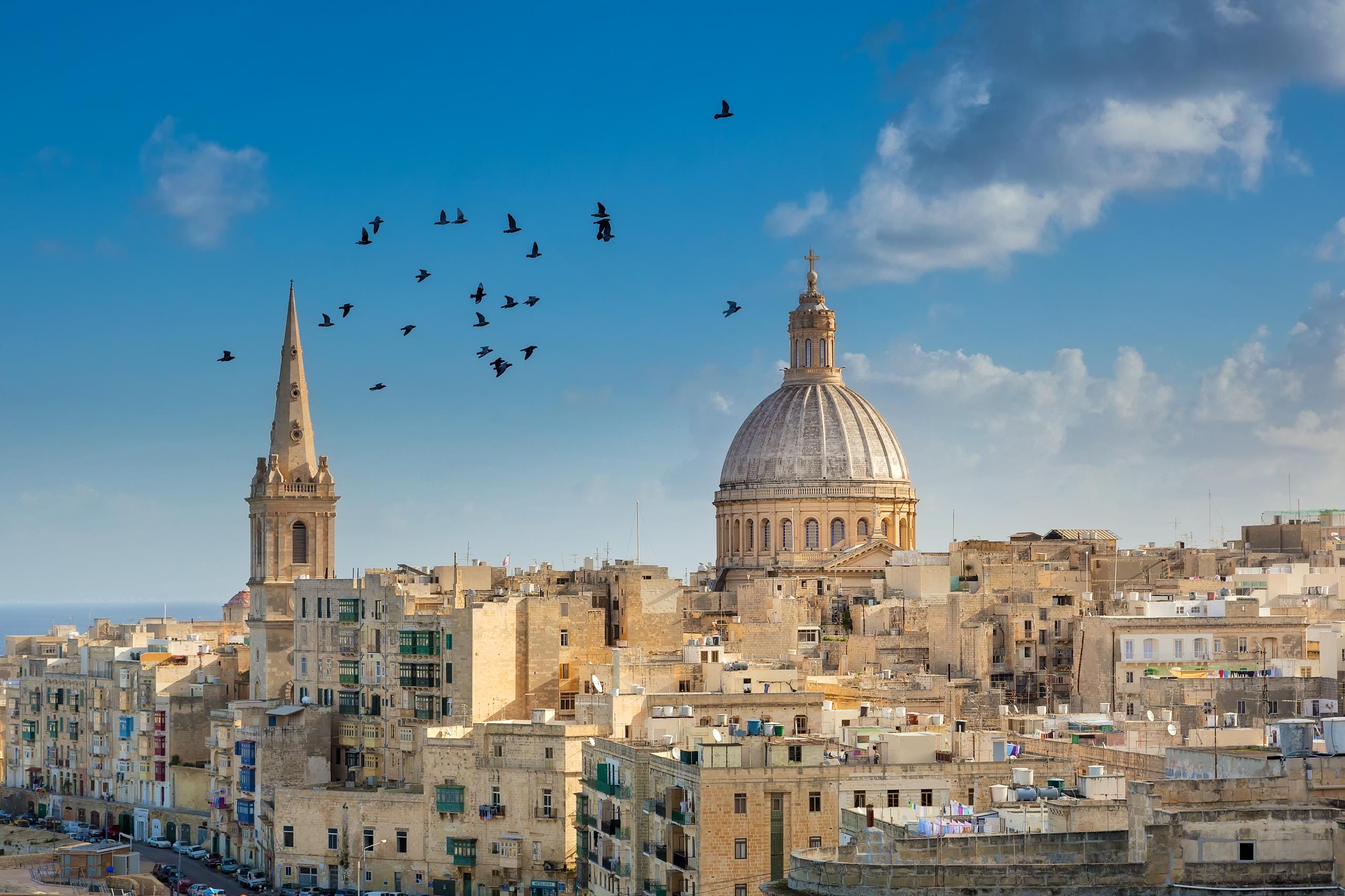
Valletta, featuring the prominent dome of the Basilica of Our Lady of Mount Carmel and the spire of St. Paul’s Pro-Cathedral rising above traditional limestone rooftops.
The question keeps appearing in travel searches: is Malta worth visiting? The answer, for a certain kind of traveller, is an emphatic yes, and the reasons are not the ones you might expect
Europe is a colossus. As the birthplace of world-shaping civilizations, the seat of empires and today, a collection of diverse cultures and societies, there’s a seemingly never-ending list of places to visit. There’s one country though, which underpins all others. Whether you’re planning a trip to the historical big-hitters of Rome or Berlin, or perhaps seeking sun and serenity in the French Riviera, the three-island archipelago of Malta has connections with them all.
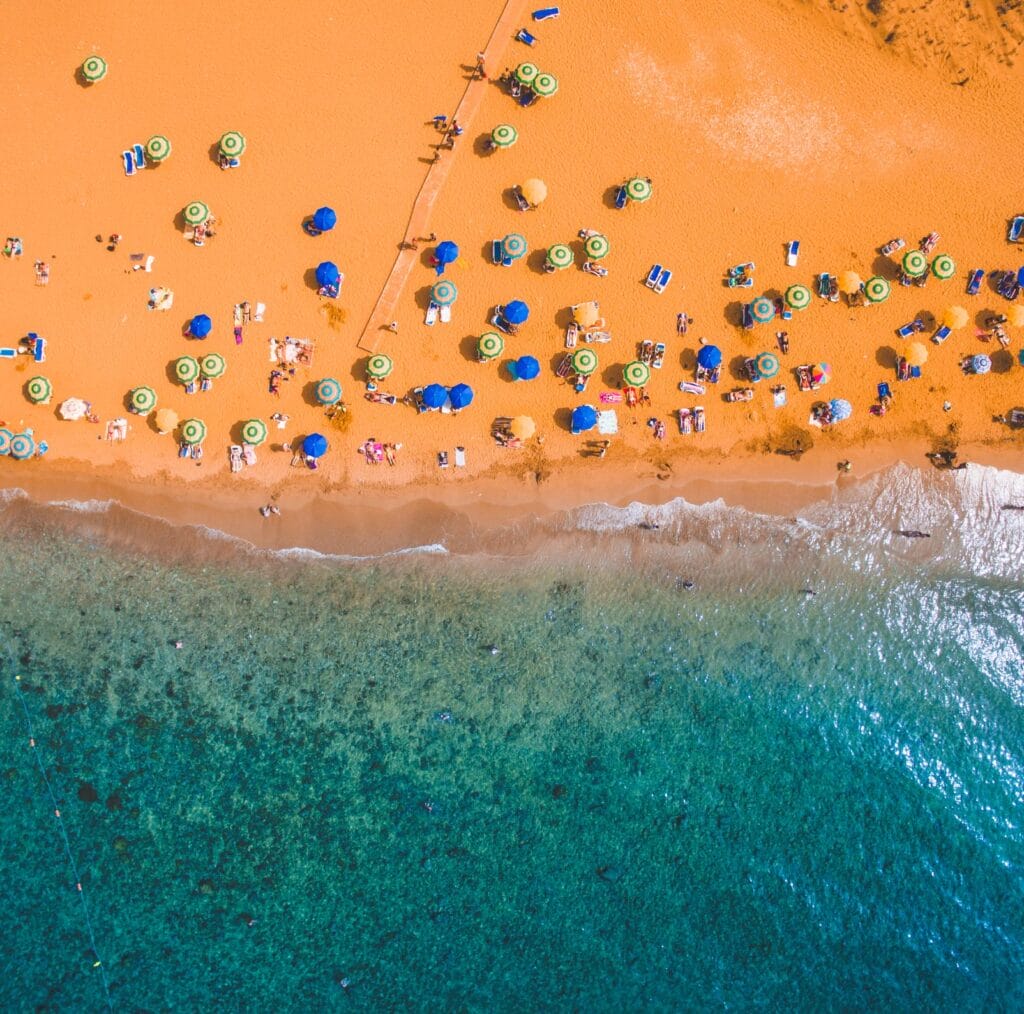
Just 96km south of Sicily, and some 280km north east of Tunisia, Malta’s modest 312 square kilometre isles have been fought over by ruling civilisations for centuries. Its three islands – Malta, Gozo and Comino – house some of the first man-made buildings on the planet while also playing host to a revelatory culinary scene that goes far beyond traditional Mediterranean stylings. From epic history to cultural curiosities, here’s why Malta is an essential add-on to your next European escape.
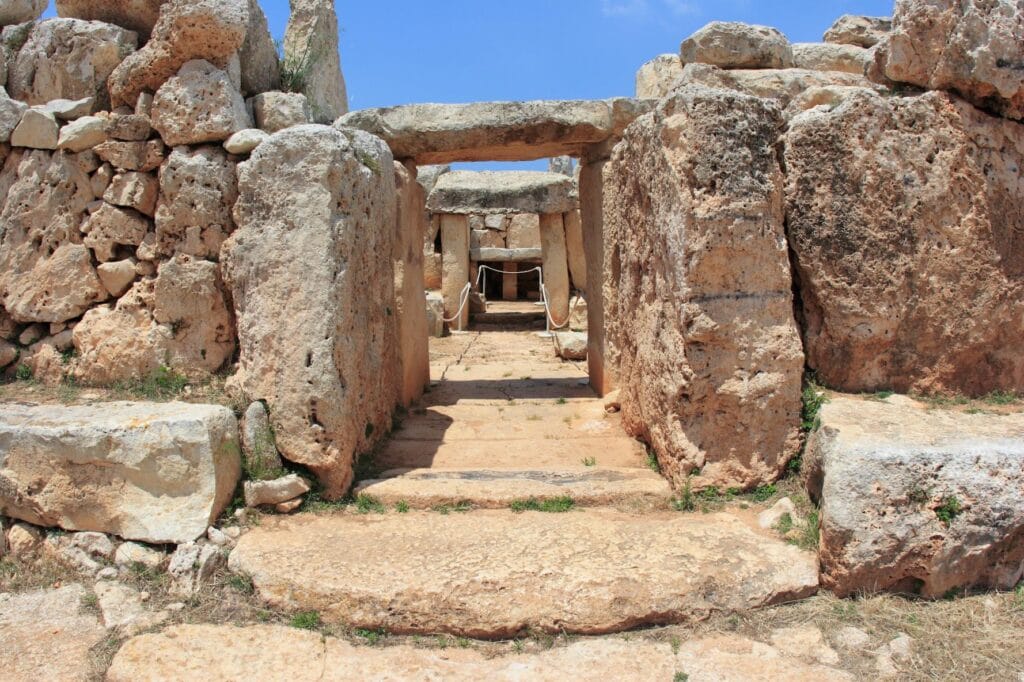
Pick an era, Malta’s got something to show for it. Sprawled across these limestone landmasses are some of the oldest manmade structures in existence. Visiting Malta’s storied isles with Ormina Tours means you get to experience some of its most significant, such as the historic Ħal Saflieni Hypogeum, a three-story underground burial complex dating back some 5,000 years. You’ll also pay a visit to the Ggantija temples in Gozo – meticulously structured sites of worship – which were erected in 3,600BCE, eons earlier than the Great Pyramids of Giza. Naturally, both are on the UNESCO World Heritage List and offer unbeatable insights into the life of early man.
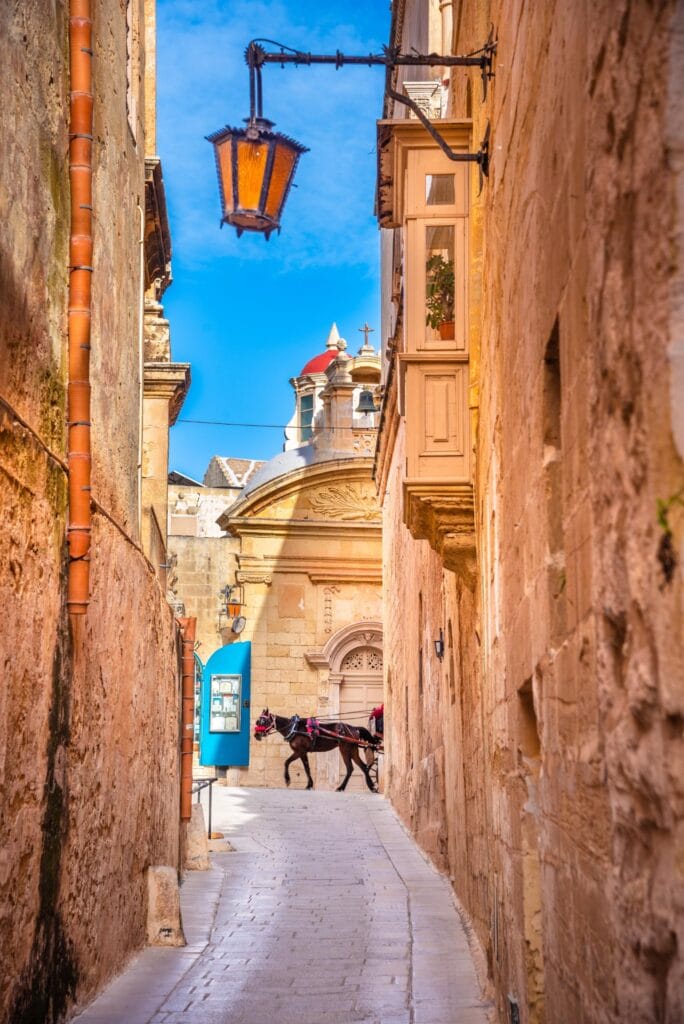
Occupations by the Phoenicians, Romans, Arabs, Ottomans, French and British have all left a mark here, too. Arabic heavily influenced the Maltese language, while evidence of Rome’s domination can still be seen in cart ruts carved into the limestone coastlines. When the Knights Hospitaller claimed Malta as their base of operations in the 16th-century, they constructed the immense fortifications which provide the basis of today’s breath-taking Grand Harbour – not to mention being the reason its capital, Valletta, even exists. Underground, World War Two shelters riddle the island (and are available to tour), providing lasting testament to the country’s pivotal role in one of the 20th century’s greatest conflicts. Ormina Tour guests will enjoy priority booking to many of these sites, as well as exclusive access to archives off limits to regular visitors.
With a history as epic as Malta’s, there’s plenty of myth and legend bound up in there too. Malta is believed to be where Calypso held Odysseus hostage for seven years (there’s a cave in Gozo thought to be the precise place), while St. Paul is thought to have been shipwrecked here, bringing Catholicism to the islands. Famed Italian painter Caravaggio sought refuge with the Knights of St. John in Malta in 1607 to avoid a death sentence for murder in Italy, and is the reason one of his only signed paintings, The Beheading of Saint John the Baptist, hangs in St John’s Co-Cathedral today – which you’ll get to see it as part of your Valletta tour with Ormina.
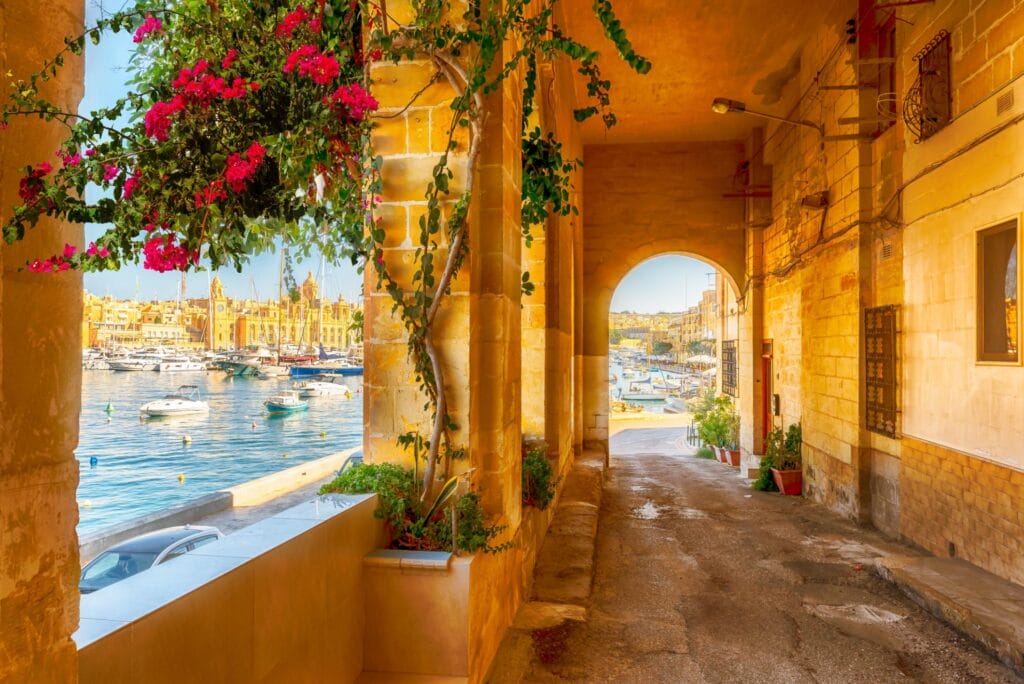
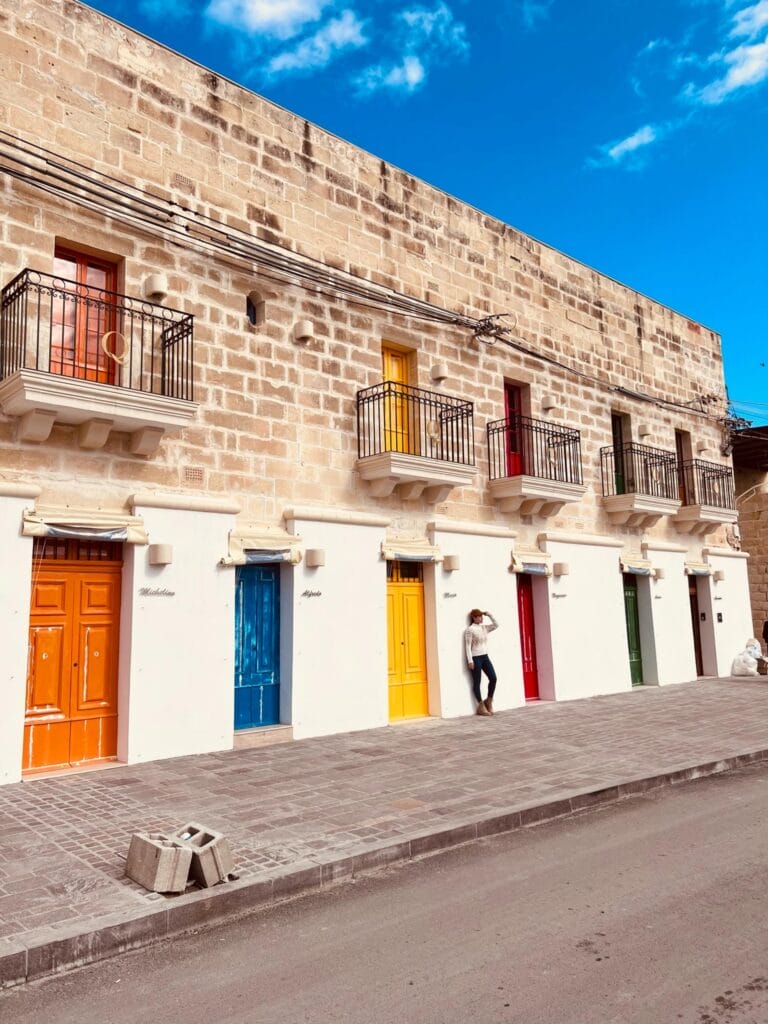
These mid-Mediterranean islands are a delight for the senses as well. 300 days of sunshine a year mean weather you can rely on, perfectly facilitating balmy strolls through picturesque cities and villages – which will likely be accompanied by the peels of church bells and bursts of erratic fireworks (which can go off any time of day – including 8am). Everywhere the smell of fresh sea air invigorates – though it’s your palette which will likely be most tantalised. By taking the best bits from neighbours such as Greece, Italy and North Africa, and melding them with local traditions, Maltese menus inspire. Start with a tuna-filled ftira (the Maltese answer to a sandwich and about three times the size), a plate of crispy calamari or try a local snackfood favourite, pastizzi. Dine out at your choice of six Michelin-starred restaurants, or simply savour the succulence of fresh lampuki, seabass or bream at any number of harbourside eateries.
As for where to stay, accommodation options are about as diverse as they come, with properties spanning everything from multi-restauranted resorts to converted farmhouses and boutique hotels. If you opt for the latter, expect charm and character in every room, from painted wooden gallariji to high ceilings and sweeping staircases. Stay in St. Julians for nightlife, the historic Three Cities for a taste of local living and anywhere in Gozo for a journey back to the island’s agricultural past. On Ormina’s 7-day ‘Malta Legends’ tour, you’ll bed down in a converted 17th-century palazzo in Mdina, Malta’s once capital, and experience a taste of the lifestyle once led by Maltese nobility.
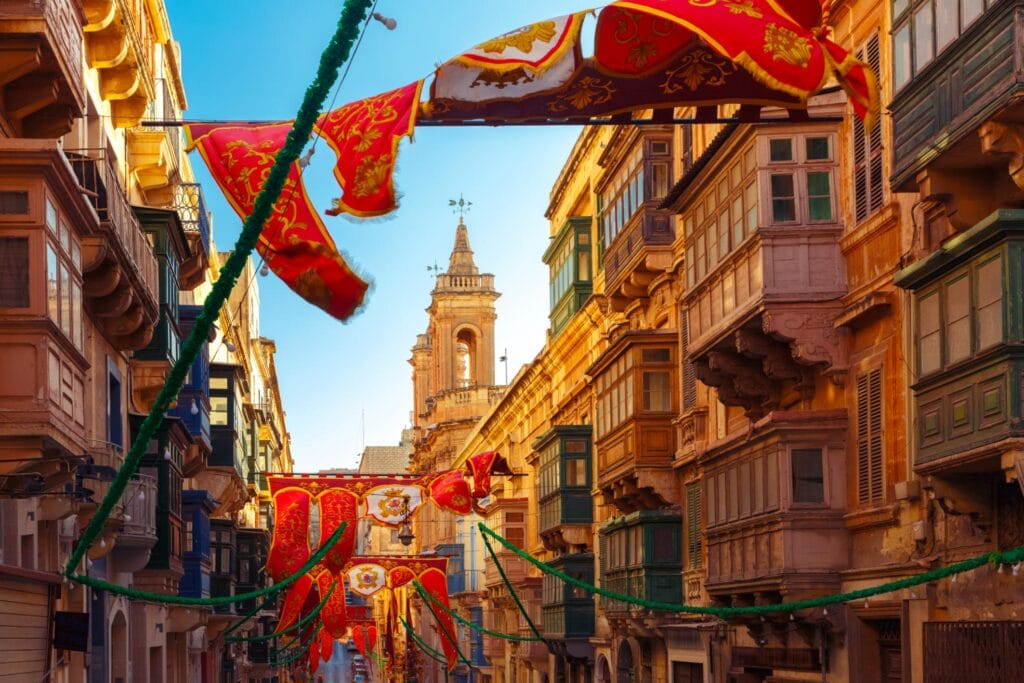
As for culture, rarely is Malta not celebrating. Throughout the summer, festas are a weekly occurrence, with local villages decorating squares elaborately with banners, bunting and effigies in honour of their patron saints. Food, wine and craft festivals abound, sometimes stretching to curiously specific themes such as the International Fireworks Festival or the Gozo International Puppet Festival. During big religious holidays such as Easter or Christmas, expect parades through the streets, live music and multi-day revelry.
With an expansive history, packed cultural calendar and plethora of gourmet gastronomy, a visit to Malta is sure to reward, but whether you visit for a week or a weekend, chances are you’ll be left wanting more, so best to get started on your exploration now.
Latest Articles
Don't miss the latest from Luxury Travel