
Poland Art & Culture, Cities, Food & Wine
Kraków: How Poland’s most beautiful city defied history
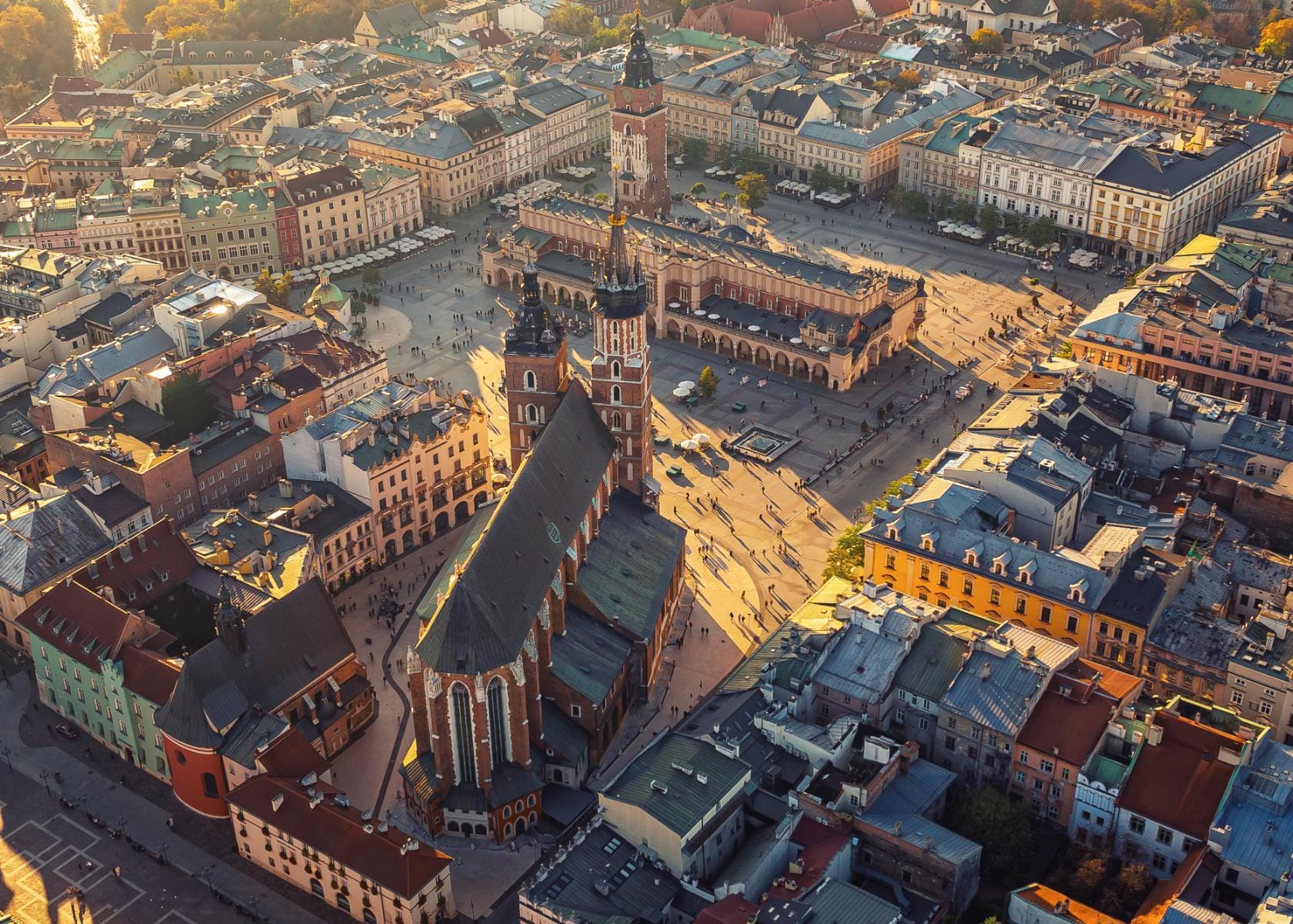
Aerial view shows the Main Market Square (Rynek Główny), St. Mary’s Basilica, and Cloth Hall (Sukiennice)
Once the seat of kings, Kraków today rewards discerning travellers with boutique hotels, Michelin-listed dining and a historic centre that remains effortlessly elegant
Given Poland’s geographic location between the age-old enemies of Russia and Germany, you might wonder how the elegant historic city of Kraków escaped total destruction during the tumultuous years of the 20th century.
By some miracle, Kraków avoided the devastation of scorched-earth warfare during both world wars, leaving the ancient Old Town with some structures dating back 700 years and garnering UNESCO World Heritage status in 1978, making it one of the first sites inscribed on the then-new list of Cultural and Natural Heritage.
In fact, it was more than just the Old Town with its imposing Wawel Castle and Cathedral that earned its listing. The former Jewish District of Kazimierz and the suburb of Stradom were also cited as part of the Historic Centre of Kraków for their ‘outstanding universal value’.
Staying in Krakow
In the hopes of having an authentic Krakow experience upon arriving in the city, we choose accommodation in the Kazimierz precinct with its many bolt-holes and sombre-walled tenements, now the canvas for budding street artists, some more perfunctory than others. In winter, the chilly darkness arrives in the late afternoon, bringing a mist that quickly enshrouds the narrow streets and alleys with the futile street lamps creating a scene befitting an Edgar Allan Poe spine-tingler.
But Kraków delivers some exceptional properties at the top tier, too, many under the banner of well-known multinationals such as Sheraton, IHG and Hilton, and others standing alone in proud independence. Bachleda Luxury Hotel Kraków – MGallery is located in a converted 19th-century tenement building. “Converted” is really a lazy understatement, though, as the entire building has been comprehensively transformed into the very epitome of a luxury boutique hotel with fine dining in the GAVI Restaurant, plus the perfect venue for a cocktail in the ornate Opus Lounge Bar.
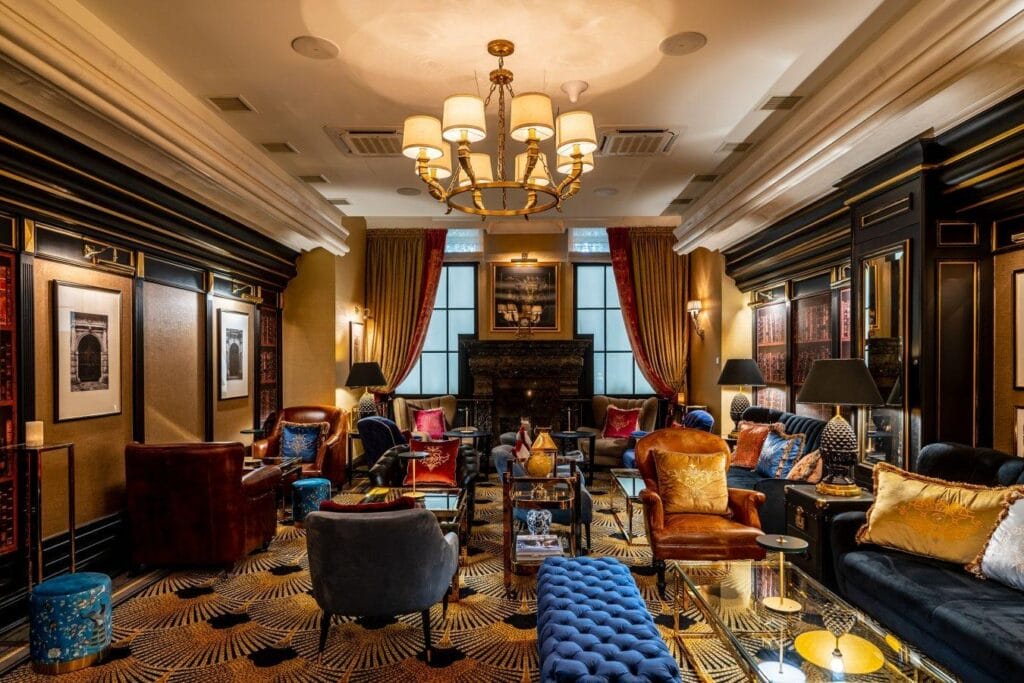
Part of the illustrious collection from Design Hotels, the Michelin-keyed Balthazar Design Hotel is right in the middle of the UNESCO Old Town, five minutes on foot from everything. With eye-popping decor and lavish furnishings, this is not a property that does anything by halves. Dining is with an Italian flavour in the Fiorentina restaurant under chef Robert Koczwara.
Completing the luxury hotel shortlist are Stradom House – Autograph Collection, H15 Palace – a Luxury Collection Hotel and Hotel Saski – Curio Collection by Hilton.
Exploring on foot
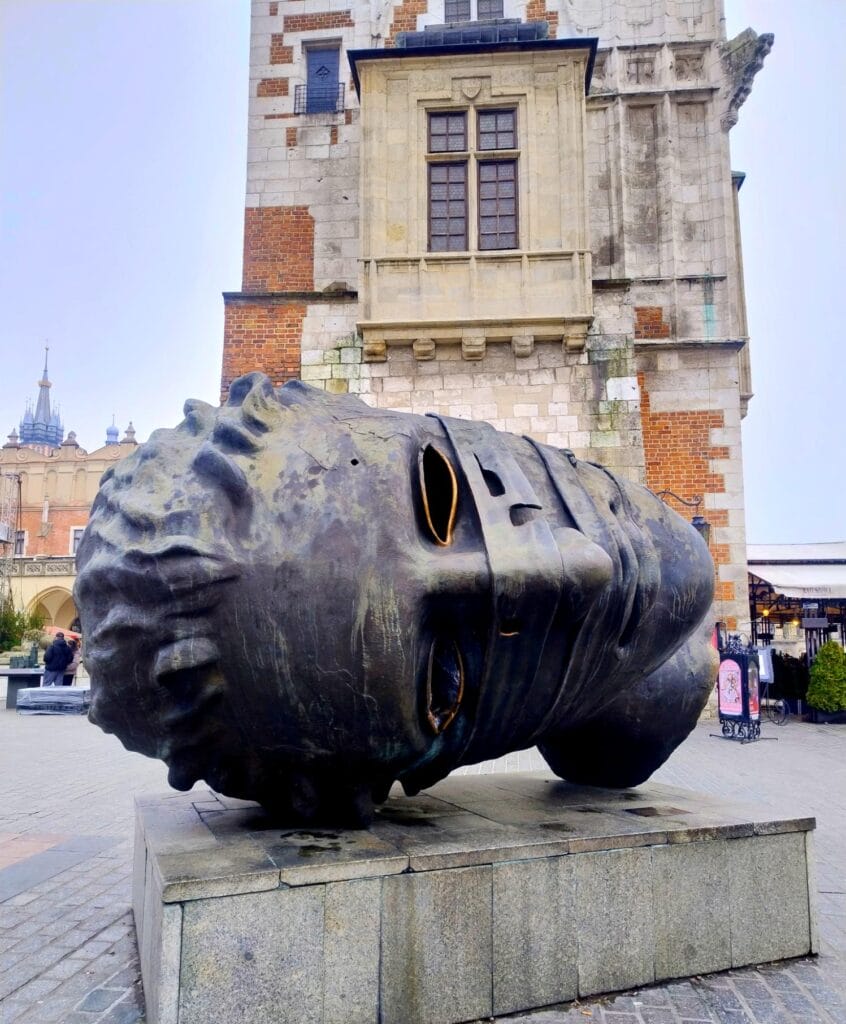
Following numerous enthusiastic tips from locals, we set out on foot into the gloom, past the spooky old Jewish cemetery, in search of the legendary Blue Nysa, a famous food truck that opens after 7pm (or later) at Grzegórzecka 4, near the Hala Targowa market hall.
Known for their kielbasa, a U-shaped, coarse, smoked pork sausage, heavily seasoned with garlic and marjoram, it’s a staple in traditional Polish cuisine and served in a crusty roll with lashings of mustard and relish. There’s always a queue and the busy chaps only take cash, which they will do until about 3am.
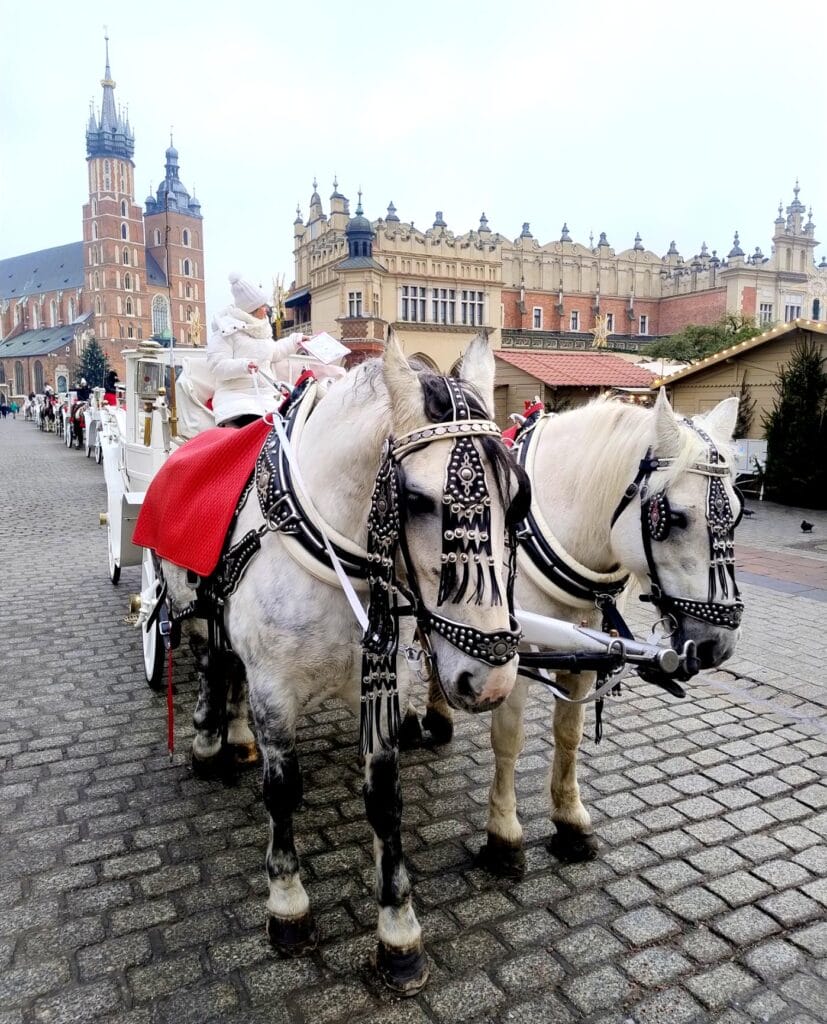
Walking is the best way to explore the historic precinct with its Gothic churches and Renaissance townhouses, or you can jump aboard one of the regular, reliable trams to the Old Town Square (Rynek Główny), one of the best-preserved medieval urban centres and reputedly the largest (3,700sqm) in Europe.
Visiting in late November, the yuletide season is gaining momentum with dozens of stalls and vendors selling everything from traditional Polish crafts like hand-painted baubles, amber jewellery, pottery (Bolesławiec), wooden toys, and textiles, to festive foods like oscypek cheese, grilled meats, pierogi (dumplings), gingerbread, and mulled wine (grzaniec).
While You’re Here
Auschwitz-Birkenau
Not for everyone, but a salient reminder of a world that existed within recent memory. Full-day tours leave from Kraków and are frequently booked out. auschwitz.org
Kraków Salt Mines
Located in nearby Wieliczka, this UNESCO World Heritage Site is a labyrinth of underground tunnels, caves, chapels and caverns of some 300 kilometres.
Zakopane Cable Car
Often matched with hot springs and various gourmet tastings, this full-day tour offers great views of the Tatra Mountains and opportunities for hiking.
Oskar Schindler’s Enamel Factory
Now a museum containing a collage of objects, films, photographs, and full-scale recreations from Krakow’s time under Nazi occupation. muzeumkrakowa.pl
History up close
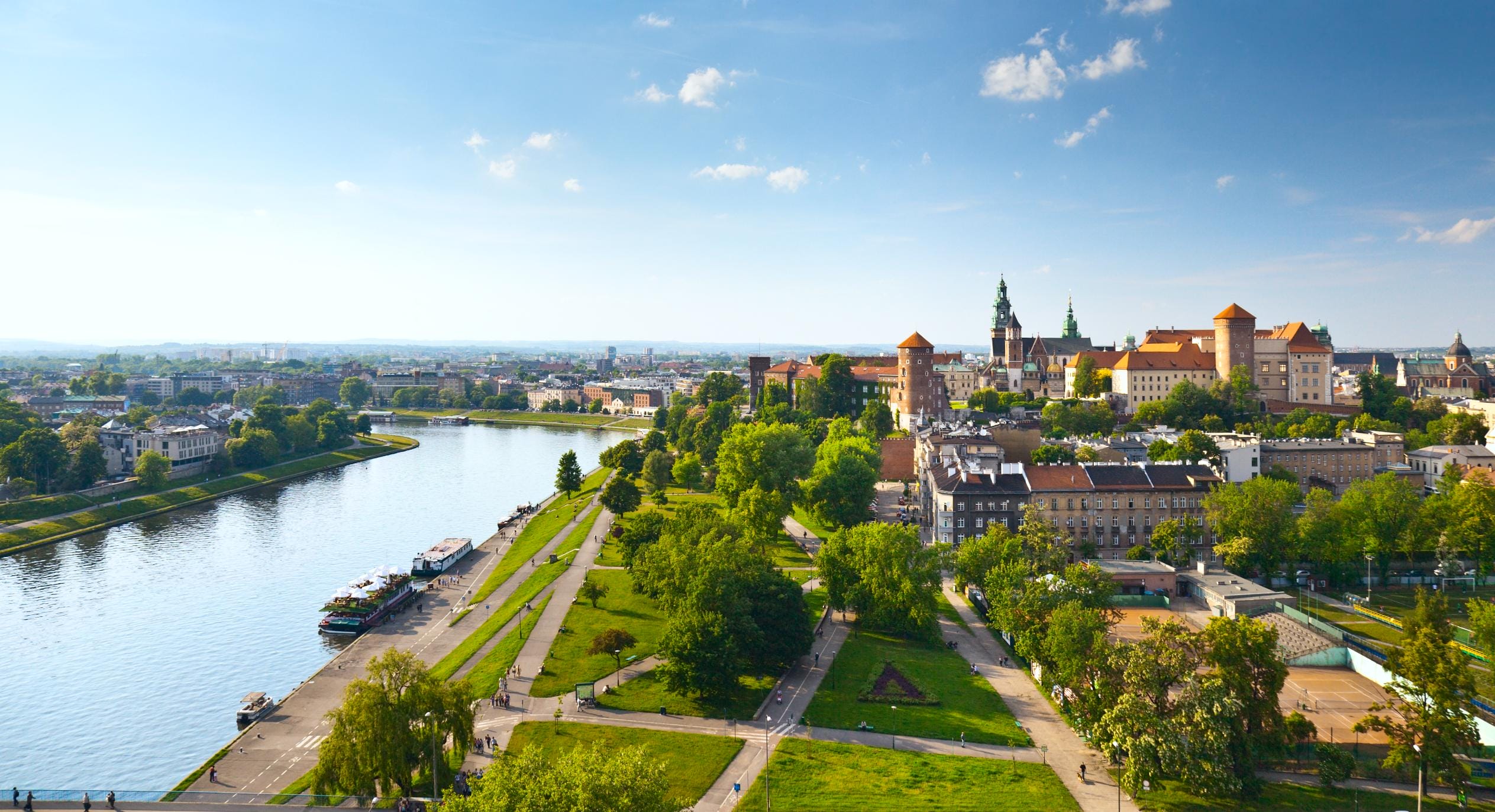
During the muted winter daylight, we stroll along the Vistula River promenade, which flows from the south adjacent to the imperious Wawel Castle and its companion Cathedral. From 1038 until 1596, Kraków was actually the capital of the Kingdom of Poland, the seat of Polish kings, and centre of state power until King Sigismund III Vasa relocated his court to Warsaw. However it wasn’t until 1918, in the brutal aftermath of the First World War, that Poland emerged as an independent country, throwing off centuries of foreign-imposed partitions.
A wide path leads up to the castle’s rampart with views all around the Old Town and river. Visitors wander around the vast courtyard presided over by the cathedral. Originally a Romanesque structure, it was rebuilt in Gothic style in the 14th century and later enriched with Renaissance and Baroque chapels funded by powerful royal and noble families. The Sigismund Chapel, for instance, completed in the early 16th century, is regarded as the finest example of Renaissance architecture in Poland and emblematic of a more culturally confident period.
Dining around town
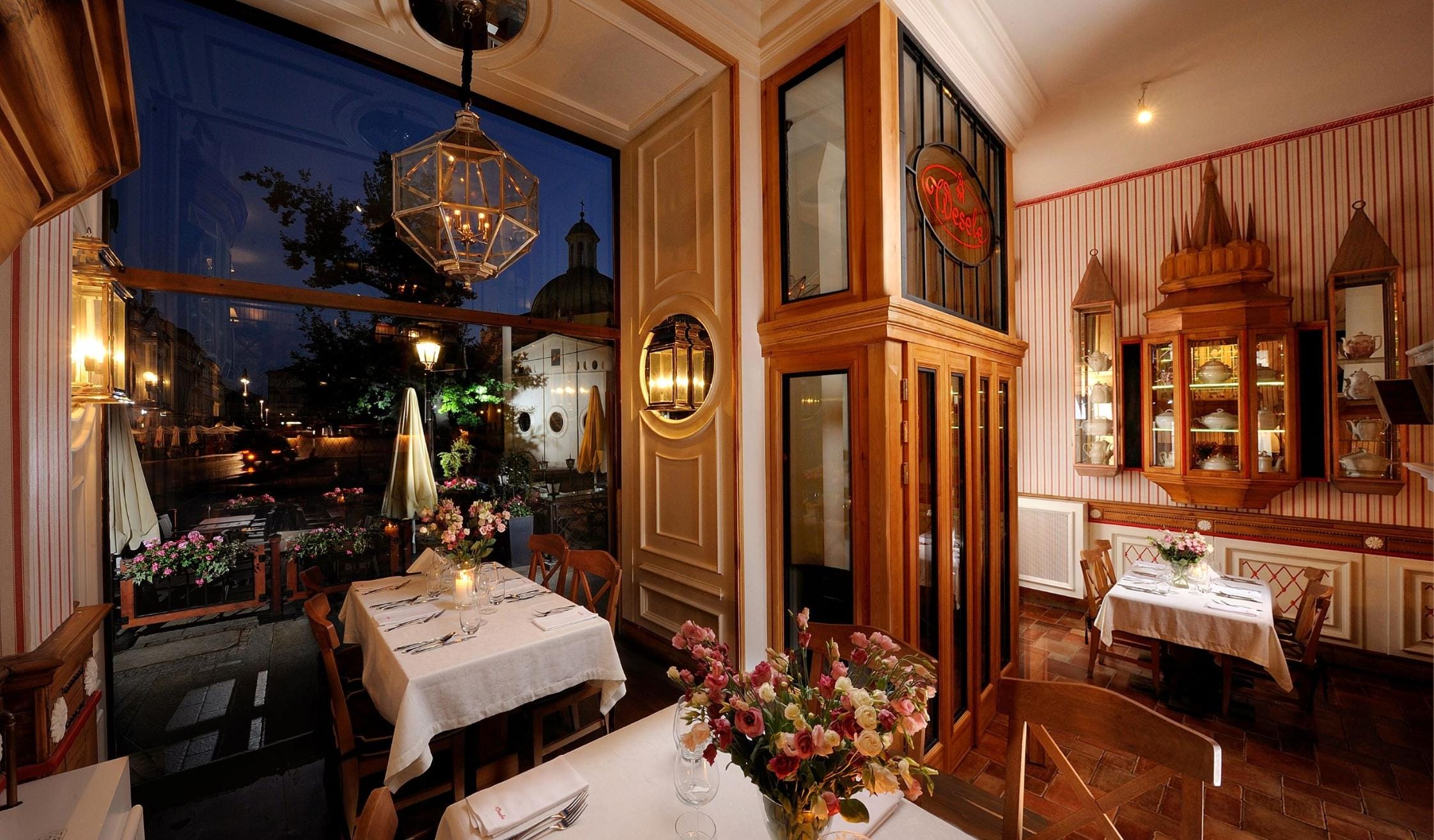
All around the Old Town Centre, and spidering off into the labyrinth of streets and alleyways, are numerous restaurants and eateries ranging from humble cafes to prestigious Michelin-level fine dining. In fact, TripAdvisor lists more than 2500 reviewed restaurants in Krakow and nearby districts.
Top of the TripAdvisor listings is French-inspired Brasserie L’Olympique, located opposite the exquisite Muzeum Ksiazat Czartoryskich at Pijarska 13. Here diners extol Chef Diana Olechnowicz’s slow-cooked duck leg confit, secret bread recipe and handmade pastries.
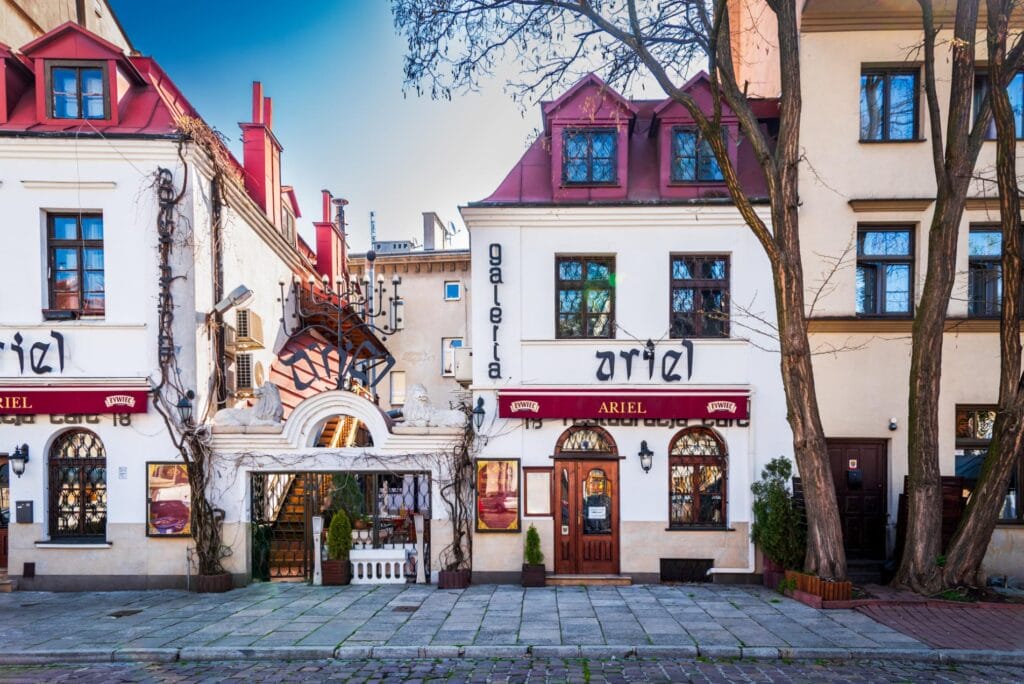
At the other end of the city centre in the historic Kazimierz precinct where on almost every corner is a cafe, bistro or restaurant. A standout in this epicurean clamour is Bottiglieria 1881, famed for its cellar-style setting and modern Polish tasting menu, and helmed by Kraków native Przemysław Klima. It has become one of Poland’s most celebrated culinary destinations, earning two Michelin stars – the first restaurant in Kraków to do so.
Journey Notes
For tours and activities in Krakow, visit the official tourism site: visitkrakow.com
Latest Articles
Don't miss the latest from Luxury Travel