Two decades after Hurricane Katrina, New Orleans balances its deep musical heritage with a surge of new hotels, dining and cultural energy – a city reshaped but unmistakably itself
It’s a summer mid-morning in New Orleans and the steam rising from the sidewalks smells like a hot promise. On the breeze: jasmine, roasting coffee beans, Creole spices – and muddy water.
Mardi Gras parades, jazz, gumbo and a voodoo vibe have long lured travellers to the US city built on a bend in the Mississippi River. But 20 years after Hurricane Katrina came close to destroying it, the Louisiana diva is delivering what Crescent City dwellers would call lagniappe – “something extra”.
A US$201.3 billion mop-up has delivered a new airport terminal, upmarket restaurants, luxury hotels, New Orleans Fashion Week, and big-ticket events such as the Super Bowl and Taylor Swift concerts. New bioscience, digital media and art-based enterprises have enticed a demographic seeking lifestyle.
They’ve found it in New Orleans, a town with a big, hybrid personality shaped by Spanish, French and African heritage. Founded in 1718, it was a French and then a Spanish colony before becoming part of the United States thanks to the Louisiana Purchase of 1803.
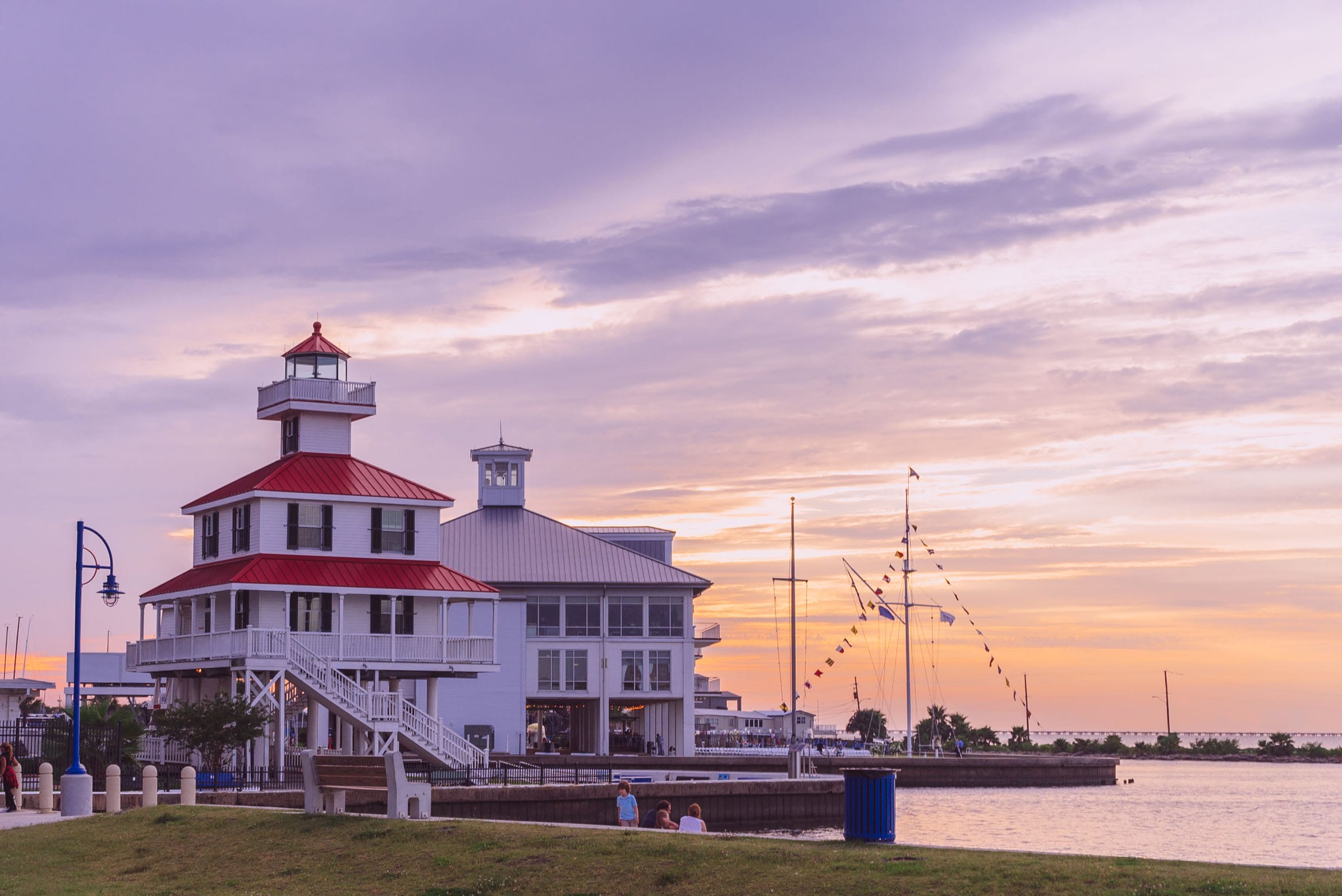
New Canal Lighthouse, Southern Yacht Club and Lakeshore Drive
Rhythm ‘n’ roots in the Big Easy
Most visitors start with the music. After all, the airport is named after the trumpeter Louis Armstrong. New Orleans is the birthplace of jazz, its origins in the drumming and voodoo rituals that took place in Congo Square before the Civil War. The brass band culture is part of the city’s DNA, as is the music of the late greats of rhythm ’n’ blues – Dr John, Allen Toussaint, Professor “Fess” Longhair and Walter “Wolfman” Washington.
Music is on tap: in Frenchman Street, Bourbon Street, the Marigny/Bywater neighbourhood, Treme, Uptown, Downtown. On my first evening, I stop by Mahogany Jazz Hall on Chartres Street. There’s no entry fee, but I‘m expected to buy at least one drink. It’s cosy, happy and there’s a revolving door of artists.
Late next morning I head to the Dew Drop Inn, which accommodated movers and shakers in the civil rights movement, for the sold-out Saturday brunch debut performance of Legends of the Dew Drop: Road to Rock & Roll, a showcase of songs by Little Richard, Dave Bartholomew and Ray Charles.
New Orleans is chasing a UNESCO City of Music designation. Vue Orleans, which takes up several floors of the new US$500-million Four Seasons skyscraper, explains why. This interactive cultural space profiles the city’s key music genres: traditional and contemporary jazz, R&B, brass bands, funk, rap, zydeco and bounce, which gave us twerking in the 1990s. It’s easy to spend an hour or two here, soaking up the sounds.
While you’re here
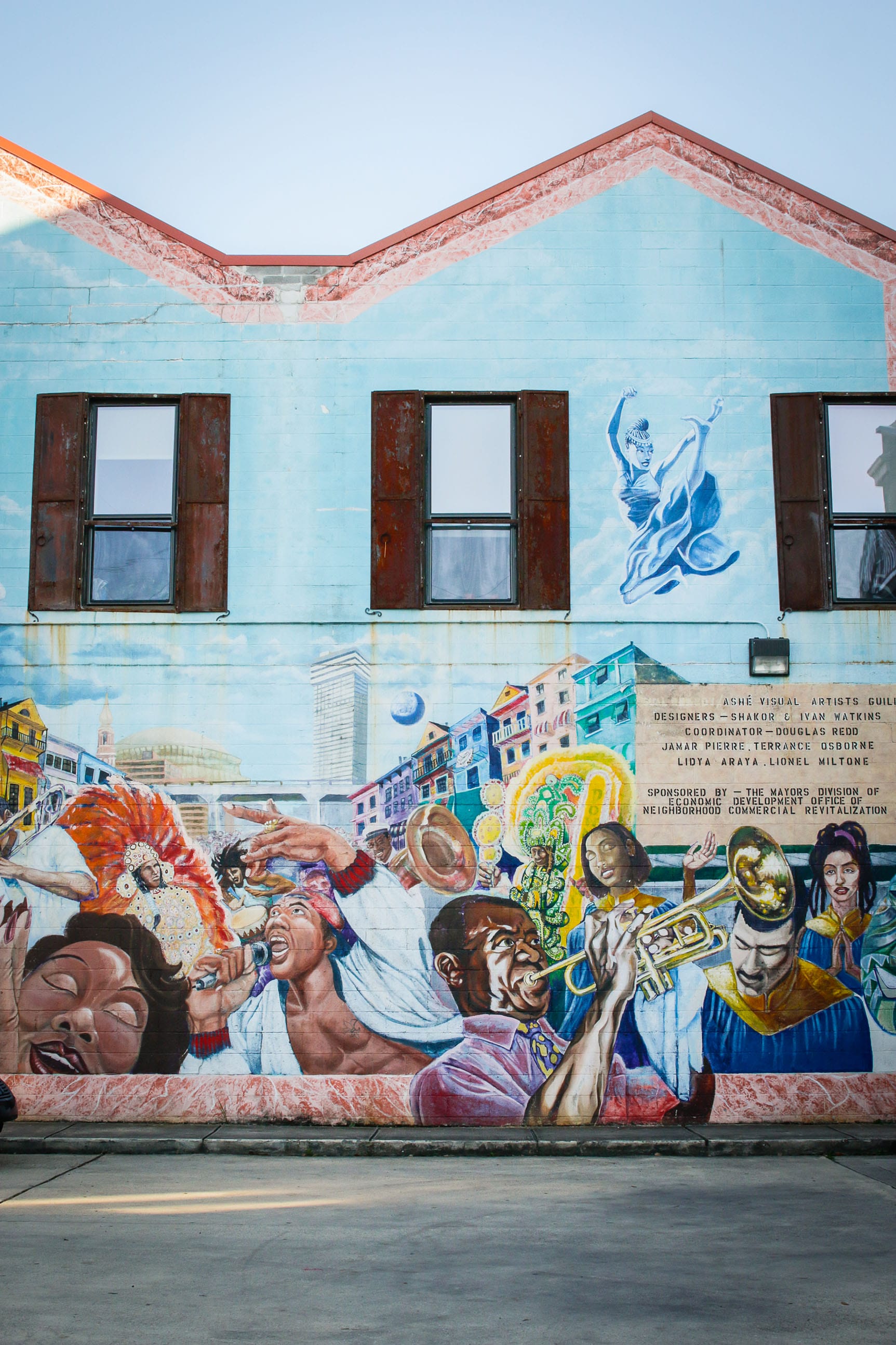
Murals are a street-stroller’s reward. Visit these three: In the Bywater, Light Mural by Brandan ‘Bmike’ Odums; Uptown, at 3223 Dryades Street, Dr John by MTO Graff; and in Central City, at the Ashé Cultural Arts Centre, A Legacy of Music by Donald L. Blackwell, depicting Louis Armstrong, Mahalia Jackson and Mardi Gras stalwarts.
New Orleans
Parties on a plate
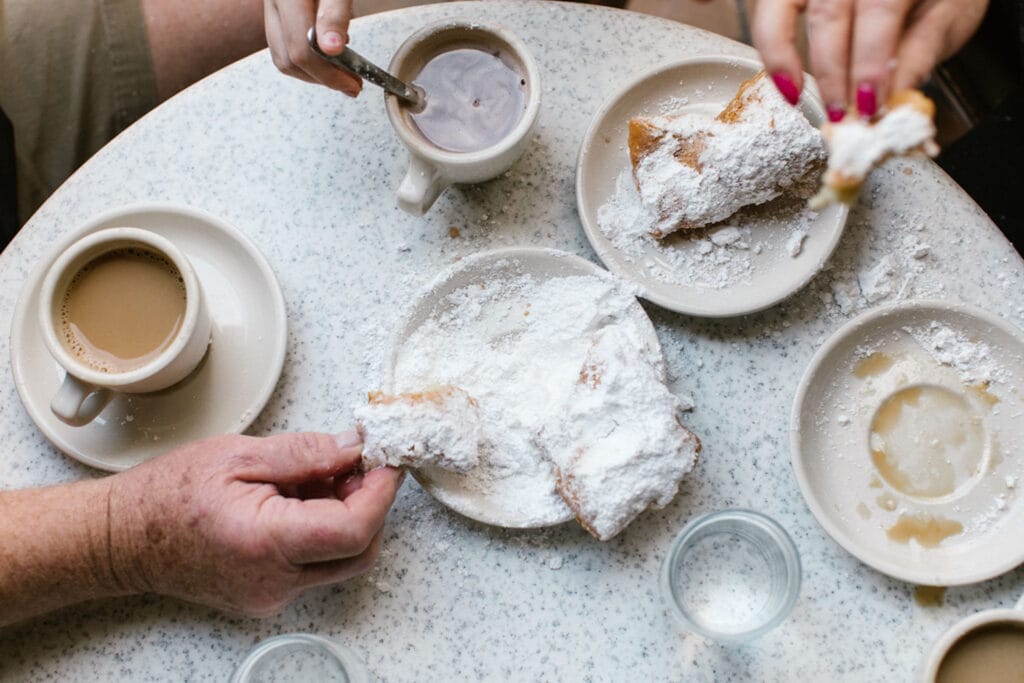
Café du Monde in Jackson Square was always the go-to for beignets – the pillowy Creole doughnuts drenched in a snowstorm of icing powder. I remember the sugar hit here on Saturday, 27 August 2005, when everyone was boarding up windows ahead of Hurricane Katrina. In the eerily deserted square, the gospel choir I was on tour with – our gigs cancelled – sang ‘The Storm is Passing Over’. The beignet was comfort food then – and now.
It is one of many signature dishes, along with gumbo, the po’boy sandwich, jambalaya, red beans and rice, crawfish étouffée, Louisiana oysters and the king cake of Mardi Gras. Right now, food is a thing. The Michelin Guide will expand this year to cover the American South, including New Orleans. In 2026 the city will host the Bocuse d’Or Americas competition and the Pastry World Cup.
Foodies are booking for black cod miso at Nobu in the new US$435-million luxury urban resort that is Caesars New Orleans. They’re reserving tables at Café Sbisa, Restaurant R’évolution, Brennan’s, and Jewel of the South (which offers ‘caviar happy hour’ on Wednesdays). Chef Ana Castro’s modern Mexican eatery, Acamaya, in the Bywater, turned up on Condé NastTraveller’s ‘Best New Restaurants’ list this year.
Bourbon House is the pit-stop for Louisiana oysters every which way. In partnership with the Coalition to Restore Coastal Louisiana, the eatery has recycled more than 300 tonnes of shell to form 600-plus metres of new oyster reefs in the Gulf. The hope is that it protects the shoreline from erosion and provides habitat for new oysters and other marsh species.
New Orleans
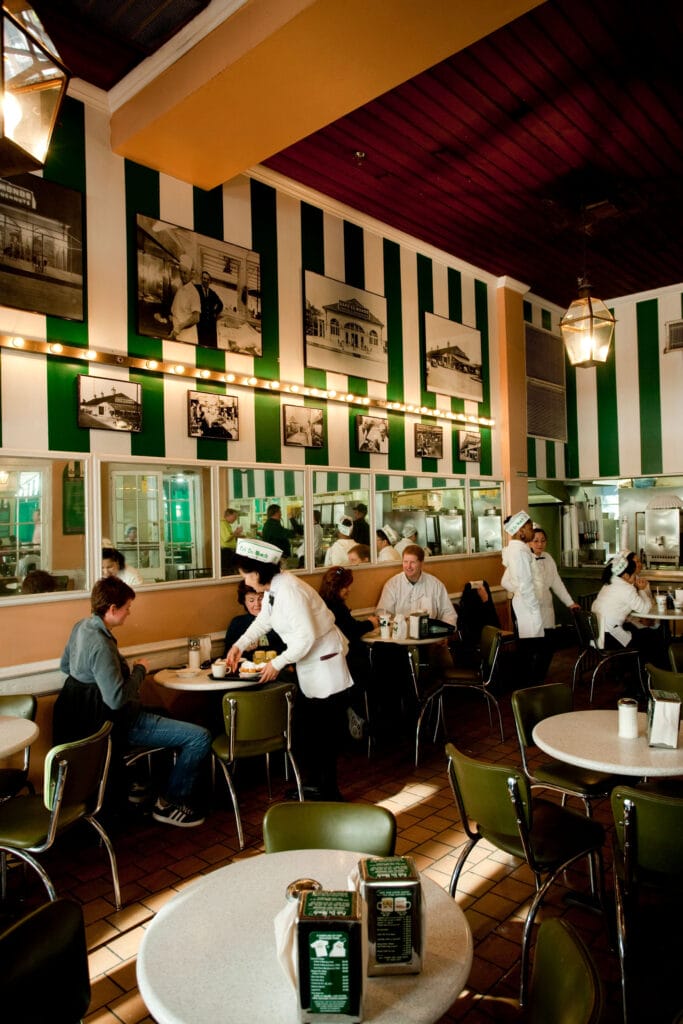
Cafe du Monde by LA Gourmetreise
History and the ’hood
The tragedies of Hurricane Katrina are now a part of the city’s history. Robert Florence, a documentarian and NOLA Historic Tours guide, provides an in-depth account of wetlands, flood walls, levees, pumping stations and Dutch engineering on a driving tour of the wards most affected by Katrina. New Orleans Green Tours’ A Walk Below Sea Level: a Water History Tour of New Orleans canvasses the story of water and its management, a survey of environment and ecosystems, post-disaster recovery and lessons learned.
At the Historic New Orleans Collection research centre, historian Jason Weiss explains the new exhibit, A Vanishing Bounty: Louisiana’s Coastal Environment and Culture, its focus the state’s nature underpinnings and threats to its longevity.
I walk off a jazz brunch at Commander’s Palace – turtle soup and lump crab over pecan-crusted redfish – with a Garden District tour where residences are the legacy of architects such as Henry Howard, James Freret and James Gallier Jr. Many celebrities have lived in the ’hood and my guide Robert Bell has all the details at his fingertips.
Art in New Orleans is as idiosyncratic as the fashion.
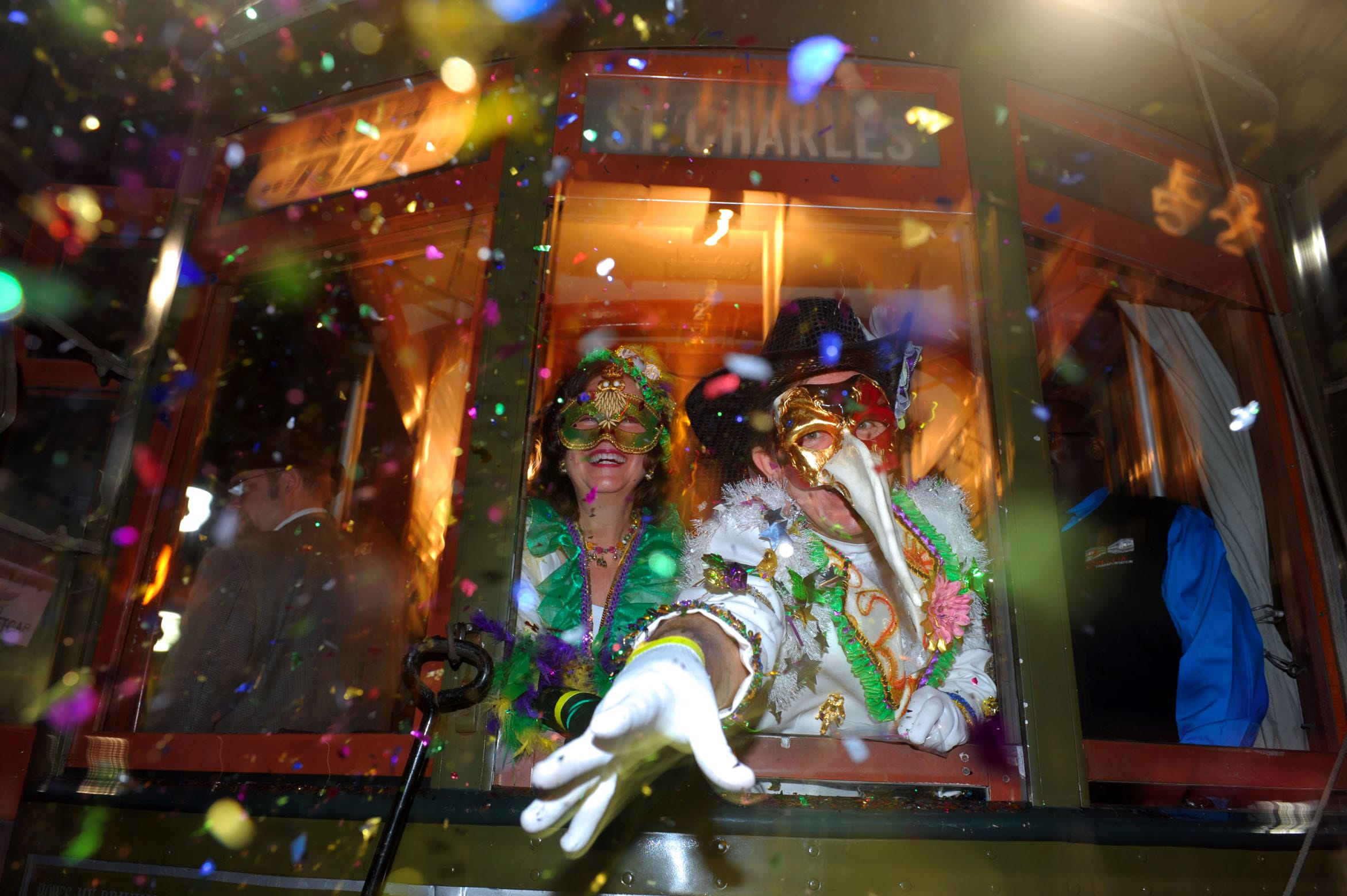
New Orleans street car mask by Cheryl Gerber
Art and artisans
In the Four Seasons’ glamorous Chandelier Bar, I chat to Tracee Dundas, founder of New Orleans Fashion Week. NOLA style, she tells me, is “undefinable but never cookie-cutter. It celebrates the many street styles, from Uptown to The Marigny to Frenchman Street.”
Dundas’ shopping tips include the custom millinery of Yvonne LaFleur, Mignon Faget jewellery, foot candy at ShoeBeDo, and, in the nine kilometre stretch of seduction that is Magazine Street: West London Boutique, Trashy Diva, and OdAomo, the custom couture of Sophia A. Omoro.
Art in New Orleans is as idiosyncratic as the fashion. JAM NOLA (JAM stands for joy, art, music) is a cultural funhouse with unique storytelling. The colourful exhibits are inspired by the theatrics of the city, everything from potholes to Mardi Gras krewes, red-light history, hair braiding and music. Browsing in the Ogden Museum of Southern Art, StudioBE, the New Orleans Museum of Art and its adjoining sculpture garden is also rewarded.
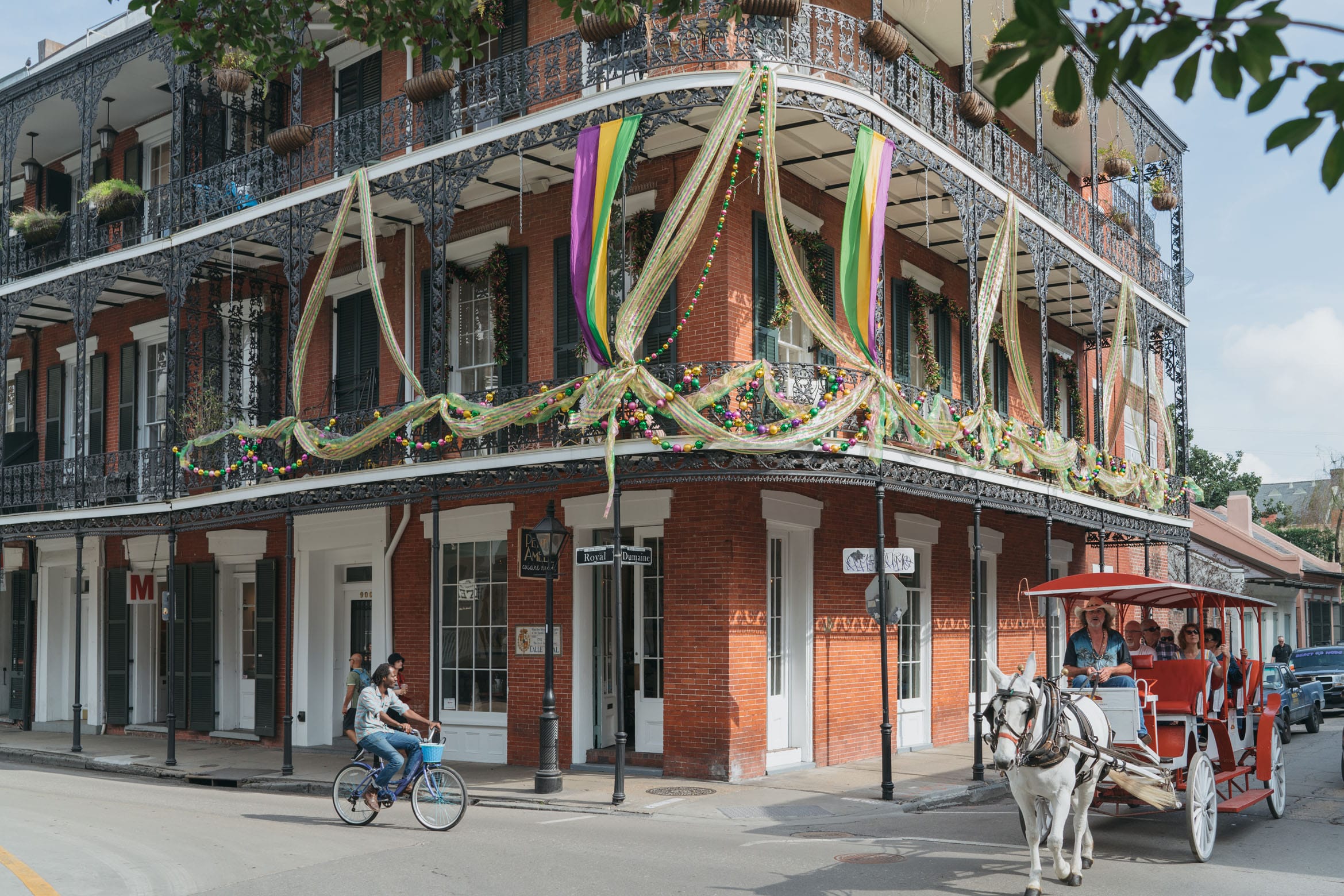
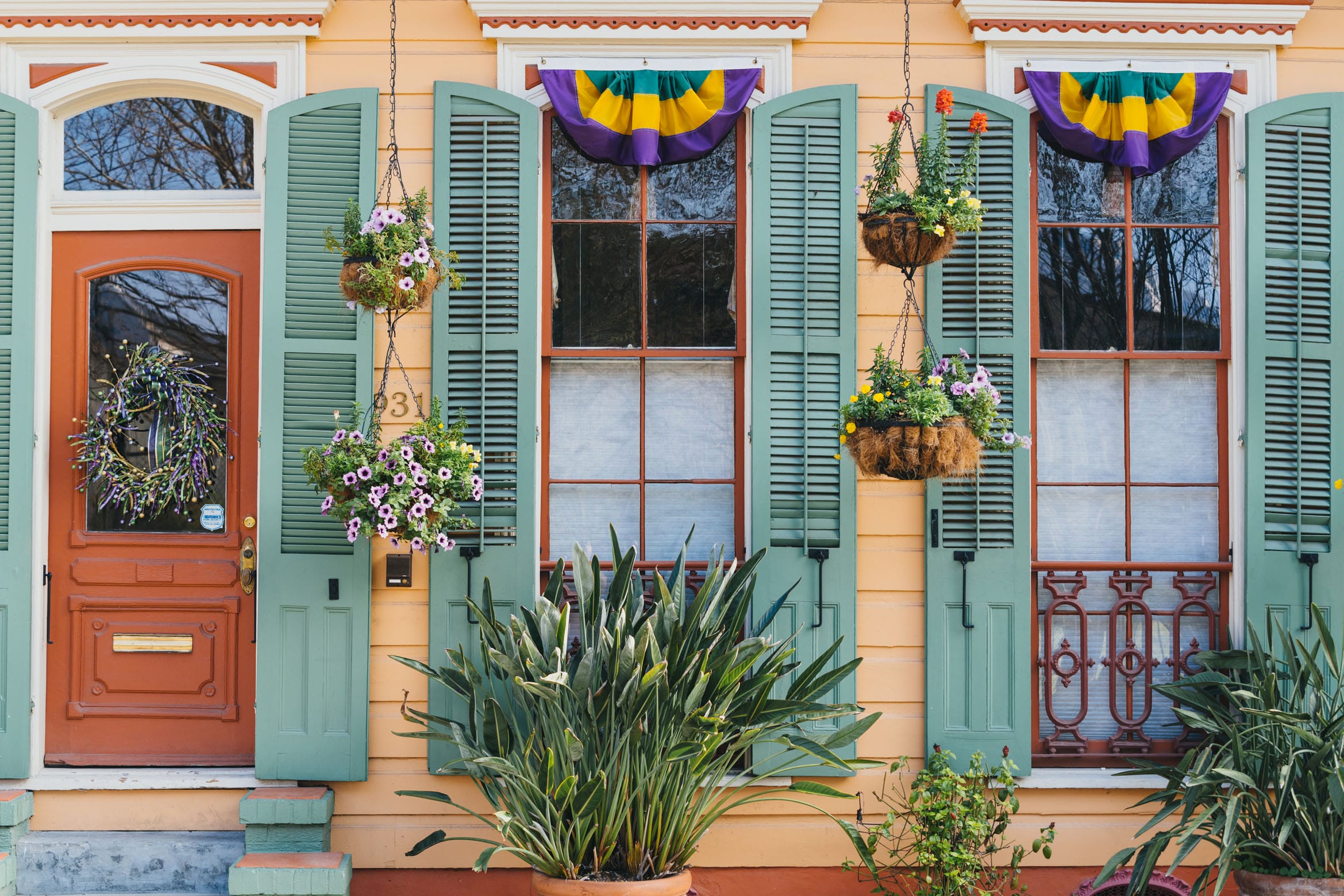
Barracks Street, French Quarter Mardi Gras Color in New Orleans
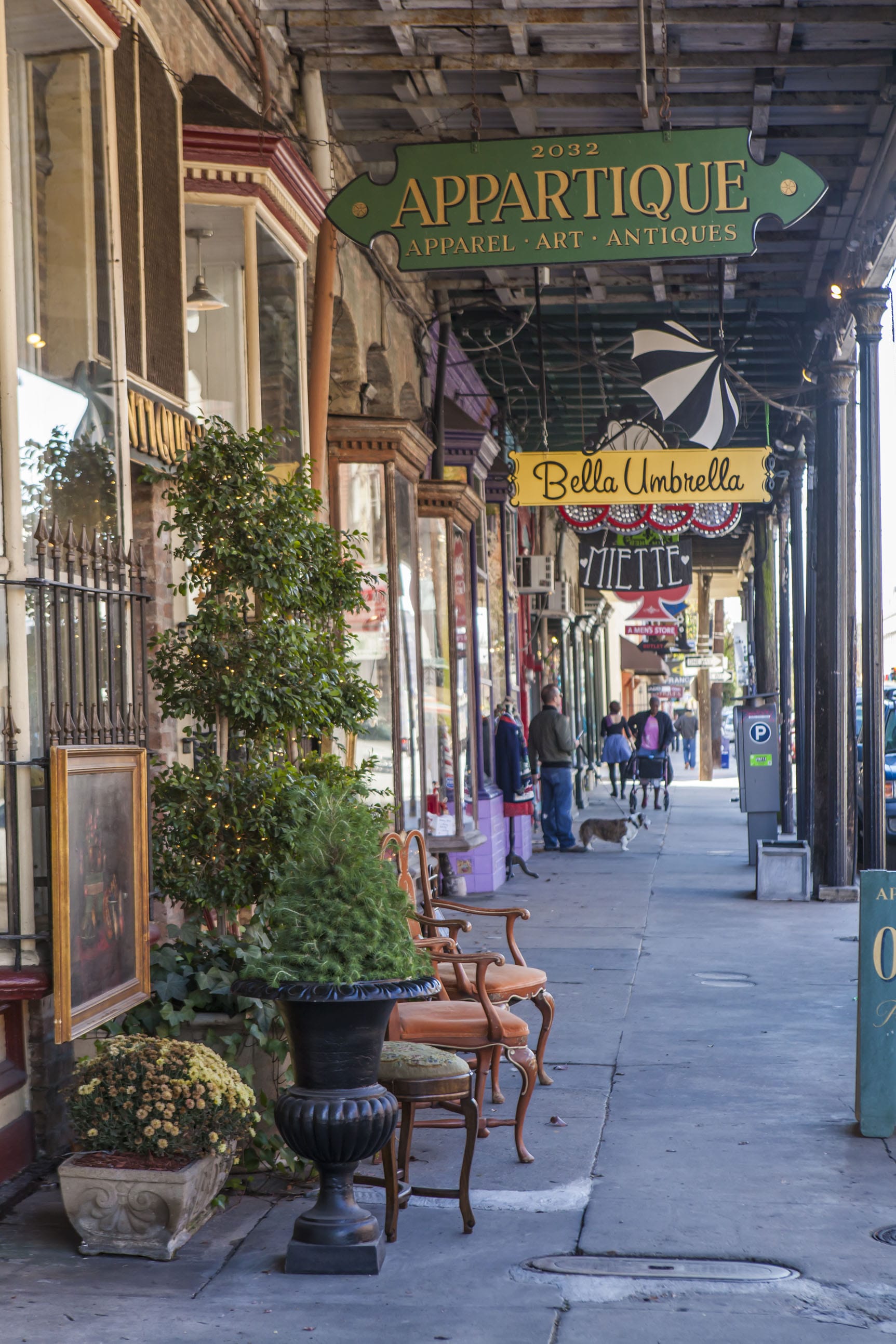
Covered sidewalk beside Shop windows Magazine Street, New Orleans
Accommodation in the Big Easy is both quirky and quintessential. I especially love Maison Métier. With its art, vintage treasures and edgy detail, this place has the charm of a Parisian guesthouse, the glamour of a club, and the helpfulness of a grand hotel. Best of all, it has a speakeasy accessed via a secret door. With interiors by LA’s Studio Shamshiri, the 67-key property at 546 Carondelet Street is the former City Hall Annex. Some suites have 5.5-metre ceilings.
The Roosevelt has a sublime block-long lobby that’s a nod to the Gilded Age. During renovations in 2009, a terrazzo floor was discovered under carpet and glue. Tiles were replicated and the flooring reinstated, linking the two entrances. The gift shop is mandatory.
The 1925 Pere Marquette Building was one of New Orleans’ first skyscrapers. Each floor celebrates a legendary jazz musician. I’m on Charlie ‘Yardbird’ Parker’s floor. Piped jazz is the hotel’s backing track 24/7. In the foyer is a powerful installation called Jazz Ensemble, by Benjamin Bullins, of trumpets, cornets, trombones and saxophones salvaged from the debris of Hurricane Katrina.
New Orleans
Message in a bottle
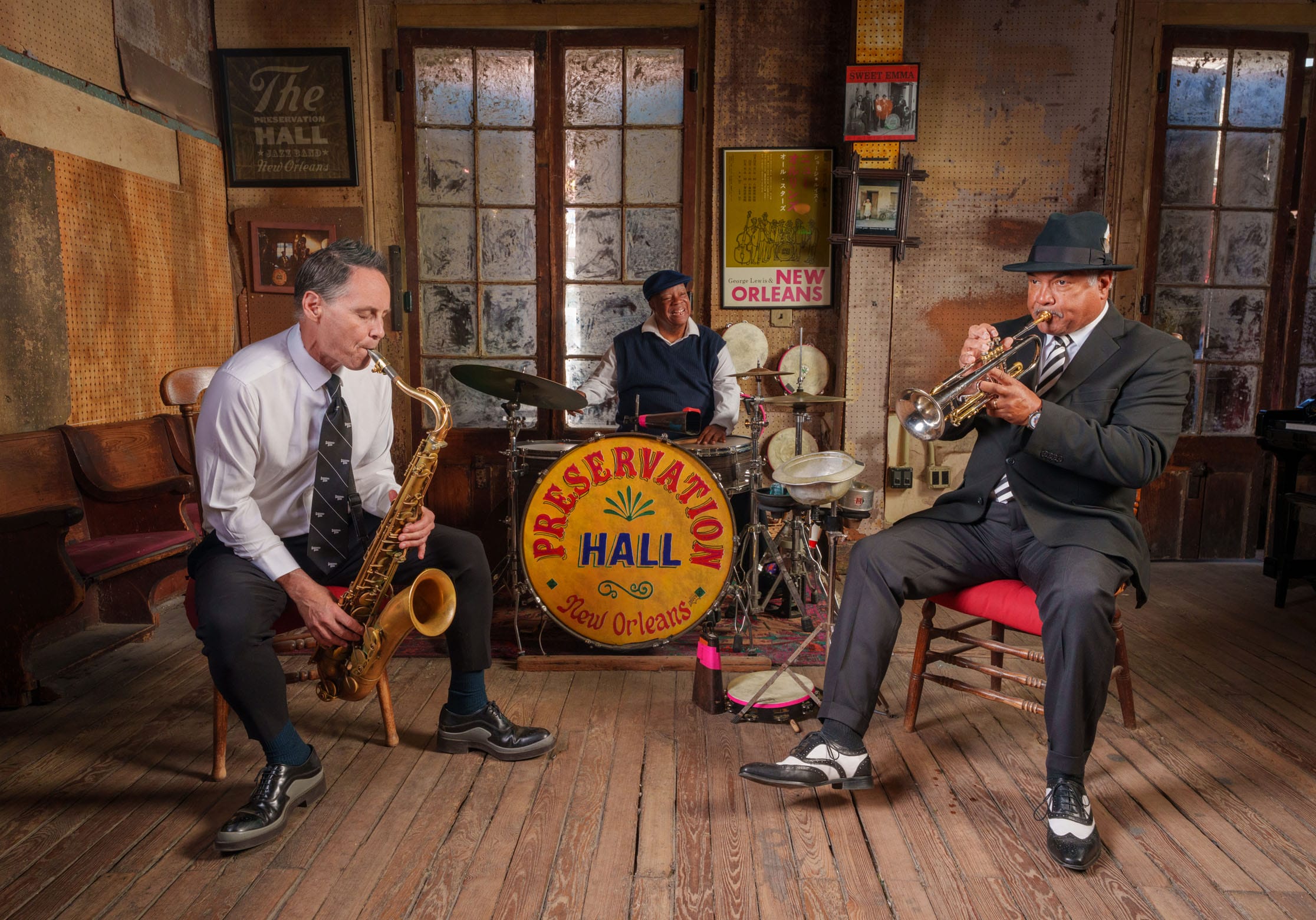
Before I head out for one last jazz set – at Preservation Hall, where Rickie Monie is cajoling tunes out of an ancient piano – I discover that the scent of New Orleans can indeed be bottled.
At Tijōn on Toulouse Street in the French Quarter, Joel Berglund and his wife Cindy provide lab coat, beakers, pipettes and a sheet for formula notations. I select a base oil and add (choosing from some 300 possibilities) a few drops each of oud, leather and magnolia I am aiming for a heady southern club accord. Joel diplomatically reigns in the leather. My scent is then bottled and labelled, its formula recorded so I can get refills when I next drop by – and with this city’s hold on me, the wait will not be long.