
Night safaris, stargazing and aurora chasing: How darkness became the destination
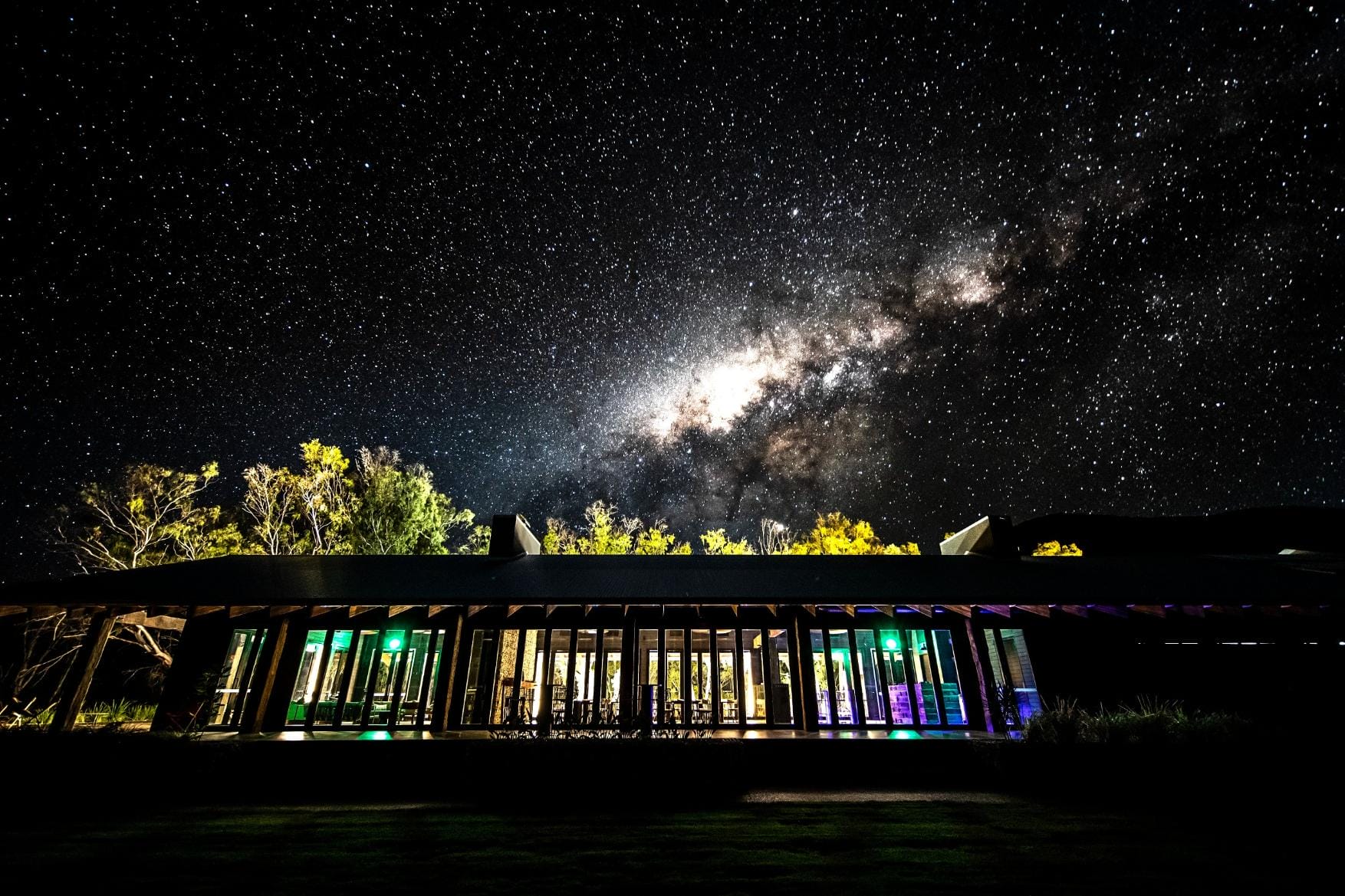
When the light fades, a different kind of travel begins. From lion encounters in the dark of the Okavango to aurora chasing above the Finnish fells, after-dark experiences are transforming what a great trip looks like
When the light fades and the temperature dips, a new mood emerges over the landscape. Some streets fall quiet as people retire indoors, others reawaken with fresh energy, joined by so-called night owls. Night skies illuminate with a canopy of stars, or elsewhere, with the bright lights of a dense cityscape. With these changes comes a fresh perspective – an opportunity to see a destination in a completely different light.
After-dark tourism, also known as ‘noctourism’, is having a moment, and the upward trend is being driven by much more than traditional nightlife. Experiences such as stargazing, wildlife tours, sleepouts, after-dark festivals and light installations are all contributing to the increased interest, while there is also the draw of cooler weather and smaller crowds.
“Night time experiences let people get more from their travels,” explains Chris Twite, Artistic Director of Mona’s mid-winter festival, Dark Mofo. “At Dark Mofo, you’re free to explore Mona and Hobart during the day and turn around and explore a whole different side of the city at night. And that bravery is rewarded. At night, spaces can entirely transform. They offer new experiences and cultures to explore.”
Forget the expression ‘dead of night’. In the evening hours, there are plenty of global destinations that, instead, come alive.
Sky full of stars
The night sky is a majestic thing. A blanket of inky velvet speckled with diamonds that, if you pay enough attention, share the stories of ancient civilisations. In remote regions, where artificial light is scarce or even non-existent, the night sky delivers a particularly spectacular show, with the growing darkness allowing for unspoiled celestial views.
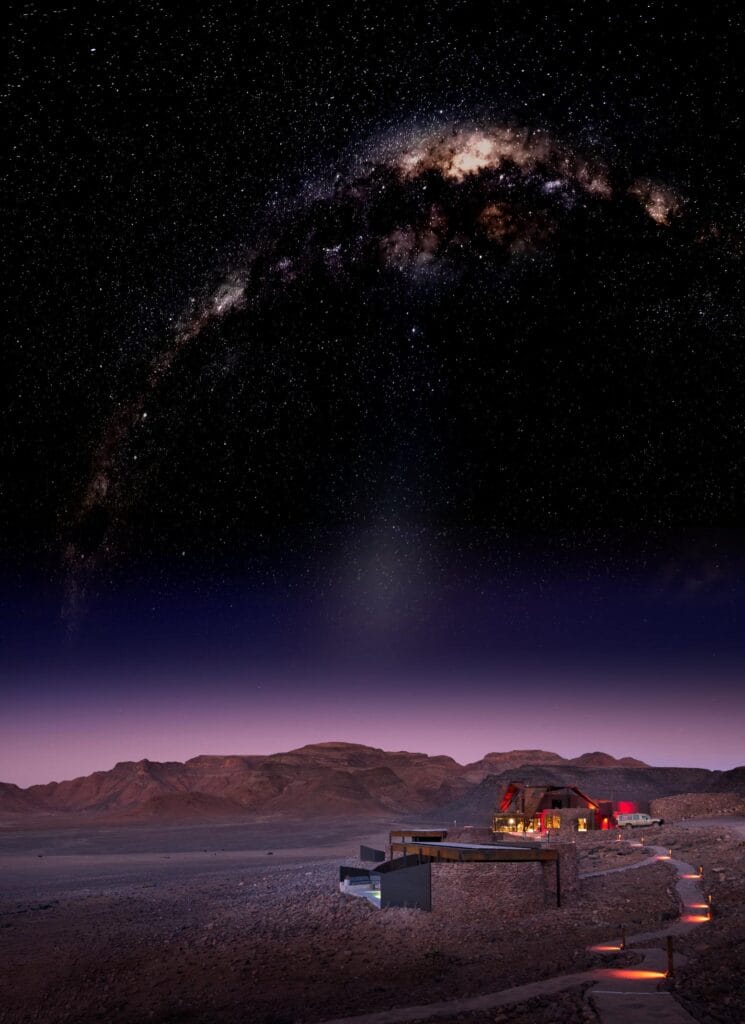
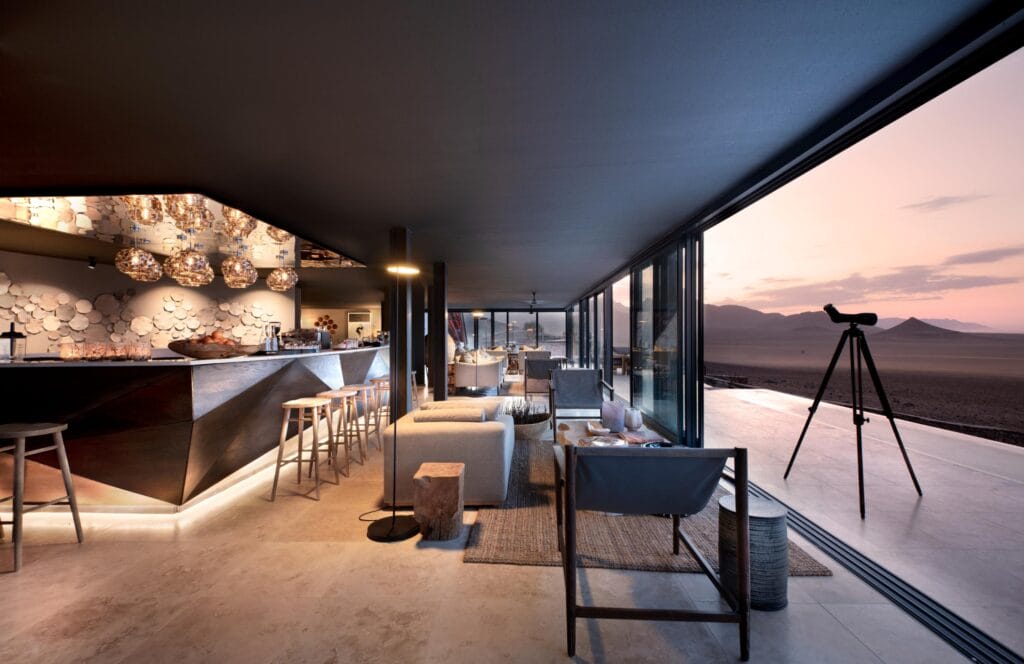
In Namibia, &Beyond Sossusvlei Desert Lodge is surrounded by more than 12,000 hectares of raw wilderness, yet the view directly above its prime position is as much of a drawcard. The luxury lodge sits beside the NamibRand Nature Reserve, one of the world’s best locations for clear, dark skies, making the property a premium spot for stargazing, be it with the naked eye or through the telescope on your private deck.
Awasi Atacama, located in Chile’s otherworldly Atacama Desert, is another locale where the night sky forces jaws to drop. The lodge’s astronomy tours allow those interested to explore stars, planets and galaxies with an in-house expert, but by simply looking up after dark, guests are treated to an almighty display.
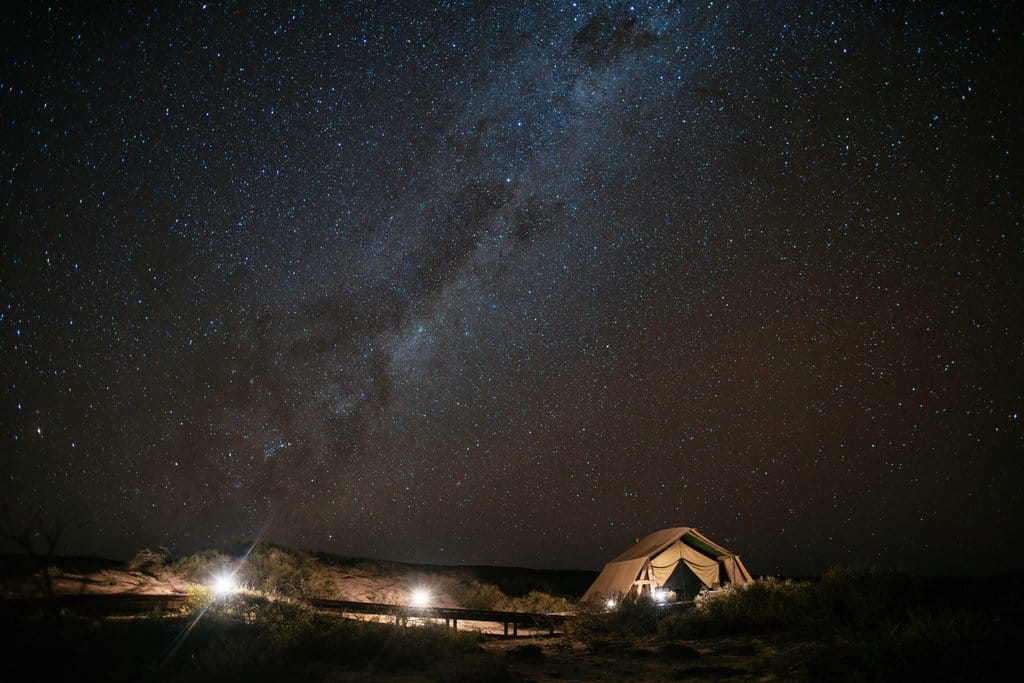
Australians are spoilt for choice when it comes to domestic stargazing. At Sal Salis Ningaloo Reef, where days are spent swimming alongside humpback whales and whale sharks, dinner service comes complete with dreamy Milky Way views. The Celestial Experience at Queensland’s Mt Mulligan Lodge allows guests to explore the outback sky through the lens of Indigenous and Greek mythologies. And, in the “heart of nowhere” (but actually on a remote property set along the Abercrombie River in the NSW Central Tablelands), Starscape Australia is a rustic-luxe cabin stay complete with a ‘StarDome’ tailor-made for stargazers.
For a splash of colour with your star-spangled sky, head toward the Arctic Circle where the polar darkness provides perfect conditions to view the wondrous aurora borealis, or Northern Lights. Luxury operators offer upgrades of all kinds, from private aurora chases by snowmobile, reindeer sleigh rides, or glass-roof cabins tucked deep in the forest.
For the night owls…and night lions
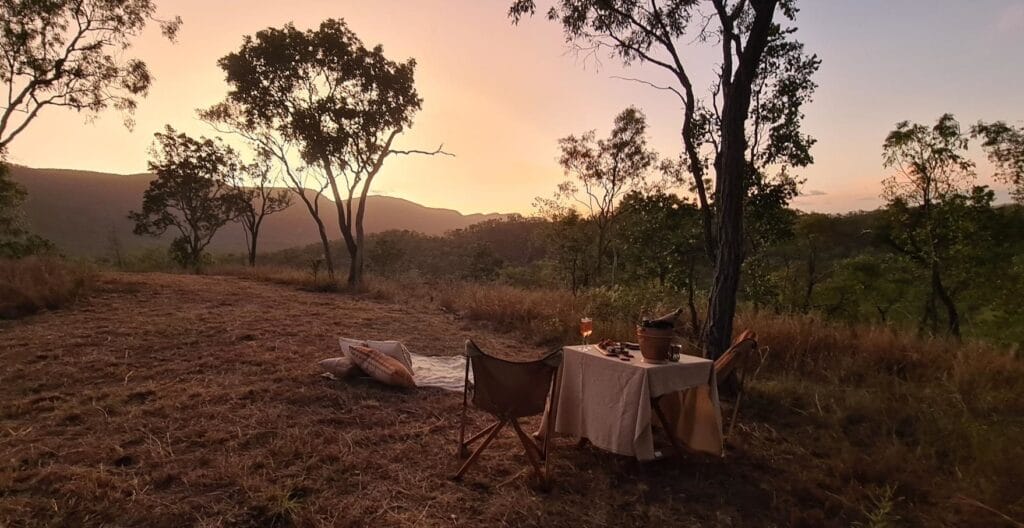
The roar of a lion in the wild is a captivating sound. Add complete darkness to the scene and the experience might just rattle your bones. Without daylight as a guide, the classic safari can become an even more immersive, atmospheric and unpredictable experience. Plus, with most tourists back at camp, evening game drives are often more exclusive, too.
Reserves and camps such as Sabi Sand Private Game Reserve (South Africa), Sanctuary Stanley’s Camp (Okavango Delta, Botswana), Usangu Expedition Camp (Ruaha National Park, Tanzania) and Bori Safari Lodge (Satpura National Park, India) offer evening game drives, while Sacha Lodge in Ecuador offers starlit canoe excursions in Yasuní National Park, where sightings of caiman are high.
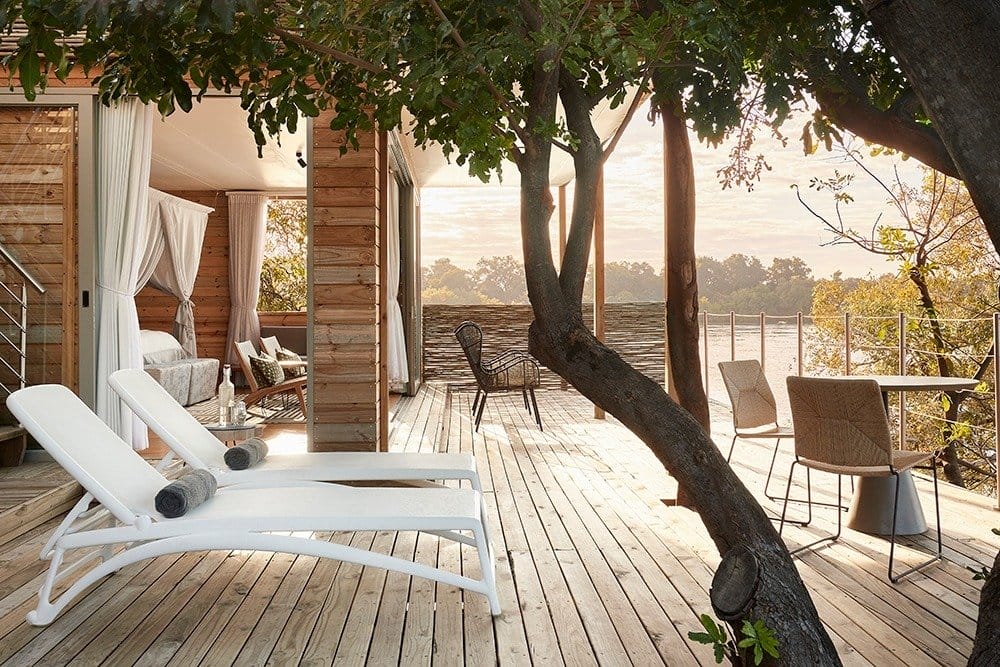
Sundowners, starlit dining and open-air sleepouts are also common features of the safari experience. Five-star examples include: Segera Retreat in Kenya, where the sleepout concept provides stellar 360-degree views; the Starbed Treehouses at Victoria Falls River Lodge, where the open-air experience sits on the Zambezi River; and Garonga Safari Camp in South Africa’s Makalali Conservancy, where hooves descend on the watering hole just metres from the sleep-out deck.
Elsewhere, nature puts on its own incandescent display through the magic of bioluminescence. This surreal after-dark phenomenon, caused by living organisms such as plankton and jellyfish that produce their own light, creates an incredible glow-in-the-dark effect. Witness shimmering shorelines in locations such as Vaadhoo Island in the Maldives, Puerto Rico’s Mosquito Bay, the Matsu Islands of Taiwan, and Coles Bay in Tasmania.
In the spotlight
Some of the world’s most recognisable landmarks know how to dazzle after dark. In Jordan, weekly Petra by Night events transform the ancient Rose City, with thousands of candles leading visitors to the Nabatean Treasury, where light projections appear on the famous façade. In India, the Taj Mahal opens just five nights each month, scheduled around the full moon, allowing strictly limited numbers to witness the monument’s white marble glitter under moonlight.
By night, Paris’s Eiffel Tower is dressed to the nines, the Burj Khalifa presents a light show in sync with a choreographed display from the Dubai Fountain, and Sydney Opera House is regularly adorned with projection artworks.
Thousands descend on Hong Kong’s historic Tai Hang neighbourhood during China’s Mid-Autumn Festival to catch a glimpse of the Fire Dragon Dance, a 67-metre beast constructed from thousands of glowing incense sticks weaving its way through narrow streets. Glowing lanterns and light displays also illuminate the festival.
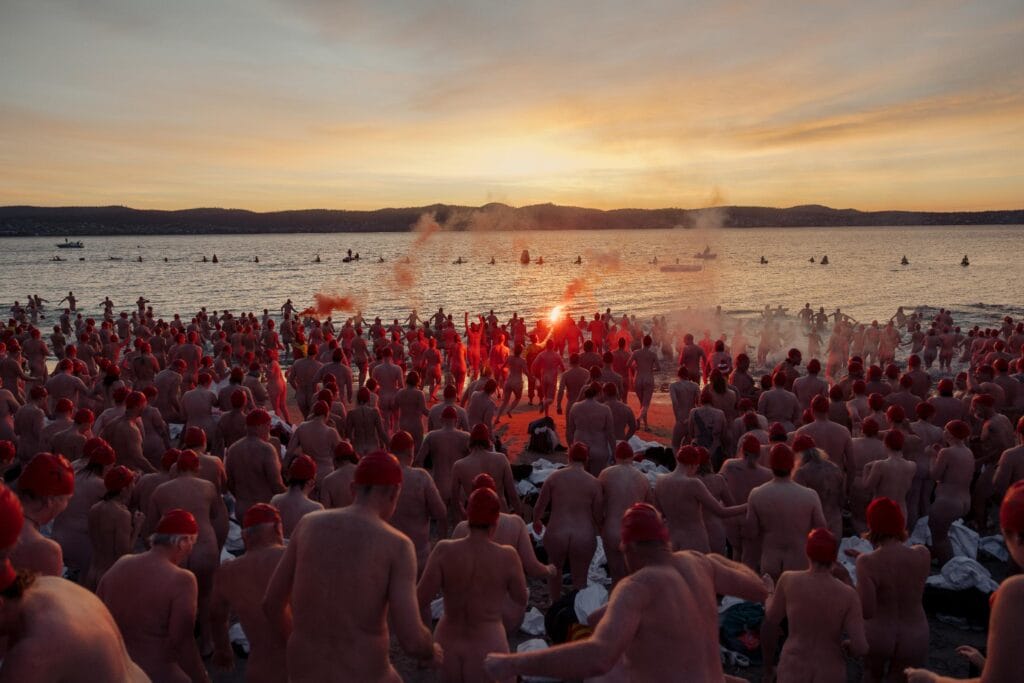
In Hobart, Dark Mofo has built its reputation around unique and boundary-pushing after-dark events such as the Nude Solstice Swim and Ogoh-ogoh, a ceremonial procession and effigy burning. “We’re really fortunate that travellers to Dark Mofo are curious to see acts they may not have heard of before and they’re open to engaging with work that can at times be confronting,” says Twite.
In particular, he points to Night Mass, an enormous street party that takes over Hobart’s CBD until the early morning hours. It attracts thousands despite minimal pre-event information regarding artists and activities. “For them, it’s about discovery and exploration. If anything, I think people are even hungrier for those kinds of shared real world experiences now.”
And, when in doubt, the City That Never Sleeps offers round-the-clock spectacle, with New York City’s overnight verve matched only – perhaps – by Tokyo and Buenos Aires. Whether it is the neon-lit streetscapes, buzzing bars, 24-hour eats or energy-fuelled revellers, these pulsating cities reveal a different personality after dark.
Latest Articles
Don't miss the latest from Luxury Travel