
After Noma: How Copenhagen became a culinary force
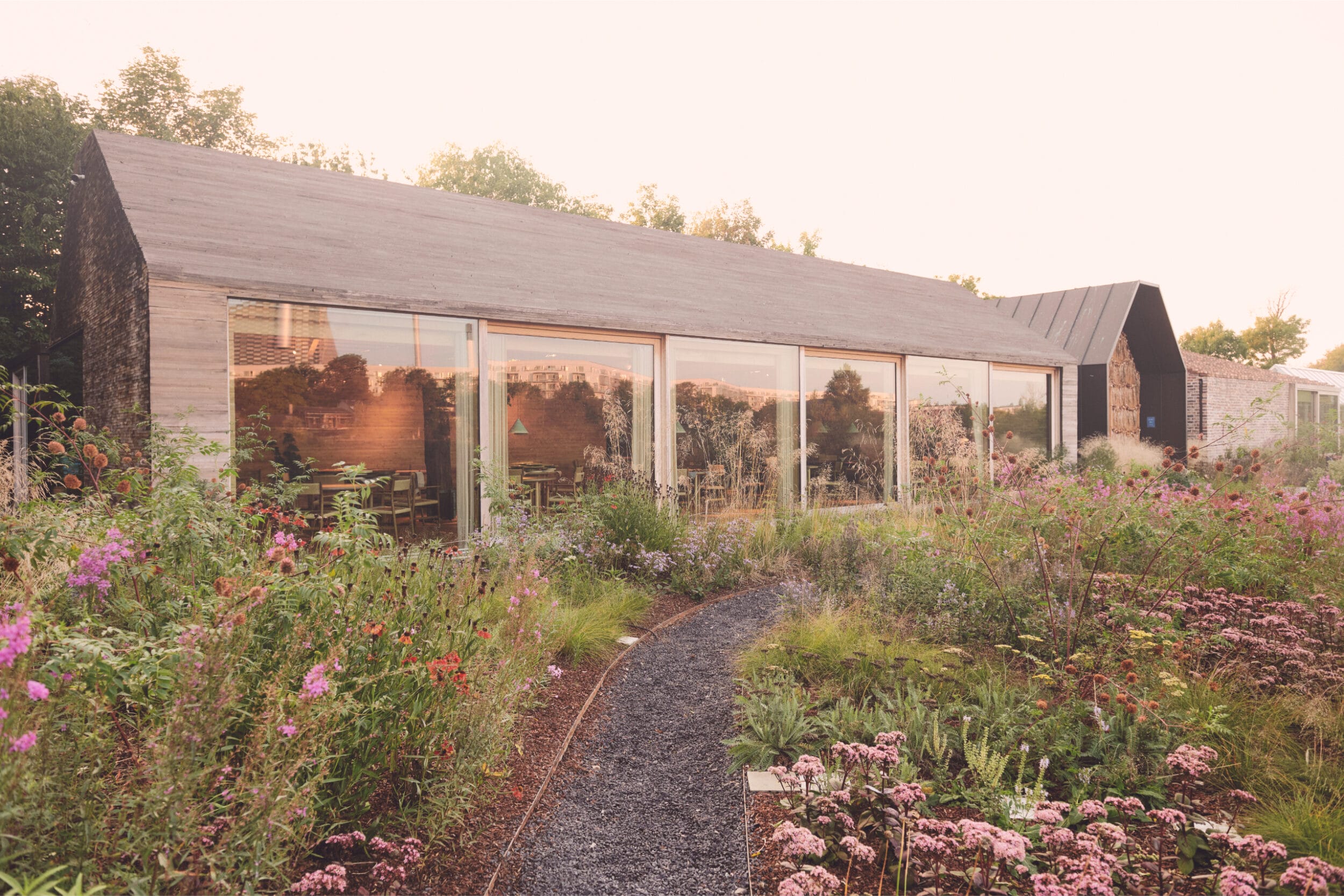
Noma’s garden setting in Copenhagen
When Noma opened in 2003, René Redzepi’s vision of Nordic cuisine – fermented mushrooms, moss, pickled pinecones – seemed outlandish. The restaurant went on to top the World’s 50 Best Restaurants list five times and earn three Michelin stars. Now, a new generation of Noma alumni is reshaping Copenhagen’s dining scene entirely on their own terms
In 2004, the world was introduced to ‘new Nordic cuisine’. One restaurant, Noma, seemingly went rogue: White tablecloths were swapped out for rustic wooden tables; caviar was taken off the menu and replaced with moss, kelp and pickled pinecones; and fermentation became the main technique in the kitchen. Co-founder and chef René Redzepi’s ambition was clear: reimagine fine-dining in the Nordics, champion sustainability and fundamentally improve eating habits across Denmark.
Redzepi’s approach was considered outlandish when he opened Noma in 2003, with his cuisine going beyond regular dining experiences. The restaurant had a test kitchen and fermentation lab – a space of experimentation that highlighted underrated ingredients to create a new ‘luxury’ in fine dining. The world responded with criticism, scrutiny and, eventually, applause: Noma topped the World’s 50 Best Restaurants list five times before receiving its third Michelin star in 2021, among other accolades.
Some may argue it became the most influential restaurant in the world. “Noma’s influence extends far beyond a specific style of cooking,” says chef Jonathan Bernsten from Michelin-starred Copenhagen restaurant The Samuel. “Their philosophy has not only influenced chefs and restaurants, but has also filtered down to the wider Danish public, fostering a greater awareness of where ingredients come from,” says the Danish native.
Casual Noma Alumni
At Hart Bageri, find cinnamon buns and sourdough bread. Popl is famous for its burgers, while Slurp Ramen is a go-to for Japanese noodle soups.
A long legacy
While Redzepi is credited for his talents and foresight into carving out an entire new cuisine in the Nordics and around the world, his legacy remains strong because of the people who worked beside him. Since Noma’s launch, thousands of budding chefs have come and gone – building the kitchen and its empire beyond the inner confines of the Danish capital.
Scurvy-grass, samphire and fermented mushrooms could only be brought to such tantalising heights by young hands willing to learn. And Noma proudly promoted its fluctuating staffing model, which has now grown to more than 100 at one time in the test kitchen, fermentation lab, garden and, most recently, coffee roastery. Grit and tenacity have proven dividends for restaurant alumni, with many now fronting their own globally acclaimed dining rooms.
With Copenhagen having hosted the Michelin Guide Ceremony for the Nordic Countries in June 2026, we are seeing that despite Noma’s influence – a singular restaurant putting the city on the culinary map – it no longer defines the Danish capital’s gastronomic gravitas. Thanks to a young brigade of ambitious chefs who are now building Copenhagen’s reputation as a top food city, there’s never been a better time to dine in the Nordics.
The Chef Network
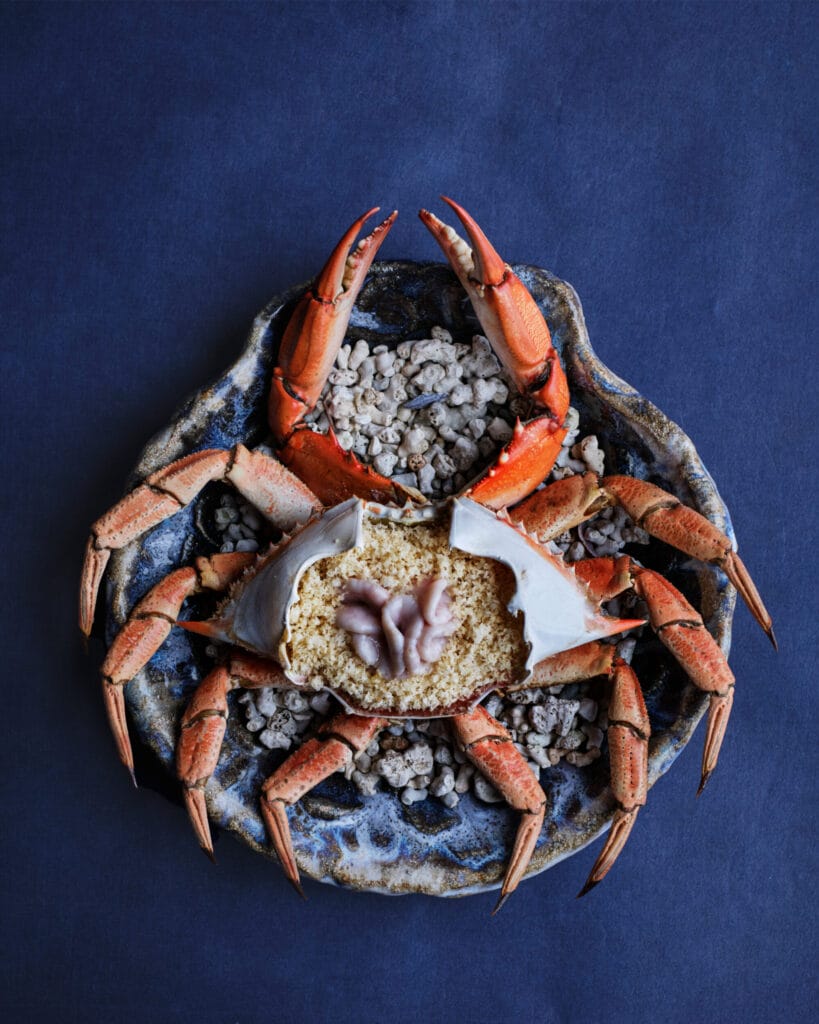
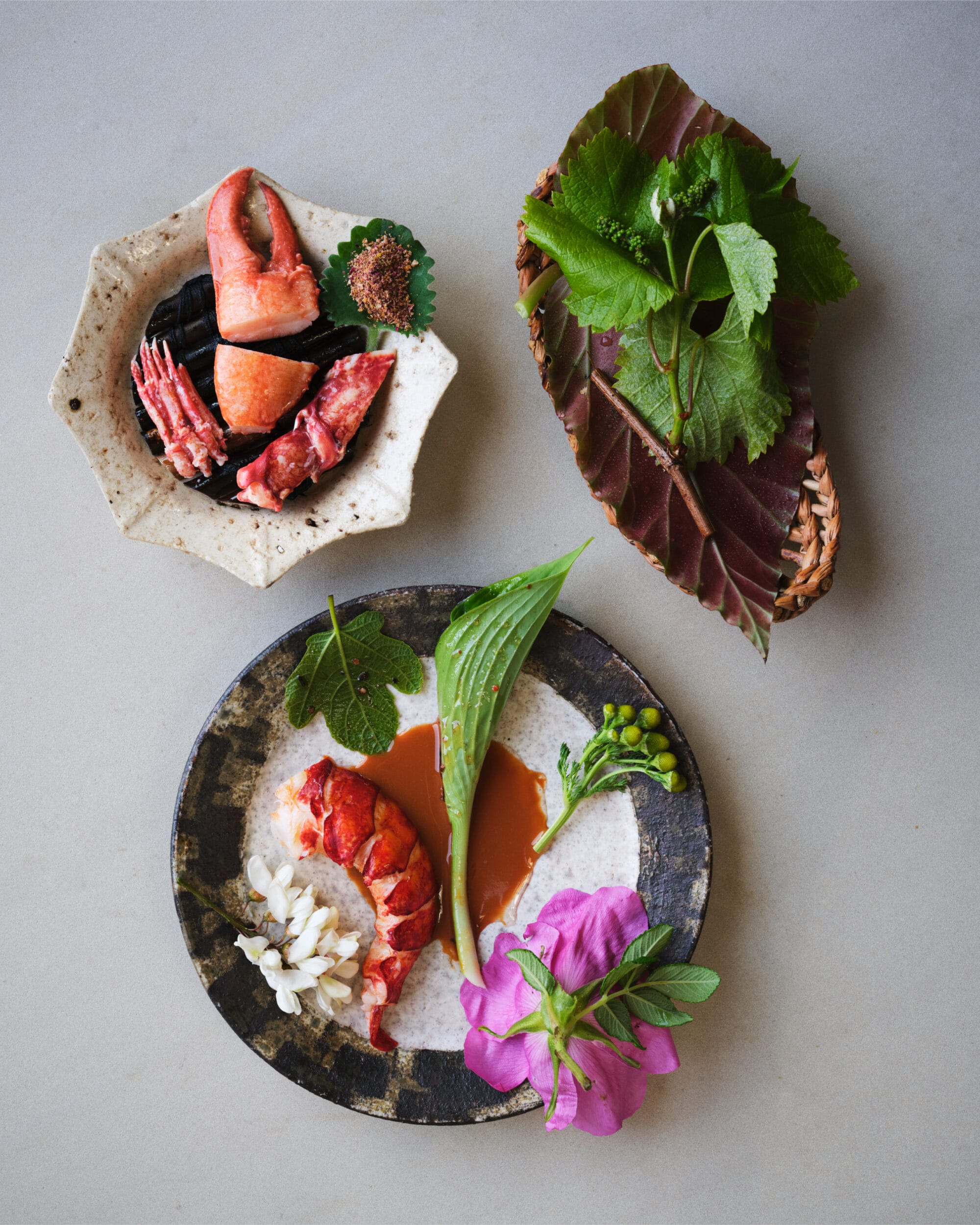
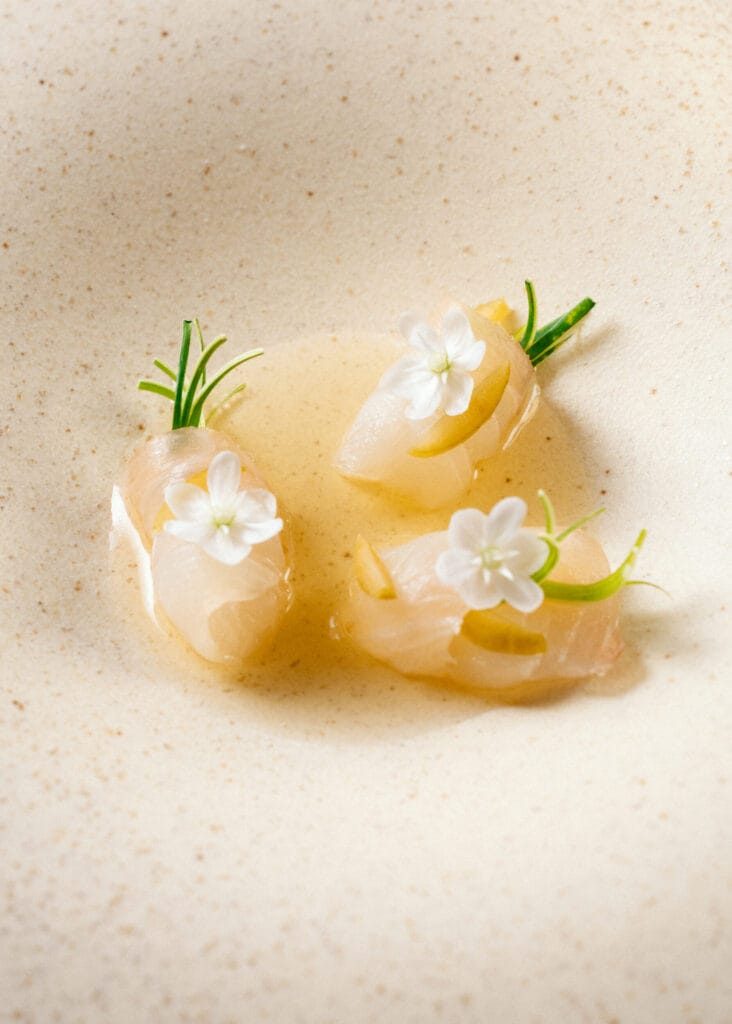
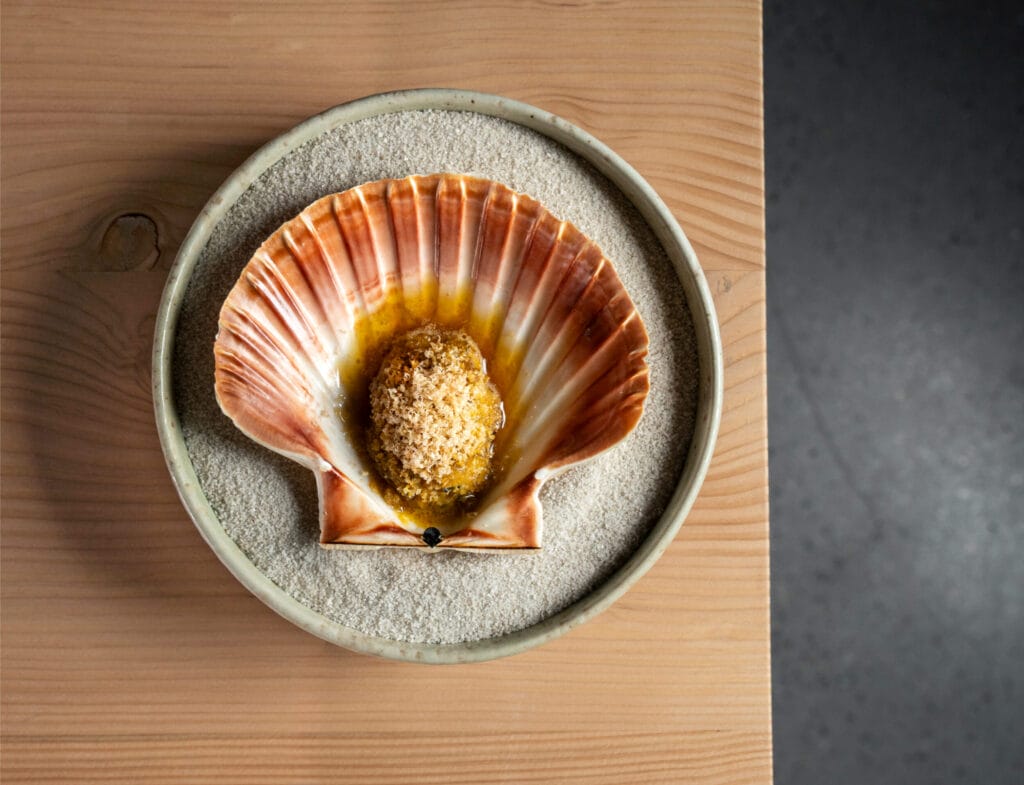
Contributing to the culinary prowess of the city – from fine-dining restaurants, wine bars and even bakeries – Noma alumni are a common force throughout Copenhagen. Restaurants include Fiskebaren, opened by former Noma restaurant manager Anders Selmer, with head chef Jamie Lee in the kitchen. Located in the newly revived meatpacking district of Copenhagen, Fiskebaren spotlights lesser-known and underappreciated seafood. There is also Bar Vitrine – a cool wine bar led by Indian-born Dhriti Arora who worked at Noma for four years, as well as Rosio Sanchez, the former Noma pastry chef, who owns the highly popular Mexican eatery Hija de Sanchez.
Matt Orlando, former head chef at Noma, says the restaurant’s legacy lives on through the alumni. “Noma really gives you a platform to excel after leaving. But with that platform comes the responsibility to carry the torch and represent where you came from in your own unique way,” says Orlando, who started working at Noma in 2005, two years after it opened.
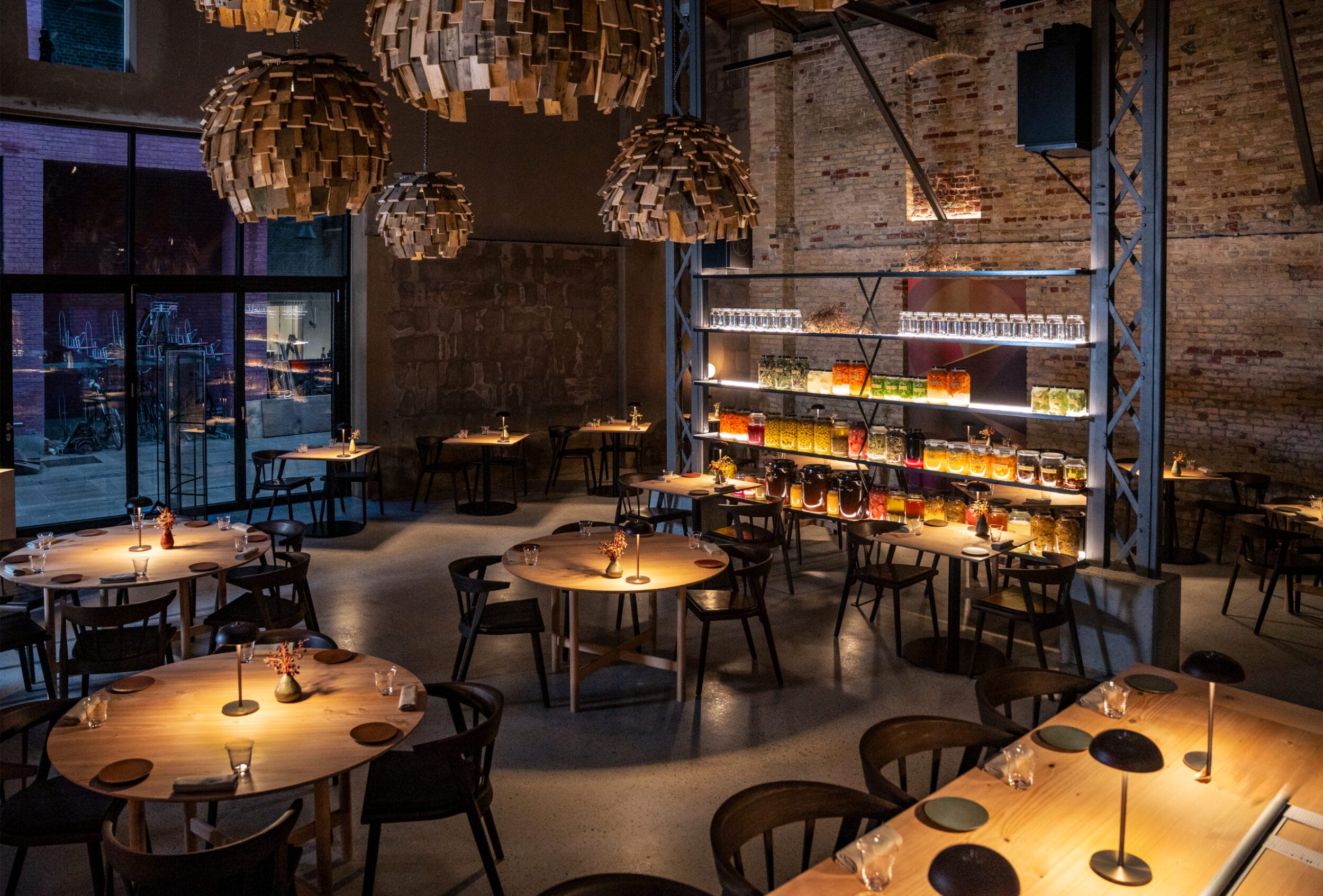
Fuelled by what he learned at Noma but with his own approach, Orlando is no longer known for his time their but instead, his first restaurant, Amass which closed in 2022. The American-born chef recently returned to Copenhagen to open his latest venture, Esse – a fully circular, sustainably-focused restaurant dedicated to fermentation. Housed in an industrial-style building with a garden, cooking school and research centre, Esse is unique and yet, some would say, very Noma-esque. “I think it would be naive to say the city doesn’t benefit from having Noma. To quote a friend, ‘Noma-nomics is alive and well’,” says Orlando.
Food for thought
Noma’s daring approach to be different has allowed other chefs in the city to push boundaries – and not just those who cut their teeth in the restaurant’s kitchen. Non-Noma alumni have been able to go off-piste with their restaurants because Copenhagen now has a reputation as an incubator for great dining experiences.
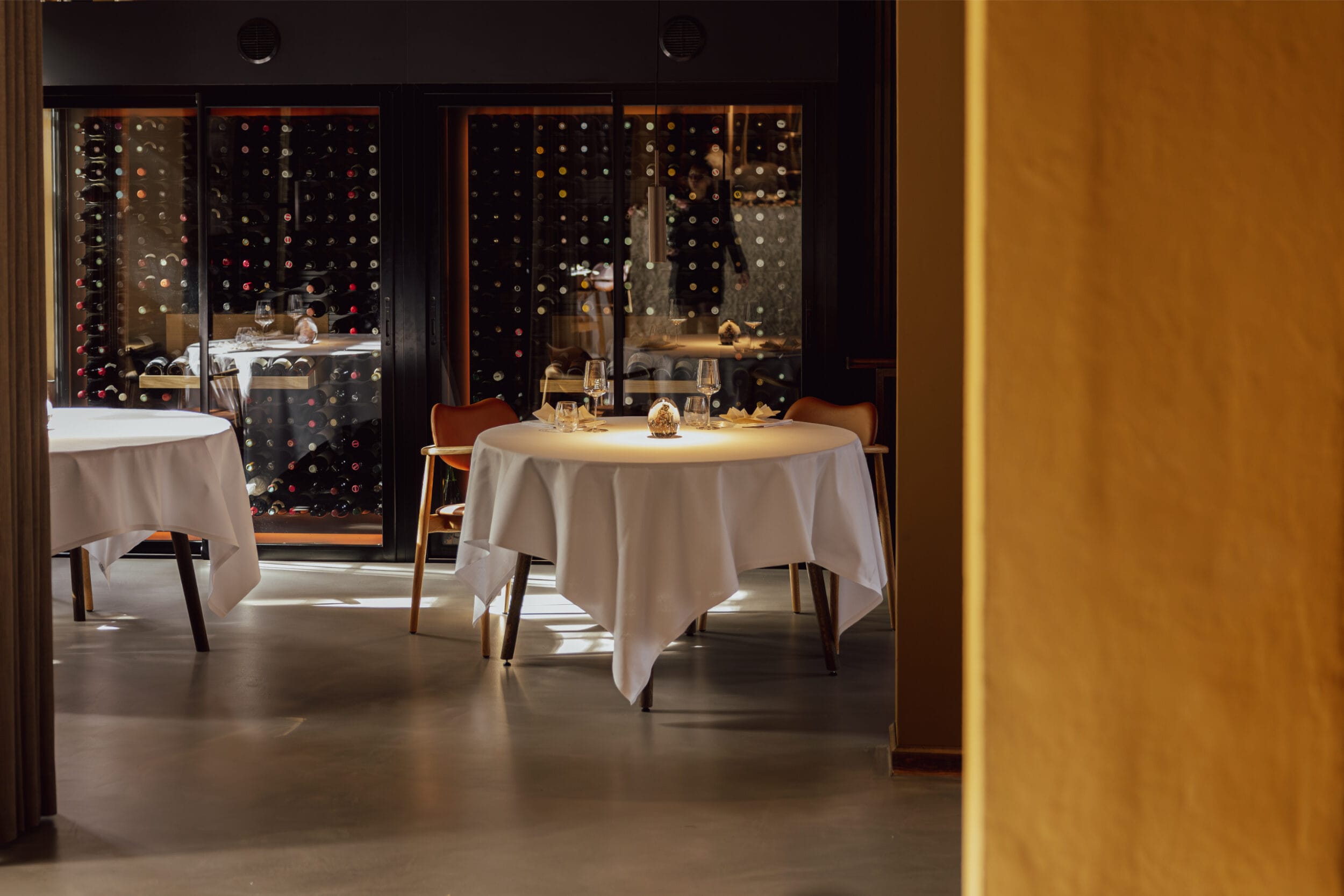
“Noma has generated significant international attention and enthusiasm around Danish restaurants as a whole,” says Bernsten. “Food enthusiasts and gastronomic tourists who travel here to dine at restaurants such as Noma will typically also explore other dining experiences,” says the chef who received a Michelin star four months after opening. Clearly, Copenhagen’s dining scene is being watched with interest by the Michelin inspectors and other formidable food guides. Restaurant Udtryk, run by Aussie-Hong Kong chef Edward Lee received a Michelin star in just 41 days after opening mid-2025, making it one of the fastest achieving Michelin star restaurants in the Nordics. While it was Noma that brought Copenhagen to the world, other restaurants are now driving the city forward.
“I do not believe that any fine-dining restaurants in Copenhagen exist in the shadow of Noma. While Noma is an exceptional restaurant, Copenhagen is home to a wide range of outstanding and distinctive dining establishments,” says Bernsten. “Collectively, these restaurants contribute to positioning Copenhagen as a leading culinary destination for food enthusiasts, tourists and locals.”
How to try Noma, now
At the moment, experiencing Noma is less about securing a traditional long-term reservation in Copenhagen and more about following the evolution of the brand through limited residencies, pop-ups and its growing creative arm, Noma Projects. While the restaurant continues to host seasonal services and occasional bookings in Copenhagen, much of the energy has shifted towards immersive international residencies – most recently a sold-out 16-week Los Angeles takeover running from March to June 2026.
For those unable to score a table, Noma Projects offers another way into the world of René Redzepi, through experimental pantry products, flavour shops and collaborations that bring the restaurant’s fermentation-driven philosophy into home kitchens. In Copenhagen, visitors can also stop by the recently opened Noma Projects café and flavour shop at the restaurant’s Refshaleøen headquarters, where coffee, condiments and signature ingredients offer a more accessible taste of the Noma universe.
Latest Articles
Don't miss the latest from Luxury Travel