
Spain Art & Culture, Countryside, Food & Wine
Aragon: Snow peaks, Mudejar gold and the kingdom that built Spain
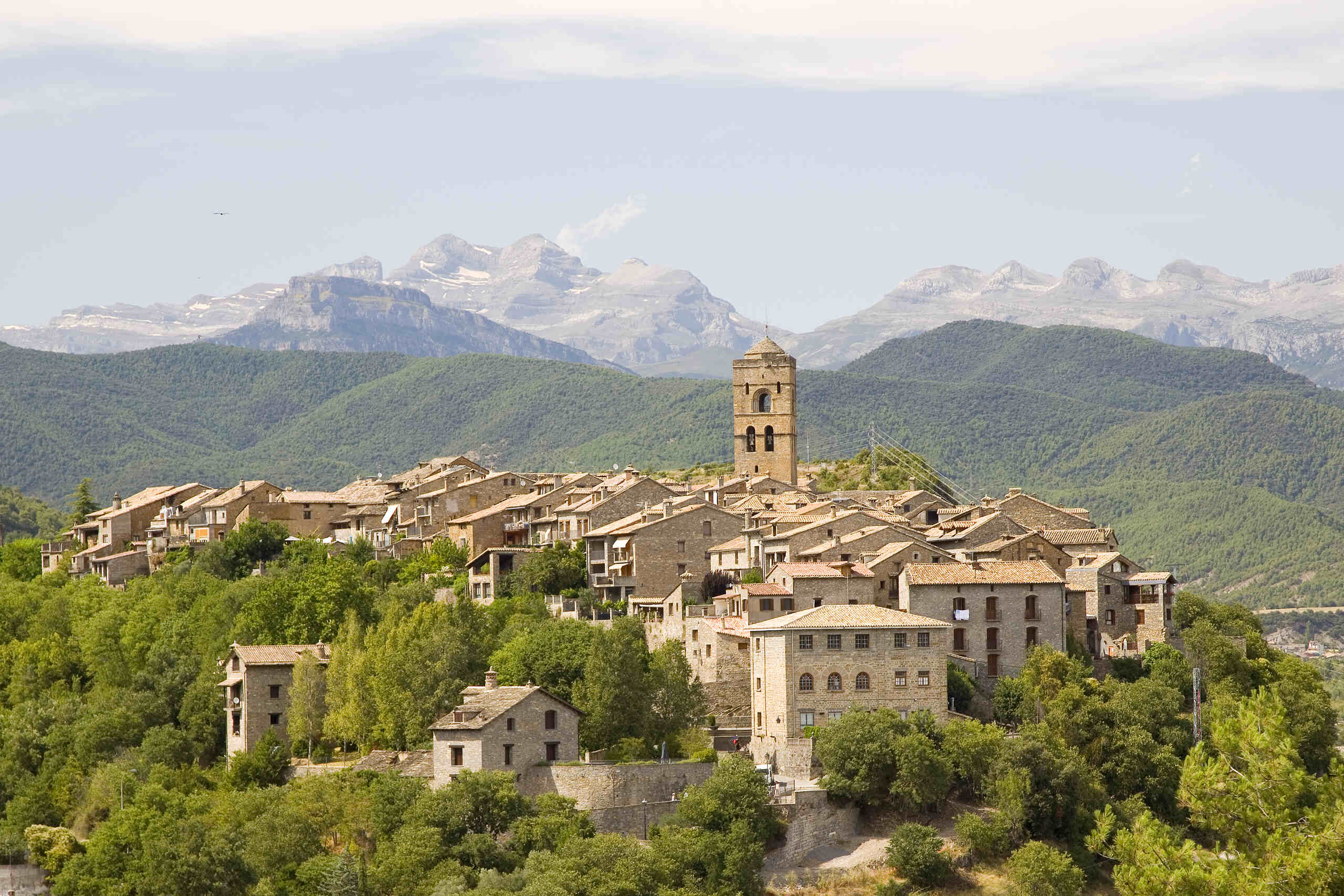
The town of Ainsa, located in Pyrenees mountains, Huesca, Aragon, Spain
The former Kingdom of Aragon is where modern Spain was born, yet few travellers make the turn north from Madrid or Barcelona. From a World War II refuge in the Pyrenees to Zaragoza’s golden plazas, this is the northern Spain worth slowing down for
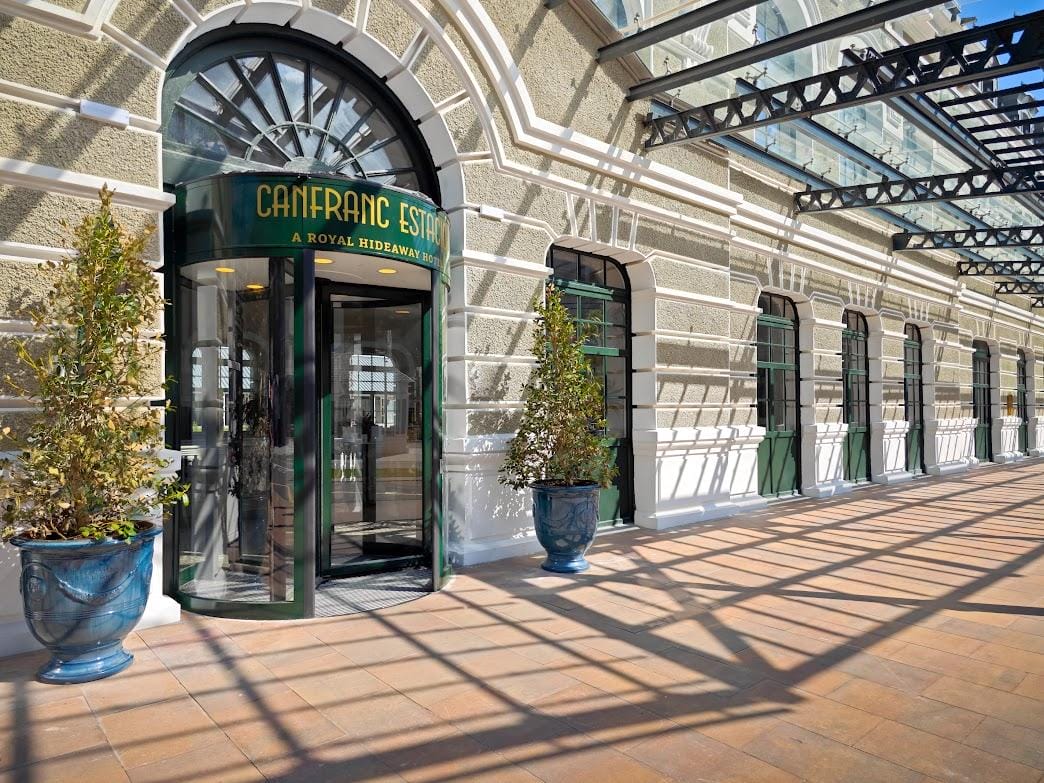
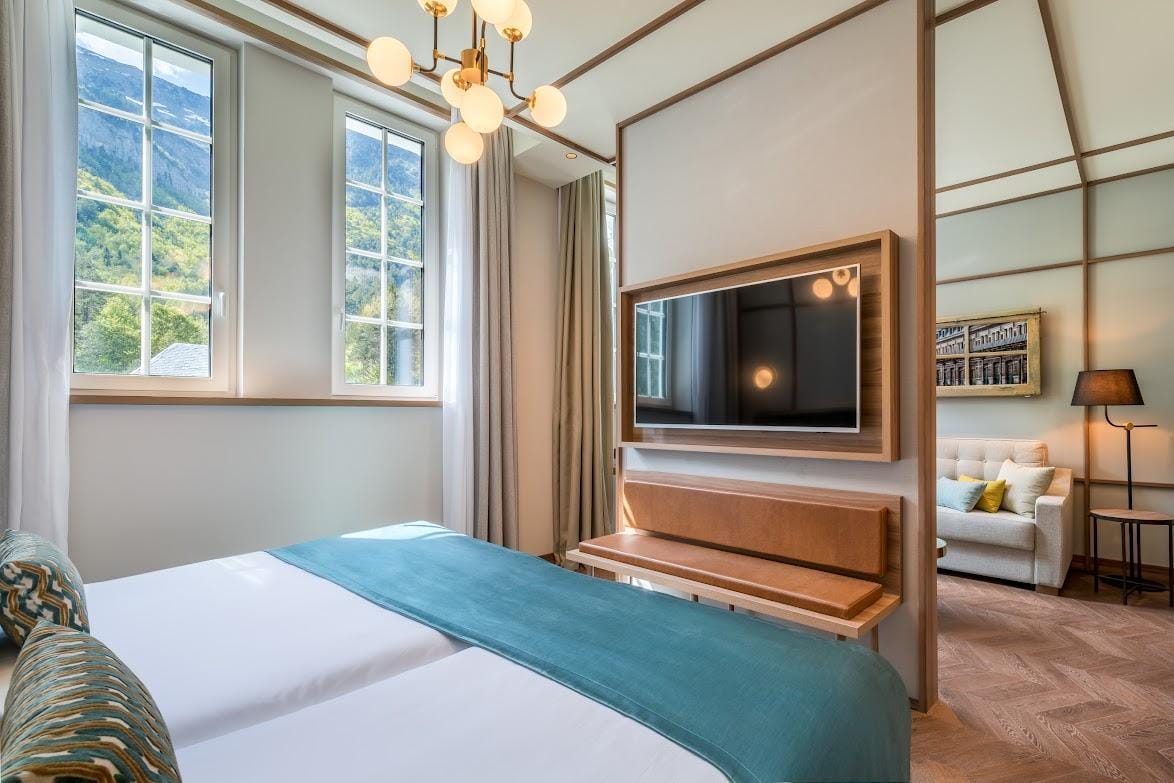
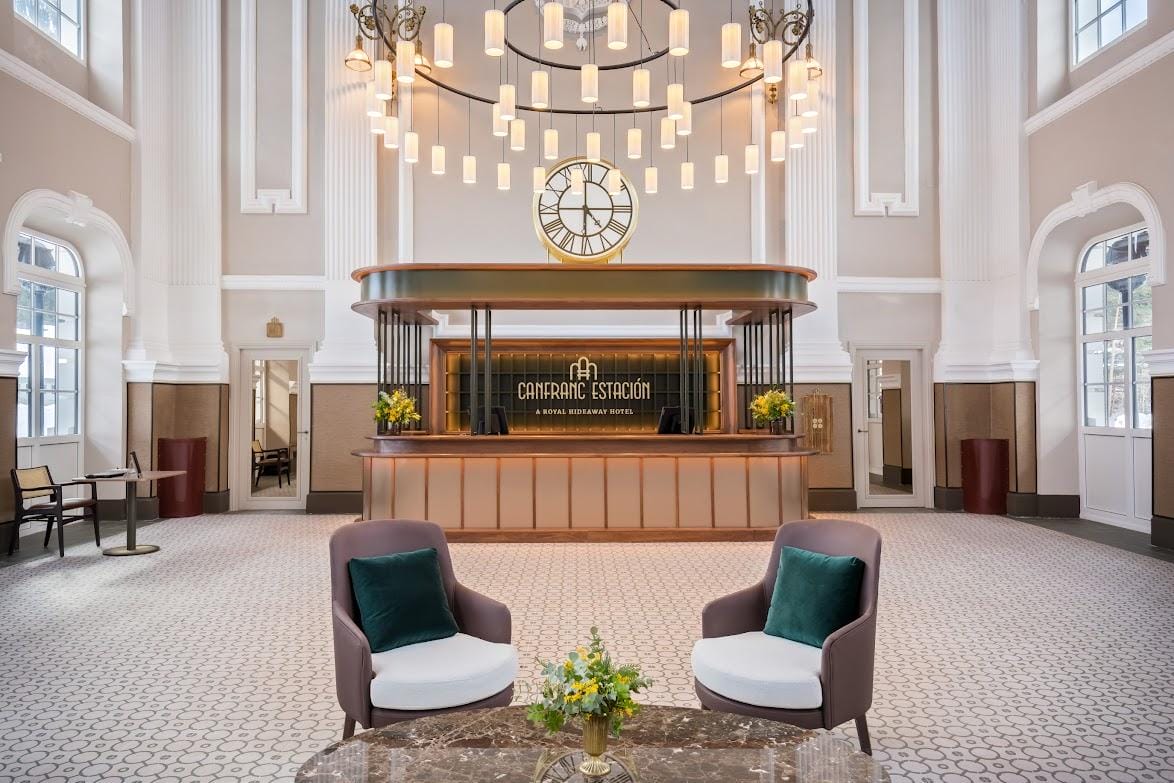
Concert hall-like vestibule windows frame amethyst-hued mountain peaks riveted with snow. All I can do is stare – the spectacular scene outside rivals the interior of the five-star Canfranc Royal Hideaway Hotel, a restored train station once known as the Titanic of Europe, the continent’s second largest station when inaugurated in 1928. At 241m long, about 1.5 times the size of the MCG’s oval lengthwise, it’s as difficult to fit into a landscape camera frame as it sounds.
The town of Canfranc is nestled in the Huesca province in the Pyrenees, between Spain and France. The then King of Aragon established it as a military fortress and border control point in the Middle Ages, and it became strategically significant in the 11th century as the caliphate of Cordoba fragmented and Islamic rulers scrambled to establish smaller, independent taifas (independent, fragmented Muslim-ruled principalities). Thus distracted, the remote Christian kingdoms in the north quietly fortified themselves and remained out of Al-Andalus’ struggles for territory and power. Later a refuge for spies and those fleeing Germany via France during the Second World War, Canfranc today is a village of only 500 residents, who calmly go about their daily lives in an idyllic setting.
Today the town is proudly reclaiming its heritage. Reinventing itself as a cool mountain getaway in northern Spain, the historic town is a scenic three-hour direct train ride from the capital, Zaragoza – once known as the taifa of Saraqusta.
Back in the lobby, I imagine passengers flitting back and forth to find their platform, luggage in tow, or buying tickets, queuing at the windows to ask about times, prices, seats, and station stops. Others bustle from exiting the trains or wait on the benches.
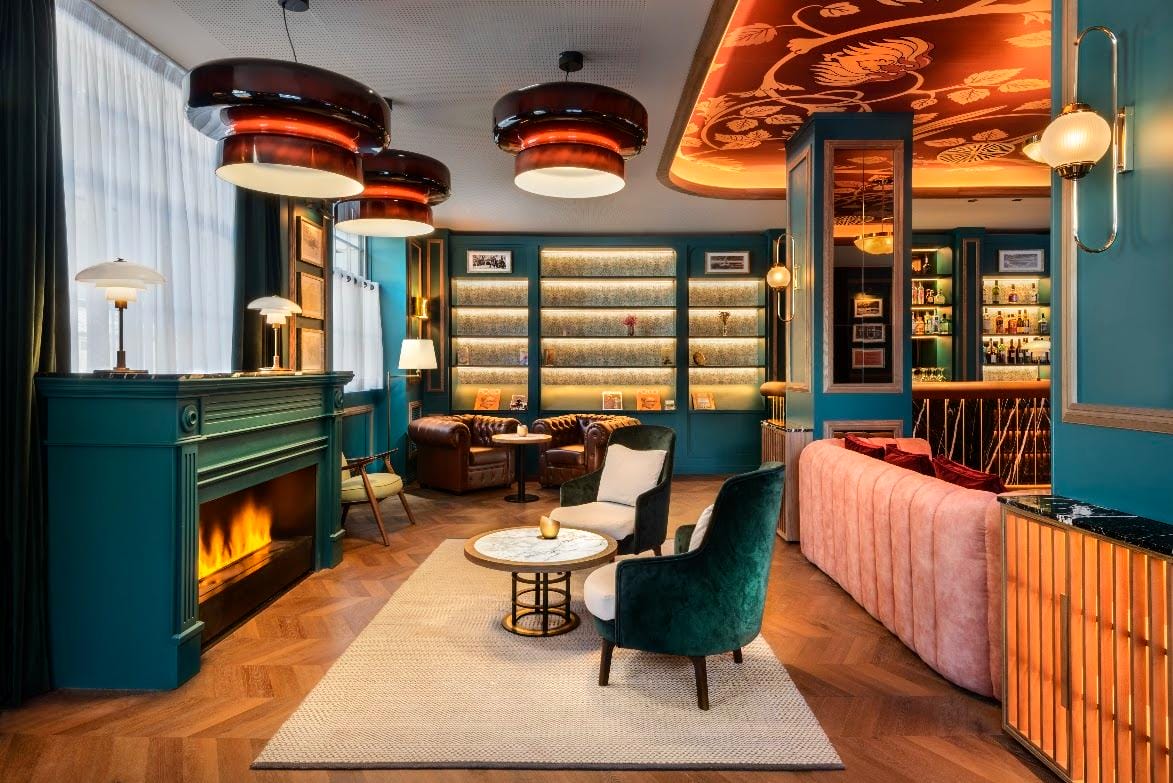
Back in the present, hotel guests check in quietly. Electronic access cards are handed over in custom retro information cards instead of paper tickets and porters dressed in holm oak green uniforms resembling train staff, take luggage to guests’ rooms rather than an awaiting carriage. Canfranc is no longer a stop to pass through on the way to somewhere else. It is the destination.
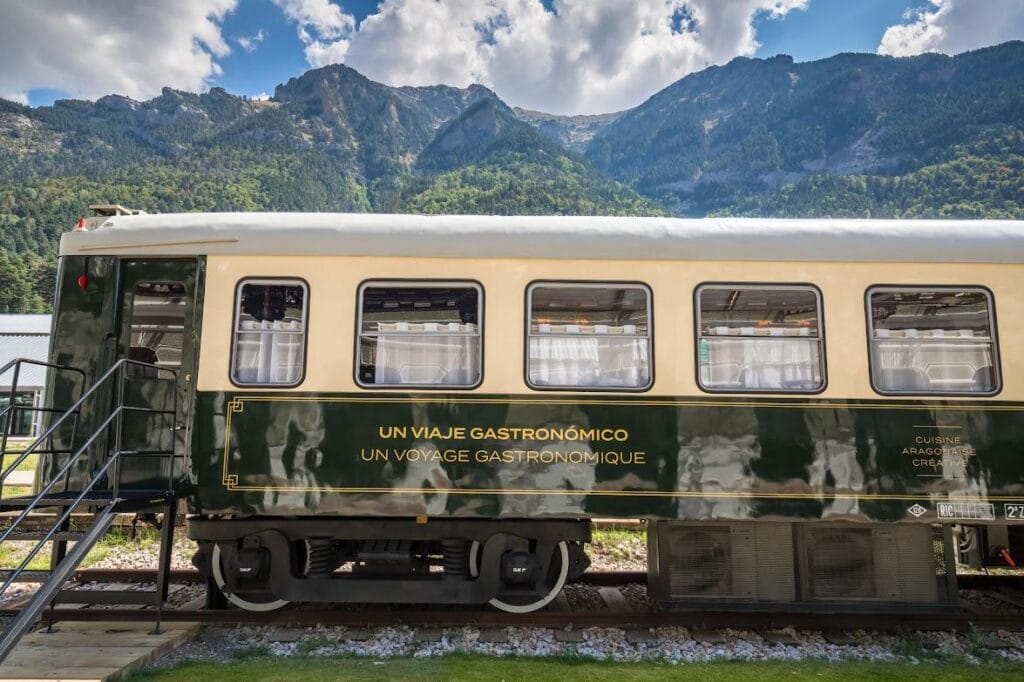
History geeks can visit the bunkers and learn about World War II, take guided tours of the area, or as I did, ride the restored vintage Canfranc Express train to Jaca.
While you’re here
The hotel offers packages to Candanchu ski resort, but there’s also Astún (Nov-Feb). Nearby bunkers used during World War Two, a historic tour of the hotel and railway station in English or Spanish, and various day hikes and road trips in the Pyrenees are perfect in the warmer months. Or take the vintage Canfranc Express train to Jaca for views of the river and gorges, travelling in the original wooden carriages. From Jaca, you can walk sections of the Camino de Santiago in Aragon.
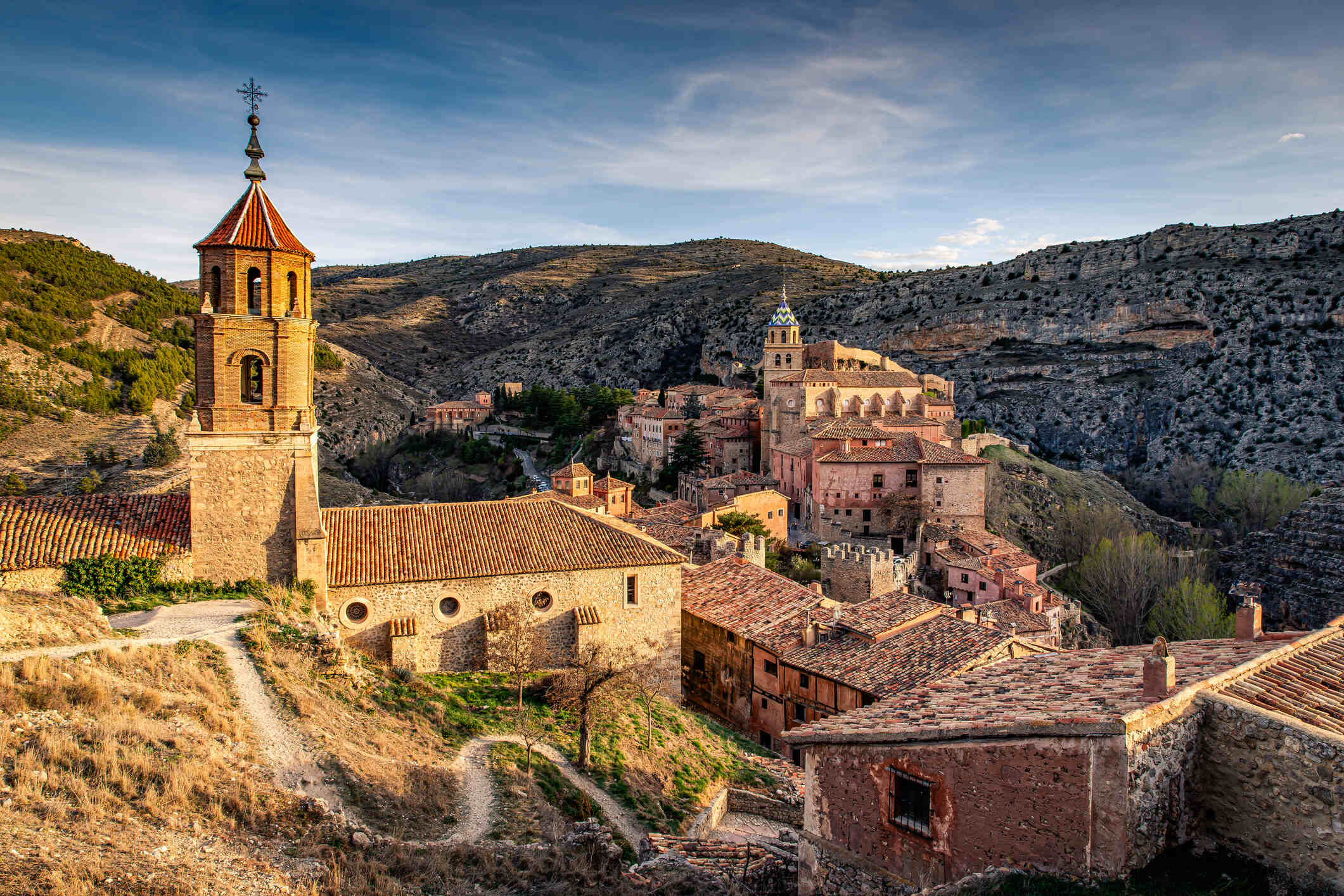
From Zaragoza, Albarracin and Teruel are must-see towns that showcase the best of Aragon’s history, culture, and gastronomy. There are UNESCO Heritage-listed Mudejar monuments in Teruel that are incredibly well-preserved, plus the famous Teruel ham, and lively plazas. Albarracin boasts an extraordinarily high ratio of top-class restaurants to residents, and is one of Spain’s most beautiful villages.
High cuisine at high altitude
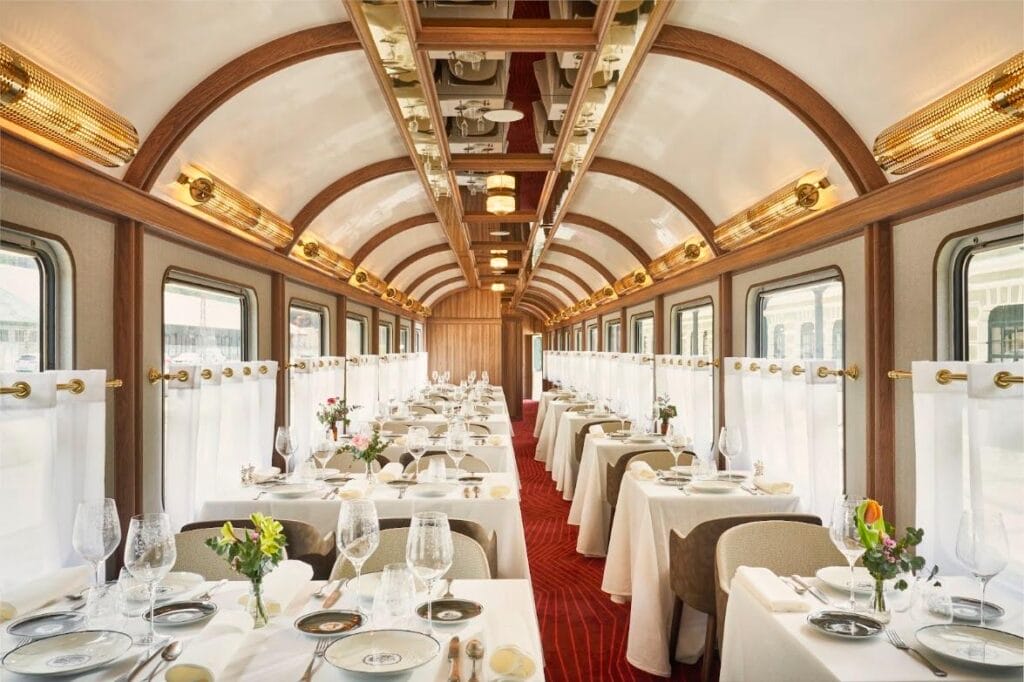
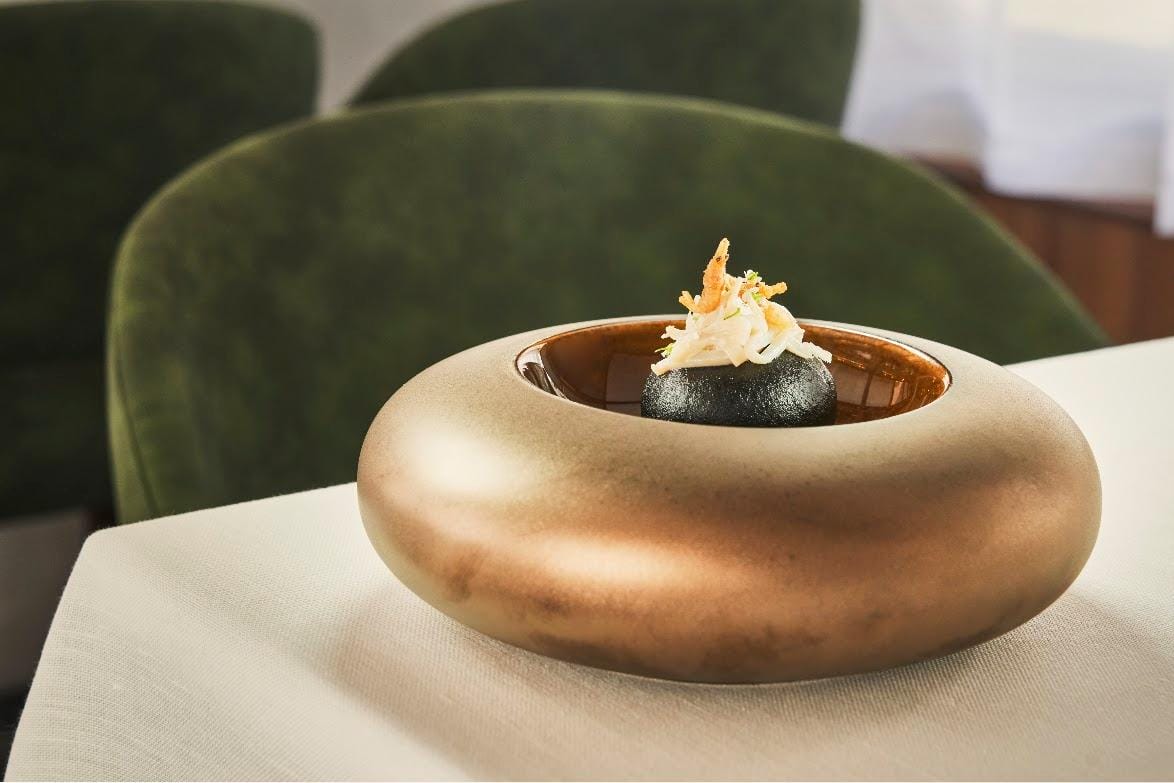
There are two restored rail carriages just outside, as if frozen in time. It’s the Michelin-star 1928 and Canfranc Express (not to be confused with the tourist train) restaurants, led by locals Eduardo Salanova and Ana Acín, serving French-Aragonese dishes with a twist. When I visit, sous chefs are just preparing entrees in 1928, which has a tiny open kitchen with minimal bench space. I can’t even see a full-size oven or stove. They give me a brief smile and turn back to the task at hand. Originally dorms for the railroad labourers, the space fit 13 men. I can only imagine the conditions. Today, it’s a cosy nostalgic Orient Express-like setting of plush red carpet, soft lighting, and wooden window frames.
I’ve not made a booking ahead of time, so I dine at the excellent El Internacional instead, enjoying a cold salmorejo to start and warm grilled vegetables for the main. I’m told that the carrilleras de cerdo (pork’s cheeks), migas (a traditional casserole of vegetables, pancetta, chorizo, and leftover bread), and lubina, a white fish, are the most popular dishes. My glass of Enate Somontano red wine is smooth and full-bodied with a berry aroma, and goes down well with the sweet strawberry ice-cream with a crunchy oval exterior, raspberry coulis, and sour but light fresh berries offset by the shockingly rich blue sheep’s cheese at the centre.
The Kingdom of Aragon and the making of the “real” Spain
The next afternoon I return to the capital of Aragon by train, arriving at Zaragoza Goya station on a Thursday evening and walking an easy 30 minutes into town.
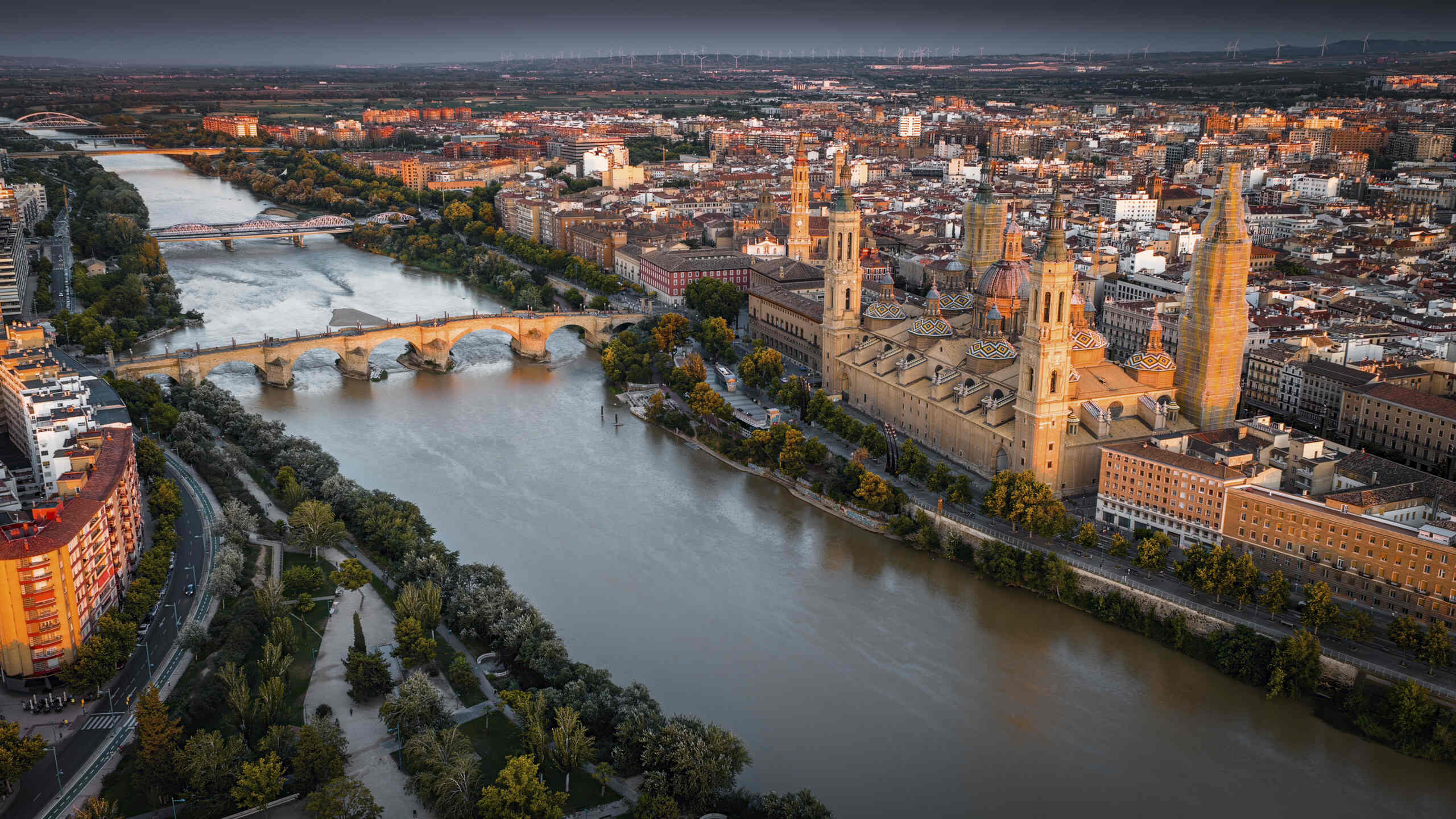
Saffron-gold light suffuses the late June sky and the Plaza del Pilar in Zaragoza at 9:30pm. Even then, only a handful of people are walking around in the dry heat. I can’t quite believe I’ve just left cool summer showers in the Pyrenees.
It’s an ideal time to capture the grandeur of the two Cathedrals. First, dimension. Second, architectural details. Bell towers, turrets, two floors-high doors, thick dome walls and columns.
But there’s something different.
The facade of La Seo is columned and white, with its sloped, symmetrical portal, mirrors Greek or Roman classical monuments. View it from the north-east aspect however, and the wall is a knitted tapestry of latticed terracotta brickwork, coloured ceramic tiles neatly adorning windows in classic Mudejar style. Glance up at the domes of Cathedral Basilica del Pilar, and they’re brightly patterned with glazed and geometric tiles of indigo blue, mustard yellow, white, and forest green.
Albarracin boasts an extraordinarily high ratio of top-class restaurants to residents, and is one of Spain’s most beautiful villages.
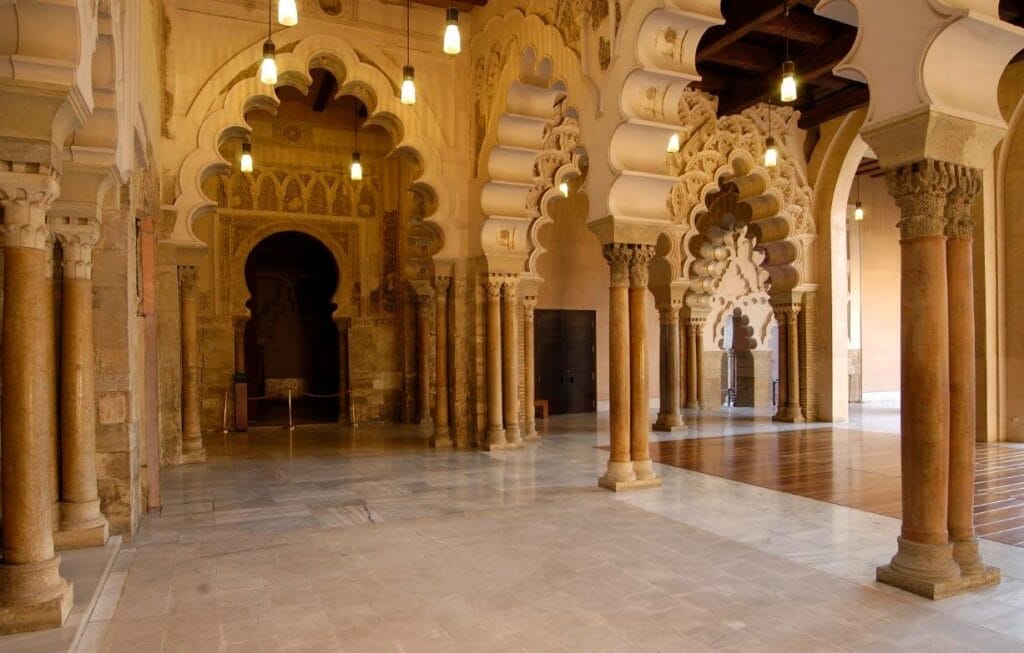
Across the Ebro River and the Puente de Piedra lies the Aljafería, where the current Parliament sits continuing its long tradition as the seat of government. It too has an Arabic name.
Unbeknownst to most visitors, it’s also where Spain as we know it today, originated, once the kingdoms of Castille and Leon, and Aragon, were united by the marriage of Ferdinand and Isabel. The layers of history manifest in the language and food, and the architecture – Visigoth, Phoenician, Islamic, Roman – show the real story of Spain.
Good to know
It can still rain in the summer months at Canfranc but it’s refreshing – temperatures usually hover around 25 degrees but even when it’s cooler, there are plenty of cosy nooks to while away the time. French is just as likely to be spoken as Spanish, but English will get you by just fine.
Zaragoza is best visited from March-June and September-mid-November.
Wine time
Over the following days, we learn about Aragon’s underrated role in the wine industry. Like the Australian countryside, Aragon’s rural areas are largely used for cultivating produce and livestock. Vineyards, olive trees, cherry and almond orchards are everywhere we look as we speed through the landscape.
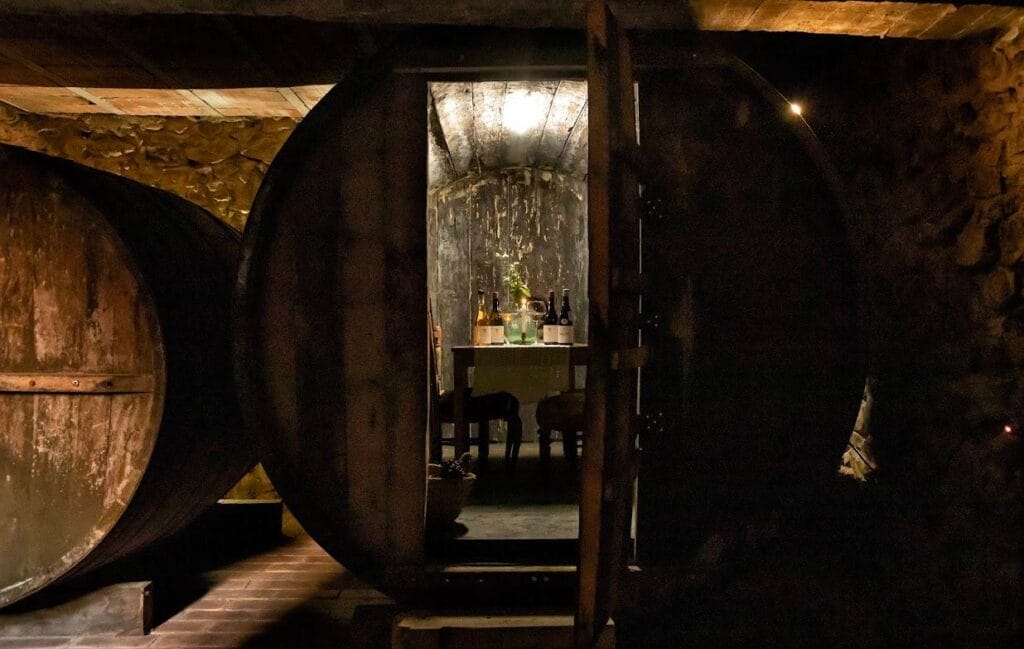
At family-owned vineyard Libre y Salvaje (Free and Wild), we head underground to walk through caves from Islamic times, and see how they are used to moderate the wine’s temperature, and gigantic clay amphoras store several vintages. Harvested by hand, the cariñena grape is added to garnacha or moscatel to give it a unique tart taste. A favourite is Paco El Feo, and while he might have been ugly (feo), his vintage is not.
Boarding the train to Barcelona and its beaches on the Mediterranean Sea the final day, I’m sorry to leave this region of surprises. Taking a high speed ride through Aragon’s culture, history, and gastronomy scene in a week feels rushed. Next time, I won’t be in a hurry to end the journey.
Journey Notes
Take the high-speed train from Madrid to Barcelona (or vice versa) stopping at Zaragoza. It’s 1.5hrs from either. Trains are run by Renfe, Iryo, and Ouigo. There are several daily departures from Madrid’s Atocha Station or Barcelona’s Sants Station.
From Zaragoza, take the train to Canfranc from any of the four stations in Zaragoza. Goya is the most central. It’s €13.50 one-way and rarely full but best to book in advance. Twice daily via Renfe.
Latest Articles
Don't miss the latest from Luxury Travel