
Caribbean Art & Culture, Beaches, Food & Wine
Saint Martin & Sint Maarten: The Caribbean isle with French flair and a Dutch soul
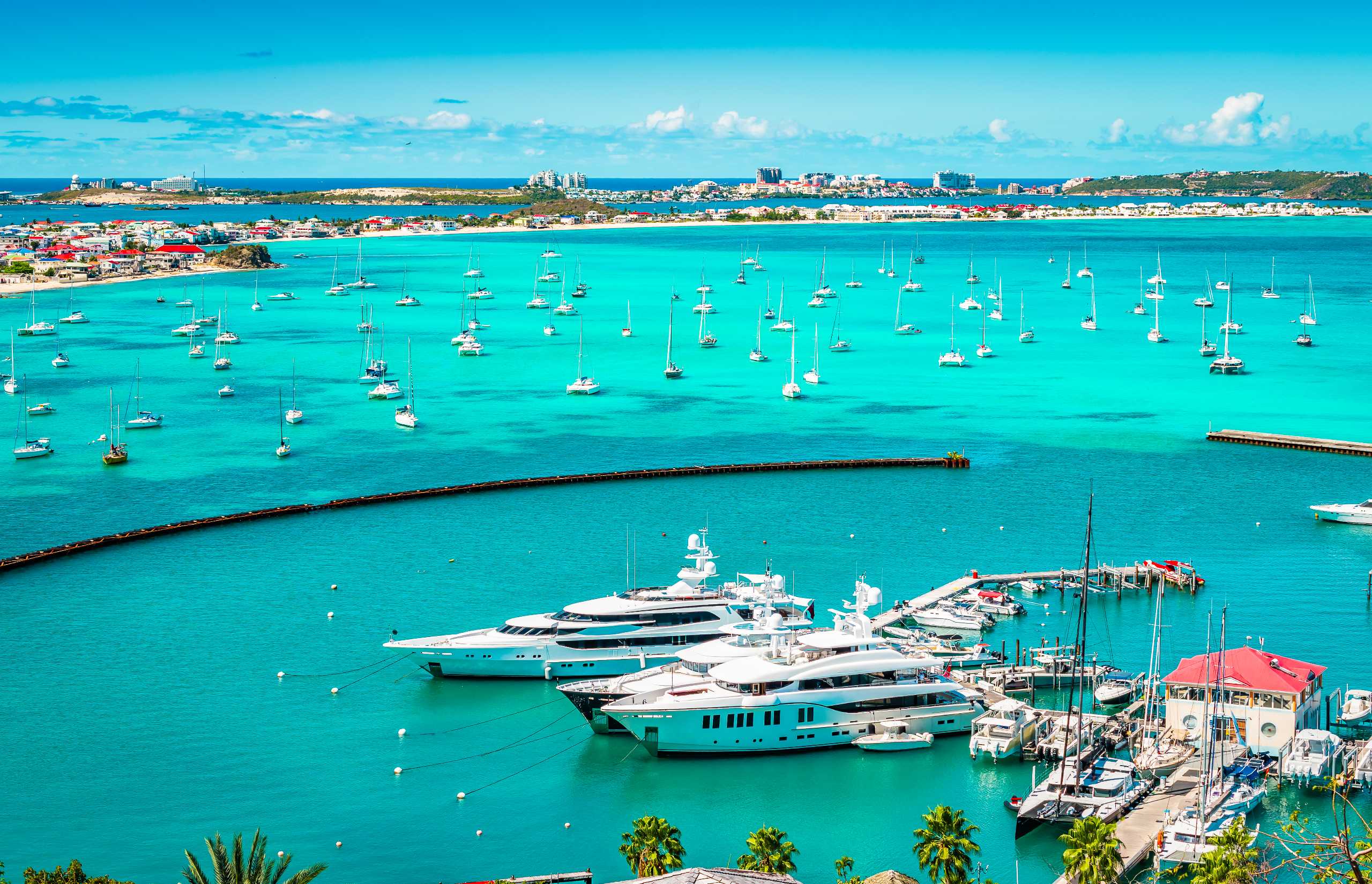
Marigot, St Martin, Caribbean
Saint Martin and Sint Maarten offer more than white-sand beaches and gin-clear water. This dual-nation Caribbean island rewards travellers who venture beyond the shore
Saint Martin and Sint Maarten may be a single Caribbean island, but it’s shared by two nations: French-speaking Saint Martin in the north and Dutch-speaking Sint Maarten in the south. With no hard border, it’s possible to loop the land in a yacht or drive between the Dutch capital of Philipsburg and French Marigot in just two hours.
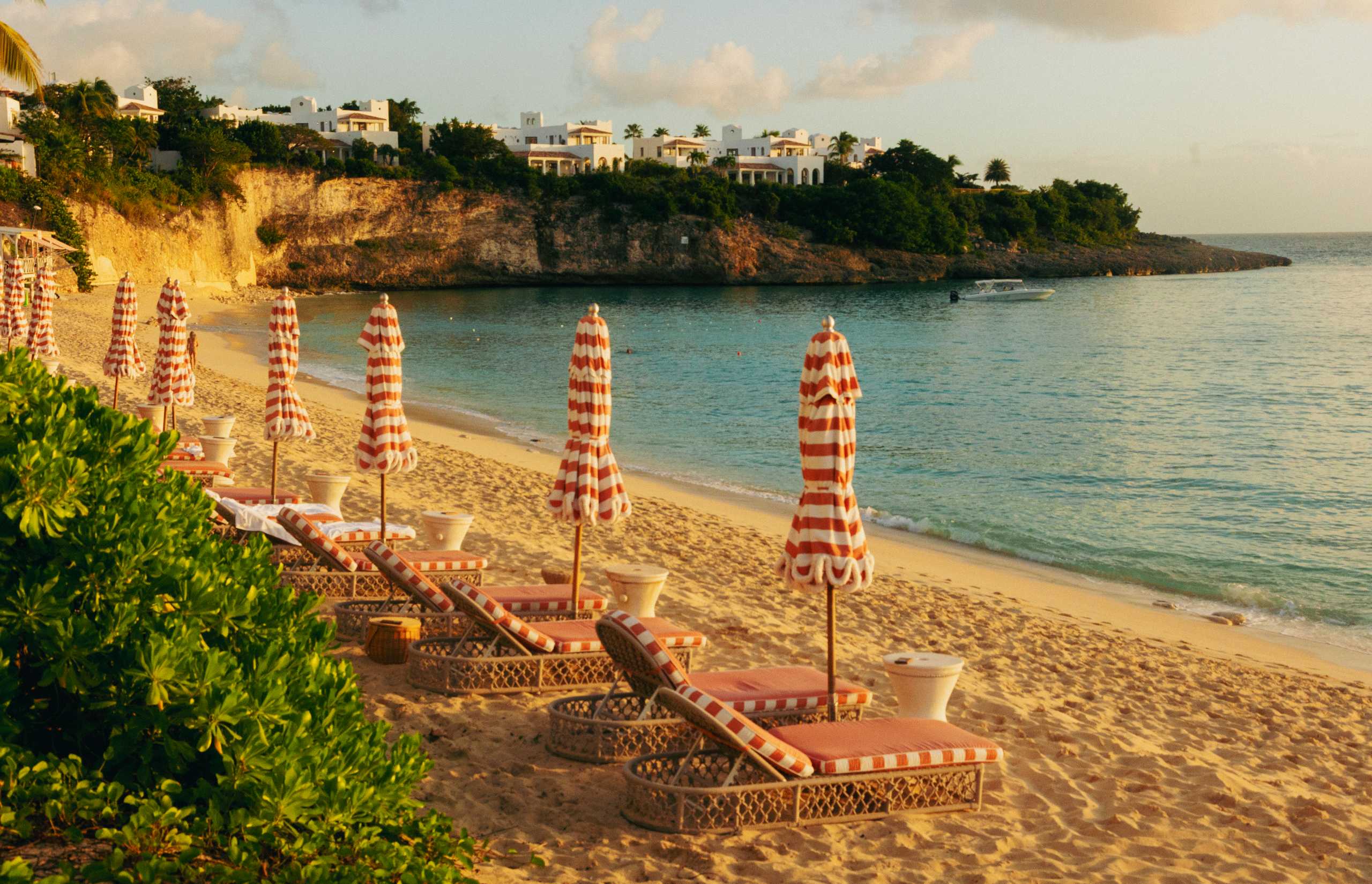
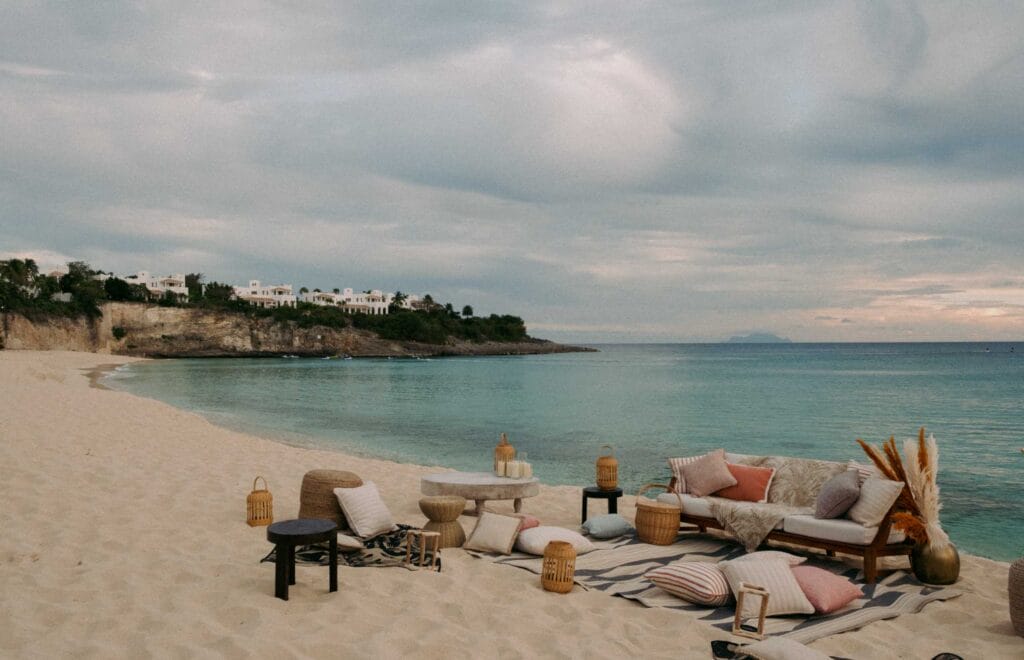
Most visitors arrive by plane – skimming the heads of sunbathers on Maho Beach in Sint Maarten – then unwind on secluded beaches like Coralita on Saint Martin or on a yacht with a company such as Sint Maarten Boat Charters. Before arriving, this was my intention, too. But it doesn’t take long before I become more interested in the island’s dual identity than its beaches.
Dominica: A tribal land
Once known as Caribs, the Kalinago people have populated the Caribbean since c4000 BCE – 6,000 years before European colonisers. In 1903, the Dominican government recognised a Kalinago territory, and today visitors can tour Touna Aute Carib Native Village, home to 142 of Dominica’s 3,500 Kalinago. Inhale the scent of lemongrass and sample sugarcane with former chief Nanichi Auguiste, who points out trees loaded with soursop. “We mix the root vegetable tannia with condensed milk and nutmeg to make porridge,” he says. “It beats any Kellogg’s cereal.”
Borderline bliss
Touching down on the island after a long-haul flight feels like I’ve stepped into the past. Life slows down as I see men playing dominoes in villa front gardens, metre-long iguanas basking on rocks in the sun. In the evening, locals light campfires under a full moon.
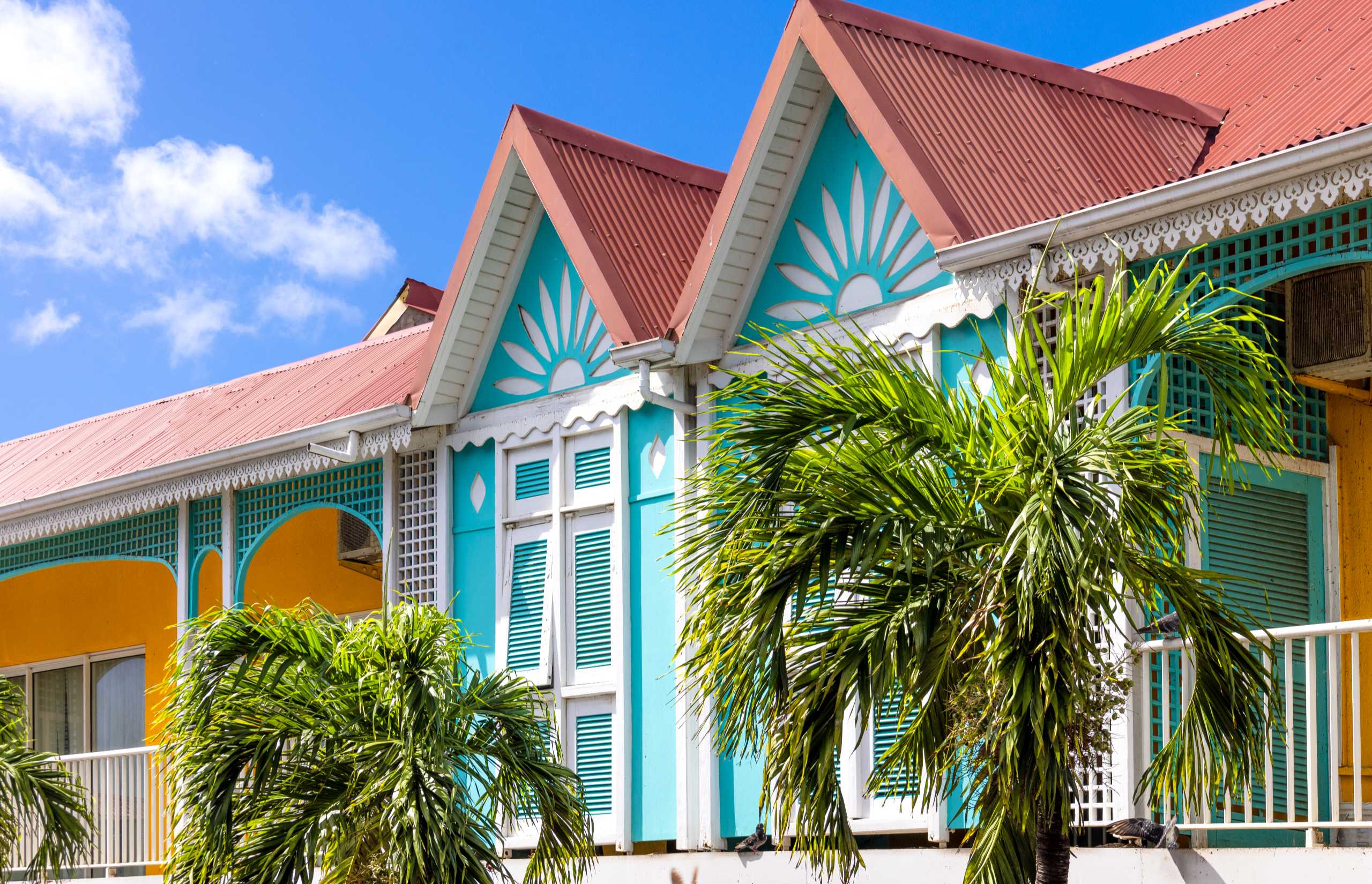
The island’s two personas are ever present, a subtle undercurrent shaping everything from villa verandas to the taste of a morning coffee – and yet it’s easy to miss the fact that you’ve crossed the Dutch/French border. One moment I’m in the French capital of Marigot, where the scent of cheese and wine wafts in the air and café chairs scrape against pavements. The next, I’m gliding into the Dutch capital of Philipsburg, where reggae hums from beach bars, the air carries faint notes of sunscreen and rum and a dog chasing a chicken nearly trips me up.
I feel the difference between the two sides most in the atmosphere. On the French side, mornings are filled with flaky croissants and quiet conversation. On the Dutch side, afternoons slip into something livelier – reggae, laughter and ice clinking in tall glasses. And the best part is that both sides can be visited in a single day.
Guadeloupe: Sugarcane with a bitter past
Discover the darker side of rum at Distillerie Reimonenq’s Musée du Rhum on the French-speaking island of Guadeloupe. While the museum opened in 1990, the distillery was founded in 1916, and the island’s connections to slavery go back to the 1630s. Visitors can watch a presentation to learn how sugarcane is grown, pressed and distilled into rum before touring the museum and sampling pineapple, coconut and 17 per cent lime rum, which tastes like cordial.
A rich history
I delve into the island’s rich pre-colonial history at the former plantation house Emilio Wilson Museum, nestled in Saint Maarten’s Rockland Estate. The sound of Caribbean drums drifts on the still air as I peruse the property, which is named after the grandson of the plantation’s slaves, and discover that a volcanic eruption created the island 50 million years ago.
Its earliest inhabitants, the Arawaks, arrived from Venezuela around 600 CE, then the Caribs, or Kalinago, invaded around 1300, before the Dutch, Spanish and French battled for control in the 17th century. The Dutch and French have shared the isle since 1648.
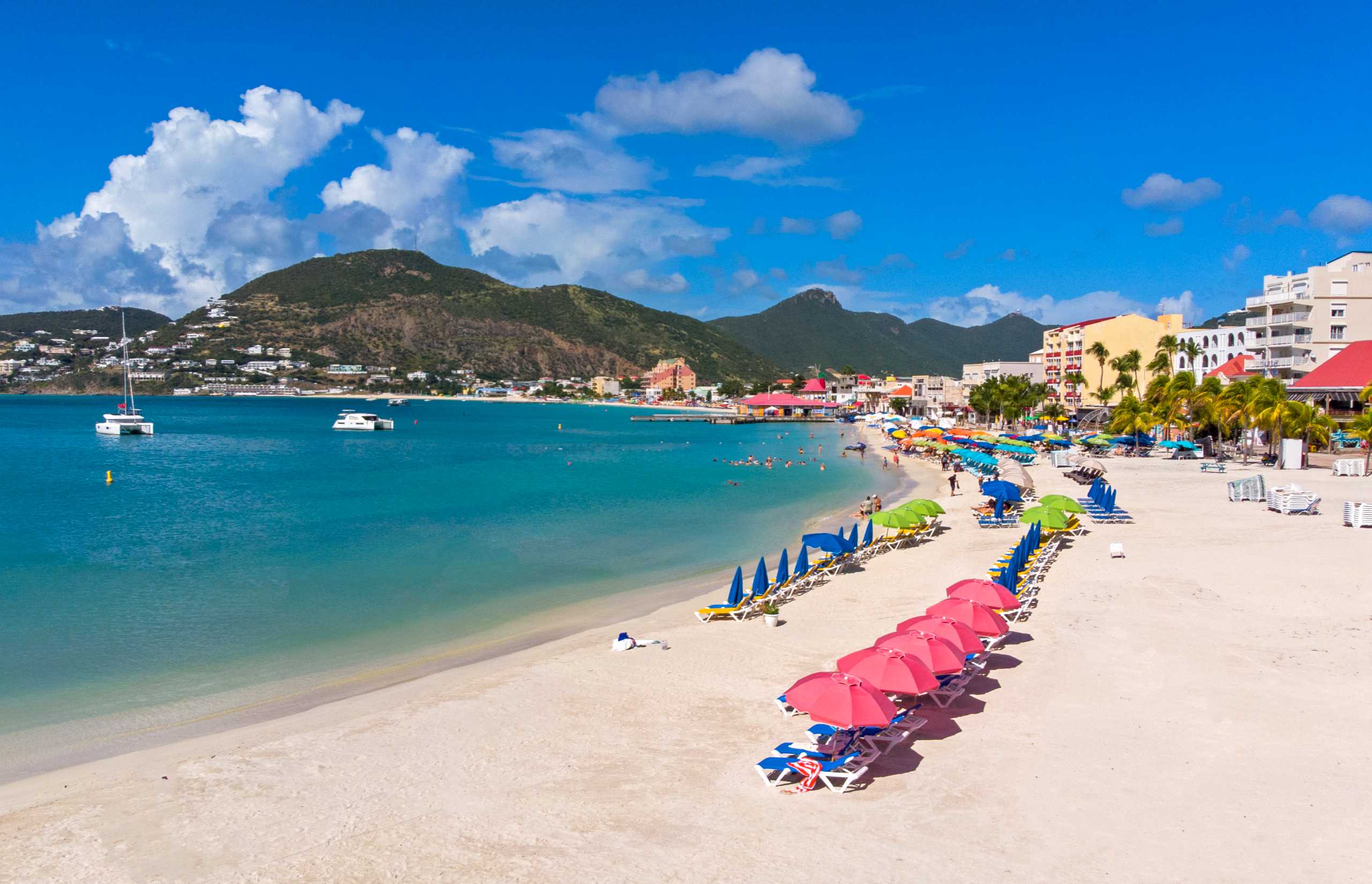
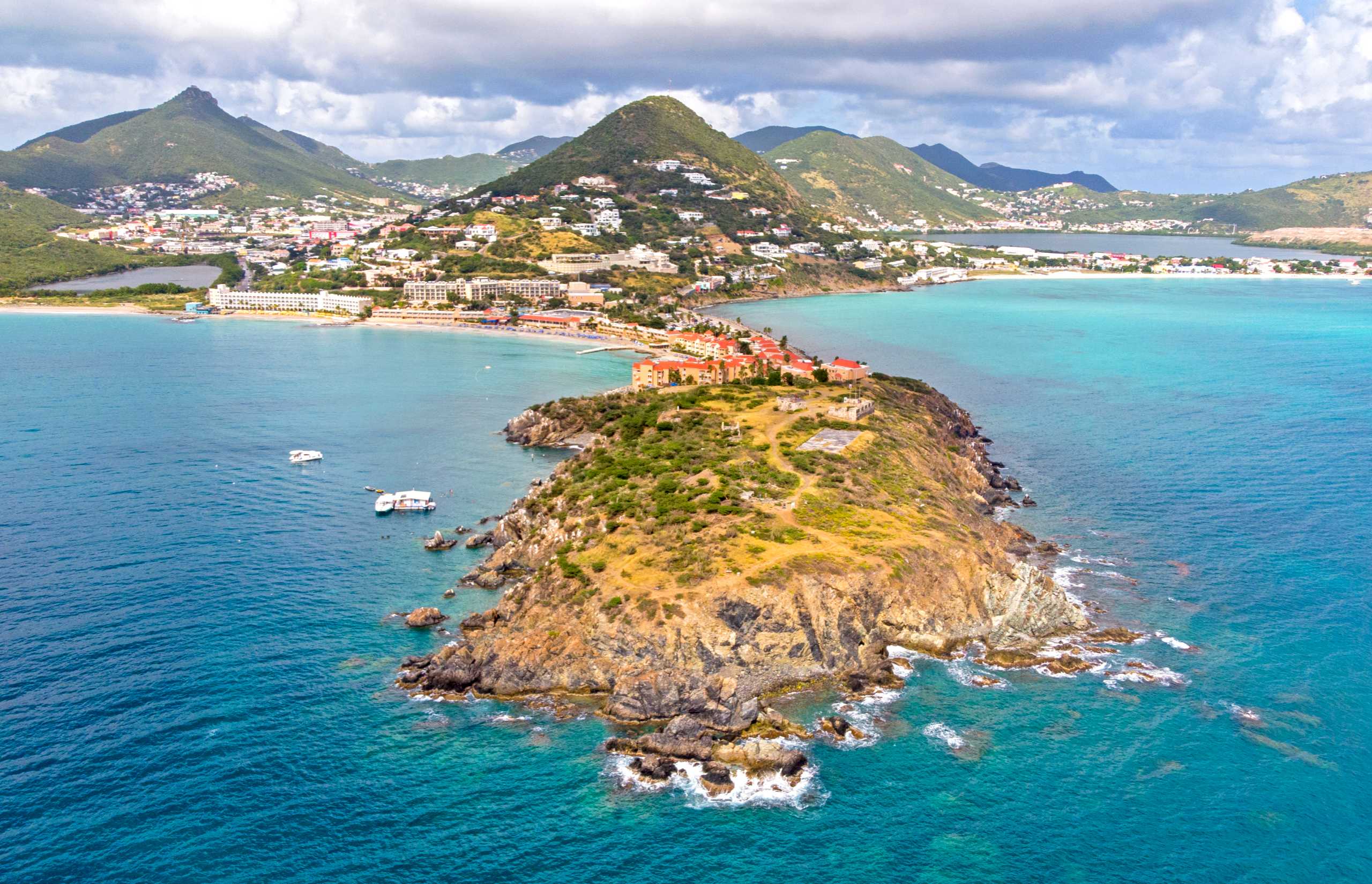
Perched upon a peninsula protecting Great Bay is Fort Amsterdam, which was built by the Dutch in 1631 and rebuilt following the Spanish invasion in 1737. Today it is a pelican breeding ground, and a coastal trail and cycle path runs to the fort from Philipsburg – particularly beautiful at sunrise or sunset, with its views over the capital and cruise terminal.
Not to be outdone, the French constructed Fort St Louis in 1789 to defend Marigot’s warehouses from pirates. Steep steps weave up to its cannon and stone walls, which are topped with a French flag, with views of the harbour and Marigot Market.
Island culture
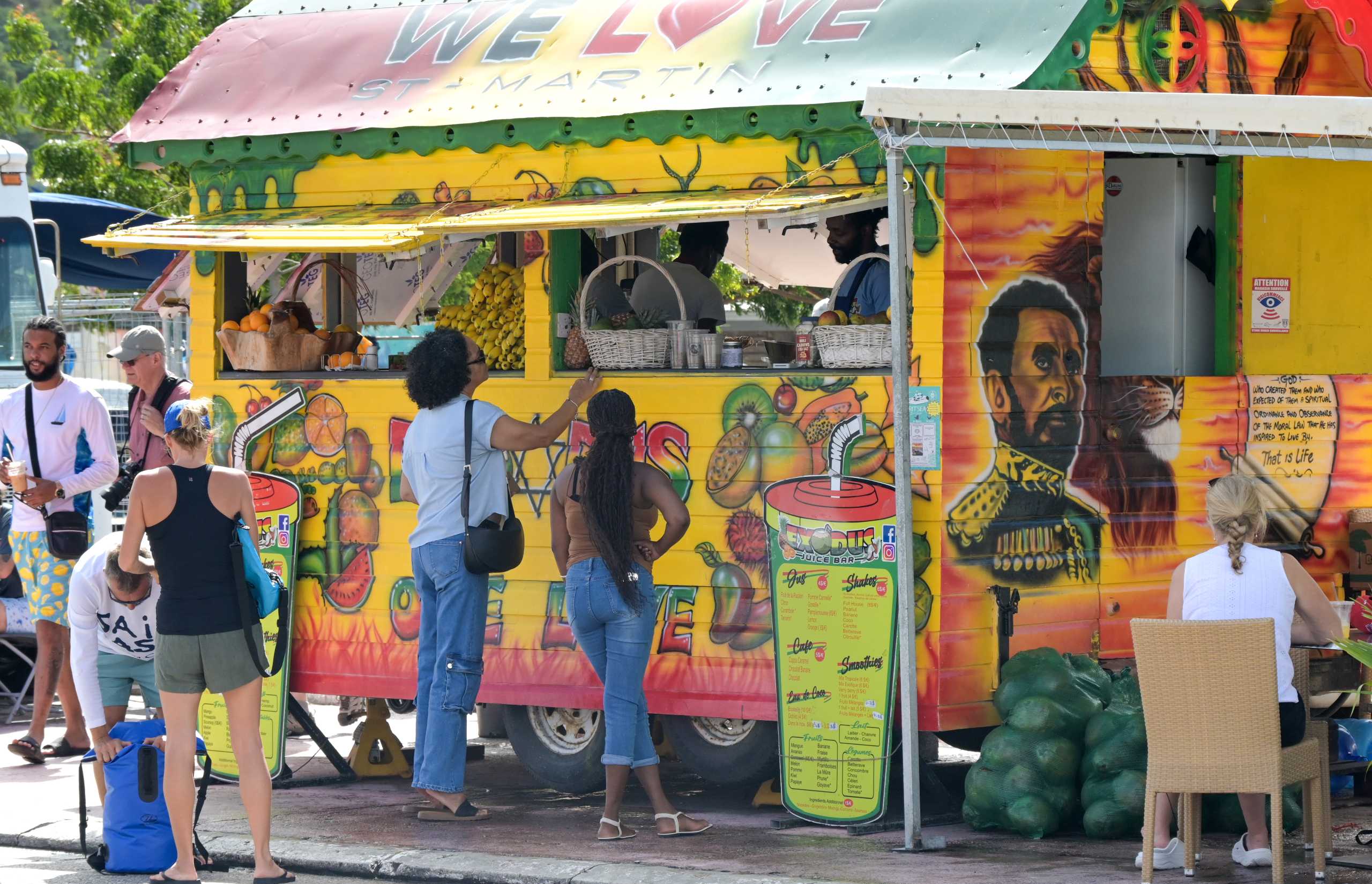
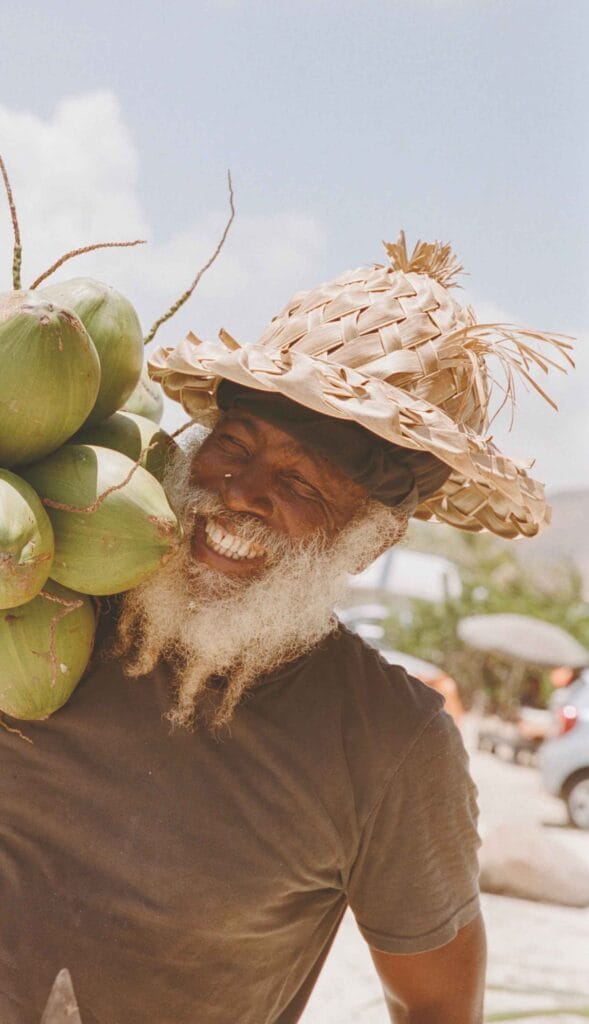
At Marigot Market spices are piled high in ochre and rust tones, fabrics flutter like flags and fresh coconuts are cut open on the spot. French voices rise and fall above the hum of sizzling barbecues and vendors’ chatter, but things quieten down when I step inside Guavaberry Colombia Tradition, where the owner’s son, Jasmel Maccow, offers me spirits and jam made from guavaberry, which taste sour, like redcurrant.
Saint Martin/Sint Maarten also offers riches for those with an eye for design. I head inland to peruse the art and antique stores, shopping for blue and white porcelain in Le Dutch in Philipsburg, admiring Antoine Chapon’s seascapes at Chapon Art Gallery in Cul De Sac, and browsing chests and gilt clocks at L’ile O’Troc along with ceramics at Art & Objets Gallery, both near the airport on the French side.
Antigua: Georgian grandeur
UNESCO-listed Nelson’s Dockyard on the English-speaking island of Antigua is anchored in British heritage. Built by slaves in the 18th century, the harbour served as the Royal Navy’s strategic Caribbean base, protecting trade routes and sugarcane plantations. Graceful Georgian buildings, stone quays and forts reveal Britain’s naval ambition and engineering expertise. From Fort Berkeley to the lookout point of Shirley Heights, cannon-lined ramparts loom over a bay once alive with sailors and warships.
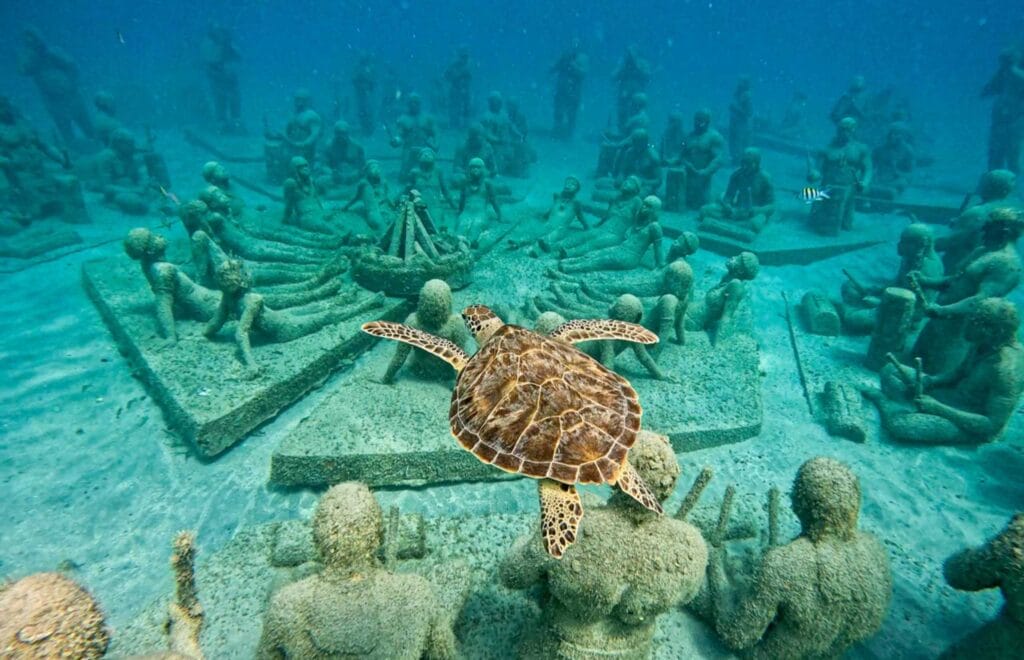
There is even more to discover five metres beneath the waves. Designed to encourage coral growth and provide a sea life sanctuary, Under SXM is an underwater park consisting of 300 sculptures of residents. As well as 100 figures portraying the Arawak-speaking Taíno tribe, the exhibition features Dutch and French explorers sitting back to back and a carnival scene. “My favourite is Miguel, a foster carer who owns Miguel’s Hot Beach Spot,” says Under SXM’s Alexis Cambden. “We cast him playing a conch in our Taíno Gallery and adorned him in a loincloth and shell necklace to fit the time period of the indigenous people.”
I feel the difference between the two sides most in the atmosphere. On the French side, mornings are filled with flaky croissants and quiet conversation. On the Dutch side, afternoons slip into something livelier – reggae, laughter and ice clinking in tall glasses.
Taste of place
If there is a single thread that binds both sides of the island, it’s flavour. On the French side at Le Temps des Cerises – a beach shack in the island’s culinary heart of Grand Case that’s garnished with wicker lampshades – meals are plated with precision, yet diners eat with their feet in the sand, the sea just metres away. Each slurp of my stewed conch in tomato broth feels layered with French technique, Caribbean ingredients and a hint of something unexpected – a squeeze of lime, a flicker of spice.
Le Comptoir des Fromages, a 15-minute stroll from Fort Louis, offers a two-hour cheese tasting session with a cheesemaker, during which I sample 10 raw milk cheeses accompanied by six wines.
Crossing the Dutch border, the energy lifts and the meals become looser and more festive. In Philipsburg, I opt for dinner at Ocean Lounge Bar & Restaurant, a beachfront spot in Holland House Hotel. The harbour glints with yachts as I enjoy tuna tartare, guacamole and mango coulis dressed in orange miso; and grilled seafood drizzled in honey mustard. It’s here, too, that I taste mauby, a blend of boiled buckthorn bark, orange peel and sugar that is reminiscent of root beer or dandelion and burdock. As I sip my drink, I listen to a Caribbean steel pan band playing tropical tunes as children make sandcastles on the beach.
Come away with me
Saint Martin and Sint Maarten may sit a little outside the Caribbean’s usual shortlist, but that is part of their appeal. I arrived for the beaches, but found myself wanting to linger for something less expected: the chance to experience two cultures sharing one small island.
Journey notes
Where to stay
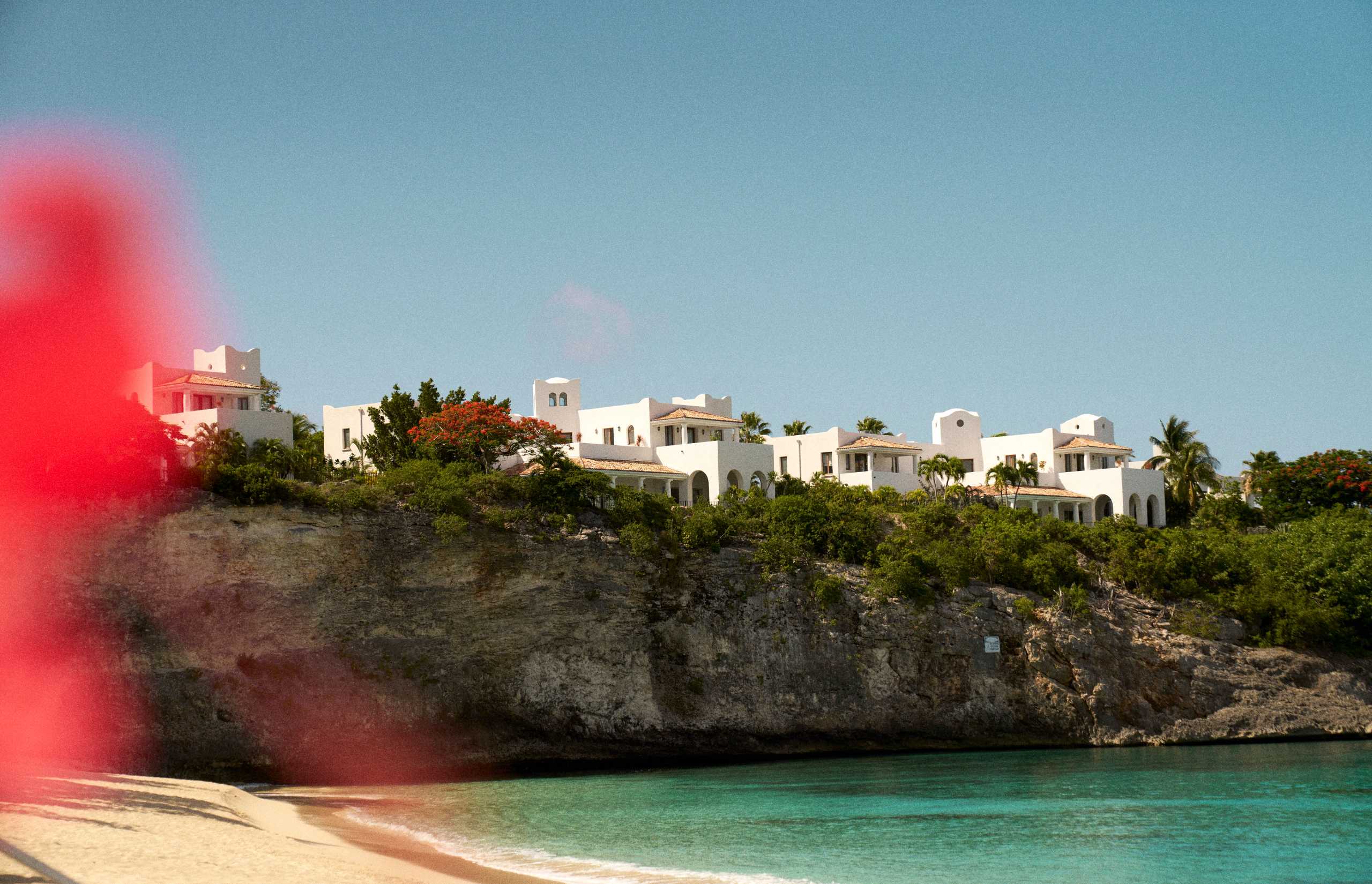
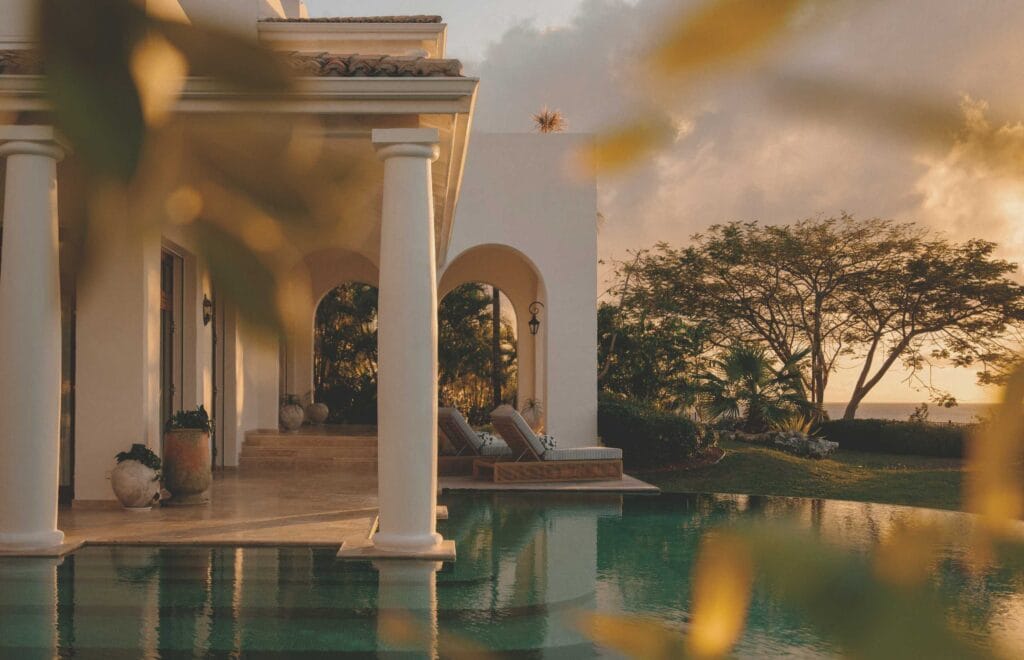
Named after species such as pelicans and frigates, La Samanna, A Belmond Hotel’s eight villas come with wraparound terraces and private infinity pools. As well as three restaurants and a spa, it offers tennis, watersports, a private boat and beach cabanas with complementary Champagne. Rooms start from $2,533 per night based on two sharing.
Getting there
Air Canada and Qatar Airways are among the airlines that fly from Sydney’s Kingsford Smith Airport to Princess Juliana International Airport, Sint Maarten, usually via the US, for around $2,810.
For more information, visit Visit St Maarten/St Martin.
Latest Articles
Don't miss the latest from Luxury Travel