
Partner Story
Beyond Seoul: Discover Busan, Gyeongju and Jeju
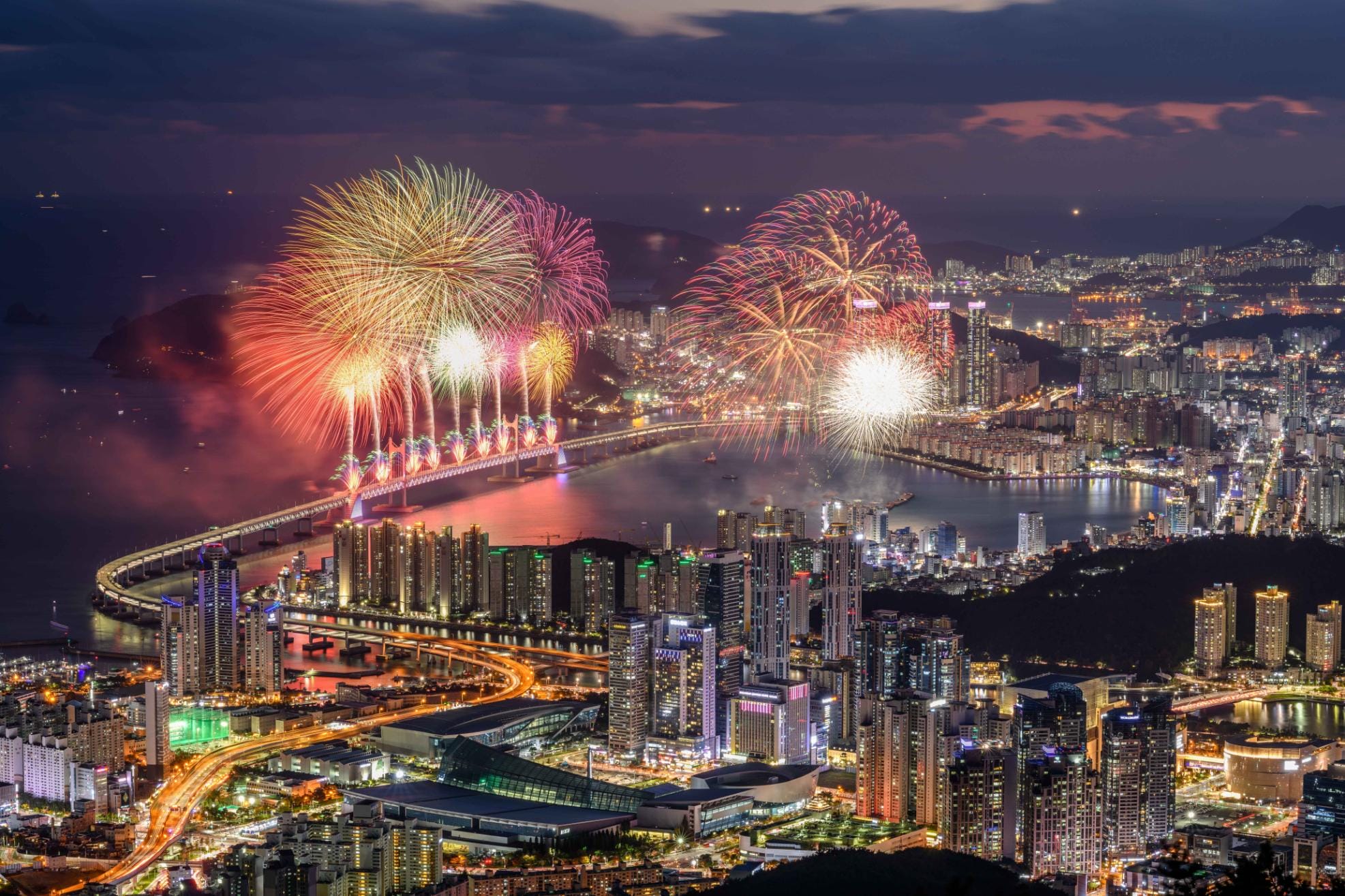
Passionate night in Busan
Seoul has long been the international face of South Korea, but the capital only tells part of the country’s thrilling story.
Three striking and contrasting destinations offer compelling reasons to build an extended trip beyond the gateway capital and around the country. Whether it’s a sublime evening among Gyeongju’s illuminated historic monuments, a private yacht charter in Busan or days kicking back and exploring Jeju’s rightly famous food and landscapes, Korea deserves a complete holiday.
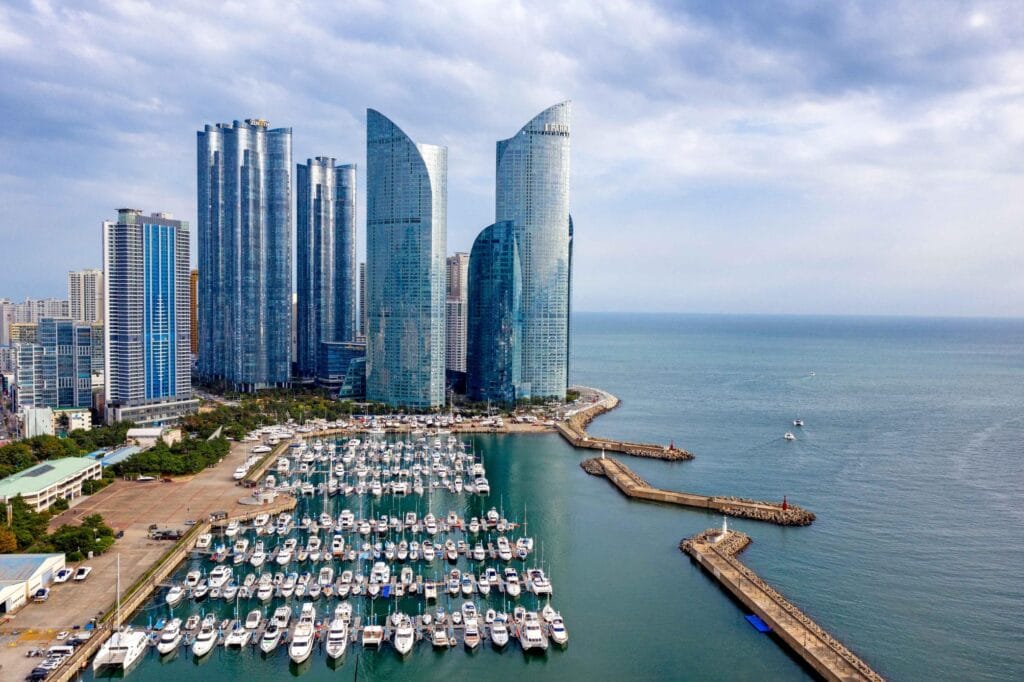
Busan: A city shaped by the sea
Korea’s second largest city, Busan in southeast Korea is shaped by the sea like few other destinations. Fishing boats, vast container ships and pleasure craft share its busy waters, while the surrounding hills ensure a dramatic sense of elevation.
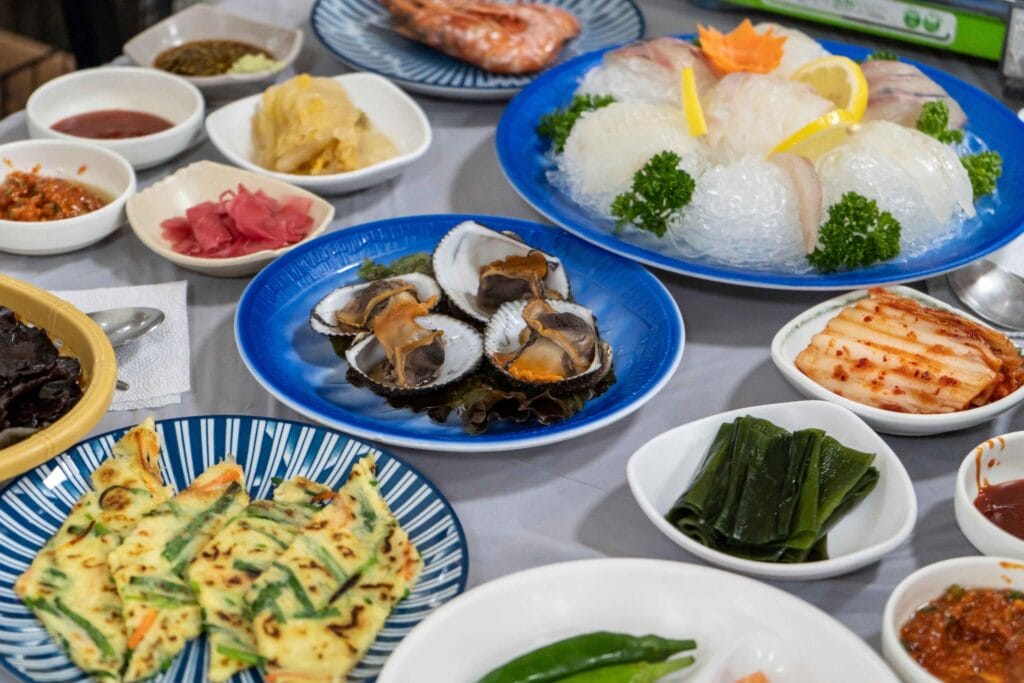
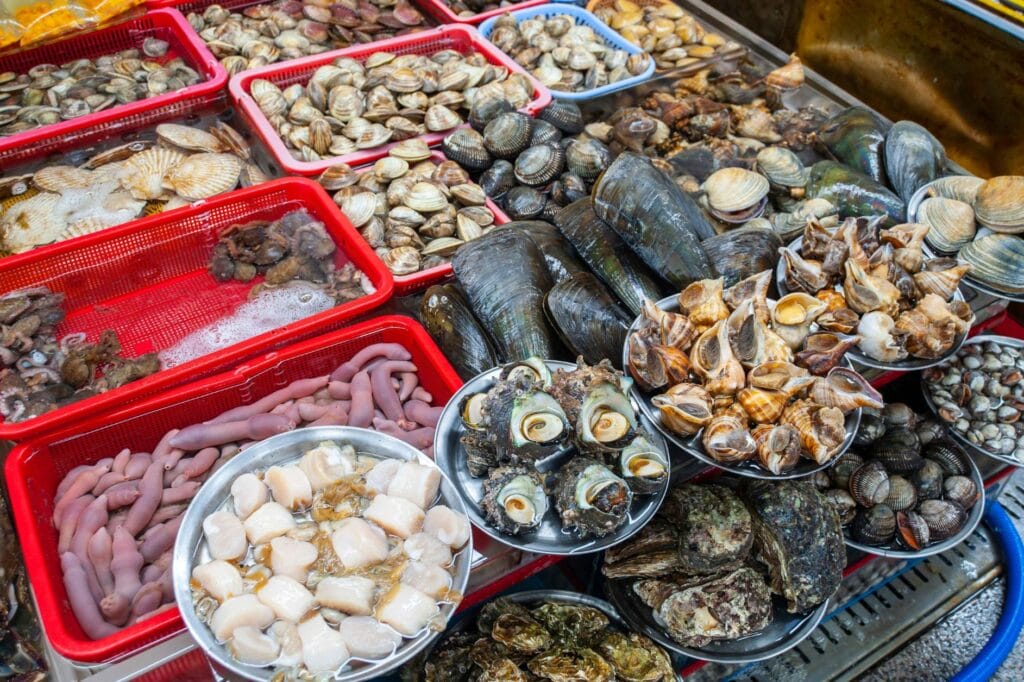
Any visit should begin in the sensory wonderland of Jagalchi market precinct, the heart of the seafood trade. A dazzling variety of fish and crustaceans are brought ashore, with much of the catch heading straight to surrounding restaurants for meals of incredible freshness.
For a leisurely, up-close introduction to the coastline, private yacht tours reveal different perspectives on the city’s waterfront, as well as the expanse of Haeundae’s broad, sweeping sandy beach.
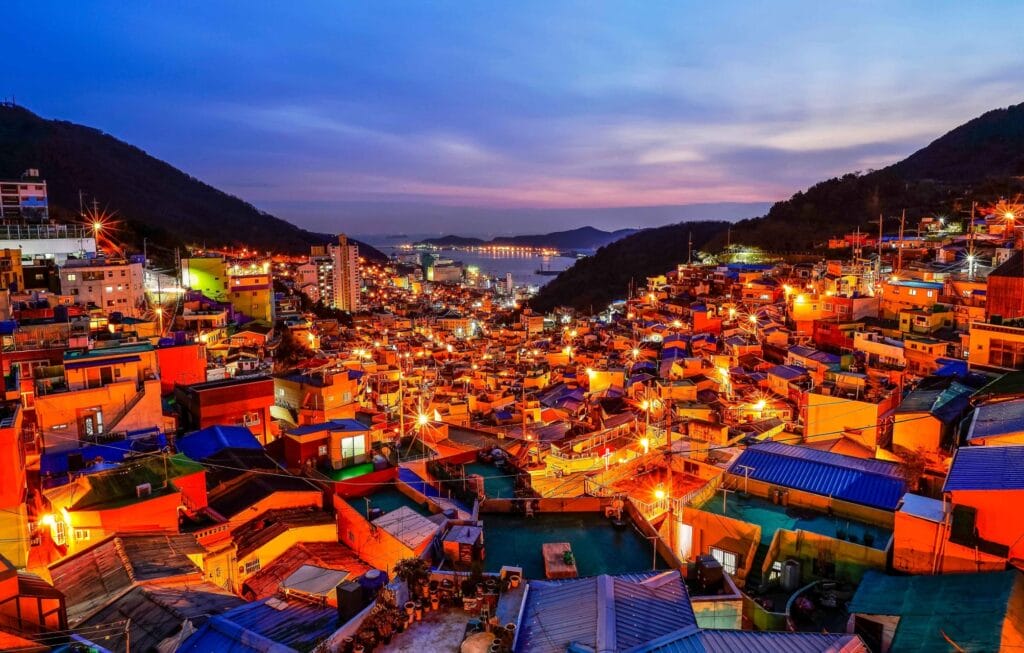
Another unmissable spot is Gamcheon Culture Village, a hillside neighbourhood of brightly painted houses and narrow lanes which combine for a surprising and photogenic urban landscape. As always, it’s just worth remembering that it remains a residential community.
Gyeongju: Living history
Barely 30 minutes on a high-speed train from Busan, Gyeongju was the capital of the Silla kingdom for almost a thousand years, so its wealth of historic sites offers visitors remarkable cultural immersion and tangible heritage.
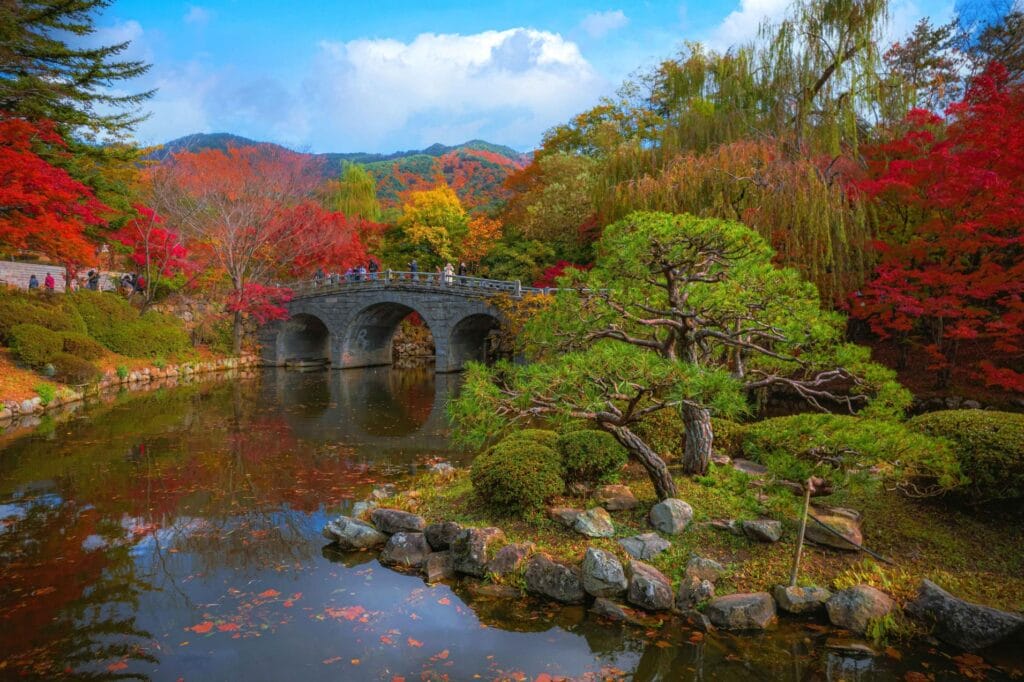
At Bulguksa Temple, stone terraces, bridges and intricately worked architectural details reflect the stunning sophistication of ancient Silla craftsmanship. Seokguram Grotto, a celebrated eighth century sanctuary housing a granite Buddha, is another essential visit and renowned as a masterpiece of Buddhist art. Both are UNESCO World Heritage sites, reflecting their exceptional cultural significance.
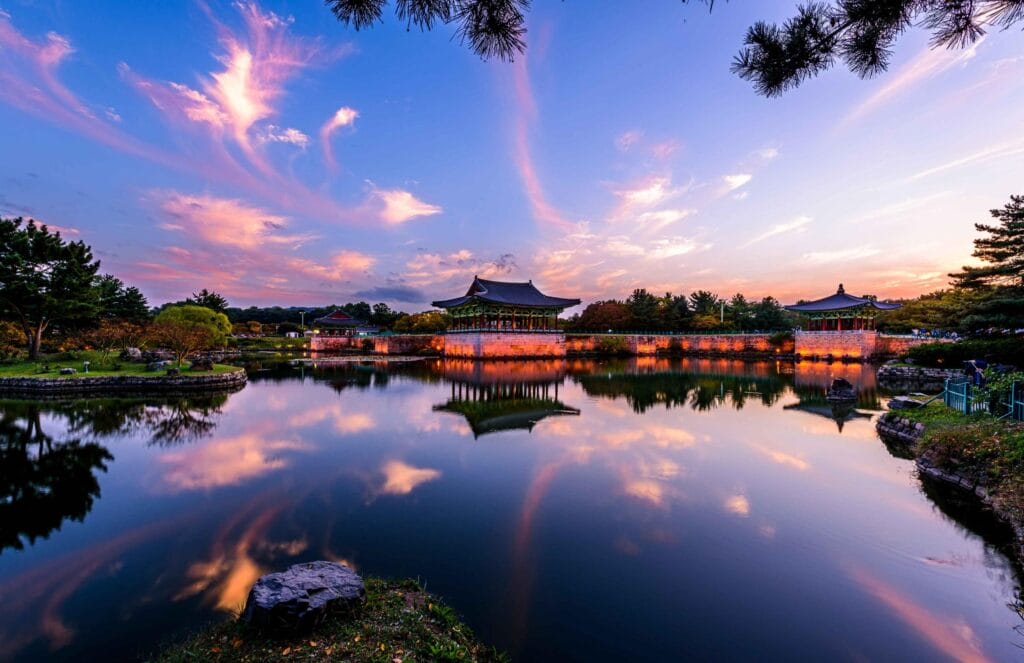
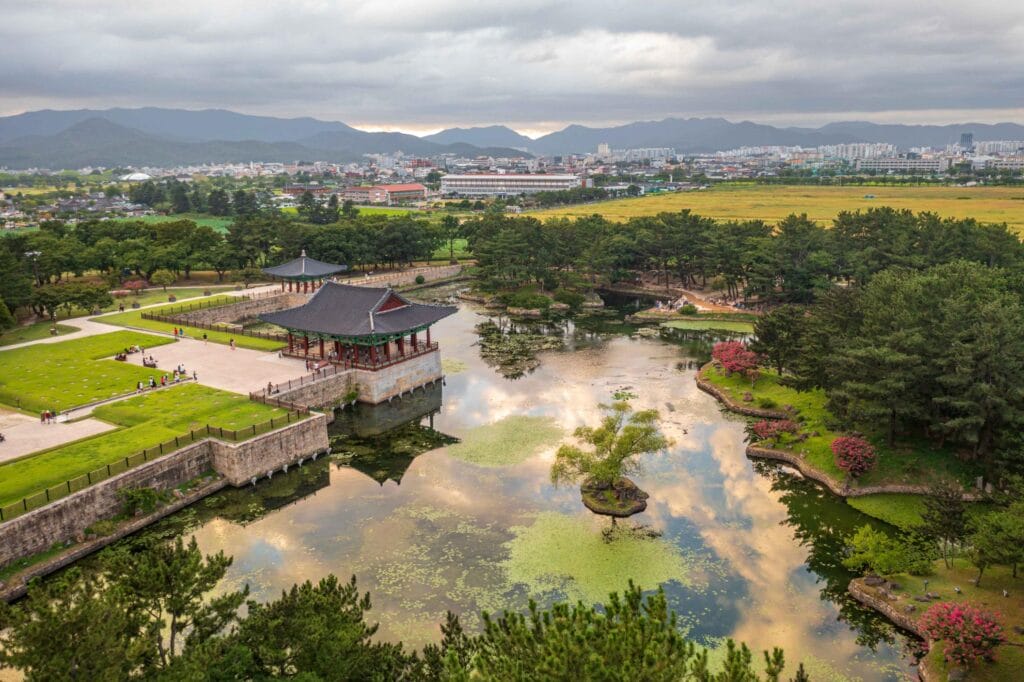
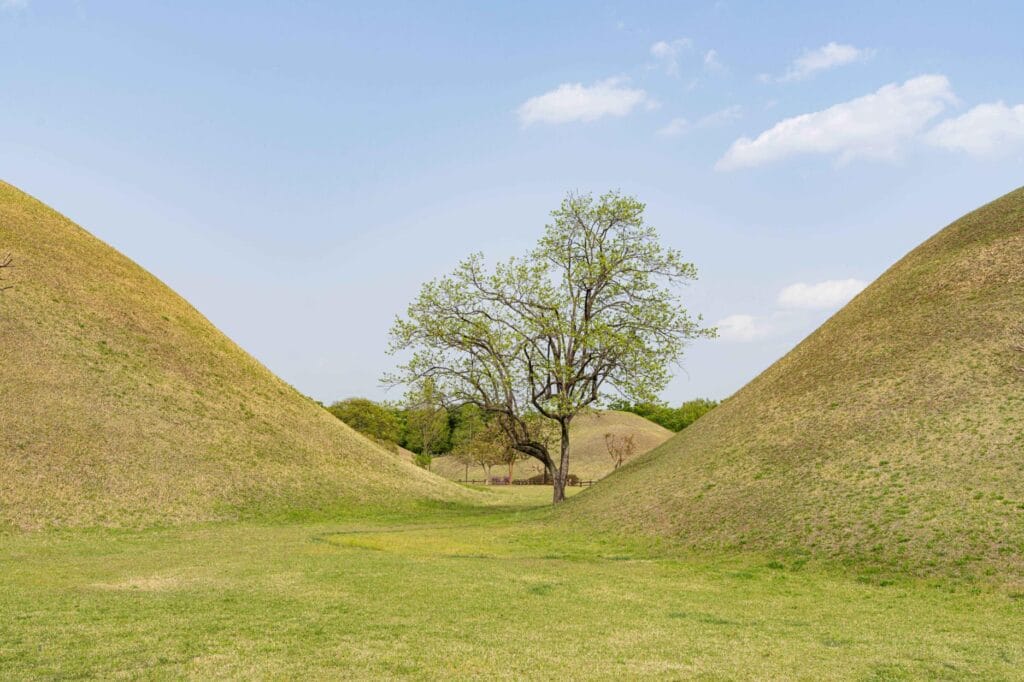
Atmospheric Daereungwon is home to 23 ancient tombs set within landscaped grounds of Silla-era royalty. Donggung Palace and Wolji Pond are best visited in the evening in order to appreciate the majestic tranquillity of the seventh century complex, its illuminated pavilions and reflections which combine for one of the city’s most memorable scenes – and Instagram gold. Local guides can explain the symbolism and history behind the architecture and a charming tea experience in a traditional hanok style building lets travellers take it all in.
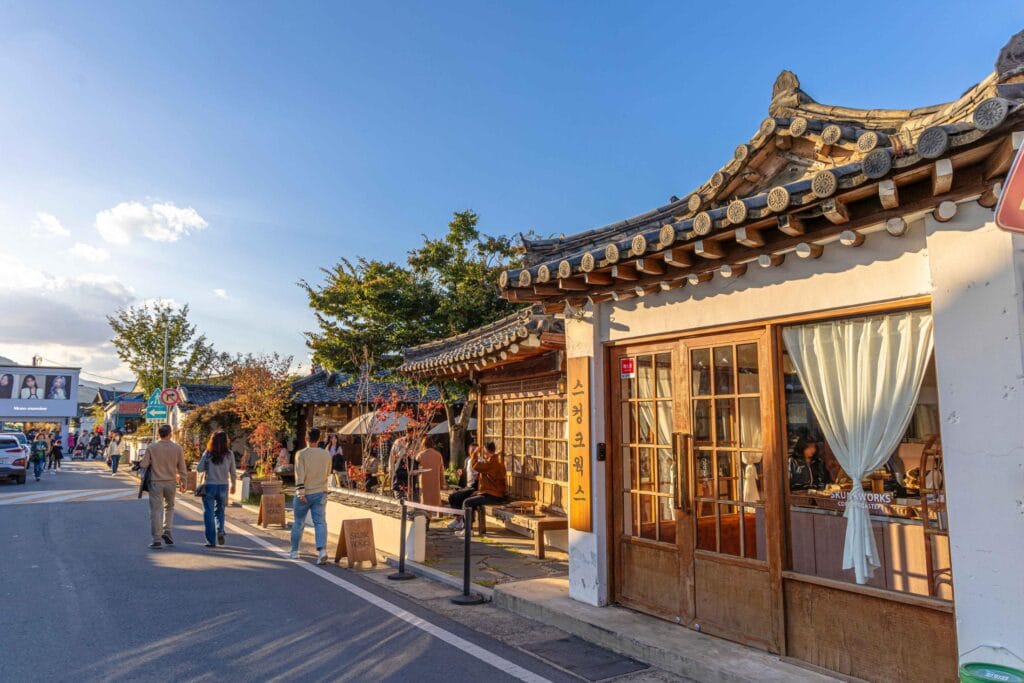
For a change of pace, especially come evening, Hwangnidan-gil is a popular street bringing together cafés, boutiques and bars in an area particularly enjoyed by younger local and international visitors.
Jeju: An island like no other
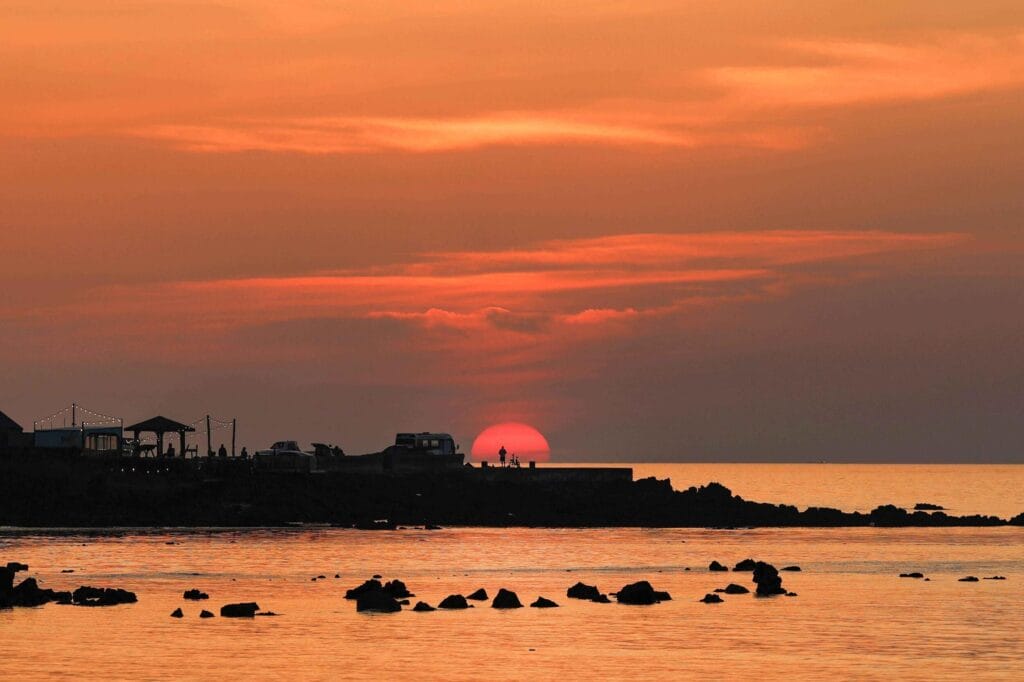
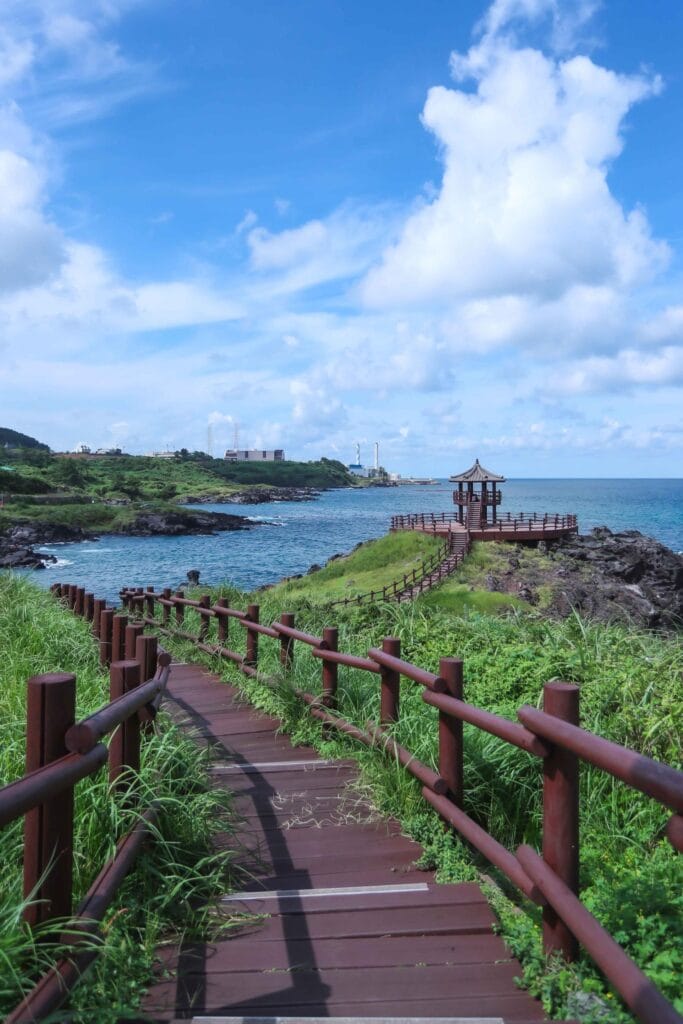
Dramatic basalt cliffs, lava formations and a rugged shoreline reflect Jeju Island’s volcanic origins while the culture, cuisine and daily life on Korea’s largest island, an easy ferry ride or short flight south of the mainland, are also unique and truly beguiling.
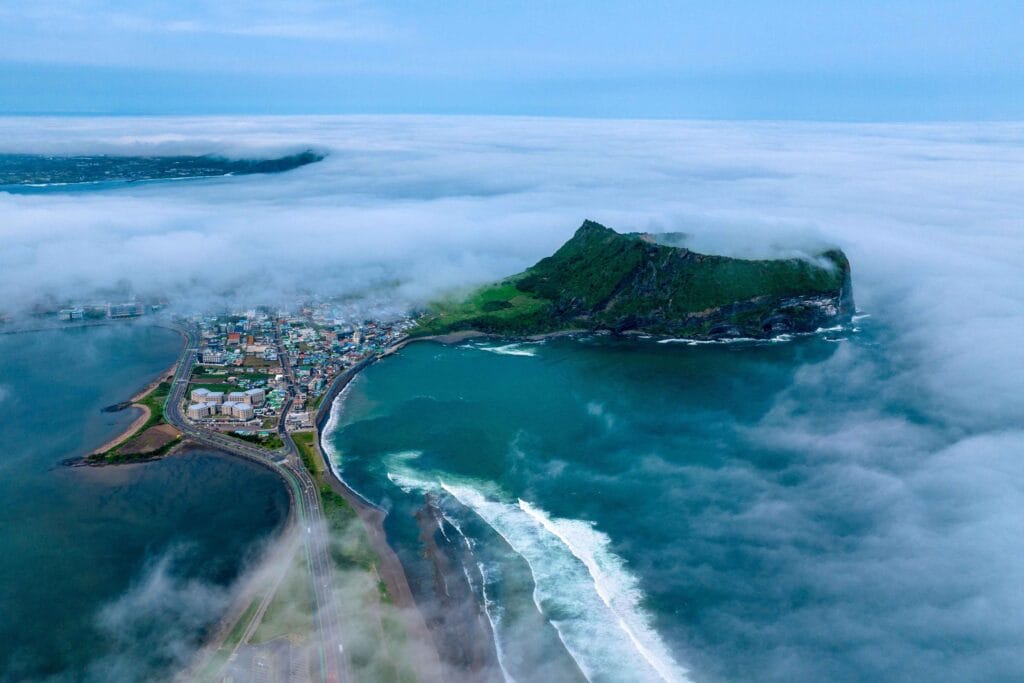
Jeju’s defining landmark is Seongsan Ilchulbong, an extraordinary volcano rising 180 metres from the sea and topped with a crater. Loved as one of Korea’s most picturesque sites, the UNESCO World Natural Heritage Site is also known as Sunrise Peak, making it popular with early morning hikers. Although the 40-minute ascent is pretty moderate, access and routes should always be checked first and its striking profile can also be appreciated from the surrounding shoreline.
Jeju’s cultural heritage is just as impressive. Haenyeo are famed women divers, some in their 80s, who harvest marine life without breathing apparatus, representing a profound tradition of knowledge, courage and skill. Again recognised by UNESCO, their way of life offers a deeper understanding of Jeju’s critical relationship with the ocean. The best way to learn about their work comes through the Haenyeo Museum or culturally respectful local observation.
No Jeju itinerary is complete without trying stellar local produce and cuisine, but happily hundreds of eateries serve up the freshest catch imaginable, recently plucked from pristine local waters.
For Australians, Korea’s appeal lies not only in Seoul but in the astonishing breadth of experiences available across the country. Busan, Gyeongju and Jeju are the perfect destinations when looking beyond the capital for an unforgettable Korean holiday, one defined by slower travel and deep, meaningful cultural experiences.
Planning the journey
- A 13-night itinerary allows for an immersive journey through Korea. Start with four nights in Seoul, then two in Gyeongju, three in Busan and finish with four on Jeju.
- The KTX high-speed rail network offers a sleek, highly efficient way to travel between major cities and First Class is available on selected services where a spacious, comfortable retreat lets you take in the changing landscapes.
- Domestic flights to Jeju depart from Busan and other mainland airports. Pre-booked private chauffeur transfers can also simplify connections between stations, airports and hotels, particularly for travellers with luggage or those who prefer door-to-door travel.
- Head to the visitkorea.or.kr to explore destinations and start planning your trip.
Latest Articles
Don't miss the latest from Luxury Travel