
Taiwan’s hot springs: Asia’s most underrated wellness escape
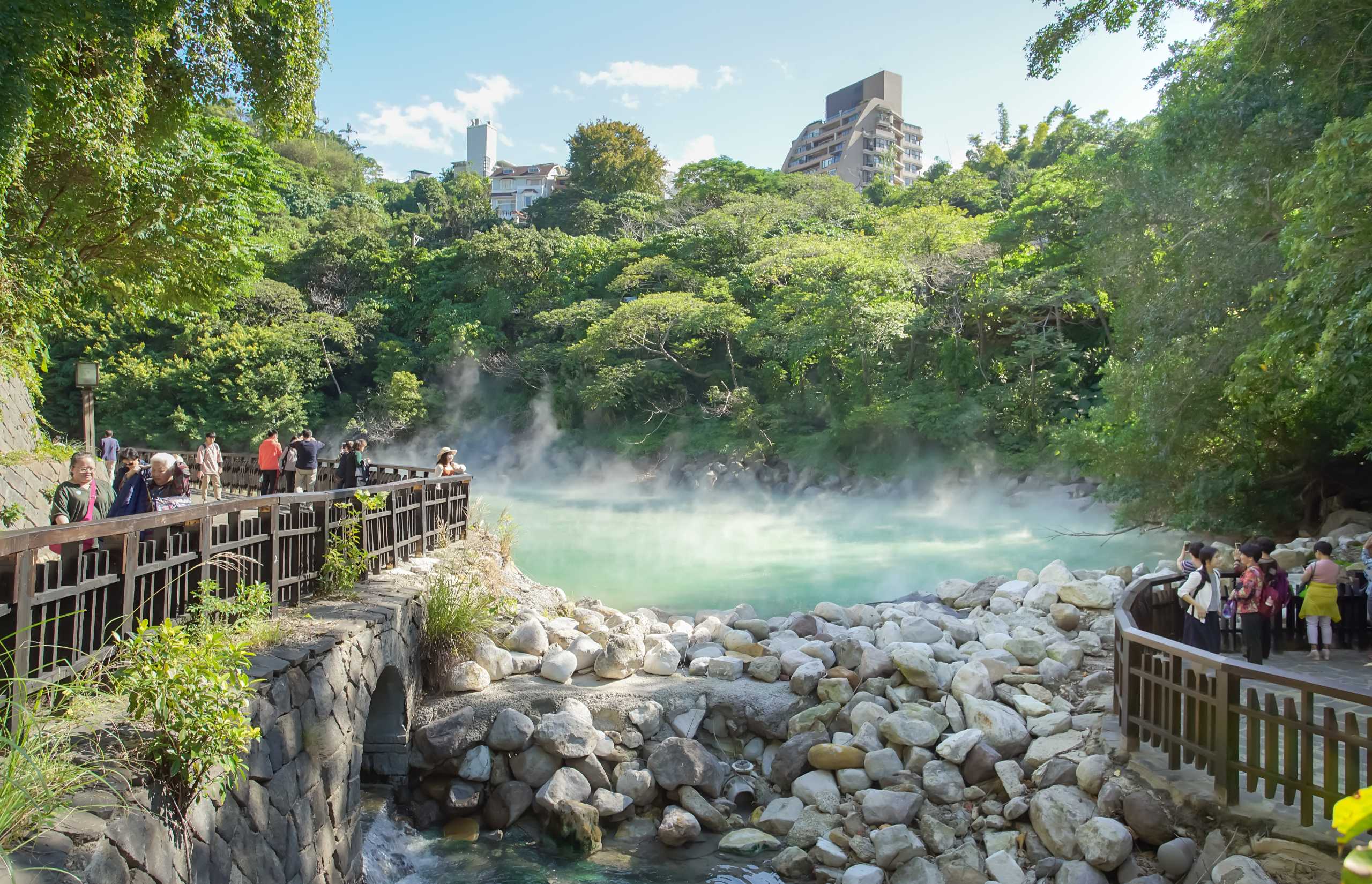
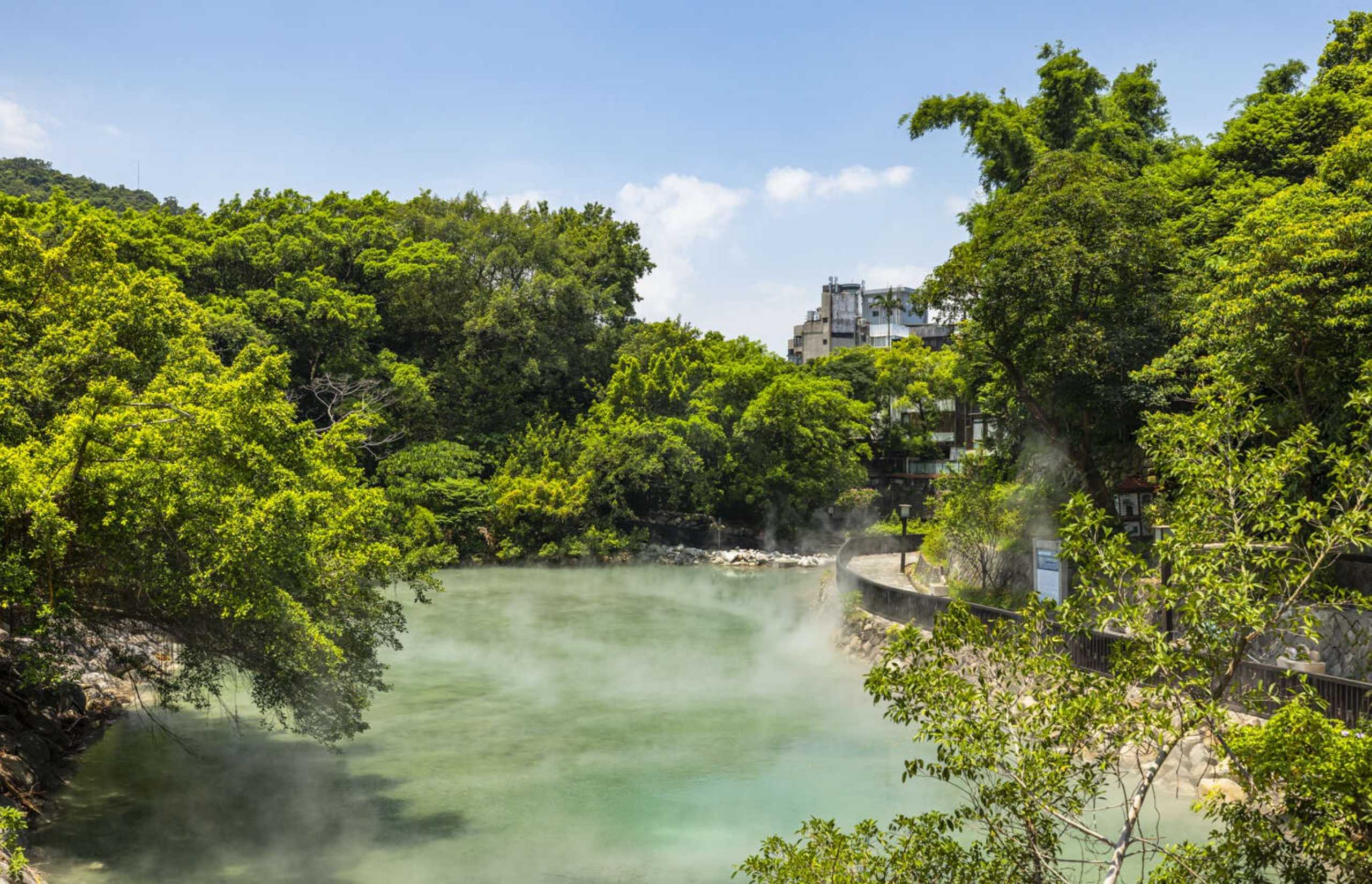
Beitou Thermal Valley in Beitou Park Taipei City | Taiwan hot springs
From historic baths in Beitou to secluded mountain resorts like HOSHINOYA Guguan, Taiwan’s hot springs combine mineral-rich waters, Japanese bathing traditions and blissfully light crowds
Taiwan is a nation of mountains – an island of lush, mist-shrouded forests and bubbling hot springs. When the Japanese colonised the country in 1895, it didn’t take long for them to discover these hot springs and their potential for traditional onsen bathing.
The arrival of the Japanese
The first hot spring hotels opened in Beitou, just outside of Taipei, in 1896. They were immediately popular with Japanese officials and soldiers stationed in Taiwan, and more baths soon sprung up around the country. Separate baths were provided for men and women, and bathers were expected to wash first before entering the hot pool to soak nude. An unfamiliar custom for the Taiwanese, mixed public baths were also built, with bathers required to wear togs and swimming caps. (Unlike those in Japan, Taiwan’s hot springs readily accept tattooed guests.)
Many of the hot springs towns that flourished under Japanese rule entered a period of decline after the Second World War. Today there is renewed interest in hot springs, with older baths and hotels being renovated and new facilities built.
Beitou: Taipei’s historic hot spring district
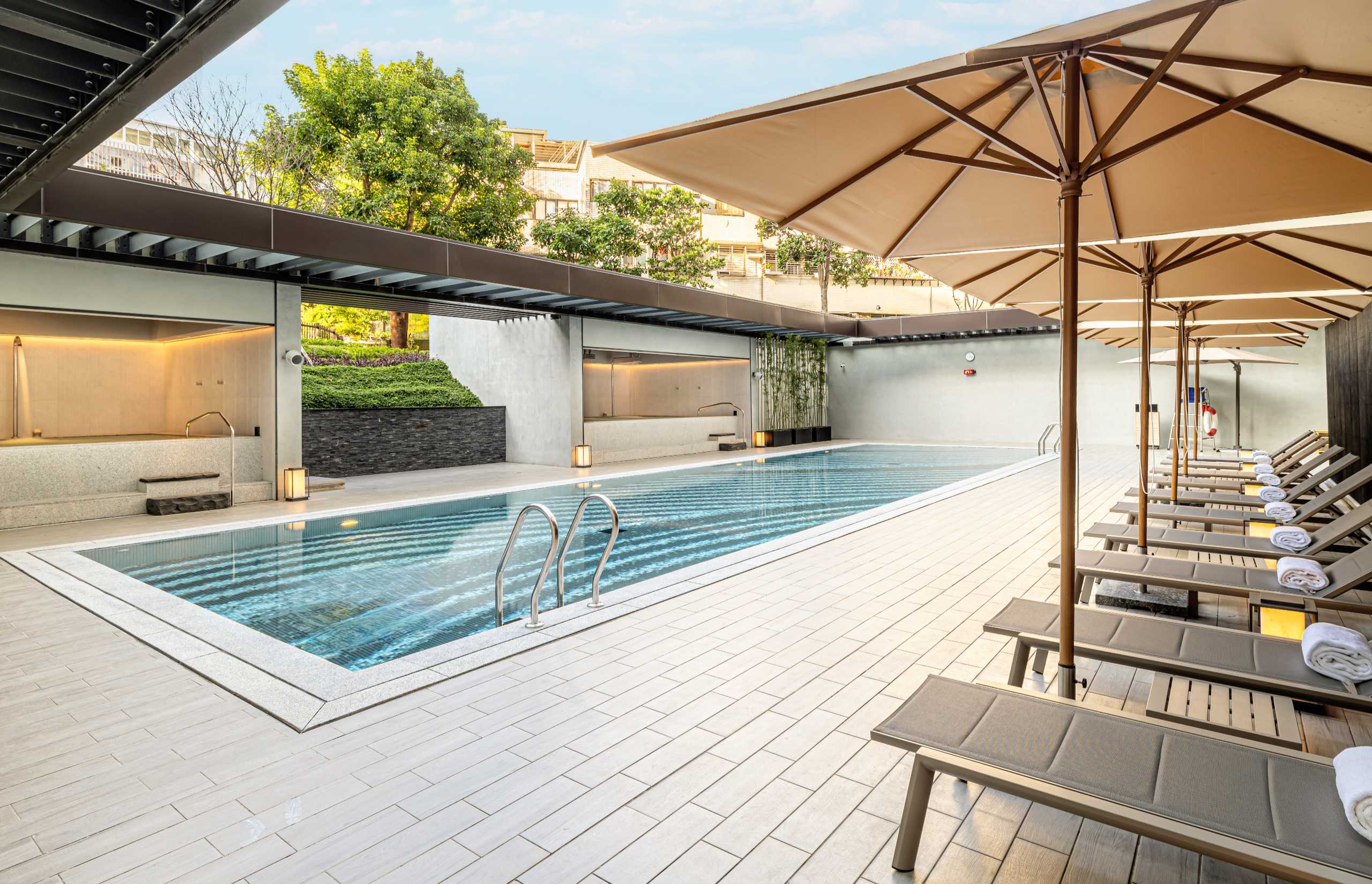
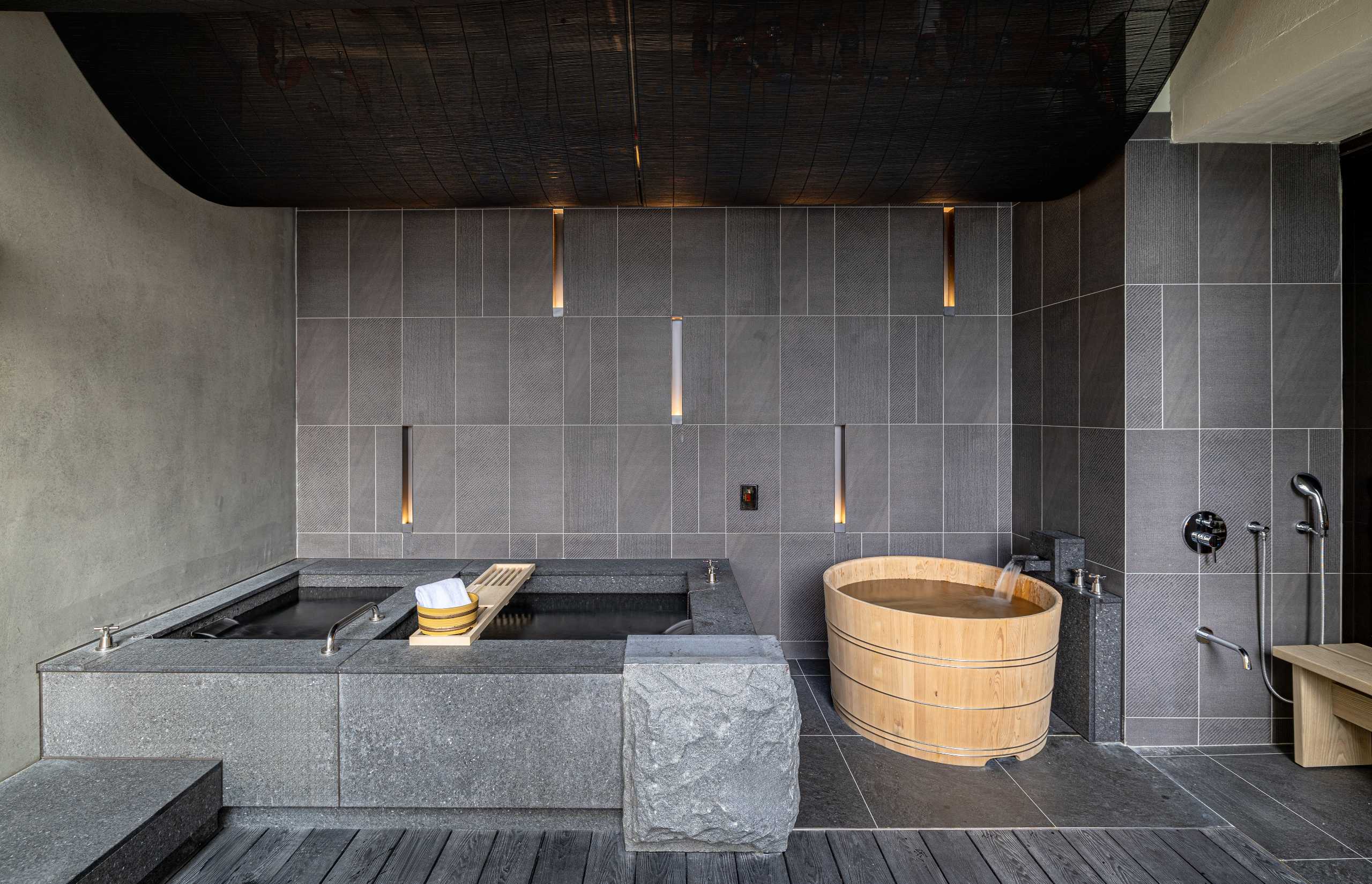
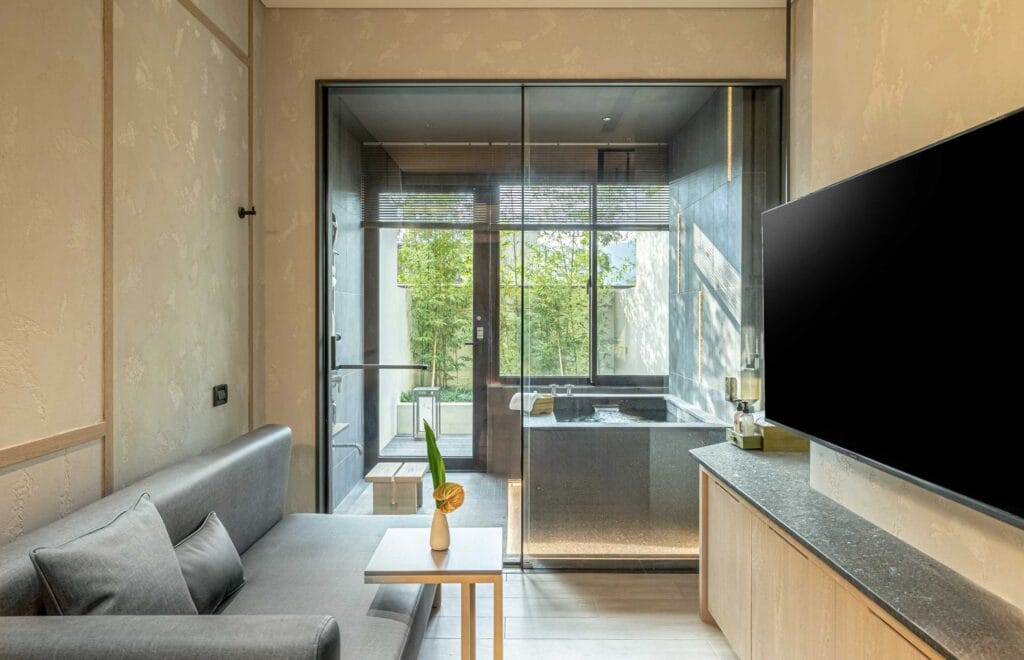
Just 30 minutes from Taipei, Beitou is ideal for a day trip, but luxury hotel Wellspring by Silks Beitou, which opened in 2025, means luxury travellers are well looked after for longer stays. Each room has its own private hot spring bath fed by white sulphur springs while there is a main bath house staffed by Japanese certified onsen guides. The men’s and women’s areas each have a main hot pool for soaking, with a sauna and cold plunge pool nearby.
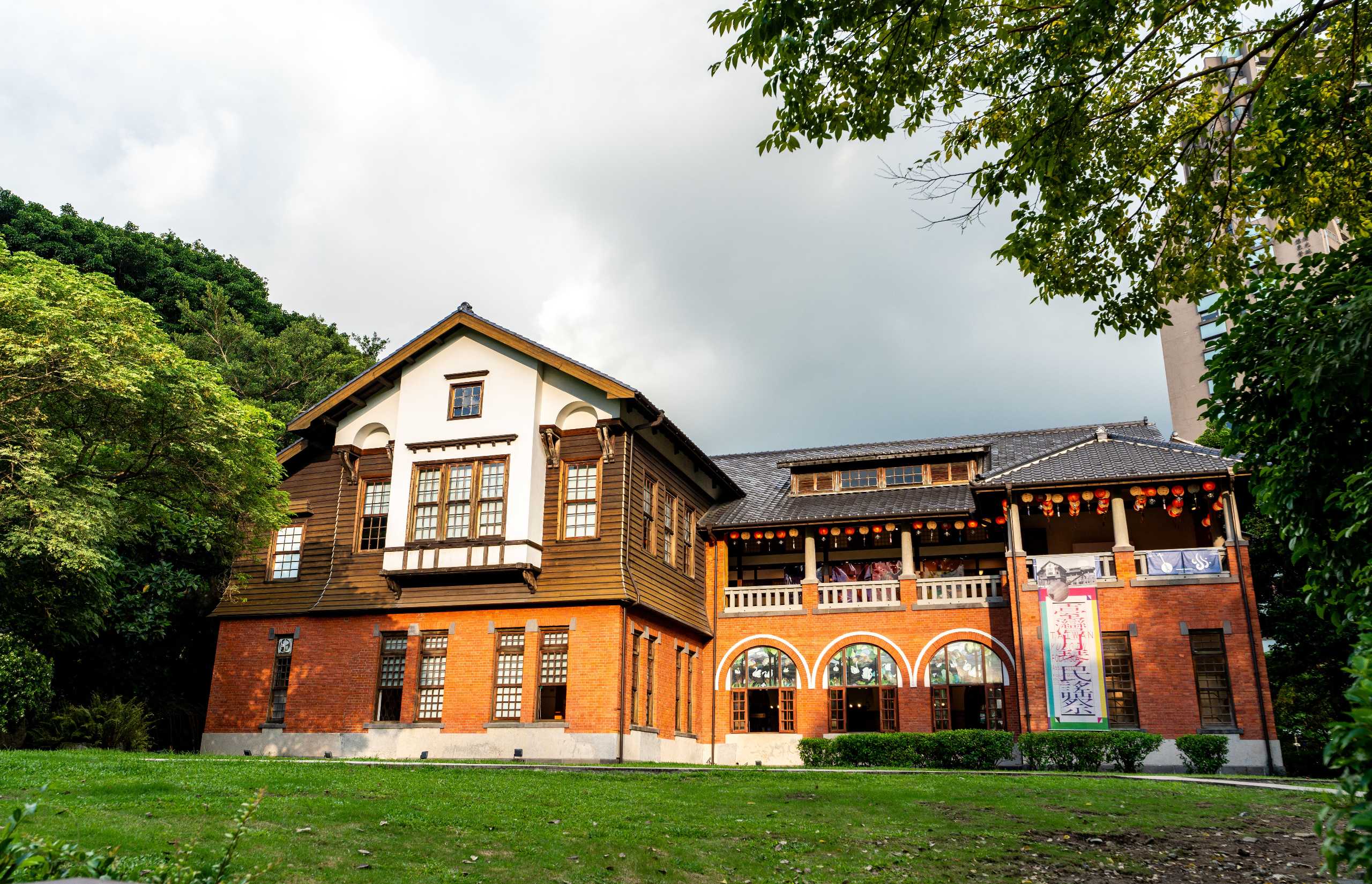
The Beitou Hot Spring Museum displays artefacts and images from the early hot springs and is a fascinating look into the history of the region. Built in 1913 as a public bath house, the largest in East Asia at the time, many original features remain in the museum’s building. Wooden lockers at the entrance are where patrons placed their shoes, before donning slippers to head to the baths downstairs. The floors and walls in the bathing area are tiled, with plastered arches surrounding the main bath. Men soaked here, while women used smaller private baths. Afterwards they would return upstairs to the rest area, where they relaxed on the traditional Japanese tatami floor while admiring the view over the valley.
Crown Prince Hirohito visited Beitou – along with Guanziling (see below) when he toured Taiwan in 1923.
Guguan: Taiwan’s mountain onsen retreat
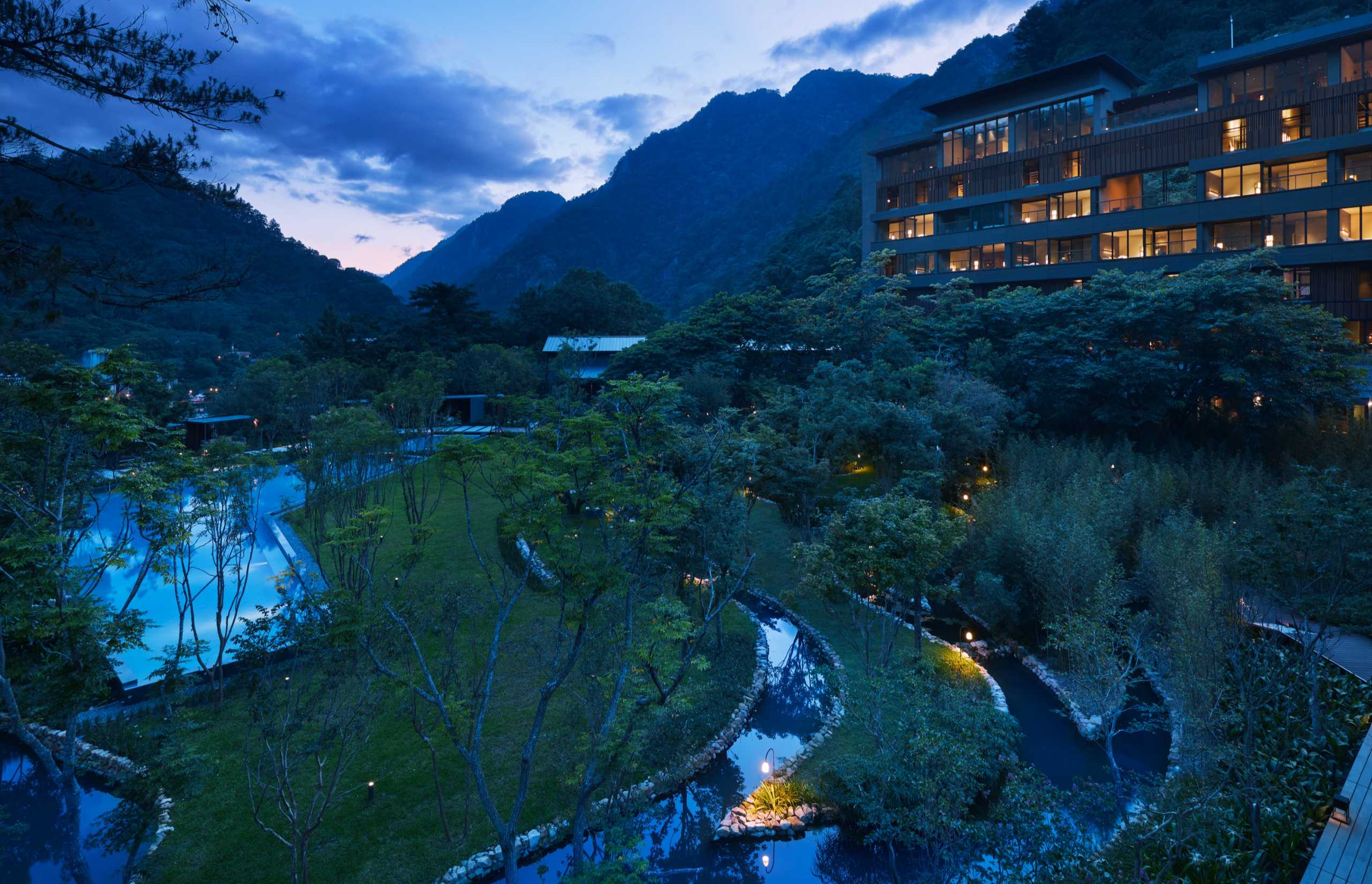
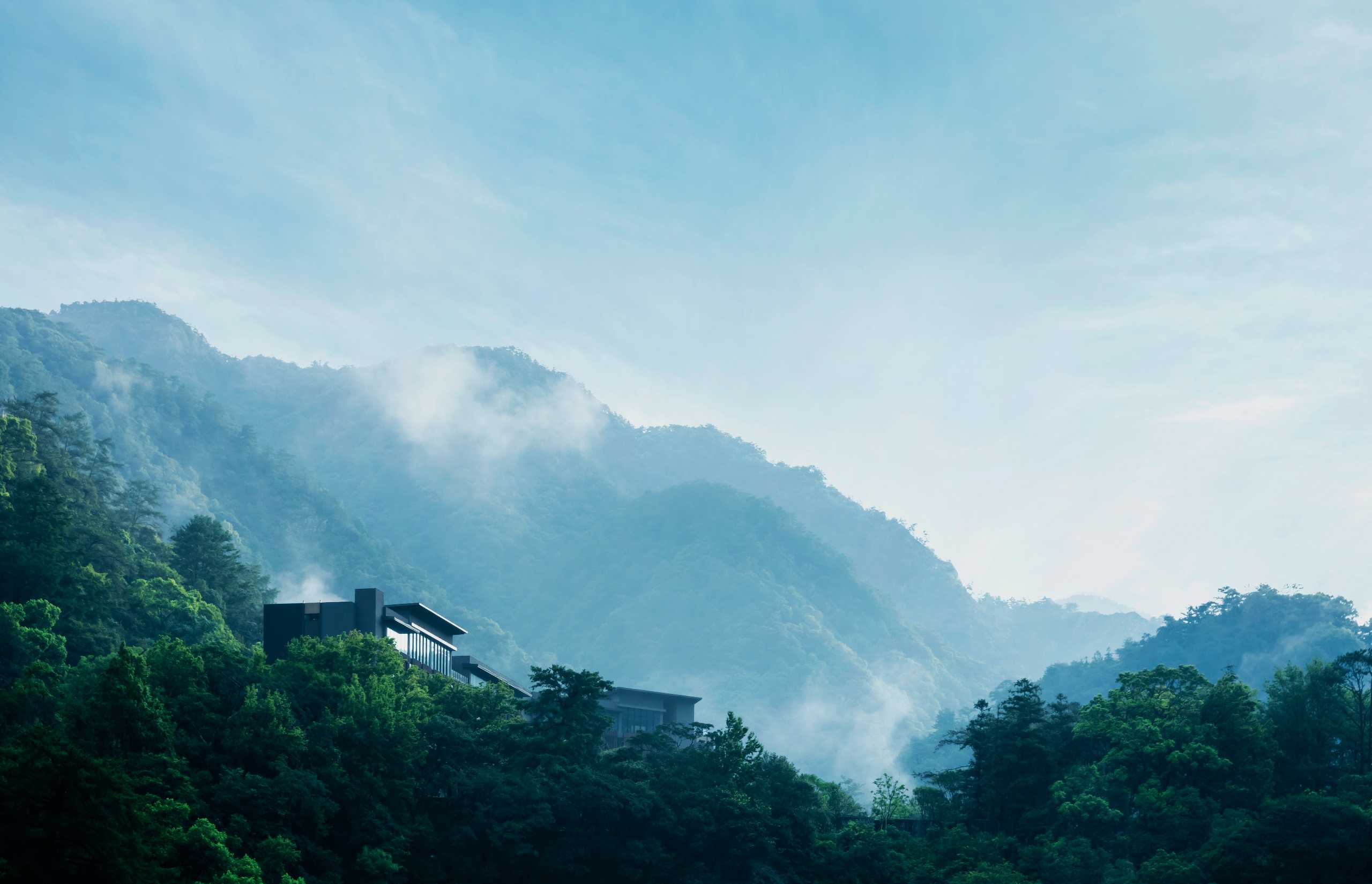
High in the mountains, an hour and a half from Taichung, Guguan is a secluded escape. After a period of decline from its 1930s heyday, the opening of HOSHINOYA Guguan in 2025 has revived interest in the town.
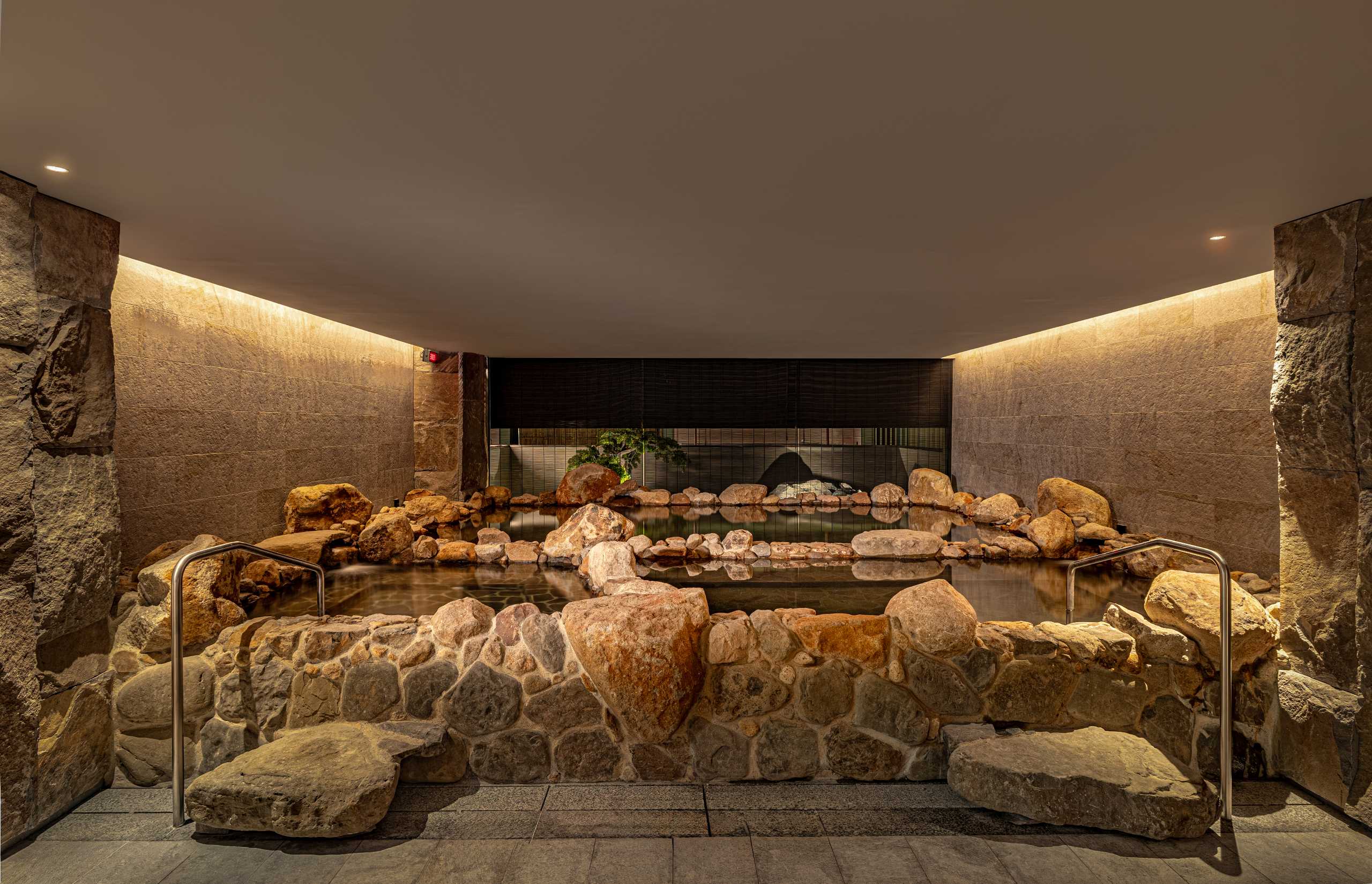
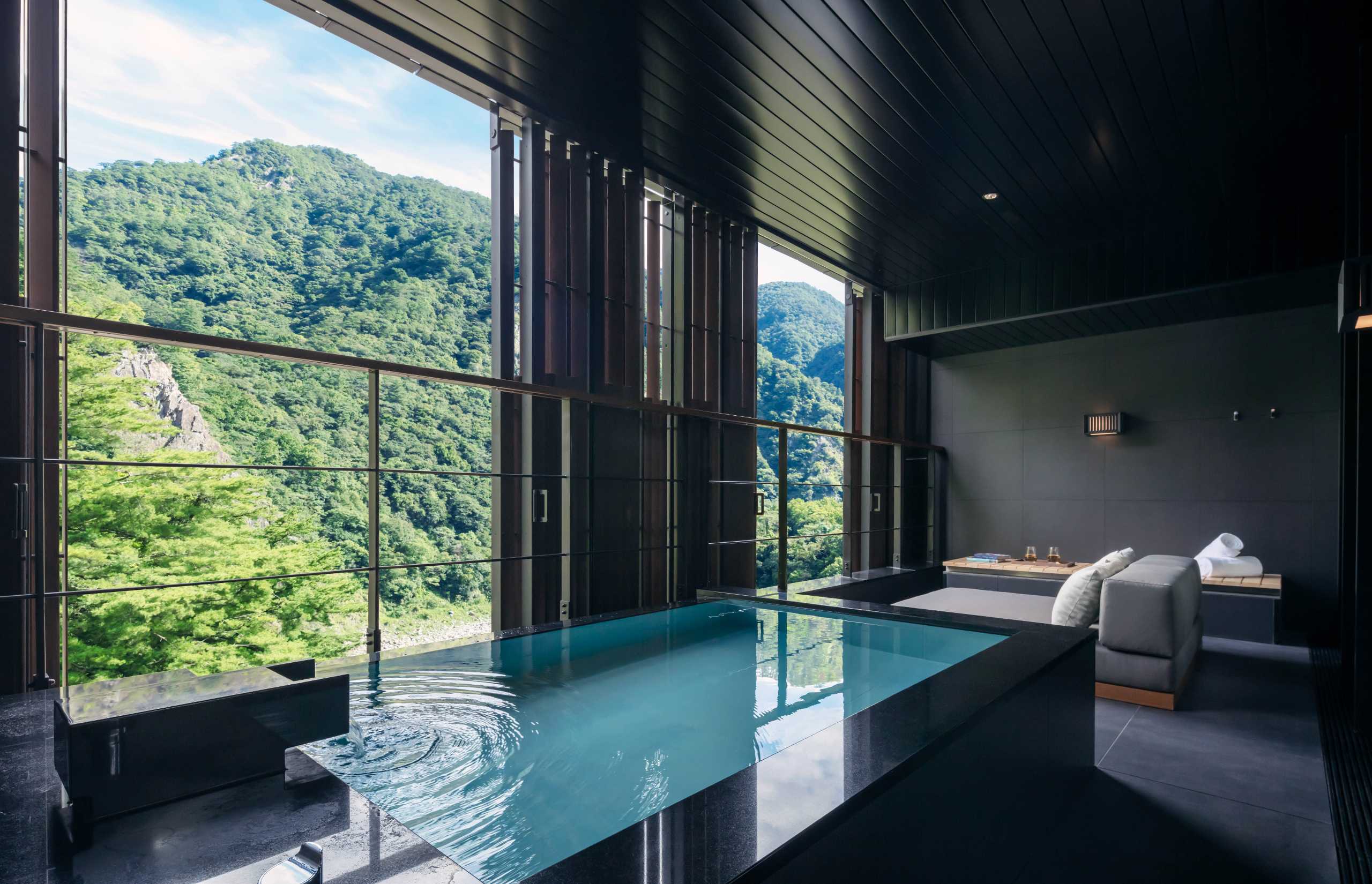
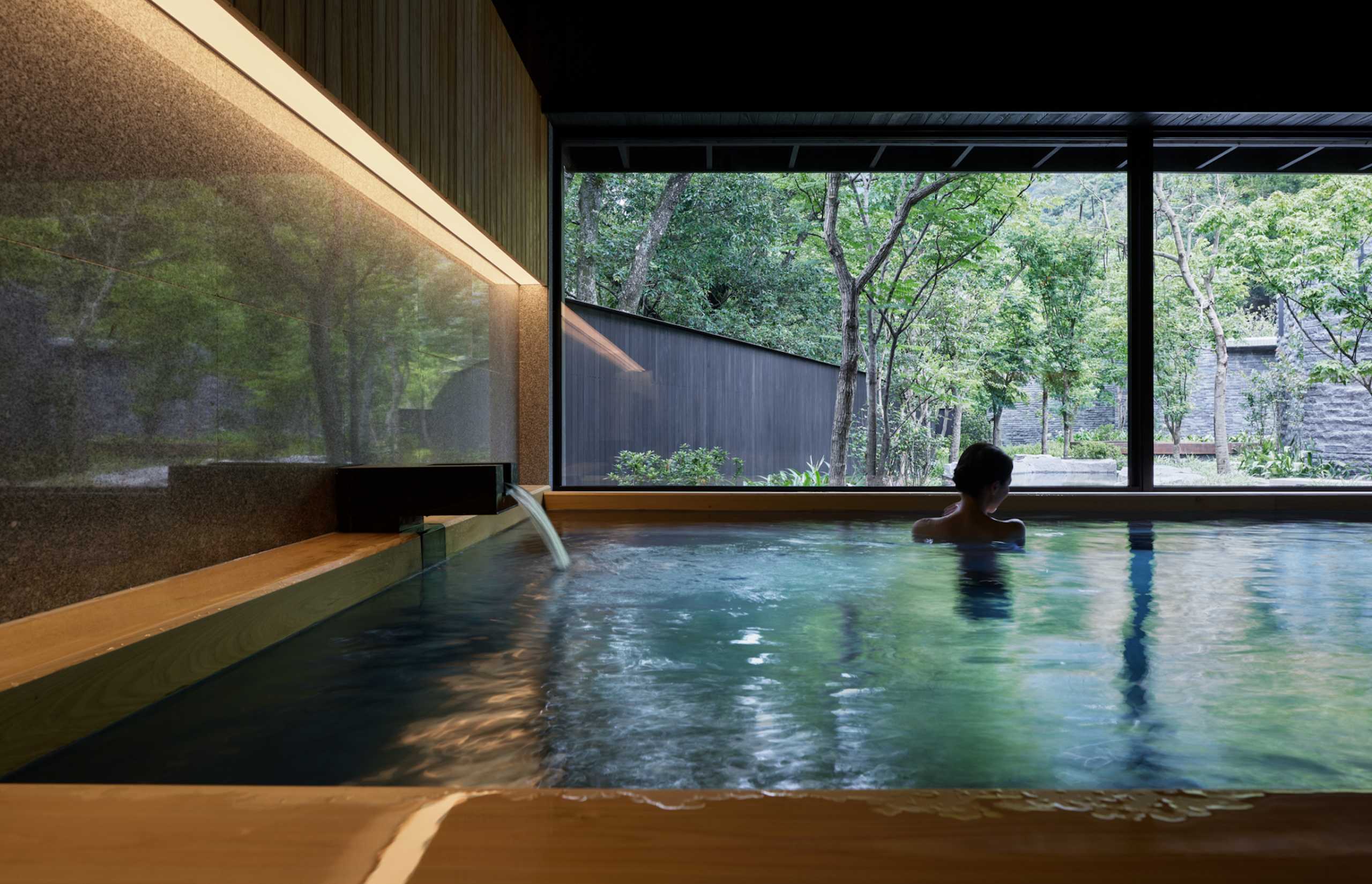
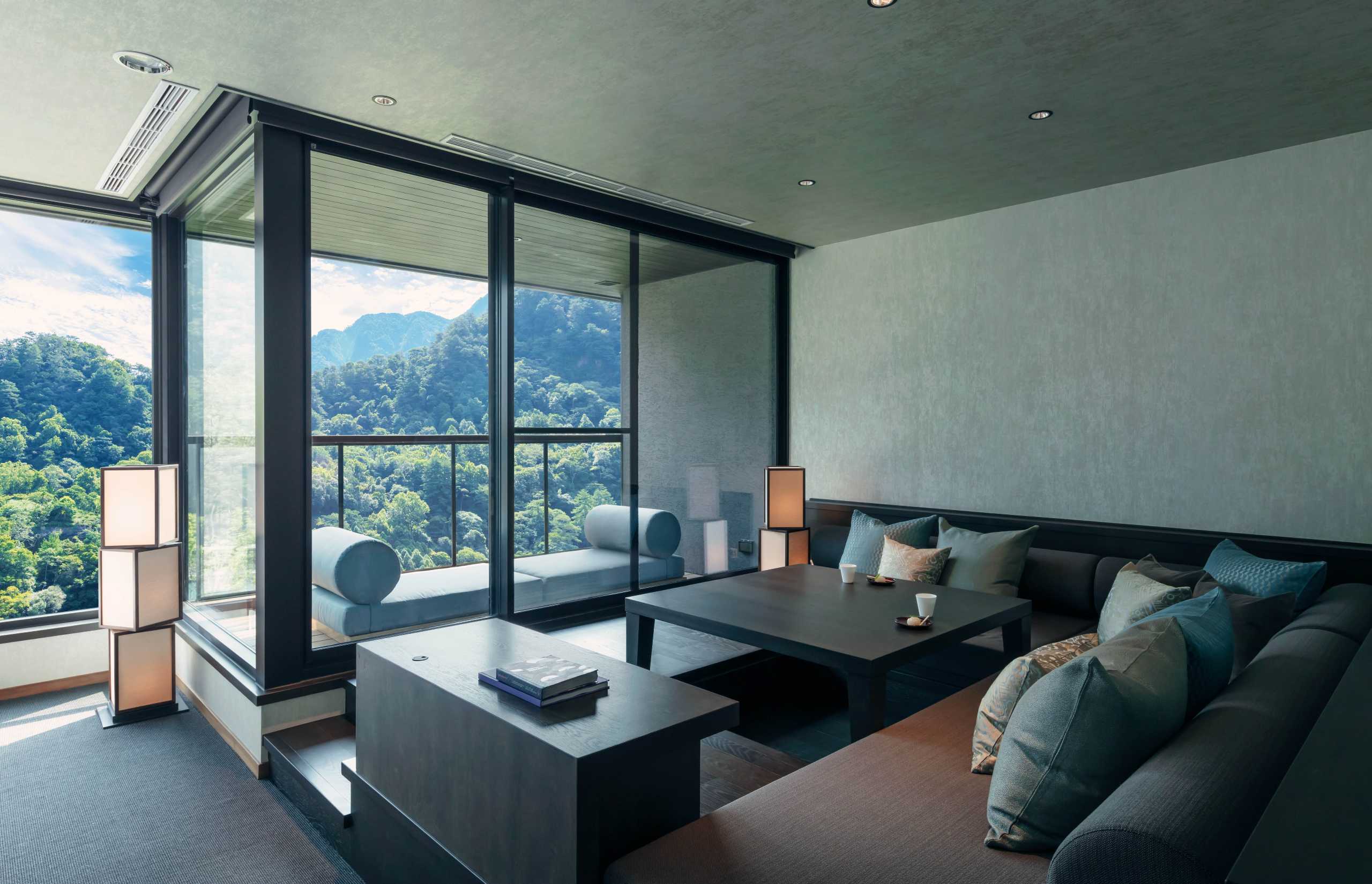
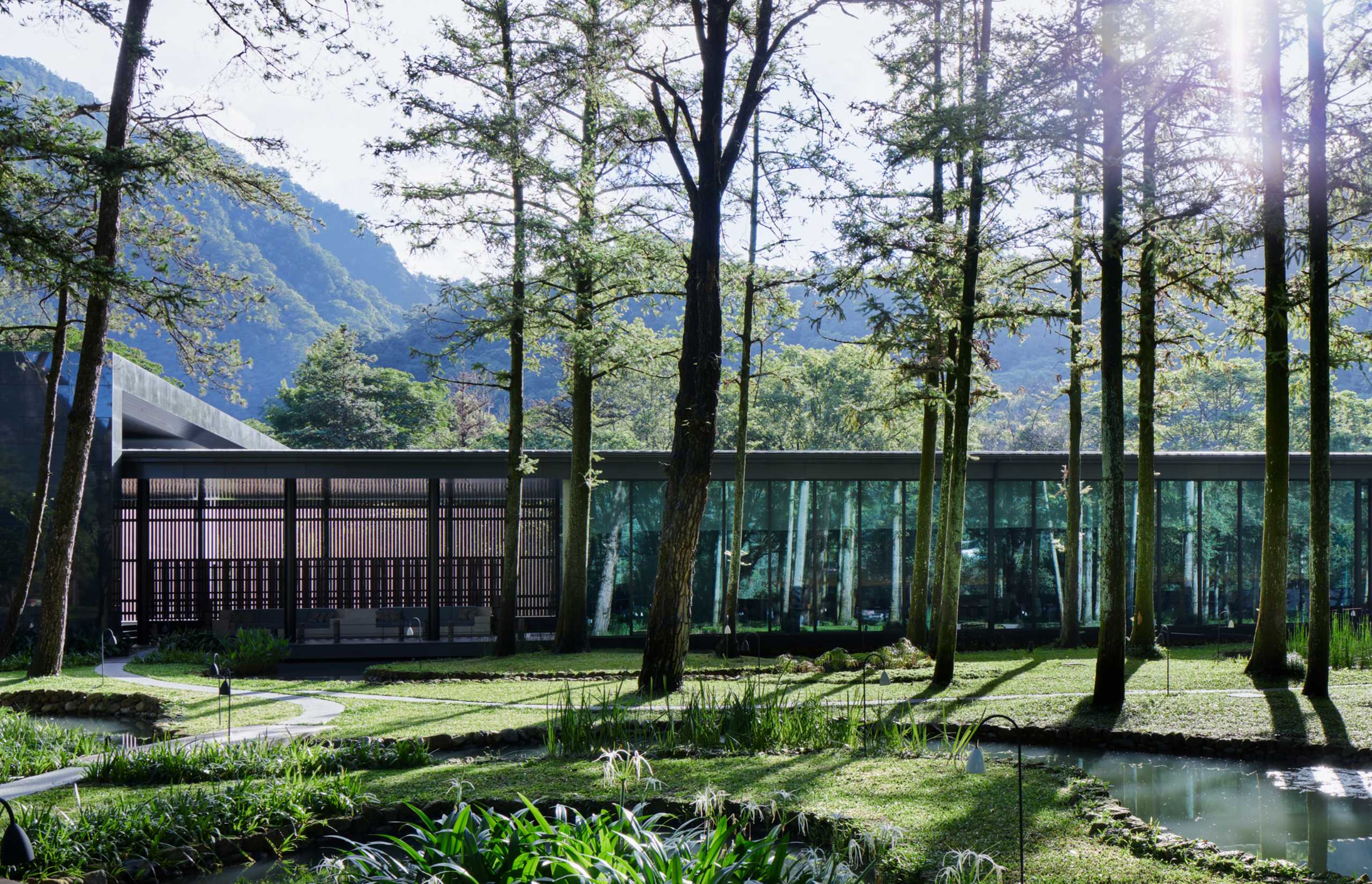
The resort oozes Japanese style, with the onsen’s indoor pools surrounded by stone and wood panelling, and its outdoor pools screened by lush private gardens. The guest rooms all have their own hot spring bath, where guests can enjoy soaking with a view over the pine forest. These baths are fed by alkaline hydrogen carbonate water, reputed to smooth the skin.
Although Guguan is a quiet getaway, energetic visitors can hike on forest trails ranging from easy to challenging. Those wanting more gentle relaxation can stroll through HOSHINOYA Guguan’s water garden or do an evening stretching and breathing session.
Guanziling: Taiwan’s famous mud baths
Down south near Tainan, Guanziling’s hot springs are unique in Taiwan. Many hot spring hotels there offer mud baths, collecting the mud in baskets so that bathers can apply it to their face or even their whole body. The water in the pools is a murky grey, but rich in silt, salts, and sulphur that are said to relieve joint pain and beautify the skin.
A local sight is the water and fire spring, one of nature’s oddities. Steaming water and natural gas escape from the ground in a small cave, igniting a flame that has burned for centuries. For those wanting to get active, hiking trails run through the mountains surrounding Guanziling.
While geothermal water flows abundantly from Taiwan’s mountains, its hot spring towns and resorts are relatively unknown outside the country – so there’s never been a better time to visit them.
Latest Articles
Don't miss the latest from Luxury Travel