
Partner Story
Everything to see, do and eat in Malta and Gozo
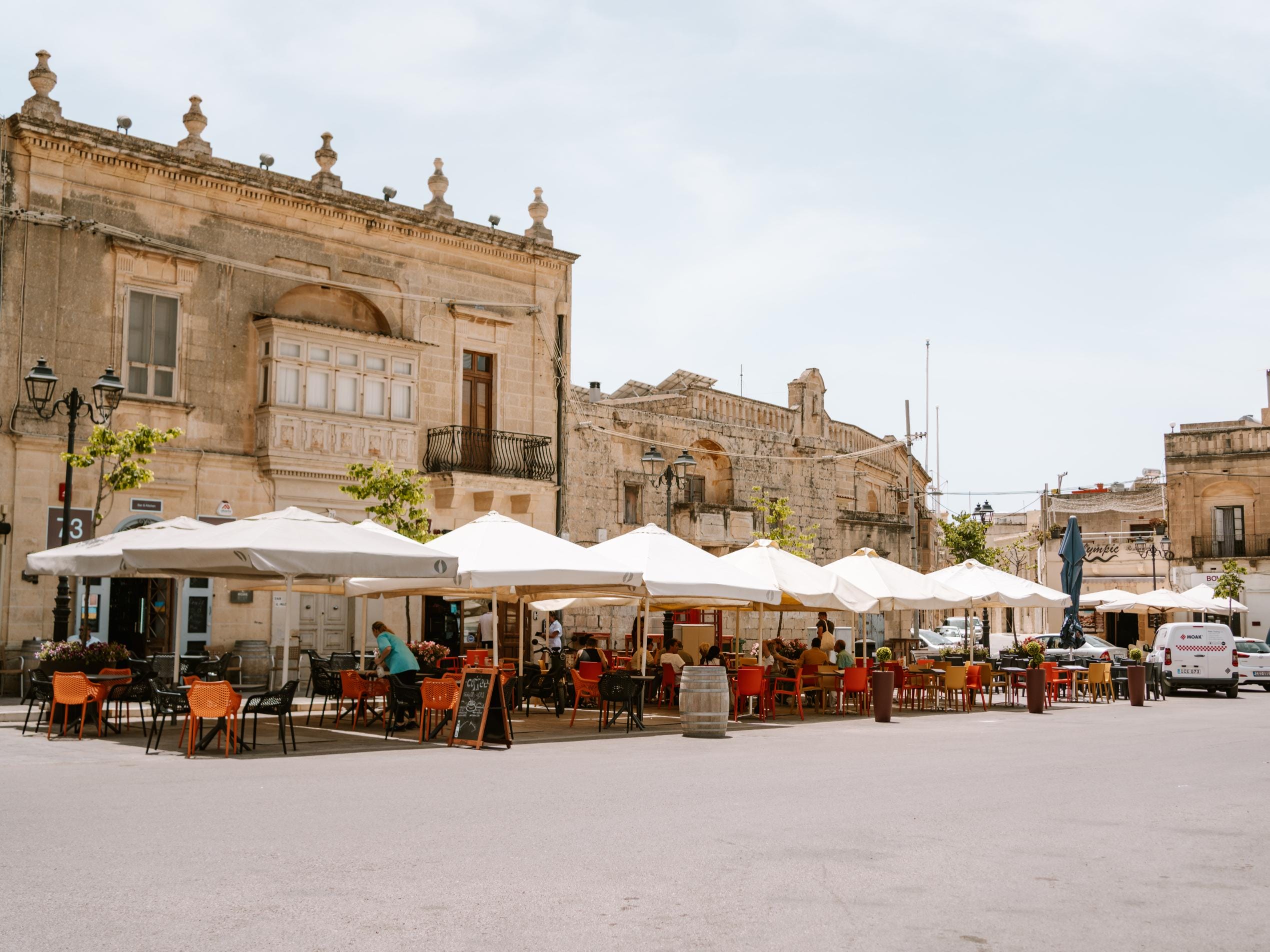
Image credit: Kaylee Burger
The Mediterranean archipelago of Malta offers so much more than meets the eye. From great gastronomy and ancient history to underwater wonders and holistic hiking, these islands are brimming with enlightening experiences for every traveller
Malta can be a surprise to first time visitors. On the outside, these limestone islands boasting sparkling seas and 16th-century skylines look explorable within a couple of days. But within, the three-island archipelago is a densely-packed cornucopia of history, culture and cuisine you’d be hard-pressed to experience in a week – let alone a weekend.
Luckily, Malta’s modest size and excellent transport links work to visitors’ advantage, meaning you can explore much of this blisteringly cool locale with ease. Here’s how to get the most out of your first trip to one of Europe’s most enigmatic destinations.
Discover ancient man in megalithic temples
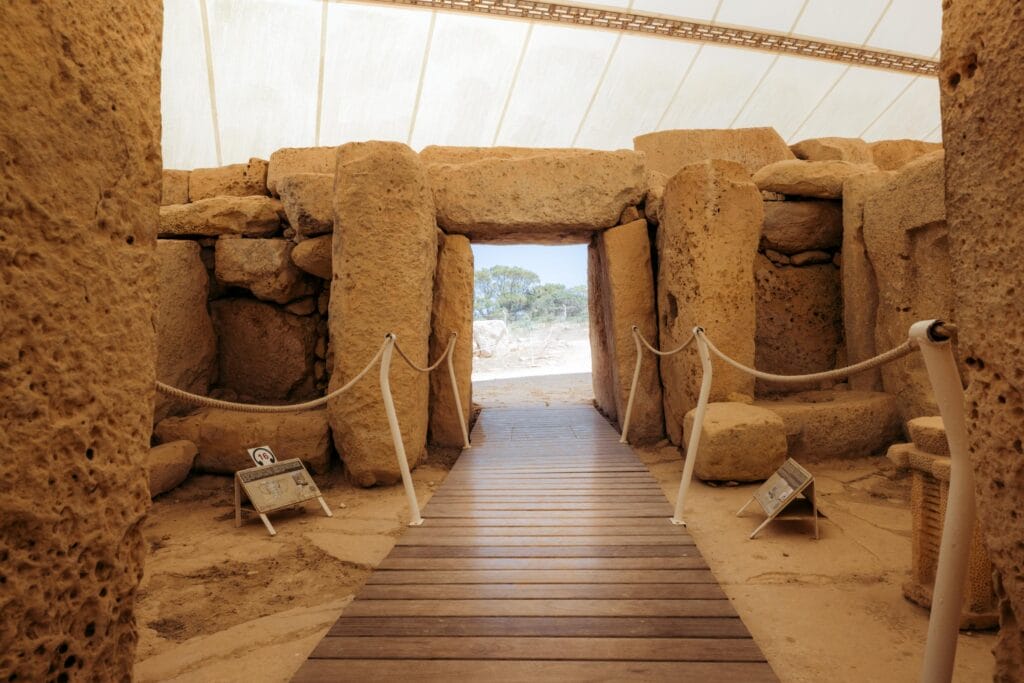
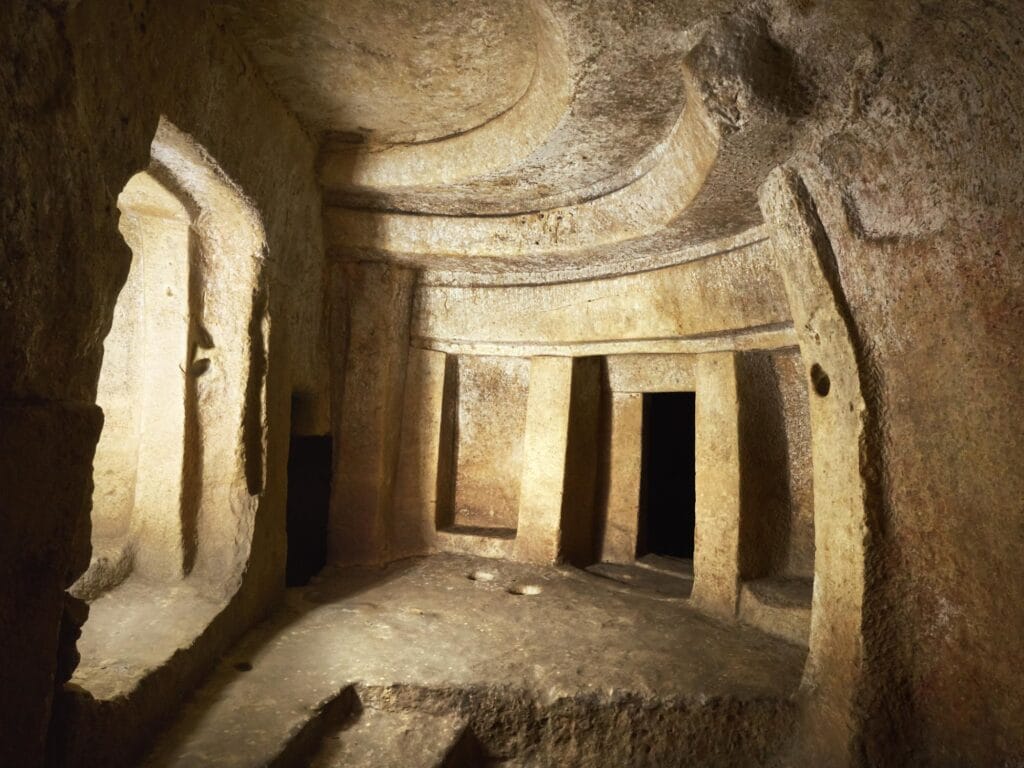
Let’s start at the beginning, which for Malta, is about 8500 years ago. The islands of Malta, Gozo and Comino are home to some of the oldest evidence of human civilization in the world – as well as our species exploits almost every century since then. Begin with two of Malta’s three UNESCO World Heritage Sites: the Ħal Saflieni Hypogeum and the Ħaġar Qim and Mnajdra Archaeological Park. The Hypogeum is a multi-level burial complex hidden below the town of Paola in central Malta. Built in 4,000 BCE, it wasn’t discovered until 1902, when it birthed a wealth of archeological artefacts and a priceless insight into a civilization lost to time. Pair it with a visit to the megalithic temples of Ħaġar Qim, where you can walk within the remains of structures built some 5,600 years ago and learn the varied theories about how they were constructed. Both of these sites are among the most popular attractions in the country, so pre-booking tickets is essential (Ħal Saflieni Hypogeum adult ticket costs €35, Mnajdra €10).
Walk among walled cities and ancient forts
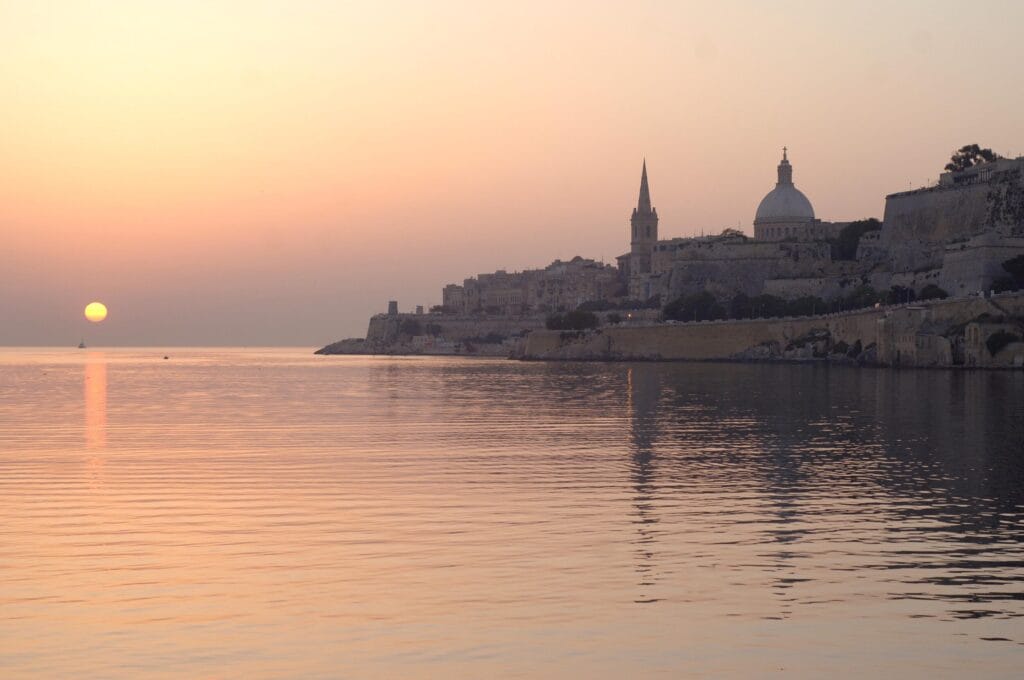
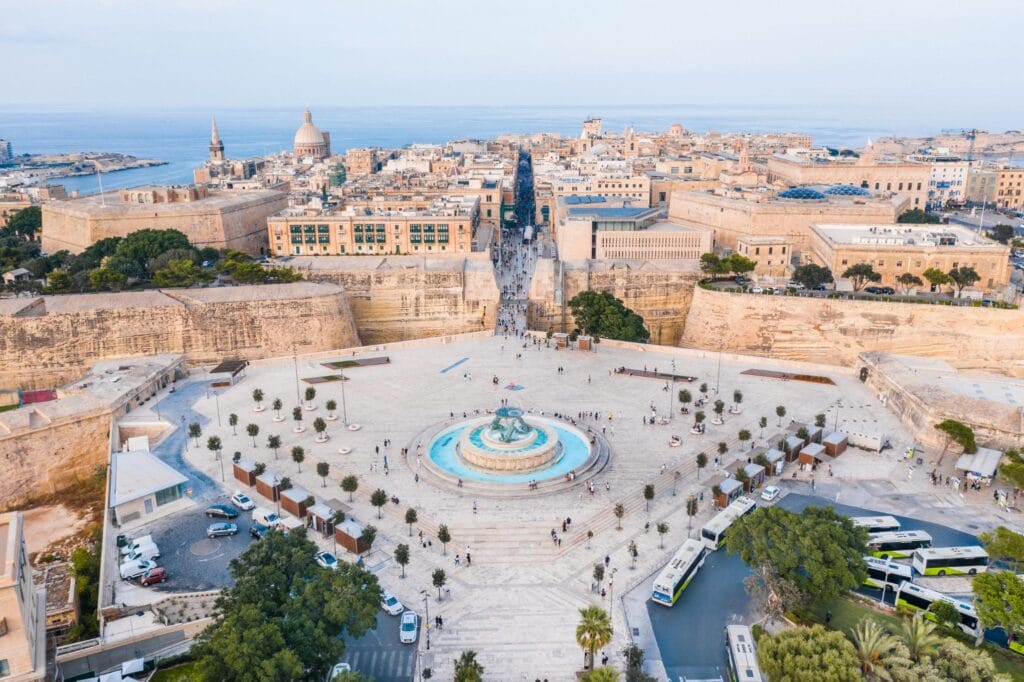
When it comes to breath-taking burgs, Malta’s crown jewel is Valletta, the UNESCO-listed walled capital towering up out of the Sciberras promontory on the south-east coast. Erected by the Knights of St. John after an unlikely victory in 1565’s Great Siege of Malta, Valletta is triumph realised, every inch of its grand design and superior defensive fortifications testament to the bravery of Maltese soldiers. Within its honey-coloured walls, Malta’s trademark architectural touches are everywhere: multi-coloured gallariji protrude over narrow, undulating streets, while spacious squares open abruptly to flank grand palaces and intricately-sculpted baroque churches (Valletta’s less-than one square-kilometre area houses 29 churches).
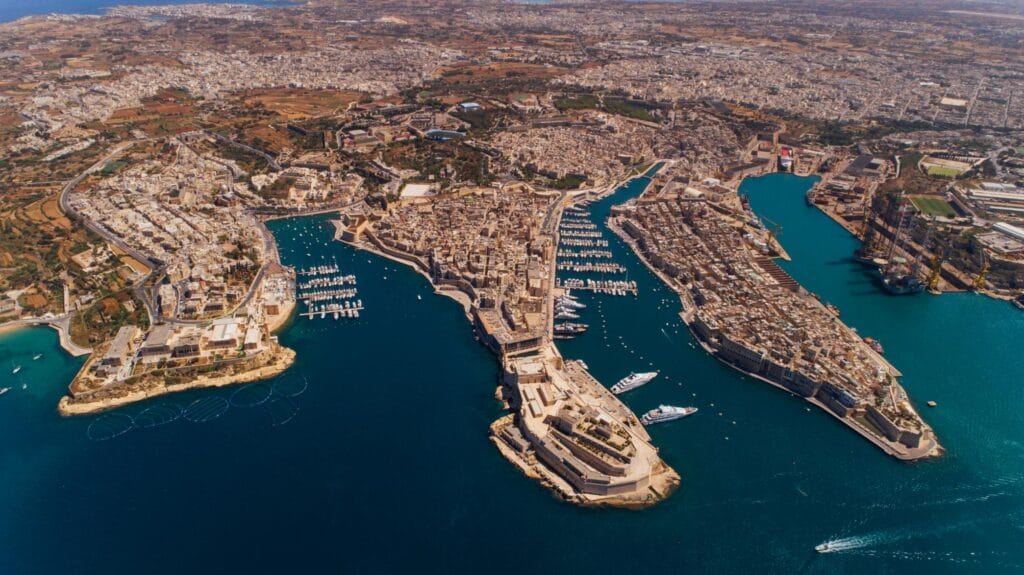
But this striking city is just one of a host of equally captivating townships. A 10-minute ferry ride across the Grand Harbour from Valletta lies the Three Cities, a trilogy of neighbourhoods substantially pre-dating the capital, and built around age-old fortifications which tell the story of Malta’s military prowess. Allow an afternoon to tour Fort St. Angelo in Birgu for a lesson in Malta’s wartime importance, explore the Malta Maritime Museum for an account of its seafaring legacy, and don’t miss the underground tunnels of World War Two shelters beneath the Couvre Porte bastions.
Head on to Malta’s second walled city, Mdina. The ‘Silent City’ is the oldest town on the archipelago, believed to be settled as far back as the Phoenicians in the 8th century BCE. Constructed atop a hilltop in central Malta, the fortification occupied the perfect defensive position against the many attacking forces which challenged it over the centuries. Today, its peaceful alleyways (traffic is heavily restricted, making it almost pedestrianised), historic cathedral and restored palazzos are best enjoyed at leisure.
Sample savoury snacks and Michelin meals
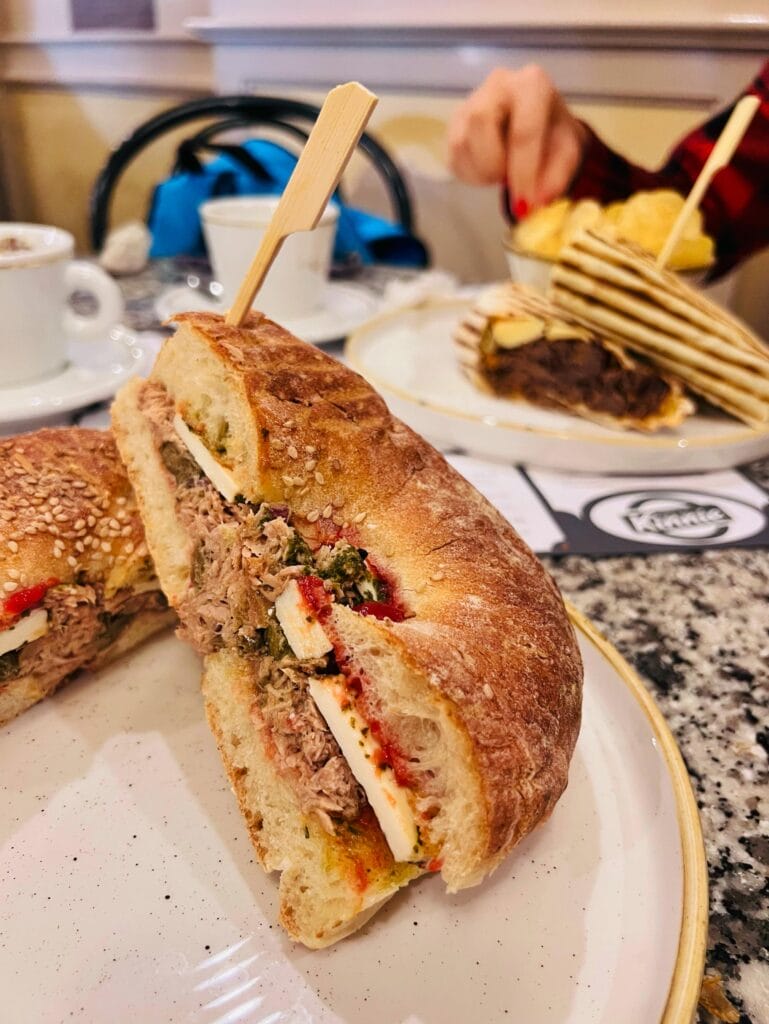
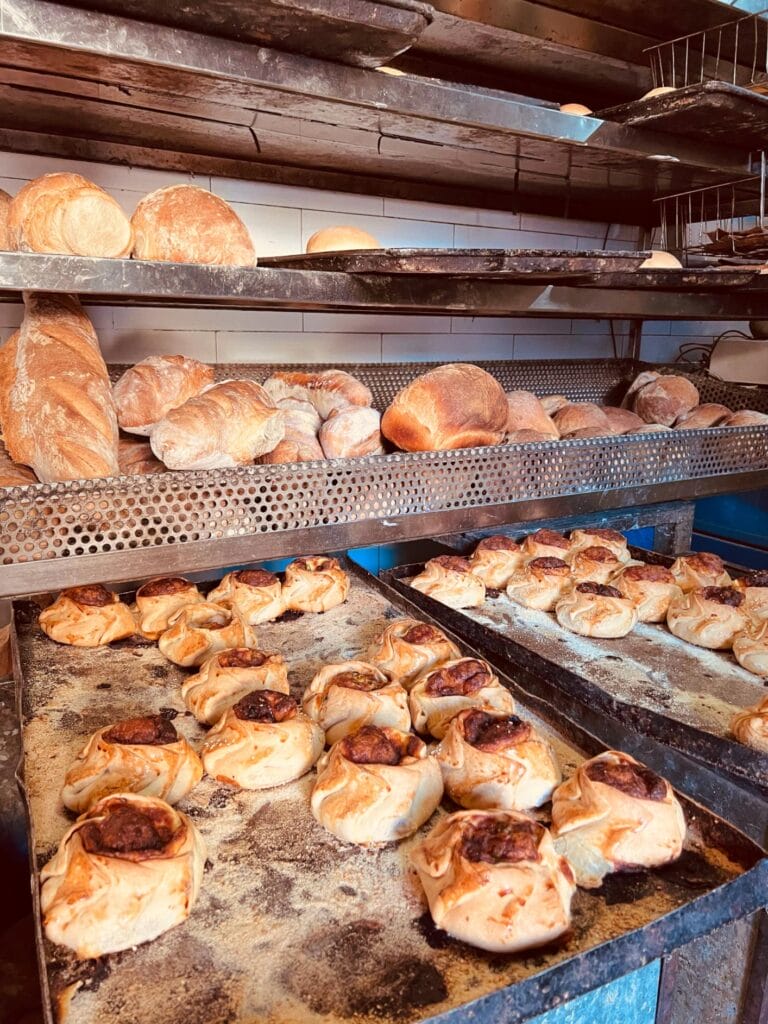
Malta’s gastronomic scene has exploded in the last decade, developing domestic talent while attracting international names from abroad. As a result, dining options across the isles span everything from hole-in-the-wall takeaways and al fresco lunches to Michelin-starred meals. Start with seafood, which is top notch no matter where you dine. Experience some of the best in the country’s oldest fishing village, Marsaxlokk, on Malta’s south coast, which also hosts the largest fish market on the islands every Sunday. Pick a table by the harbour to enjoy views of multicoloured luzzu moored across the inlet while you tuck into fleshy lampuki and freshly-caught octopus. Elsewhere, keep an eye out for local delicacies such as the thick-breaded ftira, or the tasty (and affordable) cheese, or pea -filled pastizz. Gastronomes can choose between six Michelin-starred restaurants, including Simon Rogan’s two-Michelin-starred ION Harbour in Valletta. Alternatively, enjoy the rolling landscapes of mainland Malta from the rooftop restaurant de Mondion in Mdina, where Executive Chef Clint Grech serves up an elegant Maltese menu.
Slow down in Malta’s quieter sister isle, Gozo
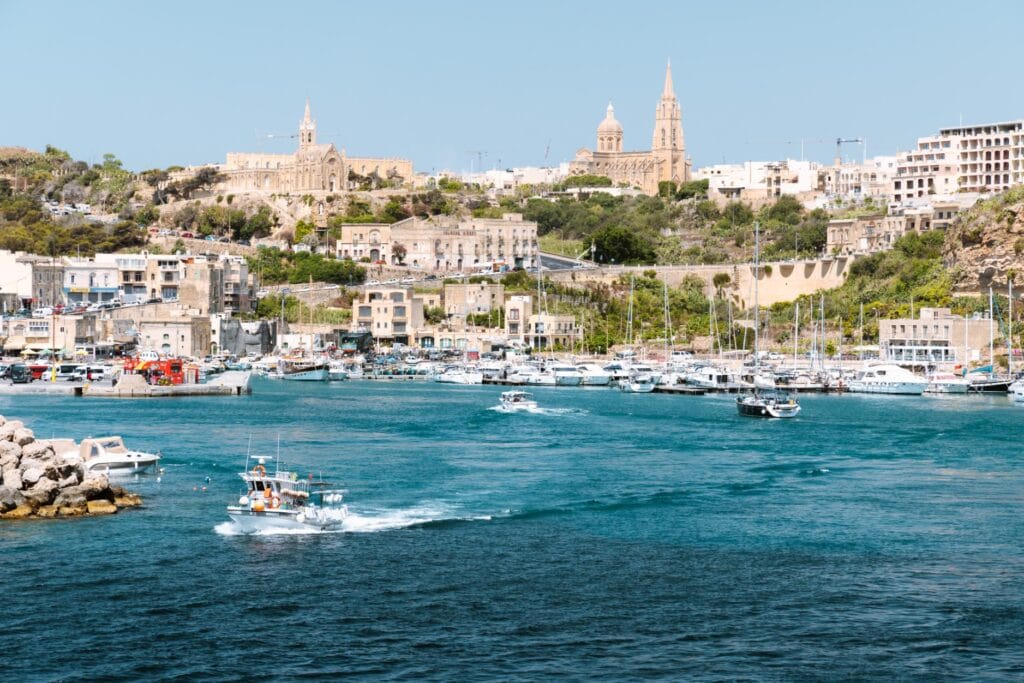
Malta’s sister isle requires as much time and attention as Malta itself, something most first-time visitors don’t appreciate. Easy to get to thanks to the Gozo Fast Ferry (45 minutes from Valletta) and the Gozo Channel Ferry (20 minutes from Cirkewwa), the ‘breadbasket of Malta’ runs at a slower pace, encouraging more holistic holiday moments. Allow at least two days here to take it all in, such as its impressive historic sights (Ggantija Temples in Xaghra, Victoria’s 13th-century citadel and Ta’ Pinu church are a good start), invigorating cliffside walks and vibey harbourside bars. Gozo’s natural beauty is one of its best assets, so put Dwejra at the top of your list for an afternoon spent hiking its curved coastline, which is punctuated by the Blue Hole and Inland Sea (both excellent snorkelling spots). For evening cocktails or a bite of bragioli (thin wrapped beef around a filling of mince, breadcrumbs, garlic, parsley and boiled egg) ), head to Xlendi Bay for a waterside lunch with views of bobbing boats accompanied by live music. Make time to sample Maltese wine (unavailable anywhere else in the world) at Tal-Massar Winery (a two hour tour is €60 per person), then book a table at Il-Kantra restaurant for dinner, which serves locally-inspired dishes at a secluded spot in the Ta’ Cenc valley.
Explore beyond the crowds with beaches, coves and hiking trails
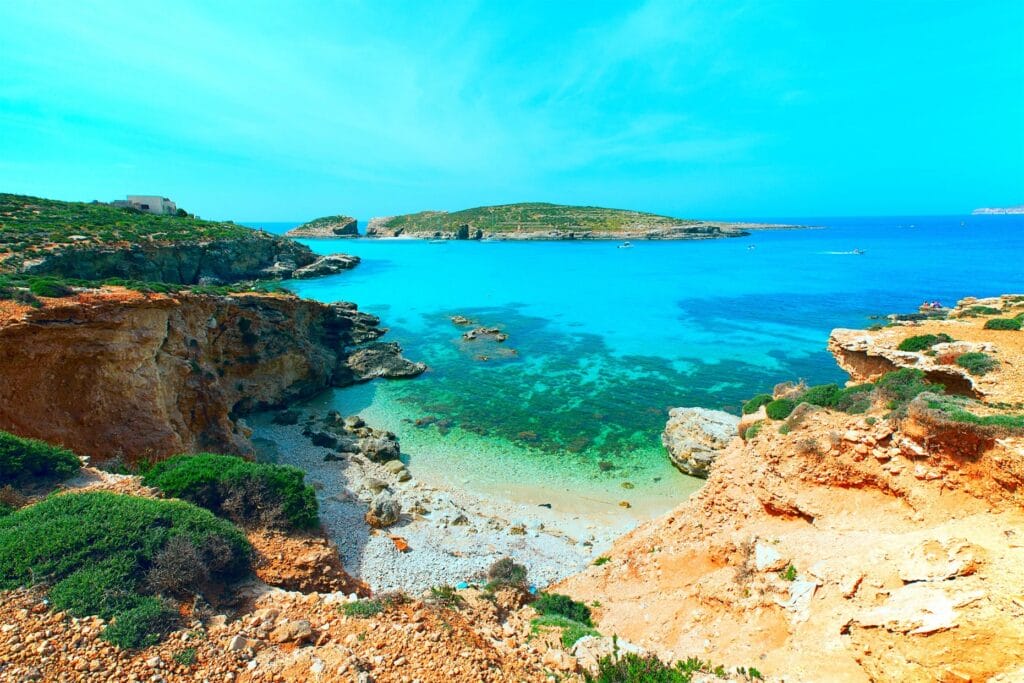
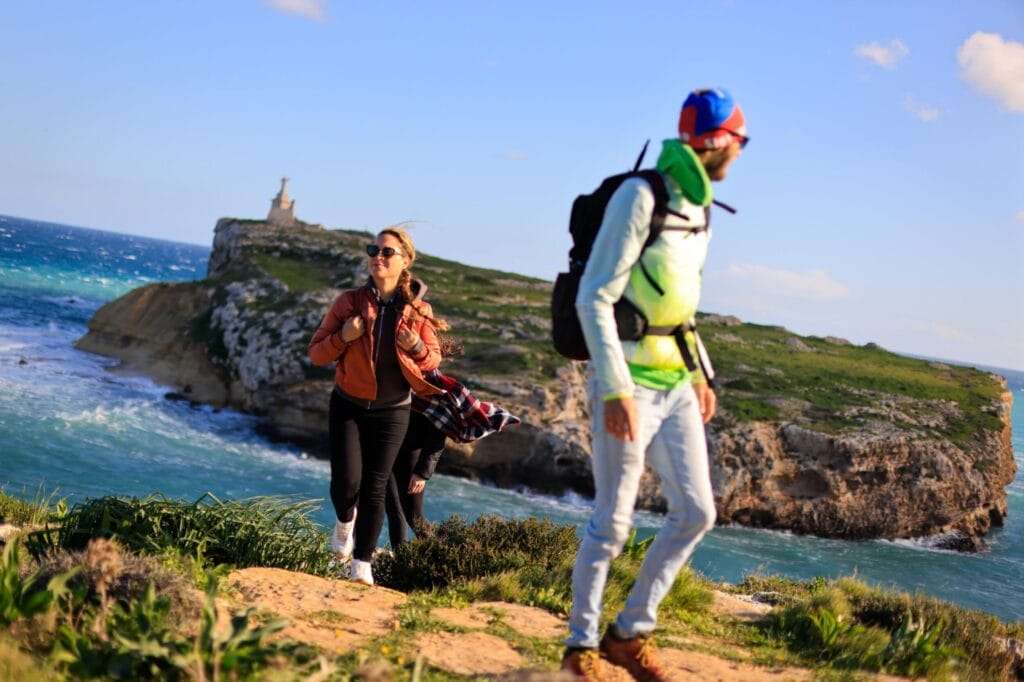
Between Malta’s historic cities and expansive beaches is a countryside woven with exciting hiking trails and captivating coastal paths. Almost any section of Gozo’s 43km coastline offers breath-taking sea views and towering cliffs – as well as historic landmarks, such as the 375-year-old Lascaris Towers – all discoverable via easily walkable footpaths (often speckled with flitting lizards). In Malta, Dingli Cliffs are the highlight, the 253 metre-high cliffs a popular sunset-watching spot. Strolling along their heights takes visitors to a panoramic viewpoint beyond which lies a trio of sandy beaches and eventually Popeye’s Village, a quirky family-friendly theme park created out of a 1980s film set (open daily 9am-6.30pm). And between these two islands: Comino. Though home to the famous Blue Lagoon, Malta’s smallest uninhabited island also provides a slice of serenity for those who venture inland to explore its picturesque walking trails through wild Mediterranean garrigue. Head to Cirkewwa in Malta or Mgarr in Gozo to charter local boats there.
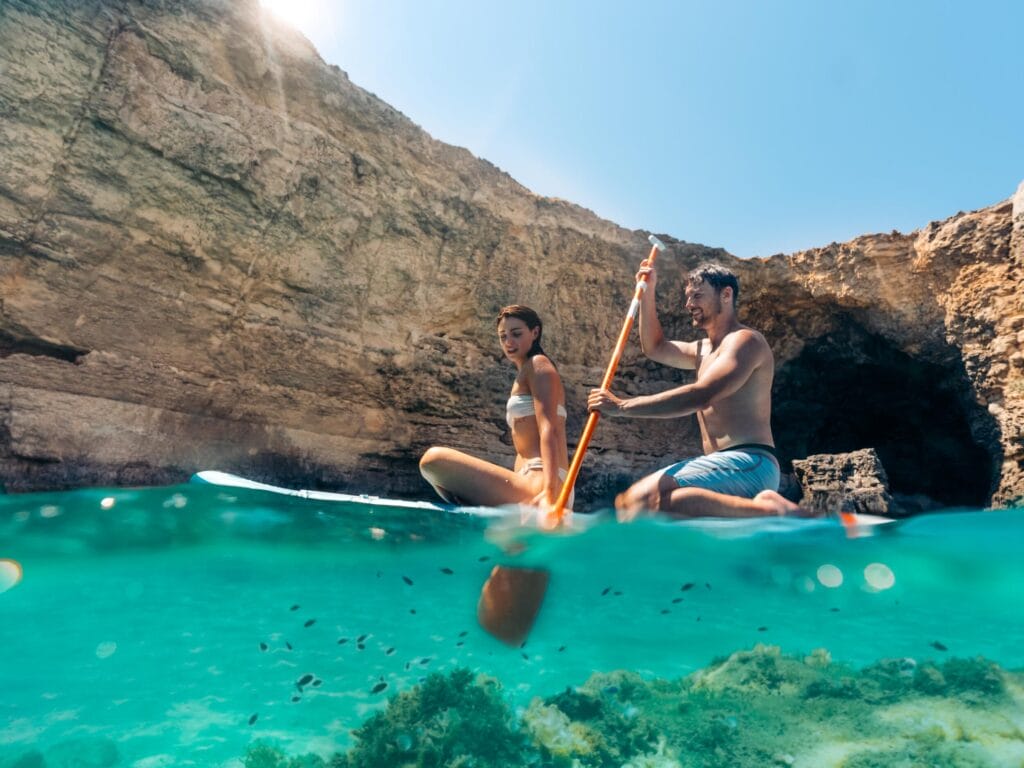
At sea level, Malta’s windworn cliffs resolve into hidden coves, enticing active travellers to discover their secrets by SUP, kayak and snorkel (try Crystal Lagoon and Wied il-Għasri), while the more adventurous can explore the menagerie of shipwrecks beneath the surface with guided scuba diving excursions.
Malta’s long history, vibrant culture and varied landscapes make it one of the most diverse destinations in Europe, and thankfully, it’s all explorable with ease thanks to its great connections. Explore Malta
Latest Articles
Don't miss the latest from Luxury Travel