
Partner Story
Why the Three Cities are a Malta must-see
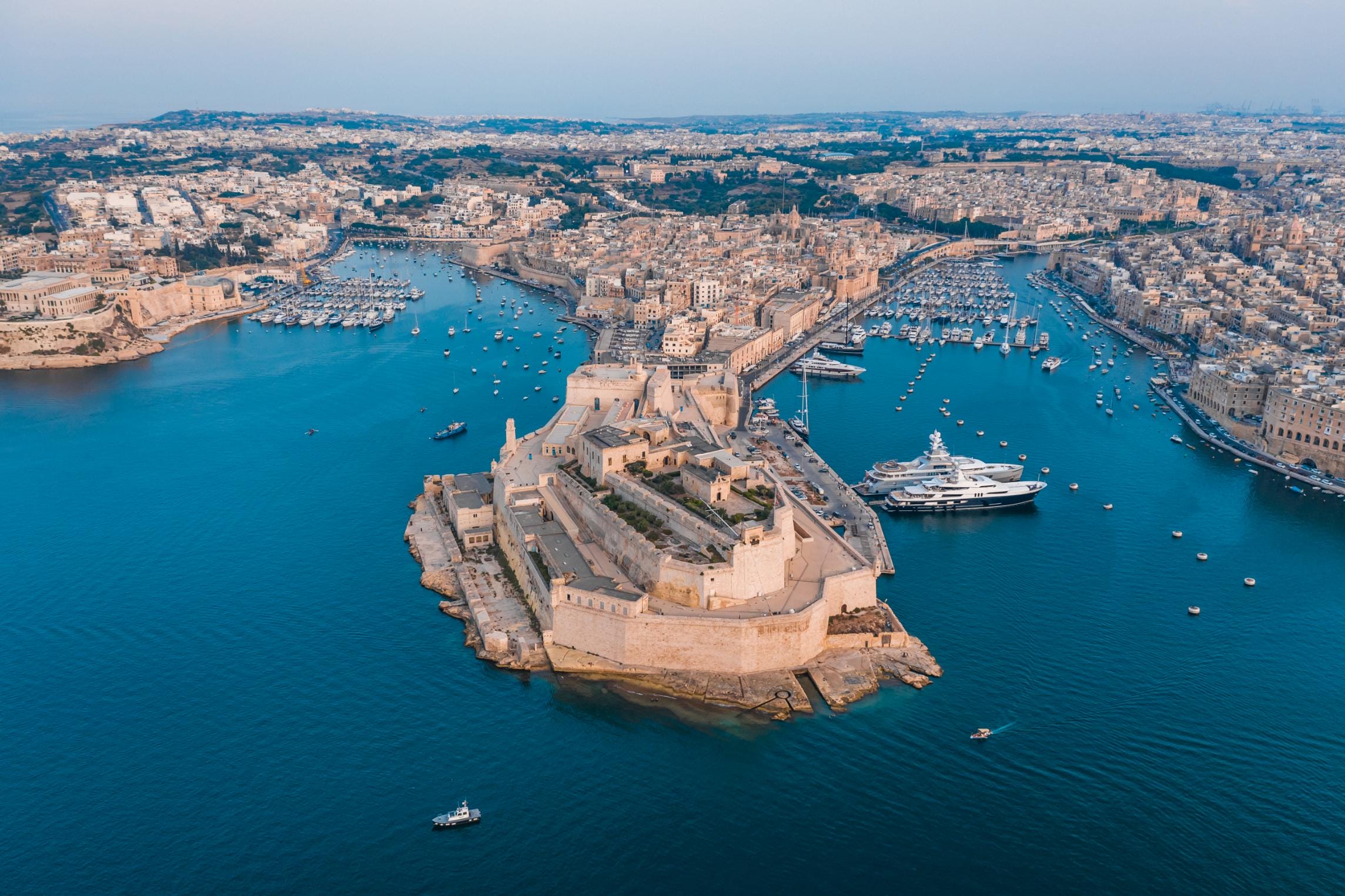
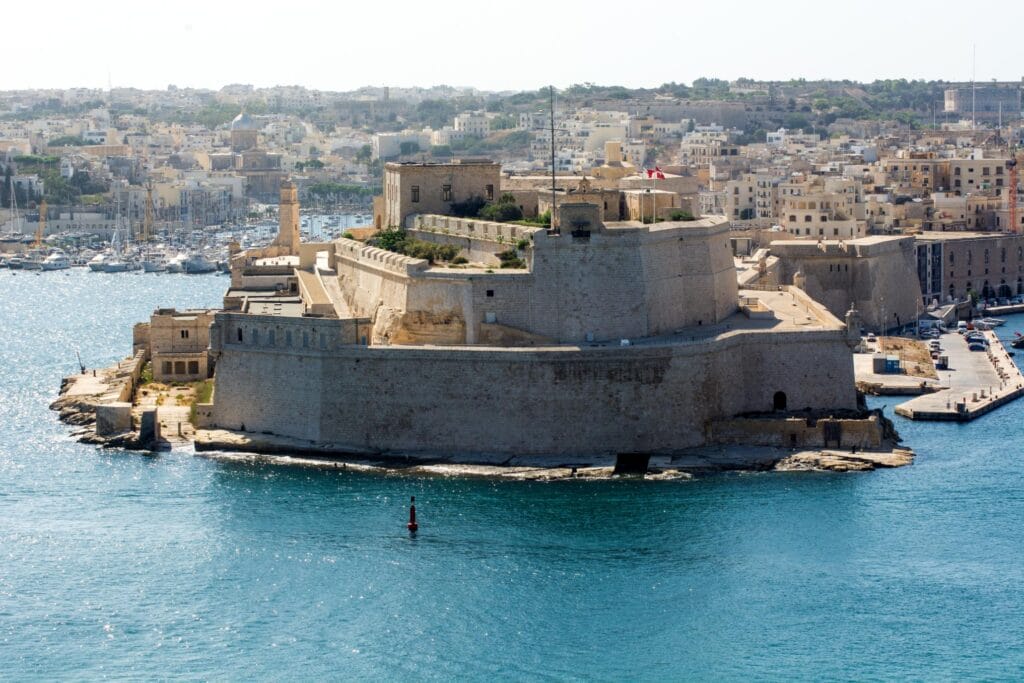
Fort St. Angelo sitting at the tip of the Birgu peninsula inside the historic Grand Harbour of Malta
Malta’s Grand Harbour is more than just its capital. Across the water, three historic neighbourhoods offer singular insights into Malta’s past, and present
Looking out from the Upper Barrakka Gardens in Valletta, visitors are treated to one of Malta’s greatest vistas. Across the waters of the historic Grand Harbour, the serpentine coastline of the Three Cities bursts with limestone turrets, bastion walls and ornate church domes.
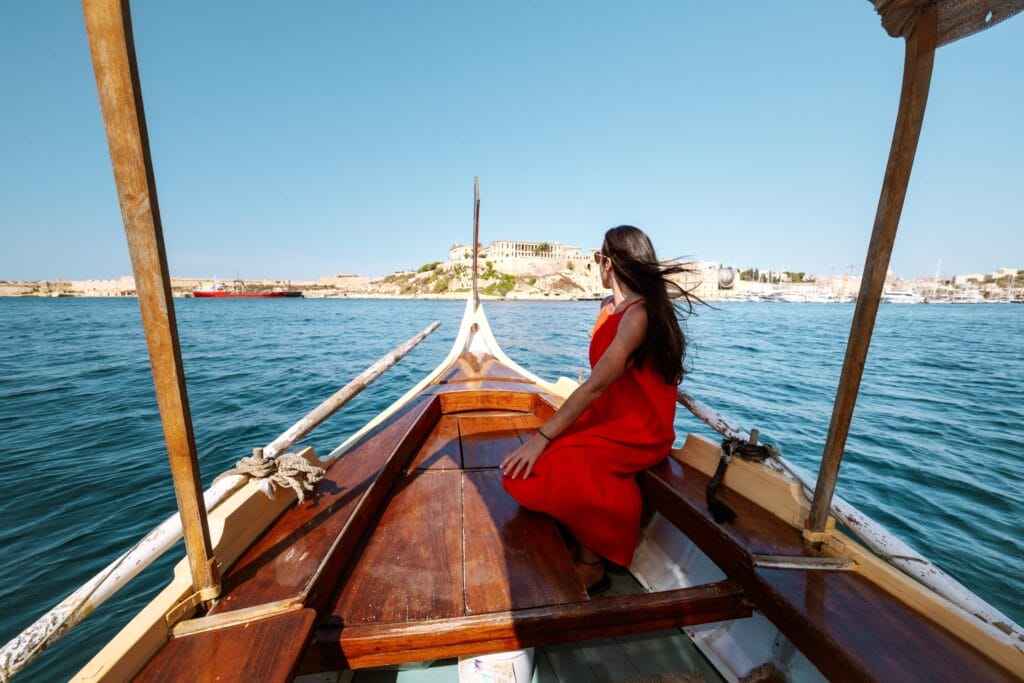
The three neighbourhoods of Vittoriosa, Senglea and Cospicua are among the most prestigious destinations in Malta’s storied history, each revealing a different side of Malta’s heritage and lifestyle. Plus, at a short ferry or Dgħajsa ride across the water, these treasure troves of culture are just minutes from Malta’s celebrated capital, yet provide a very different perspective.
Vittoriosa
Built on the one of two major promontories in the harbour, Vittoriosa is best known as the site where the Knights of St John first settled in 1530. While its architecture and history speak volumes to this period, the outcrop has in fact been inhabited since as far back as 8,000 BCE, making it one of the oldest inhabited sites in the country alongside Mdina, from which Vittoriosa took the title of ‘capital’ on the Knights’ arrival.
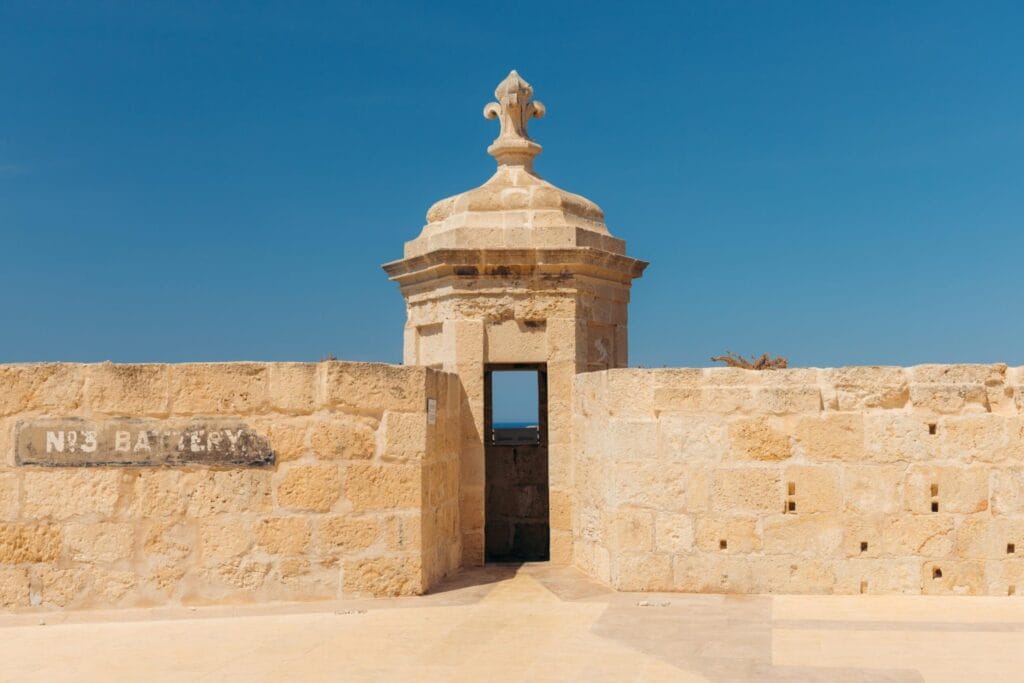
Exploring Vittoriosa is to move between narrow, golden streets flanked by carefully upkept residences and baroque churches, and the open expanse of Fort St. Angelo, a primary defensive structure which played a crucial role in the Great Siege of 1565 (Vittoriosa was renamed from ‘Birgu’ following triumph in the brutal battle). Few places in Malta give such a definitive impression of the country’s strategic importance in the 16th-century, and the lengths the Knights went to in defence of the Ottomans. A tour of the fort tells this story, one enhanced by a few hours spent in The Inquisitor’s Palace, which worked as the centre of interrogation on the islands for over 200 years. Inside, the juxtaposition of prison cells – complete with engravings made by those incarcerated – just steps away from the plush rooms of the inquisitors is eye-opening. The Museum of Ethnography, a comprehensive study of Maltese culture and religion, is also within, providing a comprehensive retelling of Maltese life over the centuries.
Senglea
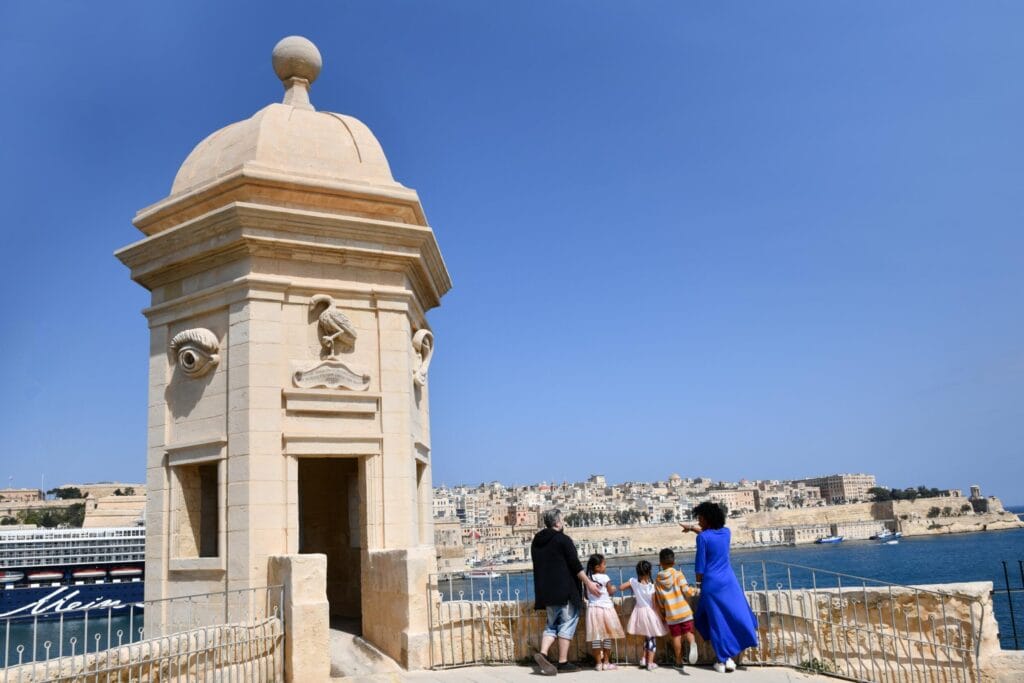
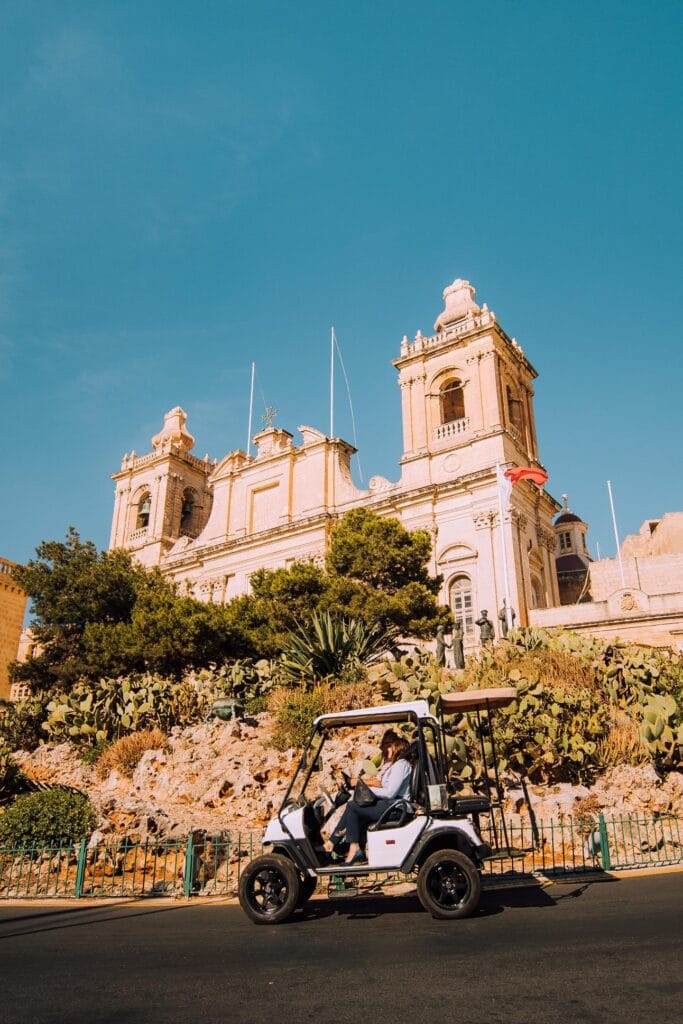
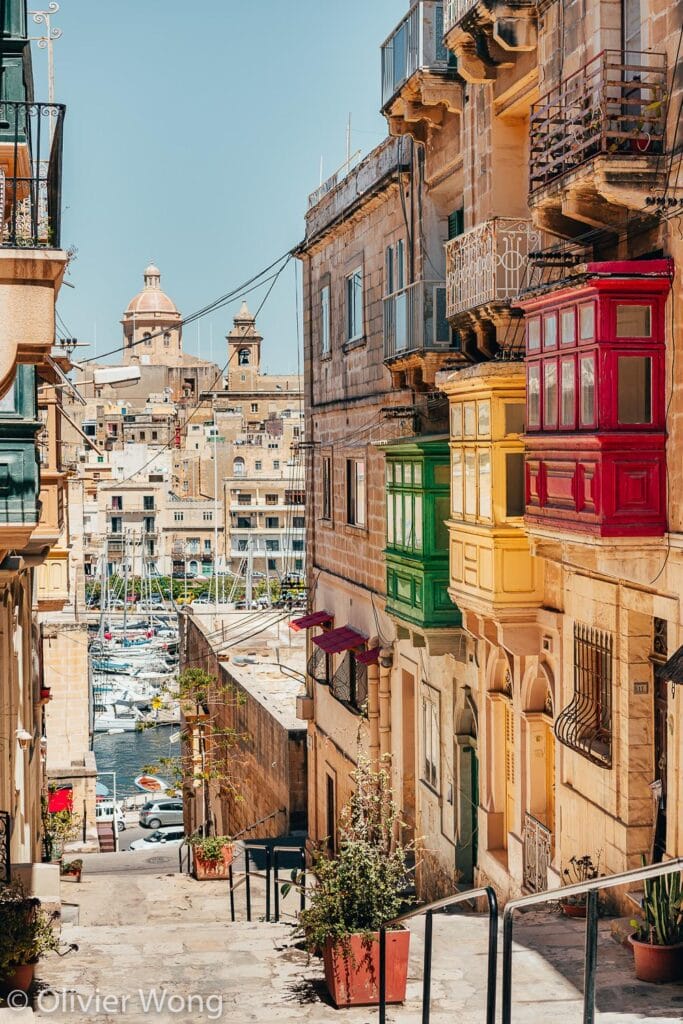
Occupying the Grand Harbour’s other promontory, Senglea is best known for its beautiful fortifications and panoramic views of Valletta and the Grand Harbour. Best discovered by foot, visitors should let themselves get lost in Senglea’s quiet streets, admiring the colourful front doors set against staggered steps and listening to the echo of footsteps as others take in its peaceful atmosphere. Local restaurants, shops and boutique hotels pepper streets interspersed with historic monuments. Any walk within Senglea will eventually end at its edges, complete with a view out on the impossible blue of the Mediterranean waters below.
Rather than working as a living museum, Senglea offers the chance to glimpse today’s residential life, as well as providing a new perspective of Valletta. At the Gardjola Gardens, visitors can enjoy a unique viewpoint of the capital’s extensive fortifications, before following Senglea’s perimeter to the remains of Fort St Michael, a 16th century defensive structure which evolved to become a school, yet still sports some of its original stonework.
Cospicua
Originally known as Bormla, Cospicua also received a new moniker courtesy of the Knights in acknowledgement of the residents’ bravery in the Great Siege. It’s the largest and most sprawling of the Three Cities, and often missed by those on quick trips, which is why dedicating a day to these neighbourhoods is essential to getting the most out of them.
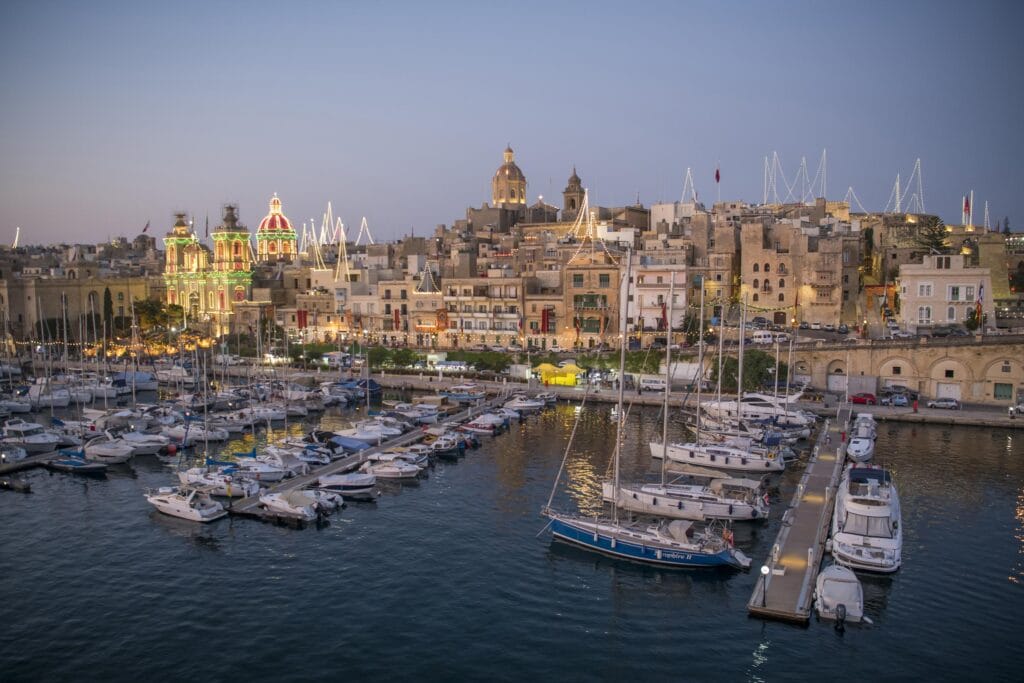
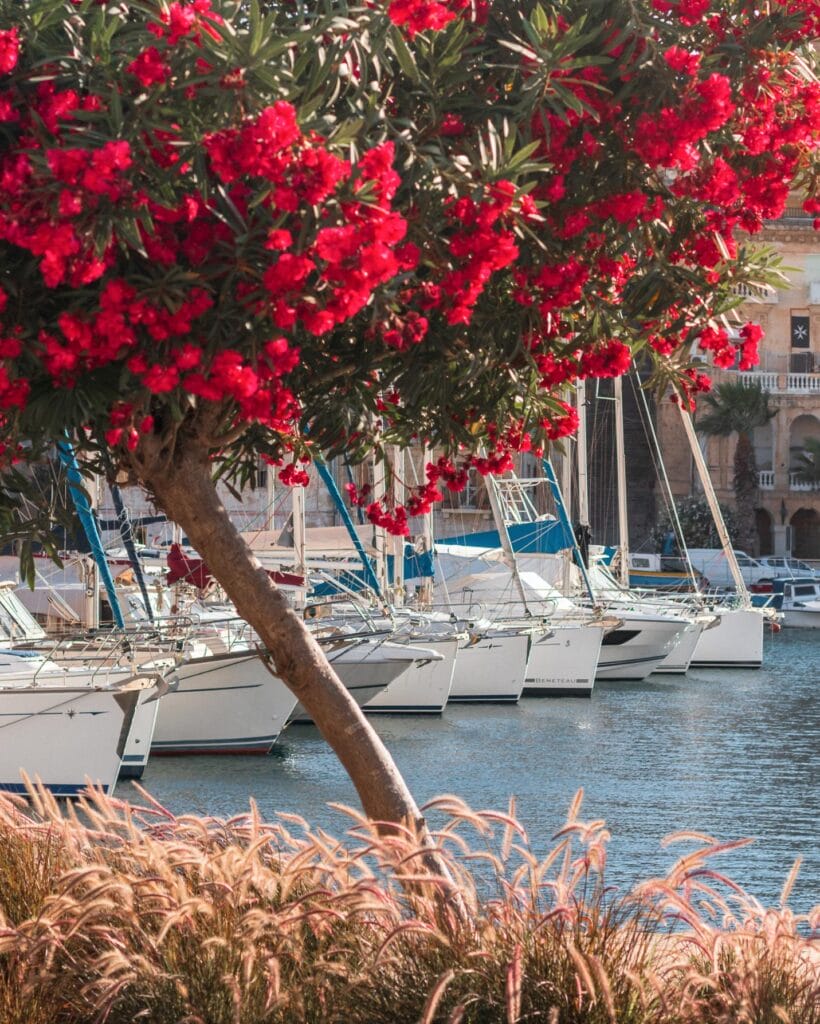
Those who reach the Three Cities by ferry will sail past Vittoriosa’s pretty harbourside, today bedecked with yachts, catamarans and brightly-painted fishing boats. This very modern entry introduces a neighbourhood whose blend of old and new defines its character; as one of the most attacked regions of Malta, much of Cospicua has been rebuilt, yet it still reveals its legacy for those dedicated enough to look.
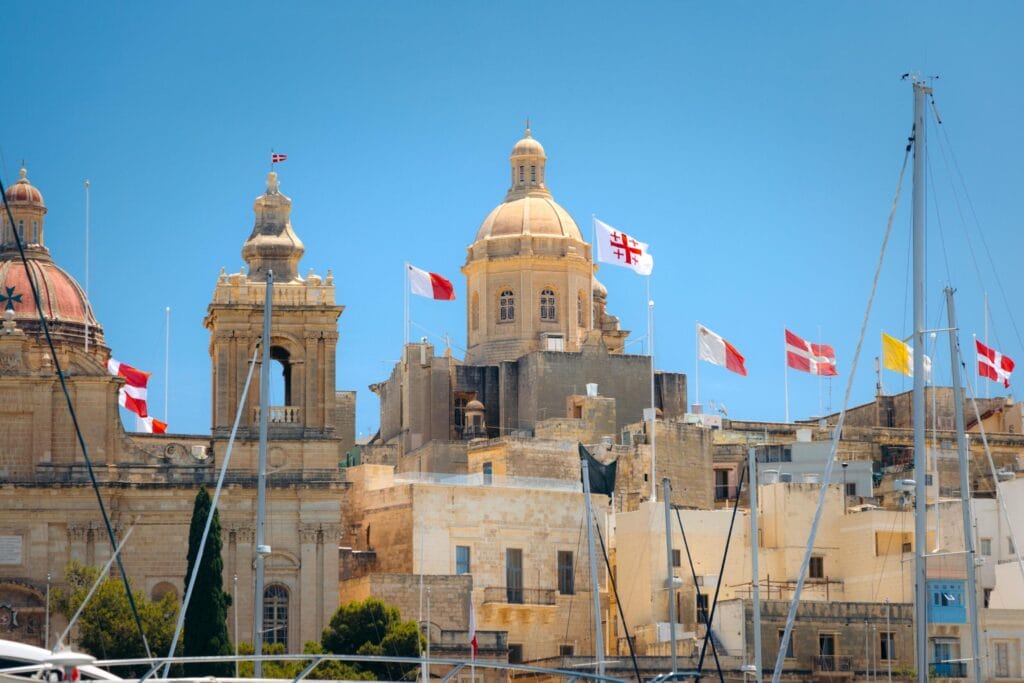
A short walk south from the dock reveals St Helen’s Gate, an 18th-century baroque portal connecting two bastions and serving as the official entrance to the city (visit in the evening to see it beautifully lit up). Minutes away, the ‘miracle church’ of Our Lady of the Immaculate Conception (it survived an impressive number of World War Two bombs) welcomes travellers via two sets of grand curving steps. Inside, an ornately decorated interior hosts statues, paintings and even a gem-encrusted statue of Mary.
Between them, the Three Cities unveil different aspects of Malta, from a guided tour of the country’s military history, to alternate views of an iconic landmark and a reflective experience of day-to-day living.
Latest Articles
Don't miss the latest from Luxury Travel