
Partner Story
Malta Art & Culture, Cities
The Three Cities, Malta: Why the Grand Harbour’s other side deserves your attention
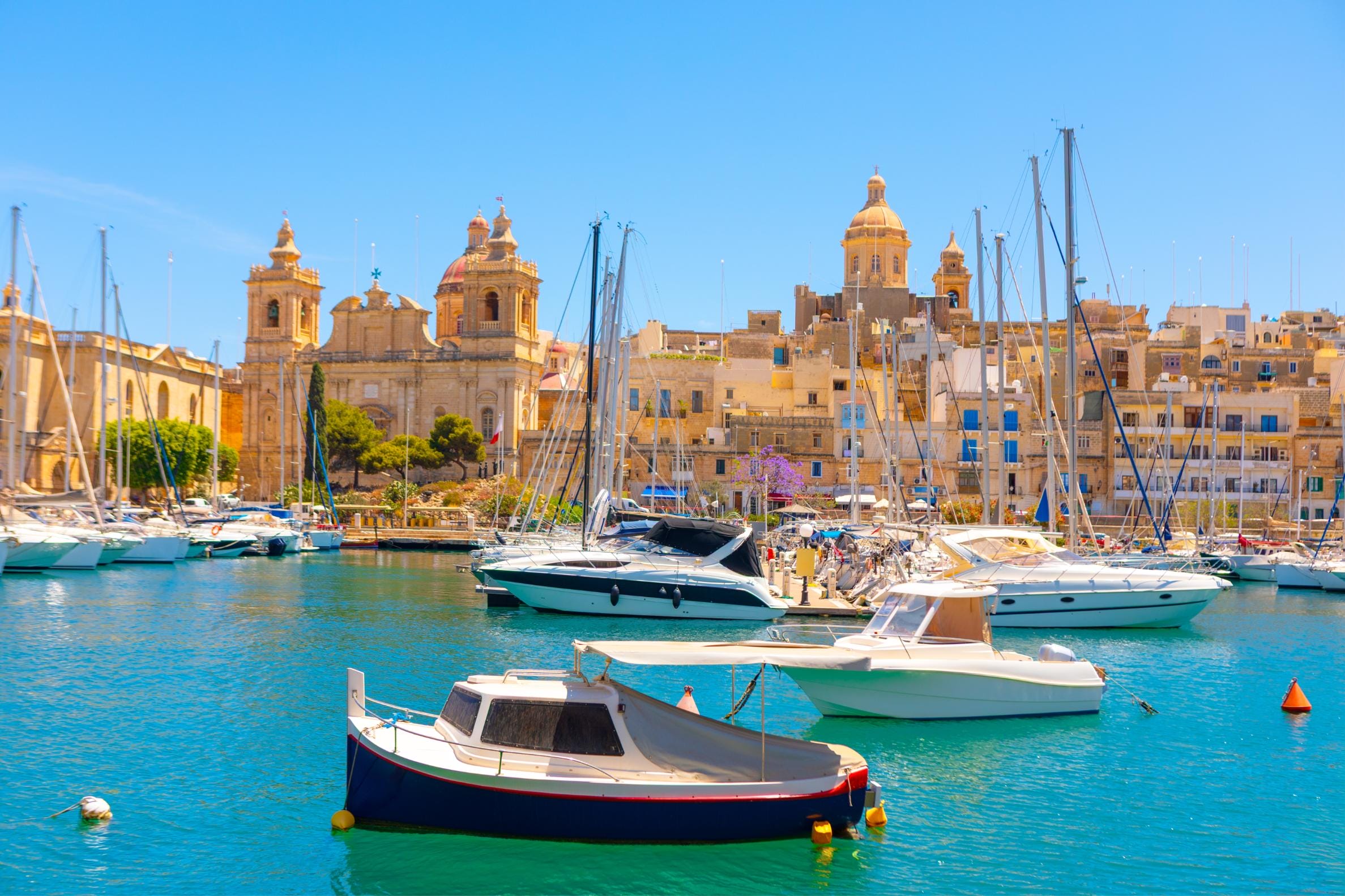
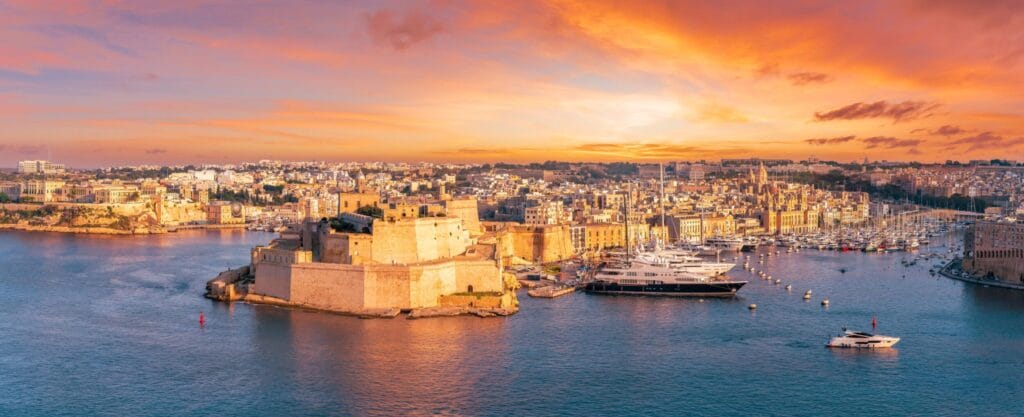
The historic waterfront and marina of Birgu (Vittoriosa) in the Grand Harbour of Malta
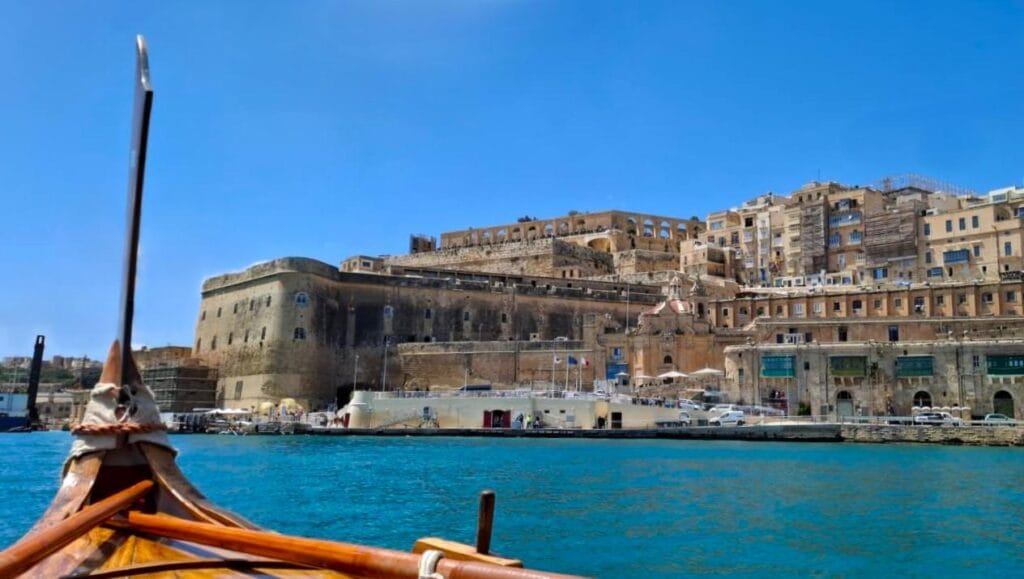
Most visitors to Malta see the Grand Harbour from Valletta’s bastions. The Three Cities – Vittoriosa, Senglea and Cospicua – offer a very different view back. Older than Valletta itself, steeped in the history of the Knights of Malta, and best arrived at by traditional Dgħajsa water taxi, this is where the harbour’s real character lives
Valletta is by far one of Malta’s most lauded sites – and it deserves to be. Filling the Mount Sceberras promontory and equipped with undulating stepped streets, two-metre thick bastion walls and views across the glistening Mediterranean Sea, it gives off serious main character energy. But what many visitors to the city often overlook is the world of history, architecture and culture sitting just across the water.
The web of streets, churches and defensive fortifications within the Three Cities – Senglea, Vittoriosa and Cospicua – are built on and amongst the promontories of the Grand Harbour’s eastern edge. These historic neighbourhoods predate Valletta, having been founded by the Knights of St John, a Catholic military order who arrived on the islands in 1530 and left a long-lasting imprint on the country’s history.
In fact, the oldest of the three cities, Vittoriosa, shows signs of inhabitation stretching back to around 700BC, making it a site of tremendous significance and perhaps the reason the Knights selected it as their new capital (stripping the title from the majestic central-city of Mdina).
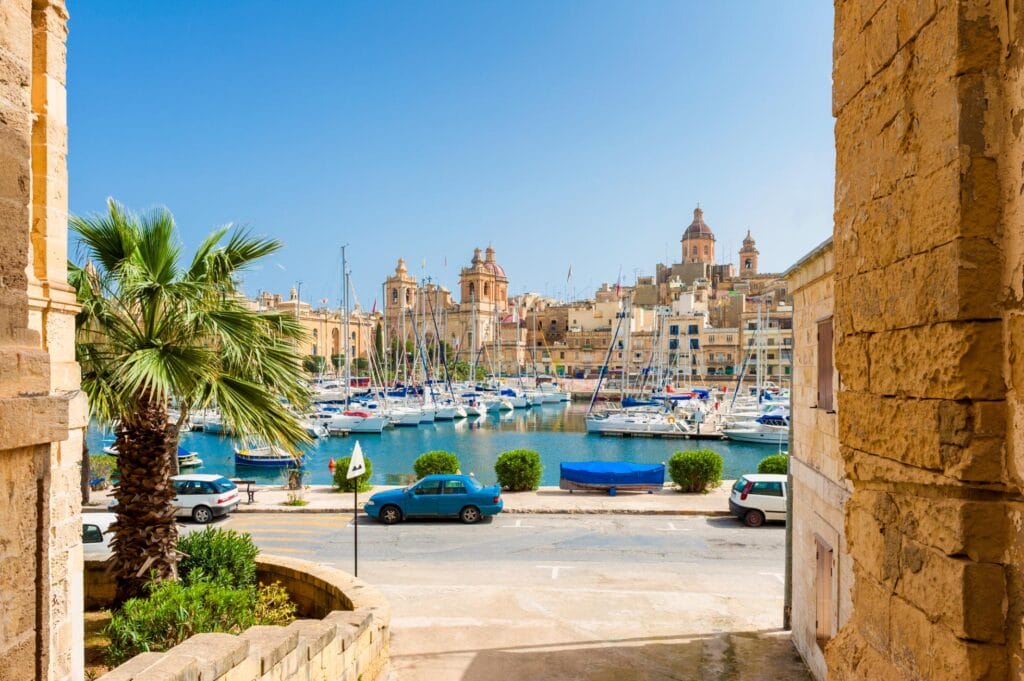
If you travel to Malta with Ormina Tours, you’ll be treated to a guided tour of these harbour-hugging burgs, ones which played a pivotal part in Malta’s defensive operations throughout the 16th century. The archipelago was frequently under attack by Ottomans seeking to secure naval control of the Eastern Mediterranean, and the Knights relied on the harbour and its fortifications as a primary defensive point – to famously great success in 1565 during the Great Siege of Malta. Under the direction of Grandmaster Jean De Vallette 9,000 men successfully repelled about 40,000 Ottoman forces through strategic manoeuvres in the harbour, and Valletta was born in celebration as a result.
The region’s history is writ large on the buildings snuggled within the neighbourhoods – Senglea and Vittoriosa perched on promontories, Cospicua clustered on land behind – contributing to an old-world atmosphere felt in few other places. Locals live and work here, embalming the streets and squares with a residential feel, and meaning the honey-coloured alleyways are awash with colourfully-painted doors, lush pot plants and vibrant window decorations.
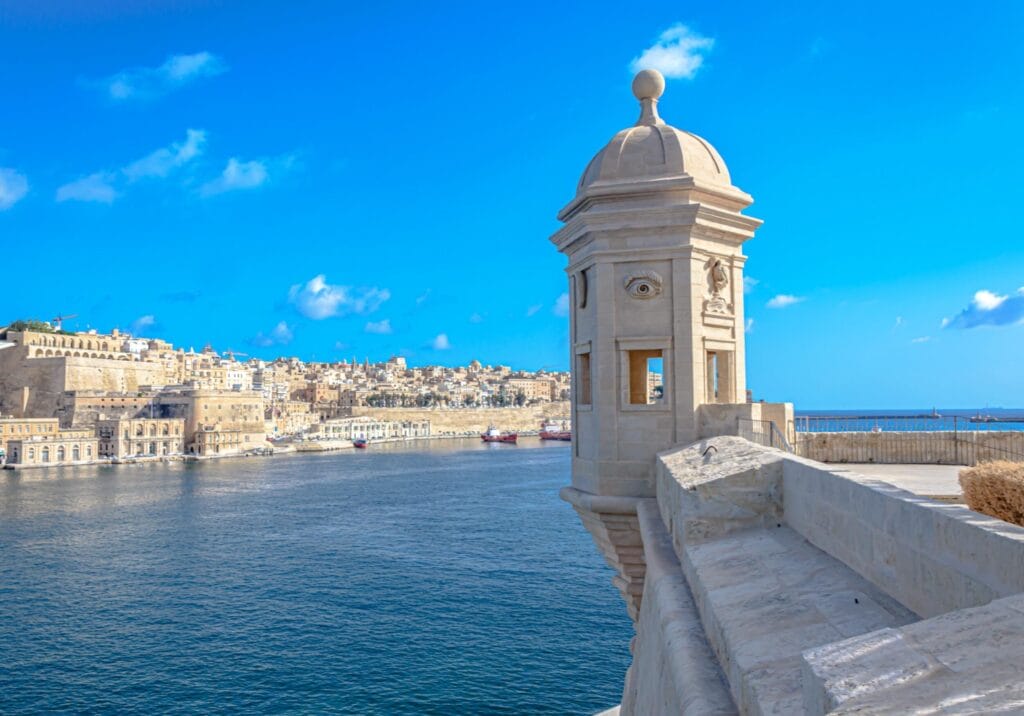
Head to Gardjola Gardens at the tip of Senglea to be wowed by the vastness of the Grand Harbour, the majesty of Fort St. Angelo and Valletta’s towering walls from a peaceful, patioed expanse. Designed by Grandmaster De La Sengle (after which the city was named) it features a striking overhung guard tower erected to signify Malta’s honour and protection over its shores.
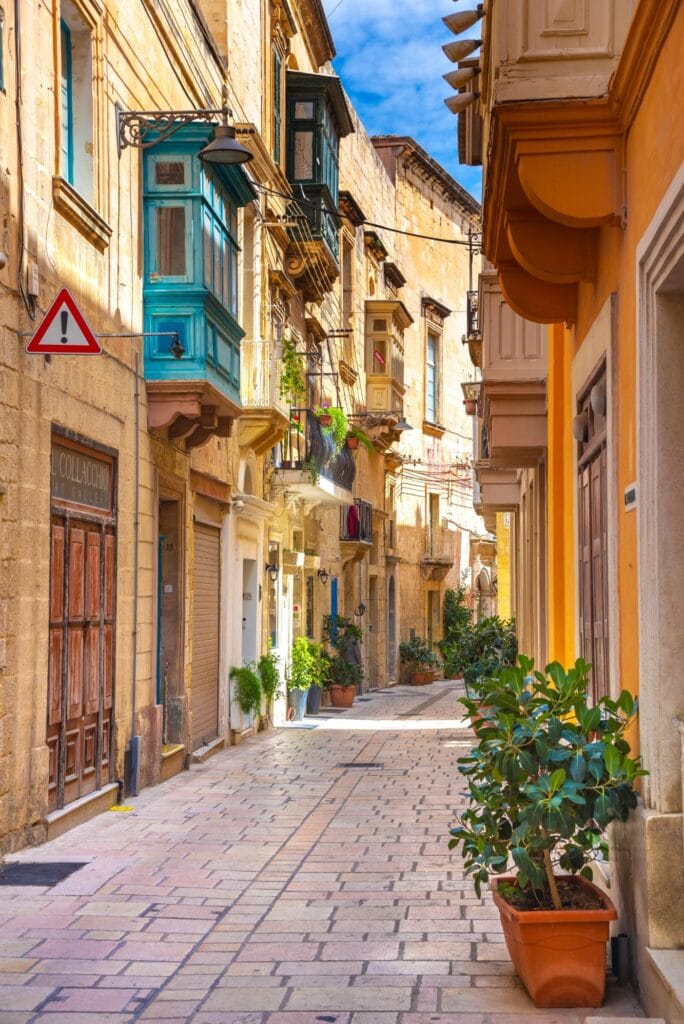
Expect a wander through Senglea’s streets to be to a soundtrack of church bells and hawkers’ calls as they move between avenues selling their wares. Keep an eye out for the handful of boutique hotels and Mediterranean-menued restaurants, gaze up at the twin-towered Basilica of the Nativity of Mary (head inside to see a centuries-old effigy of Mary with diamond-embedded crown) and peer down to enjoy spectacular views over the yacht-filled marina.
Following the winding outer edge of Senglea leads travellers into Vittoriosa, a livelier burg whose imposing fortifications – especially Fort St. Angelo, a medieval castle turned Fort – recall the country’s conflict-ridden history. Entering the city beneath any of its three ancient gates sets the scene for an afternoon of enlightenment. On your half-day tour of the Three Cities with Ormina, you’ll stop in at the Malta At War museum, a comprehensive military archive for which entry includes a tour of the warren-like World War Two shelters below (one of the longest in the country at 1.5km of corridors and cubicles). In your own time, add on an hour or two to explore the Inquisitor’s Palace and enjoy an eye-opening insight into a time of intensive theological surveillance.
Along the marina’s waterfront lie eateries and cafes frequented by locals and visitors alike, and while you can’t go wrong dining at any of them, head to Tal-Petut for a truly authentic Maltese experience. This small, family-run restaurant has no menus, instead cooking up different dishes each day according to the produce they’ve been able to source. Expect seafood, figs, fresh herbs and vegetables, and a creative culinary attitude which easily accommodates dietaries.
When it comes to accommodation, all three cities are bountiful, with independent hotels and AirBNBs aplenty. Bedding down here is a fantastic way to experience local life after the day trippers have left; soak up the quiet of the shaded streets, watch the calm waters lap the harbourside and pass by housewives sweeping their porches before sunup.
Plus, thanks to its extensive waterfronts, it’s easier to get a room with a view here than in the capital – and often cheaper too. If you feel like treating yourself though, opt for Cugo Gran Macina Malta, a five-star, 21-suite bolthole at the base of Senglea. Its location offers easy access to Valletta’s ferry transfers, views of Vittoriosa’s impressive ramparts and local restaurants within easy reach.
Compared to Valletta, these boroughs are relatively quiet, which is surprising considering how easily accessible they are from the capital. For a couple of euros each, visitors can take a ferry from Vittoriosa harbour to the base of Valletta’s walls (where the Barrakka Lift whisks you skywards to the Upper Barrakka Gardens and its panoramic views). There’s a better way to do it though.
Latest Articles
Don't miss the latest from Luxury Travel