
Multiple Regions Art & Culture, Beaches, Cities, Countryside, Family Travel, Food & Wine, Safari, Sport & Adventure, Sustainable Tourism, Wellness
Where to travel in 2026: The luxury trends shaping the year ahead
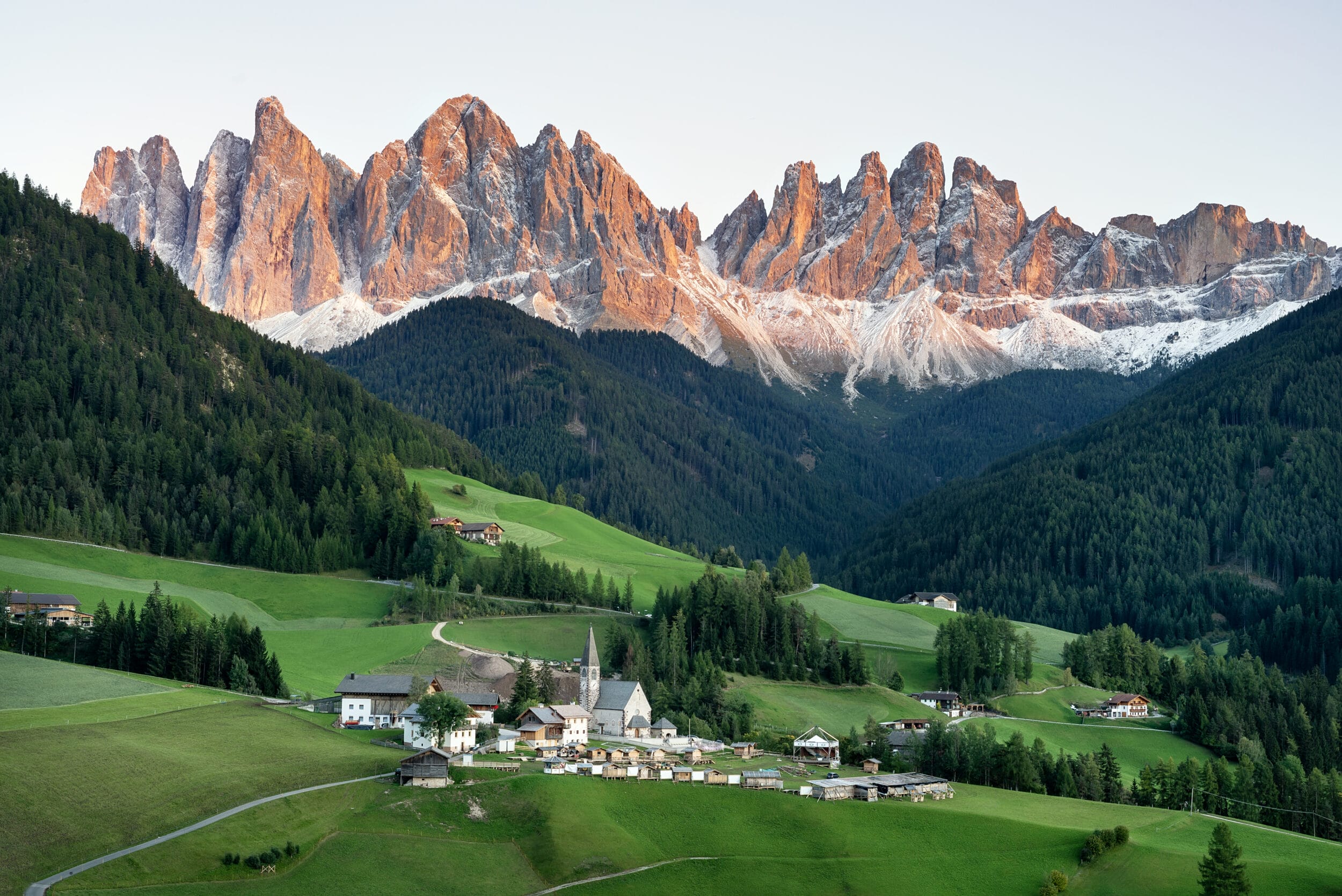
The Dolomites, Italy
With cool-climate escapes, culture-rich cities, wildlife destinations and slow-luxe Europe rising fast, these are the most compelling places to travel in 2026
After a year defined by cool-climate escapes, design-driven stays and a return to quieter, more meaningful travel, the momentum continues into 2026. Travellers are looking beyond the obvious – seeking destinations that offer depth, nature, culture and a true sense of place, whether through culinary discovery, architectural character or rare celestial moments. Drawing on leading 2026 forecasts from Abercrombie & Kent, Virtuoso, Lonely Planet, Skyscanner and Globetrender, these are the destinations shaping luxury travel in the year ahead.
‘Coolcations’ & Cosmic Escapes
Iceland
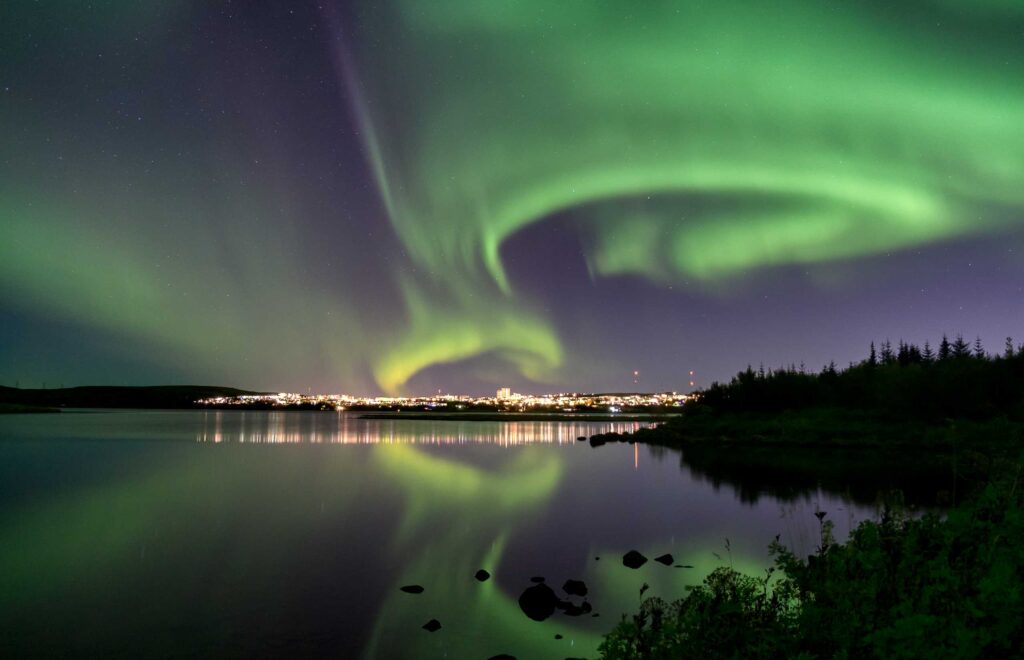
With adventure travel no longer the realm of adrenaline-junkies alone, far-flung destinations are increasingly in demand – and the rise of both the ‘coolcation’ and astrotourism trends make Iceland an obvious holiday choice. In 2026, Iceland is made even more compelling thanks to the 11-year peak of the solar maximum coinciding perfectly with a total solar eclipse across the country on 12 August. “Iceland has become the ultimate ‘phenomenon destination’ – travellers aren’t just seeking beautiful places, they want to witness rare natural events… The 2026 eclipse creates a once-in-a-lifetime astronomical tourism opportunity, whilst the solar maximum ensures the most spectacular Northern Lights in over a decade,” says Abercrombie & Kent’s 2026 destination forecast.
But if you do miss this big event, there’s plenty more to inspire awe through the rest of the year, from dramatic volcanic landscapes to pristine glacial lagoons. Complementing all this natural beauty is an alluring boutique hotel and dining scene, so there’s never been a better time to go.
Norway
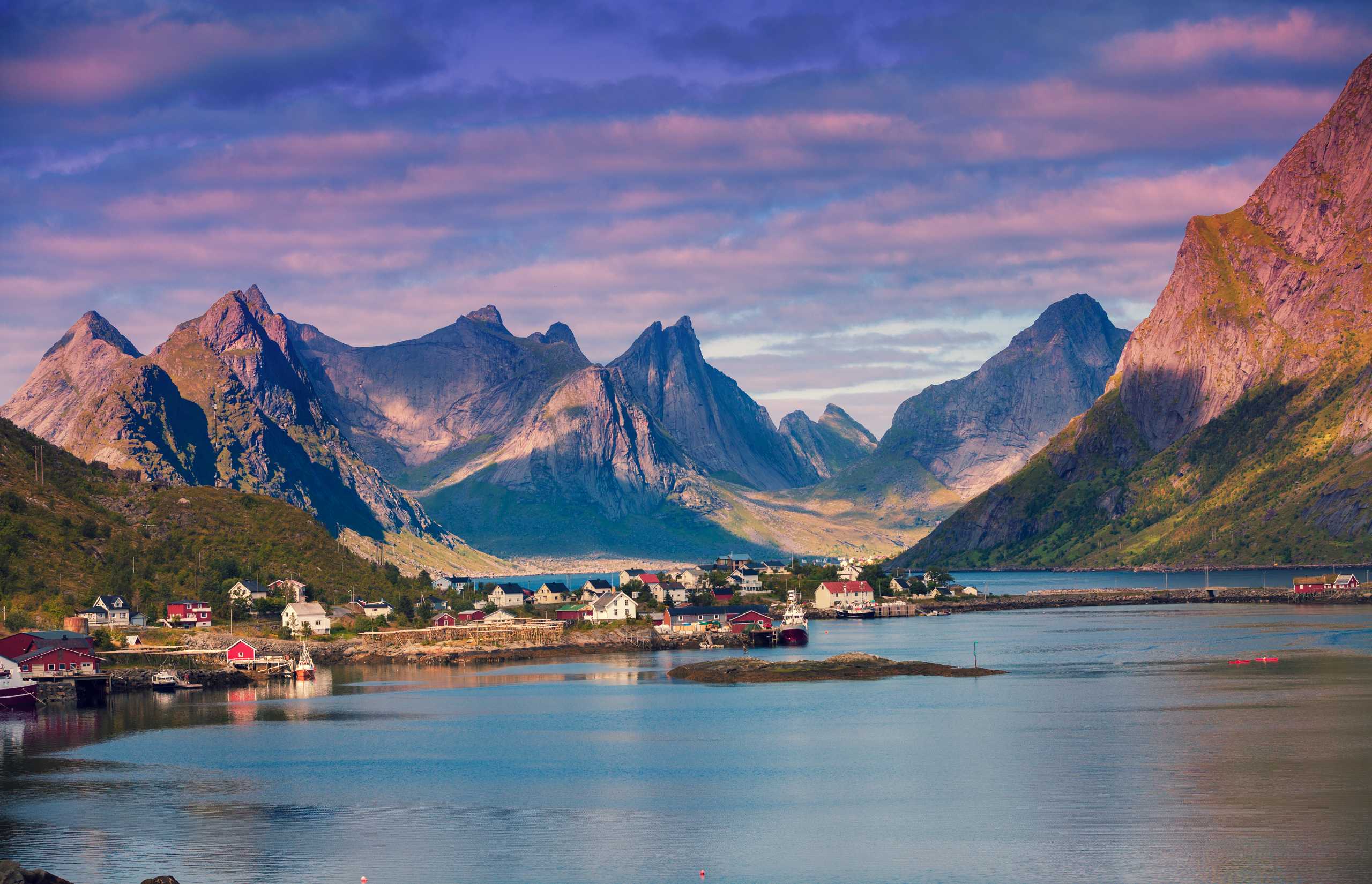
“The future of wellness is nature-driven, cold-climate, and ecosystem-immersive,” says Globetrender’s Brave New World report – so it’s no wonder interest in Norway has surged in recent years. Driven by the promise of breathtaking wilderness and contemporary Scandi appeal, Norway’s popularity is set to continue in 2026. Virtuoso’s Luxe Report pegs the country as a ‘coolcation’ destination on the up and up, with boutique operators such as UP Norway helpinging shape interest through itineraries centred on nature immersion and local customs.
“This is the home of ice therapy and cold-water swimming, wellness practices which are stitched into the fabric of society and everyday life in this region,” the report states. The luxury offering, too, hits the mark in the form of treehouse hotels and futuristic cabins nestled into spectacular wilderness locations. Like Iceland, Norway is ideally located for capturing the ‘peak aurora’ moment of the solar maximum. “But we’re also seeing a shift towards wellness-focused Arctic experiences – ice therapy retreats, midnight sun meditation, and biophilic design hotels,” says A&K’s forecast.
Finland
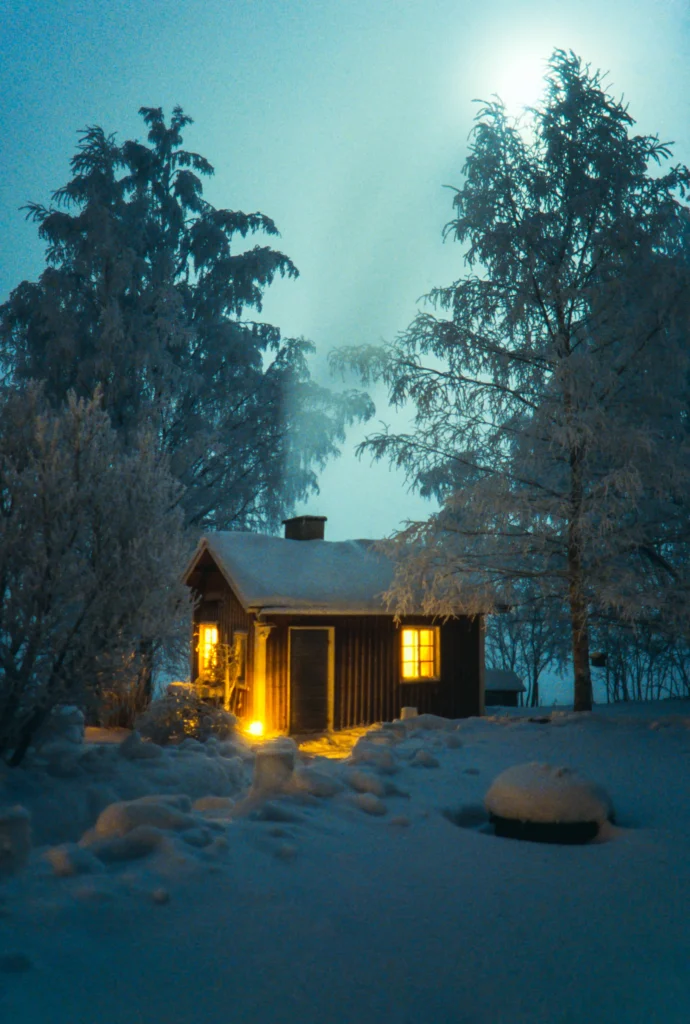
Rounding out the ‘coolcation’ trend, Lonely Planet’s Best in Travel 2026 list calls Finland the “best place for finding happiness in wild places” thanks to its patchwork of vast forests and pristine lakes – a mecca for forest bathing. Meanwhile, its dynamic capital, Helsinki, brims with impressive food, art and design scenes; and the northern city of Oulu has been newly named a European Capital of Culture. Finnish Lapland also continues to tick all the boxes for families, with sleigh rides, crackling campfires and even meetings with Father Christmas firmly part of the appeal.
Cultural Powerhouses & Design-Led Asia
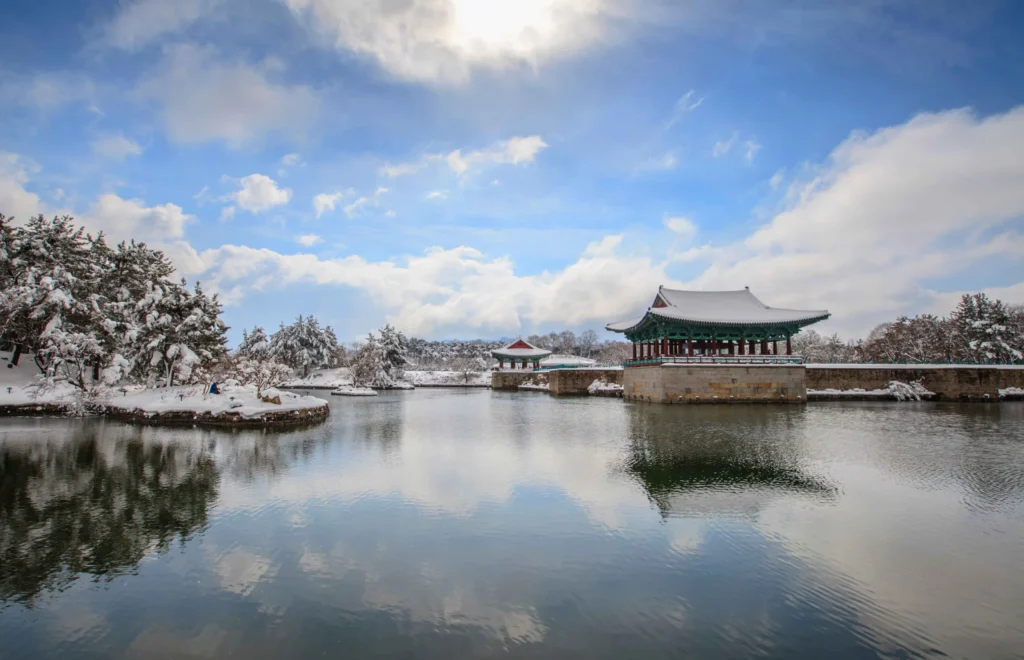
South Korea
Both distinctly modern and deeply rooted in tradition, South Korea speaks to travellers’ growing appetite for destinations where innovation and heritage sit side by side. Here, cutting-edge tech and fashion scenes, K-pop culture and an alluring culinary landscape intersect with centuries-old palaces and neighbourhoods still shaped by Confucian and Buddhist history. And with Australians flocking to Japan over the last two years, South Korea offers a cosmopolitan and far lesser-touristed alternative. A&K highlights the capital of Seoul, in particular, thanks to its improved accessibility: “We’re seeing an increased interest; travellers want to experience the authentic Korea behind the cultural exports. The city represents the new Asian luxury travel paradigm: hyper-modern yet deeply traditional, cosmopolitan yet uniquely Korean,” says the report.
Skyscanner’s trends report, meanwhile, highlights the increasing relevance of social media on destinations’ popularity, and the rise of beauty-led travel makes South Korea – globally renowned for its beauty industry – an easy decision. “In 2026, skincare and beauty routines will move beyond social feeds and into real-world travel behaviours… beauty becomes part of the itinerary,” it says.
Uzbekistan
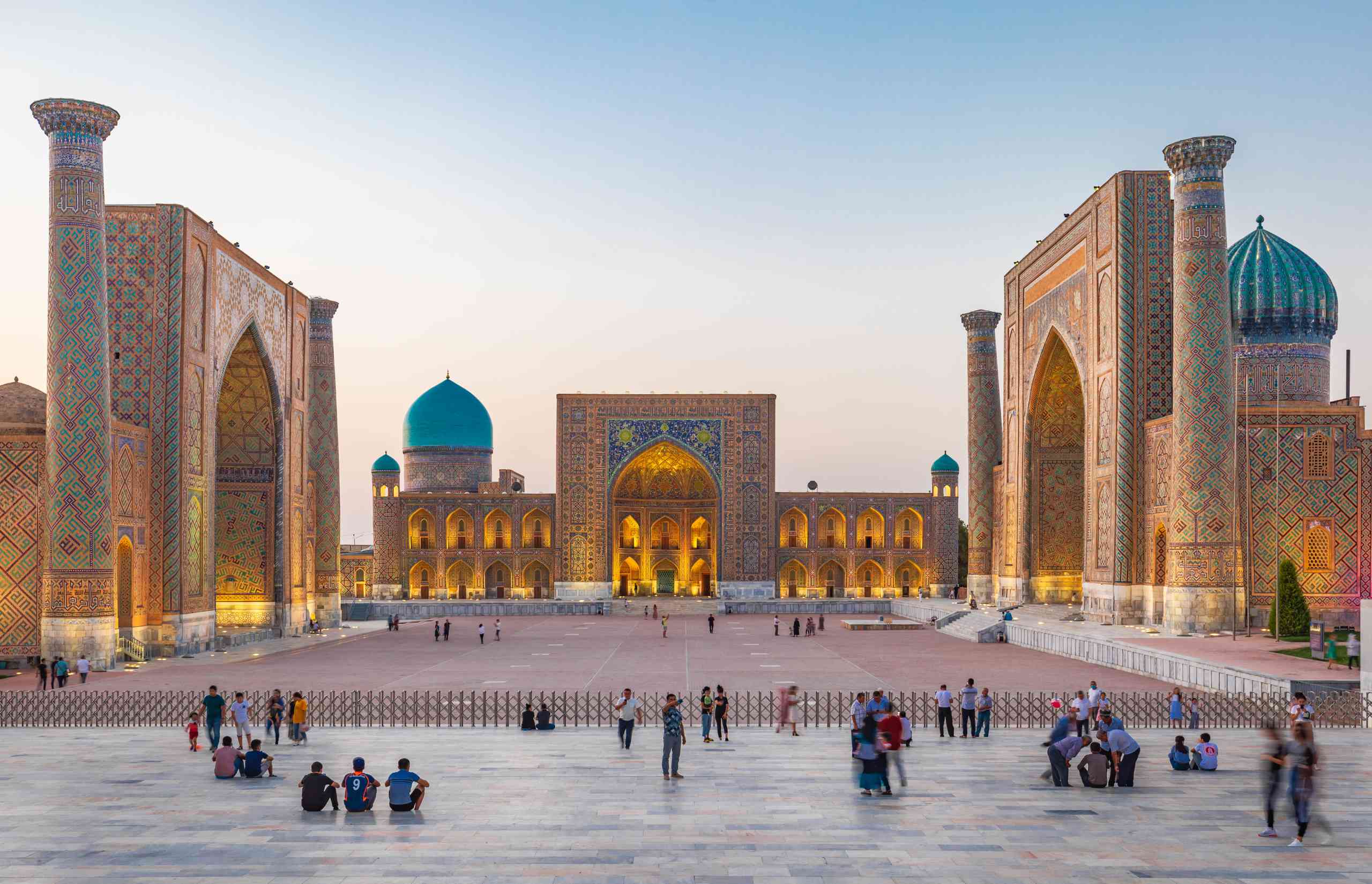
For a truly distinctive Asian journey, Uzbekistan makes a strong case. One of the great Silk Road nations, Lonely Planet says it “earns its place [on its 2026 travel list] thanks to its dazzling architecture, welcoming people and renewed focus on sustainable tourism.” It adds that “Uzbekistan is one of the most exciting destinations for travellers interested in architecture, design and ancient trade routes.”
With atmospheric old cities such as Samarkand, Bukhara and Khiva and opportunities to witness spectacular Islamic architecture such as blue-tiled mosques along with ancient squares and lively bazaars, Uzbekistan offers the type of unforgettable holiday that is deeply rooted in culture and place. Plus, with high-speed trains now linking Tashkent, Samarkand and Bukhara, exploring is easier than it’s ever been.
Nature, Wildlife & Conservation Journeys
Kenya
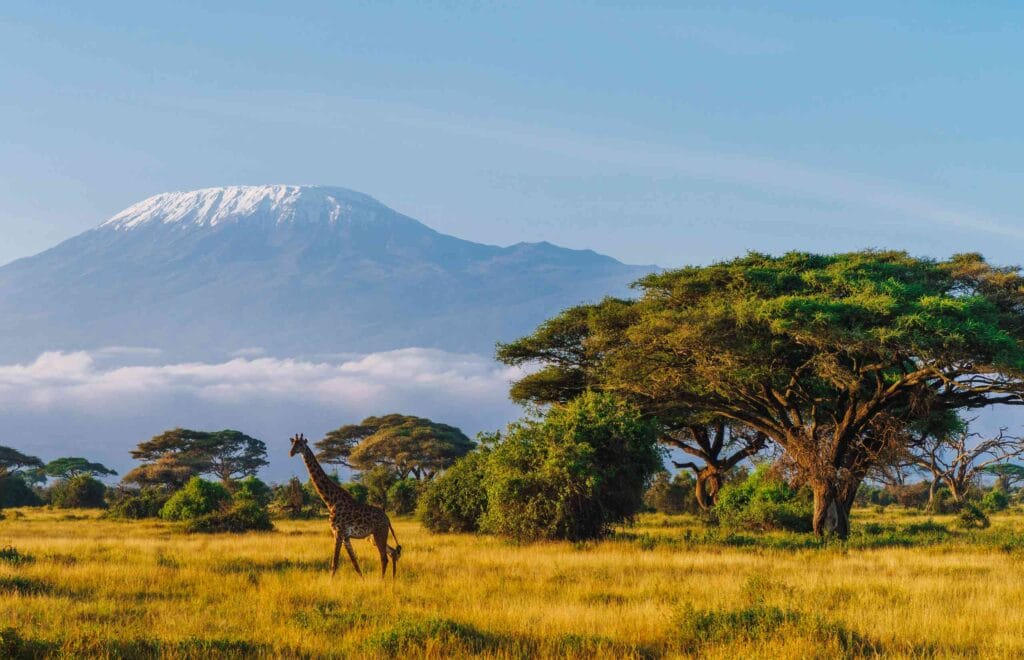
Leaders in luxury safaris, Abercrombie & Kent, have spotlighted Kenya as an ideal multi-gen holiday destination for 2026, but with a twist: “In 2026, travellers seeking a fresh perspective should look to Amboseli National Park, which enjoys near mythic status among wildlife lovers, thanks to its position in the shadow of Mount Kilimanjaro, the particular grandeur of its landscape and the vast herds of elephants that inhabit it.” The conservation-focused brand also has new luxury lodge openings in the pipeline, with Kitirua Plains Lodge, an A&K Sanctuary opening mid-year within a 128-acre private concession and featuring just 13 organic standalone suites.
Sister-lodge Olonana in the iconic Maasai Mara and Tambarare Camp in Ol Pejeta Conservancy – where the last two remaining northern white rhinos on earth reside – round out the A&K Sanctuary circuit in Kenya and deliver large on diverse ecosystems and rich cultural heritage. “We’re witnessing the emergence of ‘legacy safaris’ – multigenerational groups seeking transformative wildlife encounters that blend meaningful conservation work with solid safari experiences,” says A&K’s forecast. “Kenya remains the gold standard, with families now extending stays to include hands-on conservation alongside traditional game drives, creating deeper emotional connections to wildlife preservation.”
Botswana
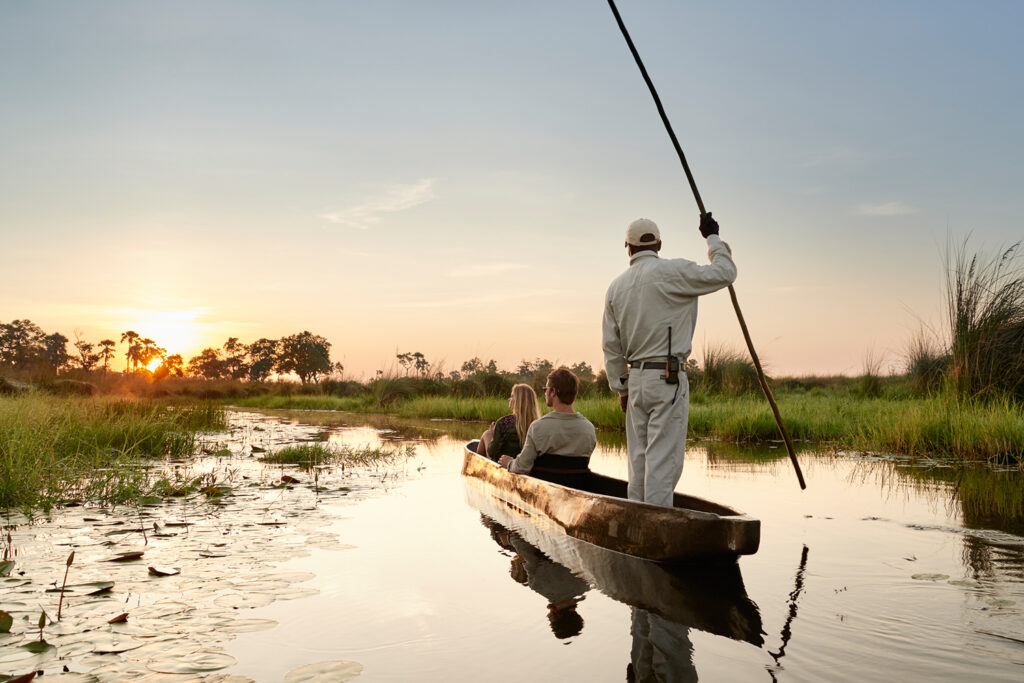
Botswana’s Okavango Delta also makes A&K’s 2026 list thanks to its pristine wetlands, private concessions and remote, water-based safari experiences. “More than ever, couples are seeking escapes that feel deeply personal, wildly romantic and decidedly off the grid,” says A&K’s report. “And there is no better embodiment of that than Botswana’s Okavango Delta.” The destination delivers in spades with its untamed wilderness and exclusive lodges that blend understated luxury with complete seclusion, such as recently revamped A&K Sanctuary, Baines’ Lodge. Set at the edge of Moremi Game Reserve on the Boro River on a private 260,000-acre concession and with just six newly rebuilt suites situated above the floodplains, this is one of Africa’s most remote and exclusive safari experiences.
Costa Rica
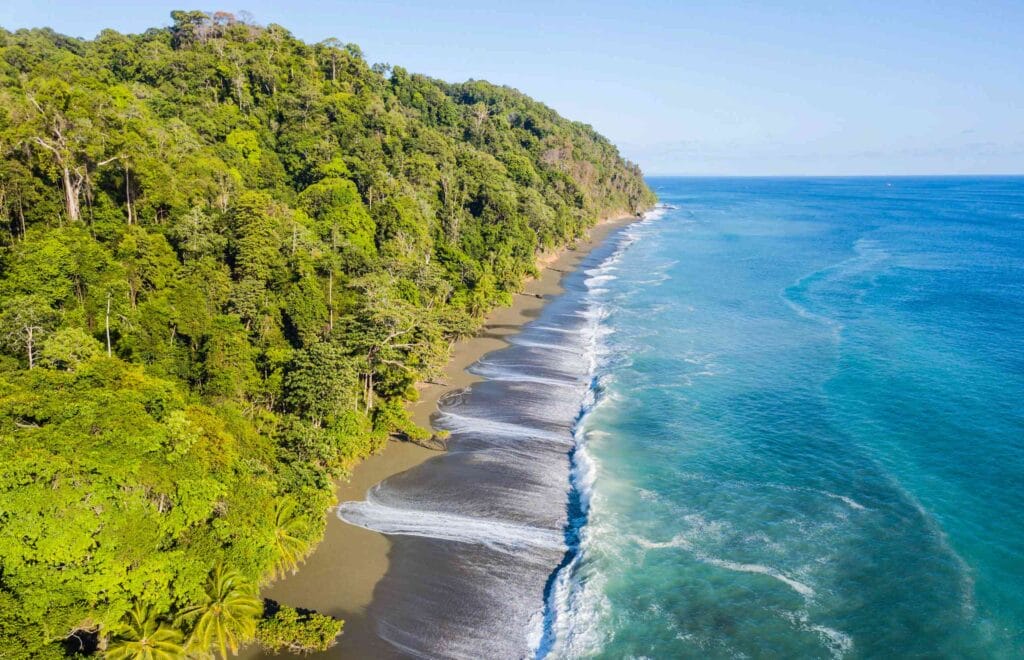
For travellers seeking nature at its most immersive, Costa Rica’s Osa Peninsula stands apart. Often described as one of the last true frontiers of eco-luxury adventure, this remote corner of the country is home to Corcovado National Park, often cited by scientists as one of the most biologically intense places on Earth. Nearly three per cent of the planet’s species are found here – from jaguars and tapirs to scarlet macaws and all four of Costa Rica’s monkey species – making the region a dream for wildlife lovers who want raw nature without sacrificing comfort.
As Costa Rica’s more familiar hotspots continue to draw crowds, the Osa remains blissfully harder to reach, accessible by boat or small domestic flights, which is why it is often described as the epitome of “last frontier luxury”: a place that feels genuinely undiscovered. For travellers craving nature-led renewal, 2026 is the year to go.
Slow Luxe & Timeless Retreats
The Dolomites, Italy
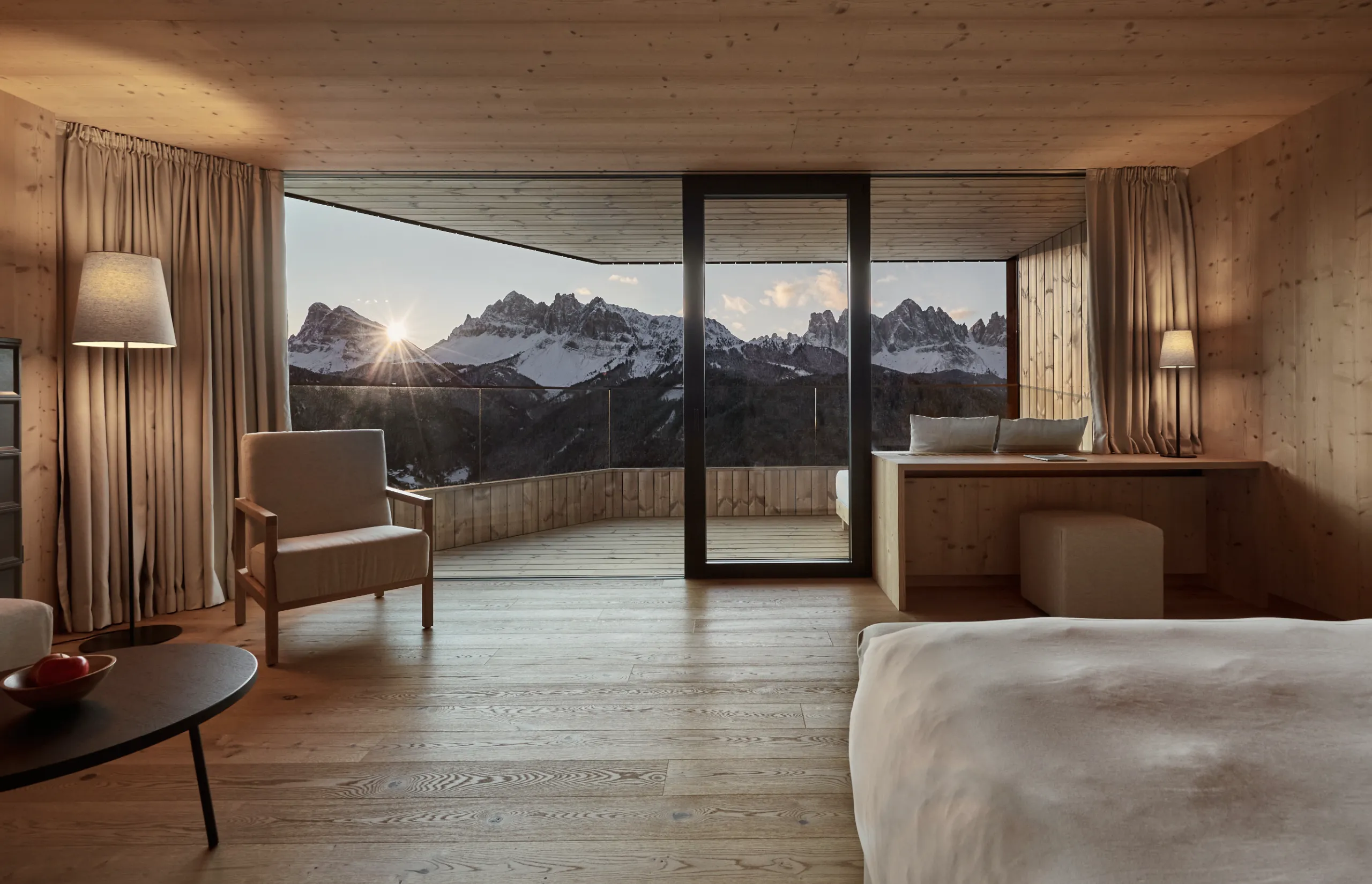
Skyscanner’s Travel Trends 2026 report states “76 per cent of global travellers are considering or planning a mountain escape for summer or autumn 2026” – and not just for the ski slopes, but for serenity. Enter The Dolomites, fresh from hosting the 2026 Winter Olympics, upgraded by new infrastructure and yet blissfully free of peak-event crowds. Across the region, design-forward hotels are helping reshape the luxury offering – such as Aman’s Rosa Alpina, COMO Alpina Dolomites and Forestis – and the destination speaks perfectly to the move towards high-altitude, wellness-led and nature-immersed European escapes. As Abercrombie & Kent notes, the Dolomites are “the perfect post-Olympic opportunity – all the infrastructure benefits without the crowds or inflated prices.” Together, these forces place the Dolomites firmly at the centre of Europe’s slow-luxe momentum for 2026.
Slovenia
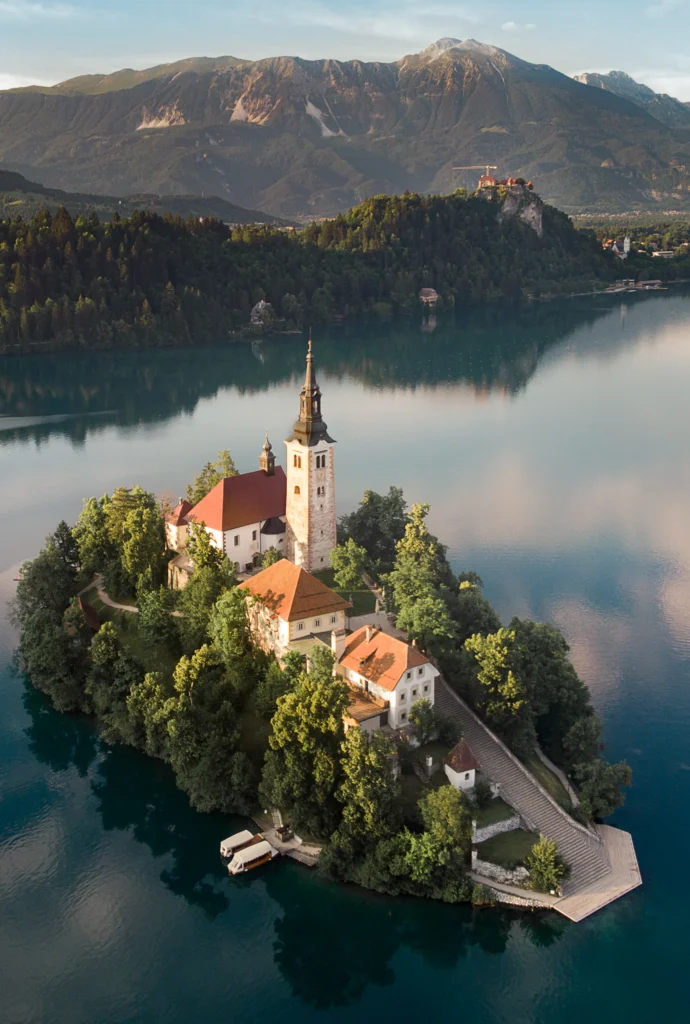
In keeping with the increased appetite for slow luxury travel, compact, culturally rich and remarkably diverse, Slovenia is the perfect antidote to Europe’s overtouristed destinations. From the still waters of Lake Bled and the vineyard-lined Vipava Valley to the wild beauty of Triglav National Park, the country delivers effortless immersion in nature without compromising on sophistication. A new generation of design-driven boutique stays – including Chalet Sofija and Vila Muhr – is elevating its luxury credentials, while its pioneering culinary scene, led by figures such as chef Ana Roš, continues to draw global attention. With travellers increasingly seeking authenticity, wellness-led escape and meaningful connection to place, Slovenia and its capital, Ljubljana, epitomise the slow-luxe movement.
Mallorca, Spain
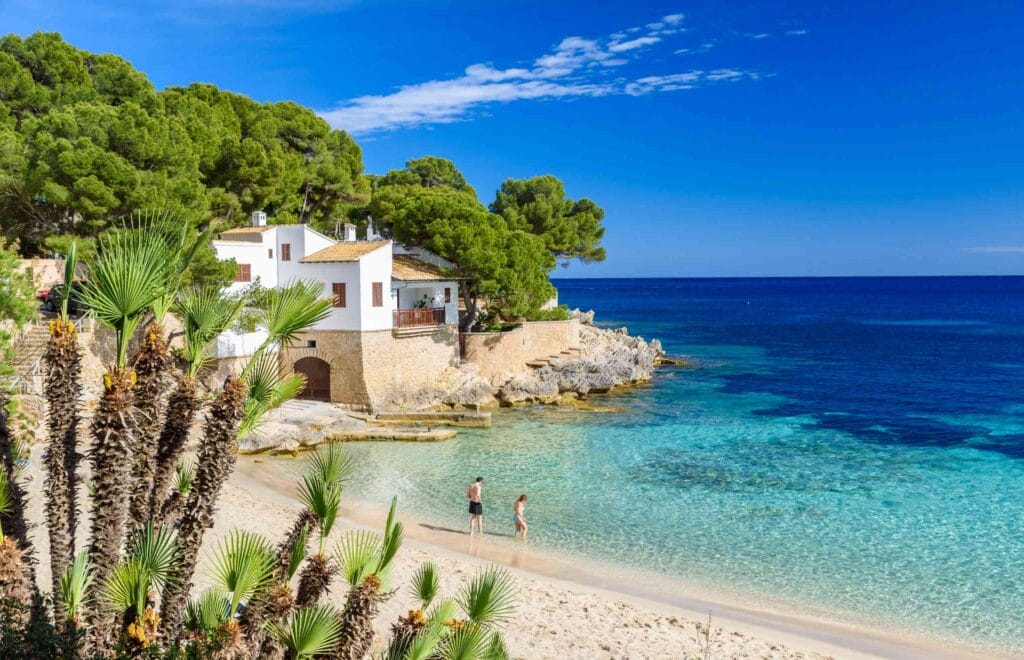
Long loved for its Mediterranean ease, Mallorca is undergoing a quiet evolution that reflects the broader move toward slower, more sensory European travel. A wave of restored fincas and design-conscious boutique hotels – from creative, food-led projects like Hotel Corazón to refined rural estates such as Son Bunyola and Can Ferrereta – is reshaping its luxury landscape, offering refined simplicity in place of traditional beach-resort expectations. The island’s mountain-meets-sea scenery aligns naturally with the desire for nature-led European escapes highlighted across several 2026 forecasts, and A&K notes that Mallorca is emerging as one of Spain’s most appealing year-round luxury destinations. Adding to its 2026 relevance, the island sits directly beneath the path of the 12 August total solar eclipse, giving travellers the rare chance to pair a Mediterranean getaway with a once-in-a-generation celestial event.
Latest Articles
Don't miss the latest from Luxury Travel