
FUFU Tokyo Ginza: The luxury ryokan Ginza’s shoppers walk straight past

lodges

Places we've
stayed
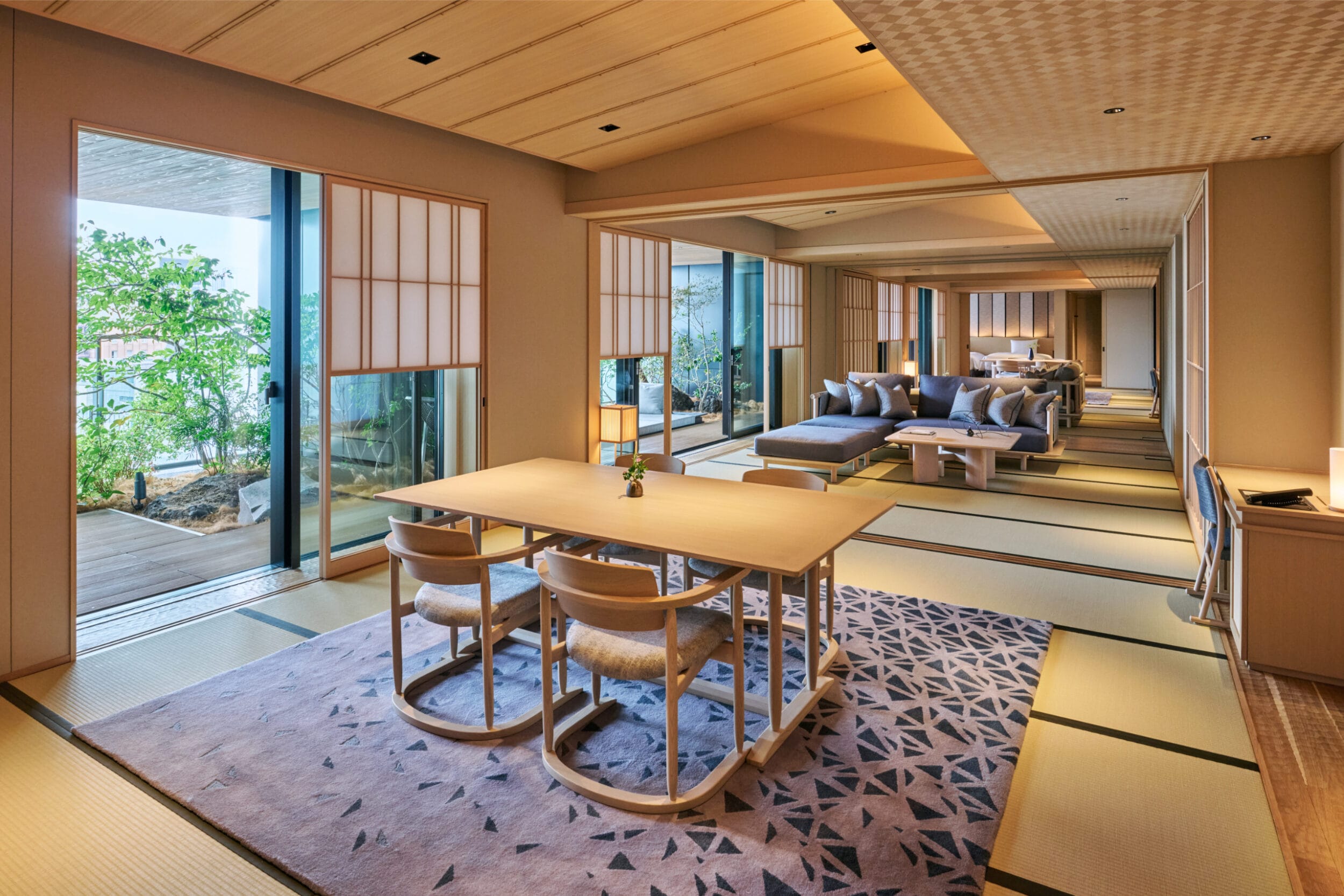
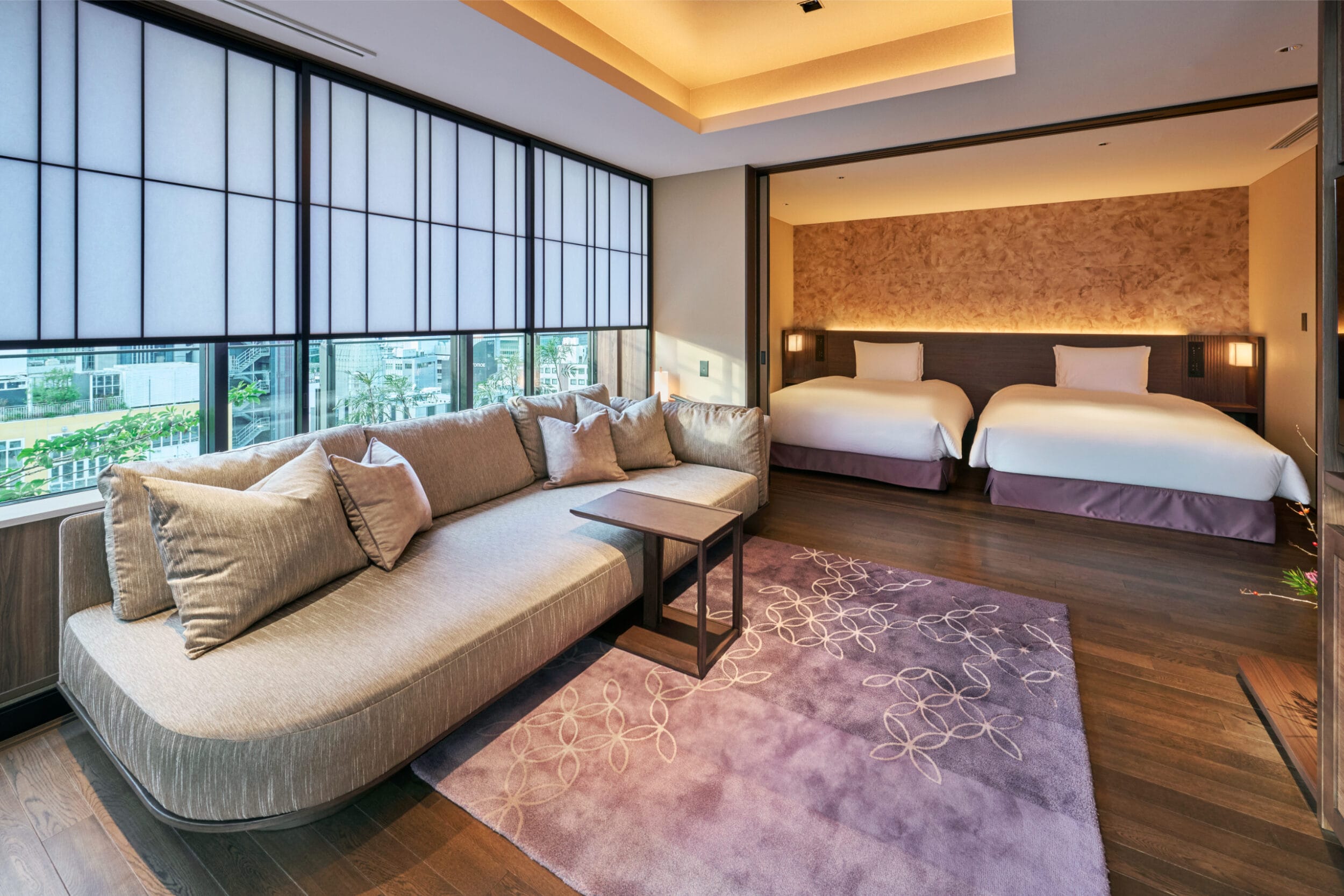
FUFU Tokyo Ginza’s residential-style suite. Photography courtesy of FUFU Tokyo Ginza.
Inside the Hulic Ginza Building, past a bamboo-lined passage and washi-paper partitions, FUFU Tokyo Ginza offers 34 suites filled with hot-spring water transported daily from Atami. The property earned a Michelin Key in its first year – and remains, deliberately and discreetly, unlike anything else in Tokyo
On my first two returns to FUFU Tokyo Ginza, once after a post-dinner walk and again the next morning, I walk 30 steps past the entrance before realising my mistake. An Amazon Japan delivery driver fares no better, giving up after two attempts to deliver my order.
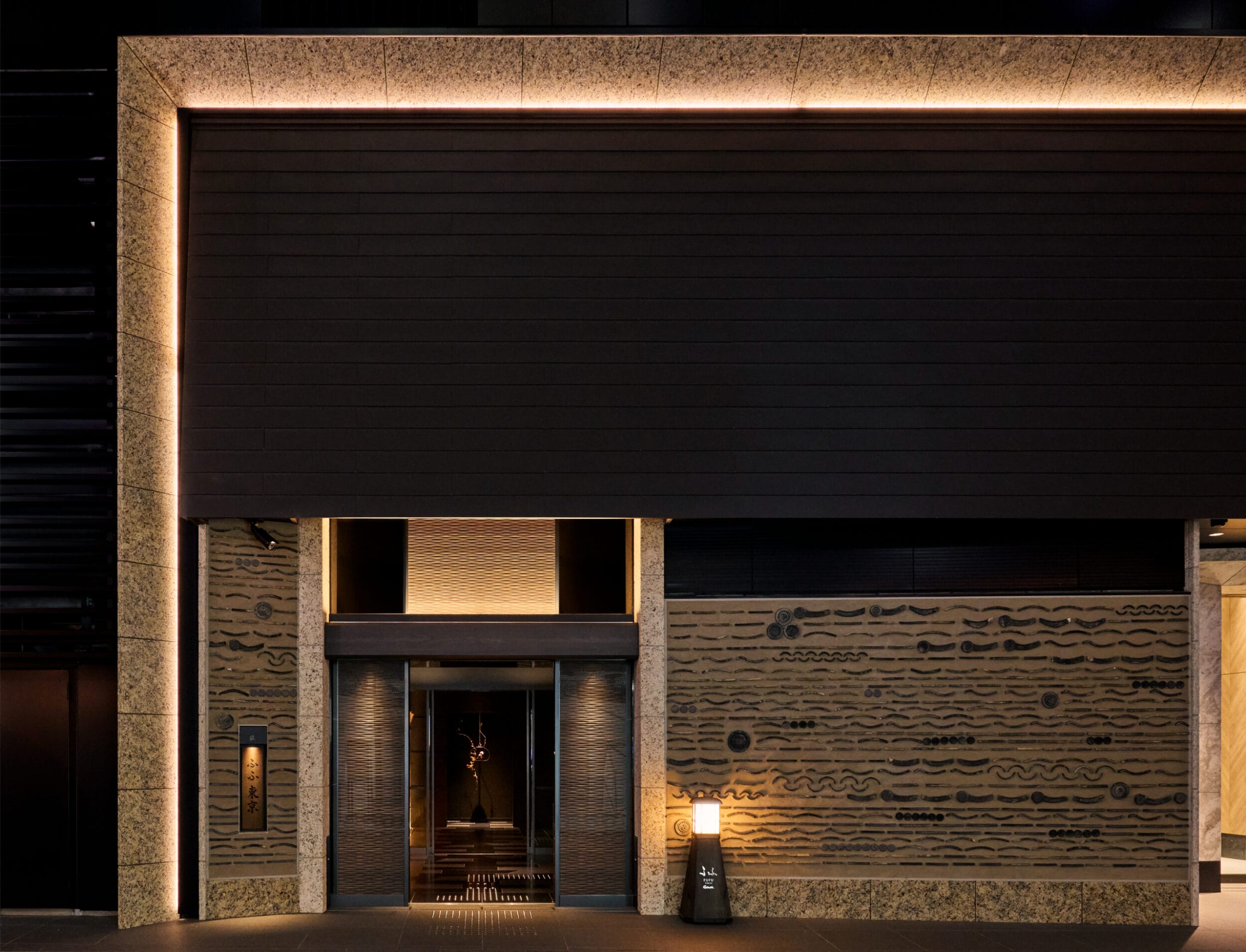
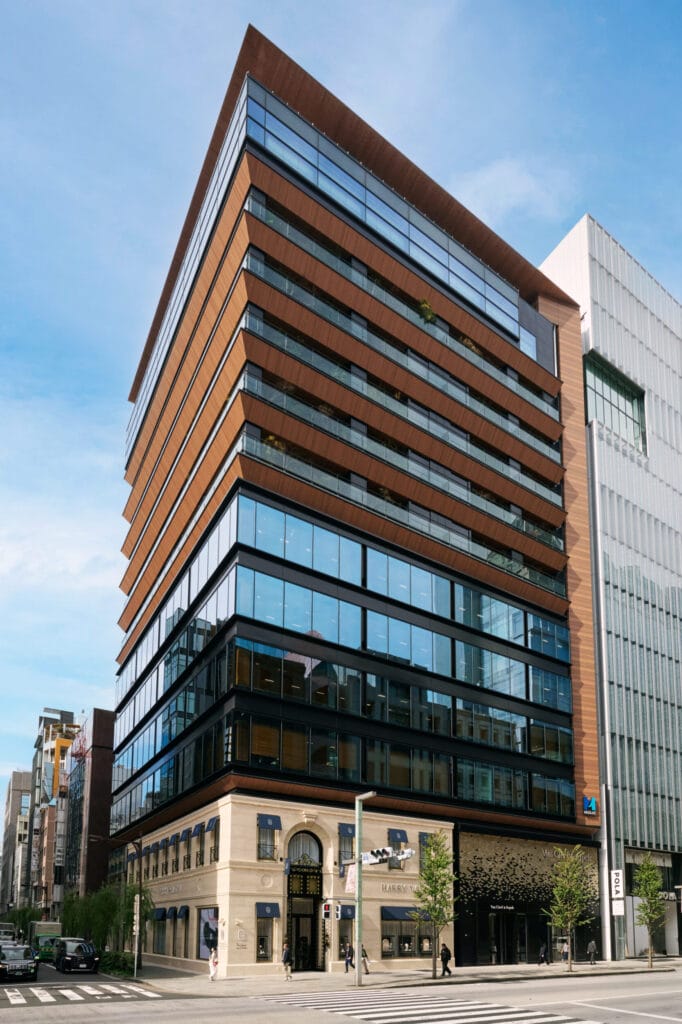
Blink and you’ll miss the entrance. For a five-star hotel recognised in TIME’s World’s Greatest Places of 2026 and awarded one Michelin Key just months after opening, FUFU Tokyo Ginza is surprisingly low key. Located just off Ginza’s main shopping boulevard, near Harry Winston, the hotel appeals to travellers who like to spend their days splurging at Chanel, Bvlgari and Louis Vuitton but want privacy when they return.
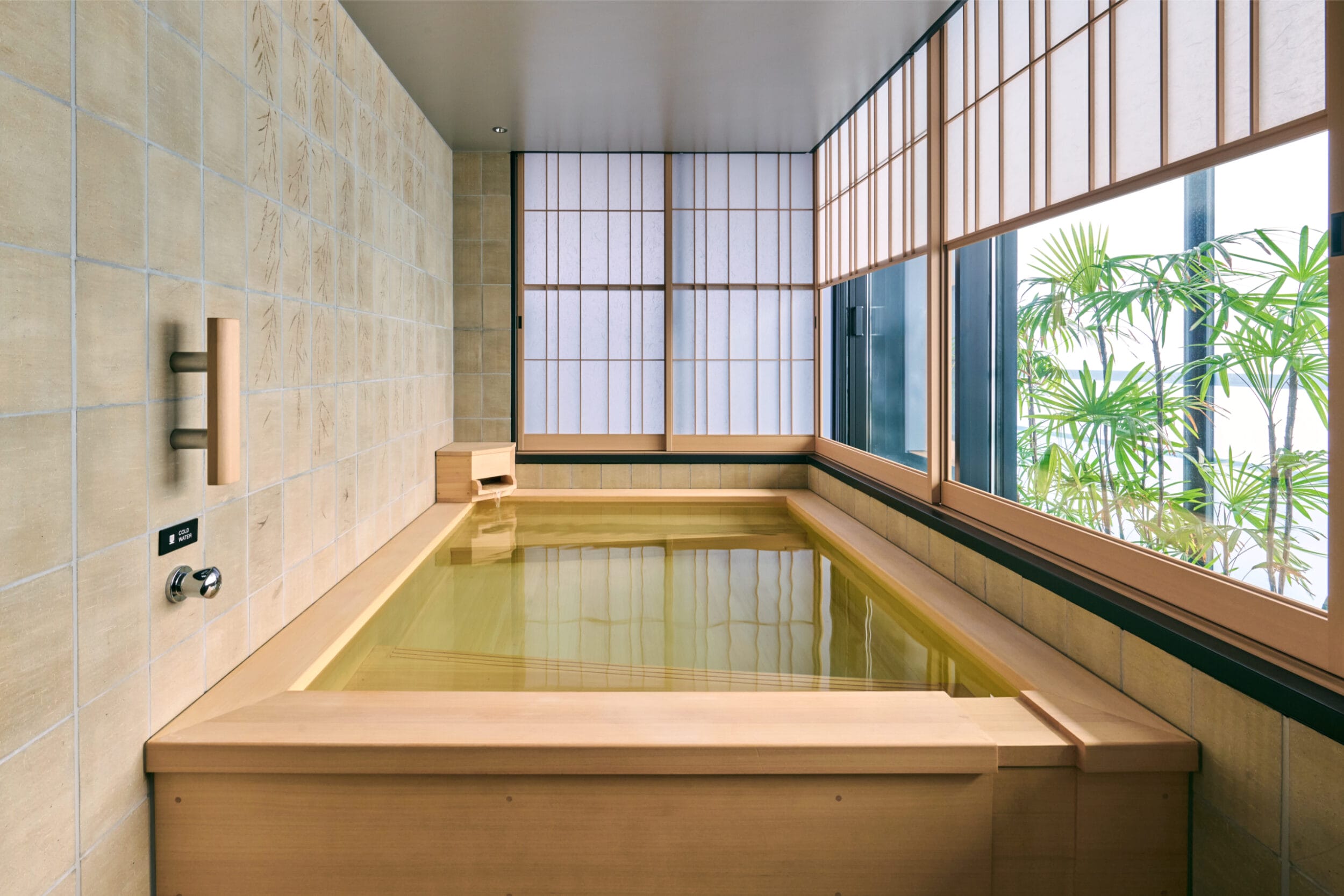
Seclusion is scarce in a metropolis of 14 million people, and the hotel offers plenty of it. Its suites evoke an onsen ryokan, with private baths filled with hot-spring water transported from Atami.
Discretion at Check-in
Fortunately, the hotel had asked for my expected arrival time and was ready to receive me. Without the two doormen outside, I might have missed the entrance on my first visit too. Incorporating traditional roof tiles and soil excavated from the site, its greyish-brown walls blend into the façade of the Hulic Ginza Building, which houses the hotel. A dimly lit, bamboo-lined passage leads to the lifts. Reception is on the 12th floor, with rooms on floors seven to 11.
Furnished in shades of biscuit and cream, the lobby is rather small. A retail corner displays Edo Kiriko glassware and other crafts, small-batch snacks and house-branded toiletries. Yet even at the busy check-in hour, it doesn’t feel crowded. I hear other guests but barely see them. Each party is attended to in a separate alcove behind washi-paper partitions.
From nearby conversations, I pick out Taiwanese-accented Mandarin, mainland Chinese Mandarin and Cantonese. Later, I share a lift with an American couple. The staff are similarly international – several from Taiwan and Hong Kong, one from Mexico – and many speak three languages, including English.
Clearly, the hotel is well equipped to look after overseas guests, despite FUFU being better known among Japanese travellers. Developed and managed by Kato Pleasure Group, in partnership with property owner Hulic, the brand is known for secluded hot-spring retreats in places such as Atami, where it began, Hakone and Kawaguchiko. Its first city-centre hotel offers international visitors an introduction to the brand.
Inside the Suites
With just 34 rooms across 11 categories, FUFU Tokyo Ginza is reportedly almost always fully sold. I am lucky to secure a room at the last minute.
Although described as suites, most rooms are open-plan, without separate living and sleeping quarters. In my 64-square-metre Comfort Suite, a sliding shoji screen divides the beds from the sitting area. Rooms start at 55 square metres. At the top end, the FUFU Luxury Premium Suite, of up to 163 square metres, offers sweeping views through floor-to-ceiling windows.
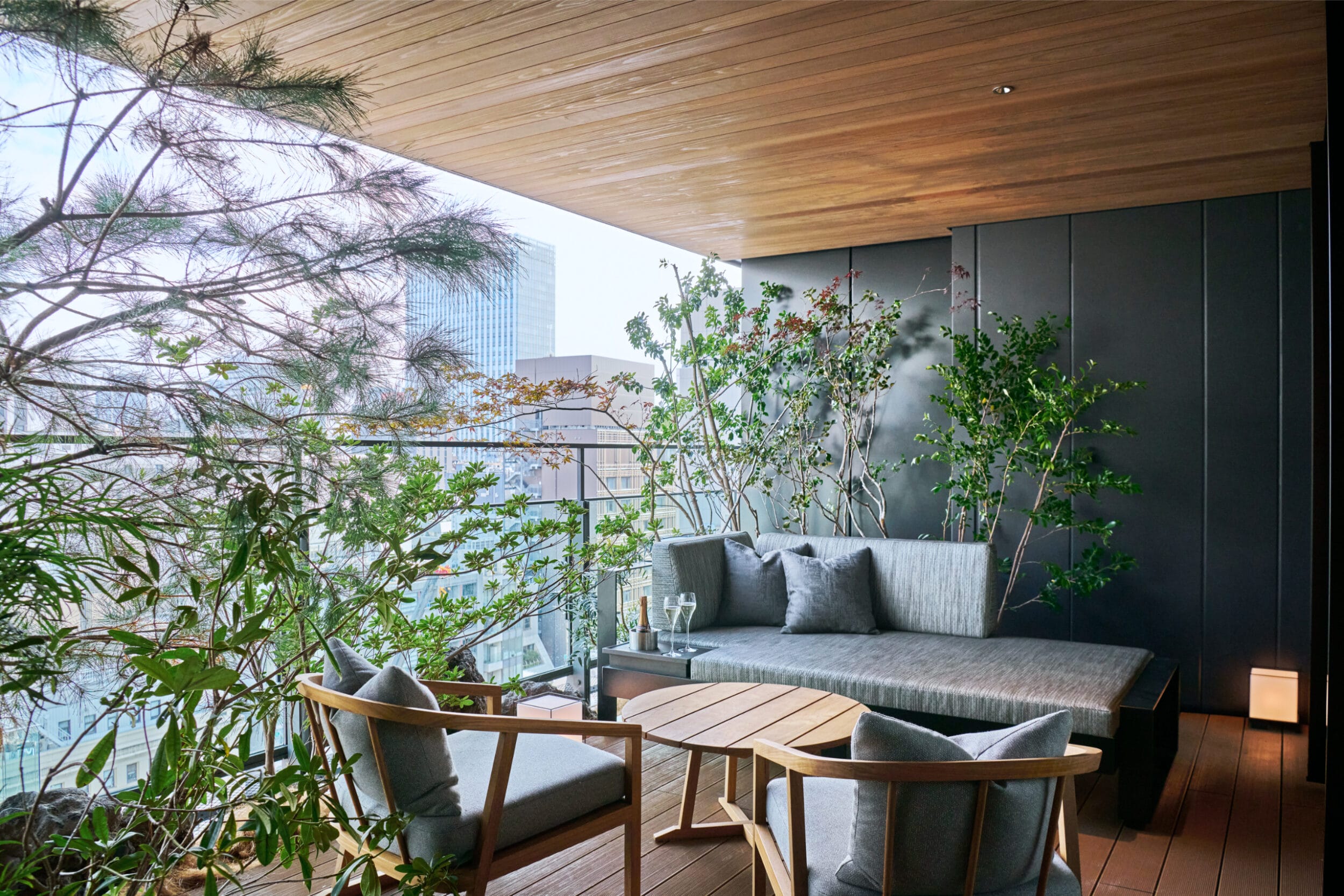
Furnished in neutral shades and pale wood, my suite opens onto a landscaped balcony with plants, pebbles and a deck chair overlooking Ginza. Shoppers below might spot me lounging in my FUFU-supplied samue, the two-piece outfit traditionally worn at ryokans, but that’s part of the pleasure. How many visitors to Tokyo have such a view from their own balcony?
In the bathroom, a Japanese cypress tub is filled with mineral-rich water from Atami. A separate shower area with a low stool lets guests wash before soaking, as Japanese custom requires.
One detail delights me: the toiletries are labelled in large lettering. No more dashing out of the shower, dripping wet, to fetch my reading glasses so I don’t wash my hair with shower gel – an increasingly common hazard since I reached a certain age.
Food and Drink
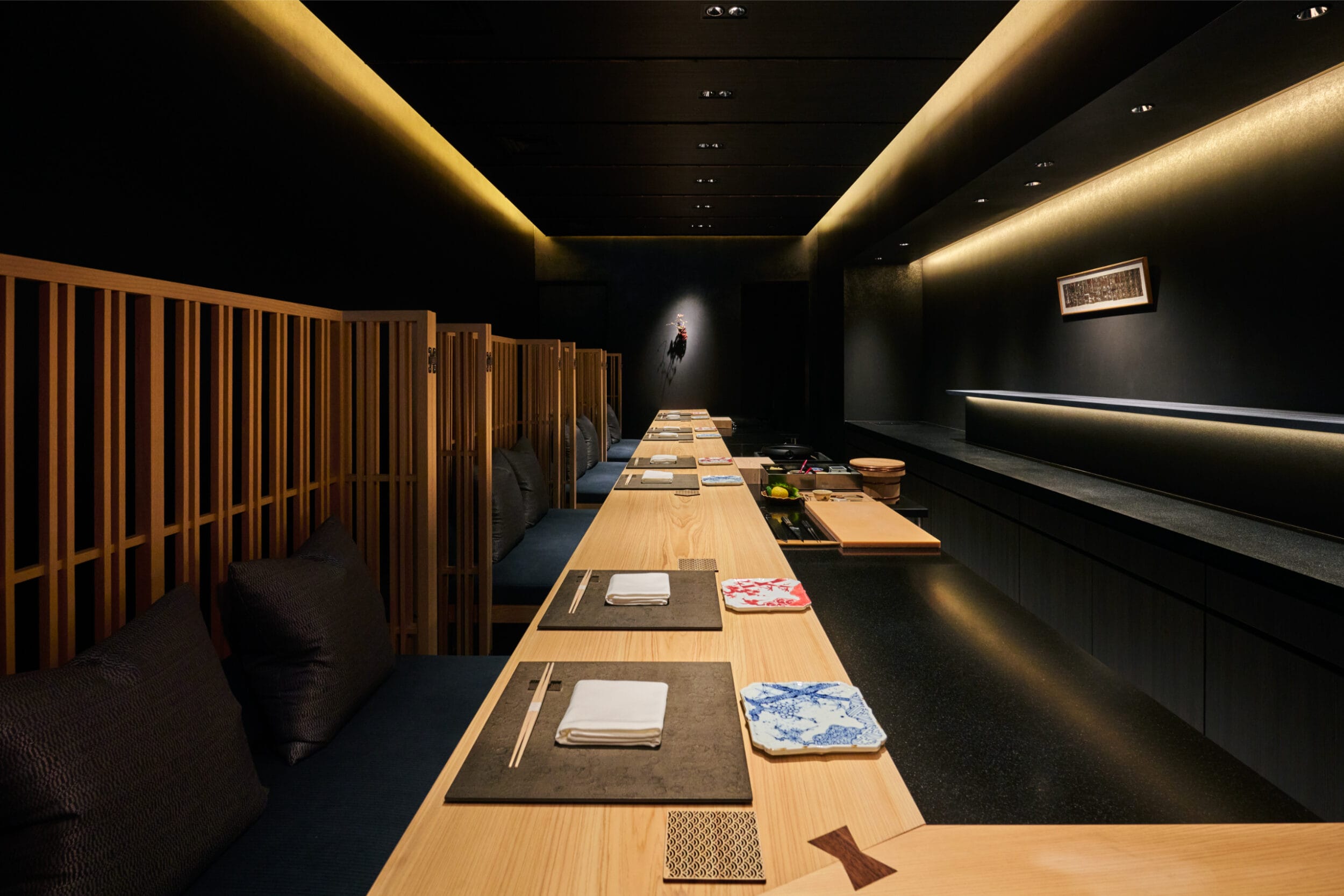
Dining is private, too – at Ginza Gayu, each party has their own room.
Dinner, overseen by executive chef Haruhiko Hoshino, is kaiseki, a traditional multi-course meal built around seasonal ingredients and served on ceramics that are also changed with the seasons. Ingredients come from Toyosu Market, which brings in seafood from across Japan, so diners can sample some of the archipelago’s finest catch.
A highlight of my dinner is the longtooth grouper from Shizuoka Prefecture, at its sweetest in late summer. Lightly perfumed with sake, the fish is delicate and sweet, with a gentle crunch from water shield and a subtle lift from sansho pepper leaves.
I opt for the wine and sake pairing. My grouper goes beautifully with Nichinichi Yamada Nishiki 2024, from Nichinichi Jozo in Kyoto’s Fushimi district. Sushi enthusiasts can opt for the subterranean eight-seat Sushi Ginga, where adjustable screens between diners allow for privacy or a more sociable experience.
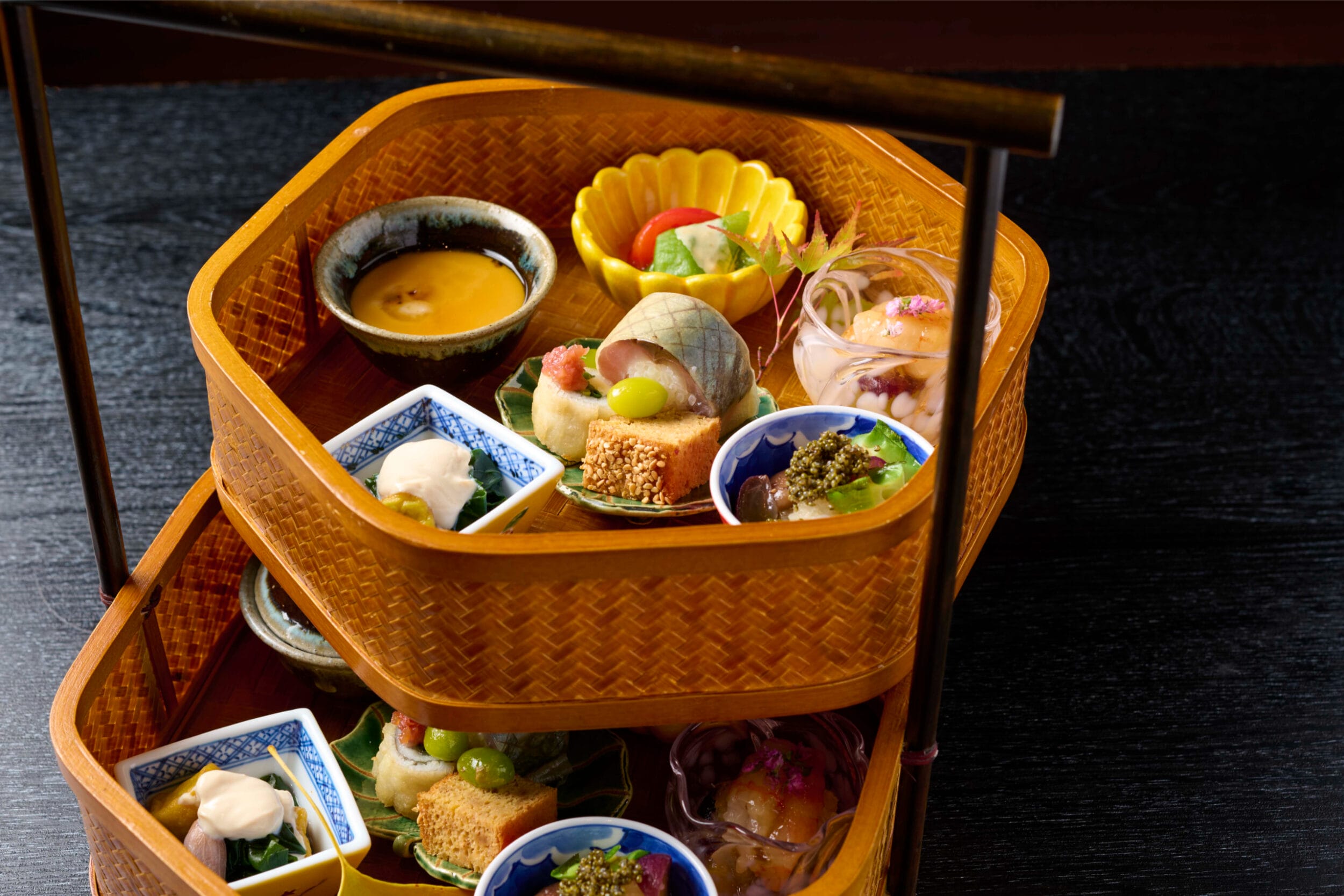
Breakfast the next morning is equally exquisite. The first few courses arrive in a lacquered box resembling a jewellery case. Even the pot-cooked rice comes with a story: it is Mukawa rice from Yamanashi Prefecture, grown at the foot of the Southern Alps in an area that once supplied rice to the shoguns.
Wellness and Sustainability
There is no spa, though in-room shiatsu massages can be arranged. Wellness centres on the hot-spring baths.
Learning that the water is transported daily from FUFU Atami, about 90 minutes away by car, I ask a staff member about its carbon footprint. She explains that onsen bathing is fundamental to FUFU’s identity, even in Tokyo. She doesn’t address the emissions from transporting it, but tells me Atami’s springs produce more than the resort can use, so the water sent to Ginza would otherwise go to waste.
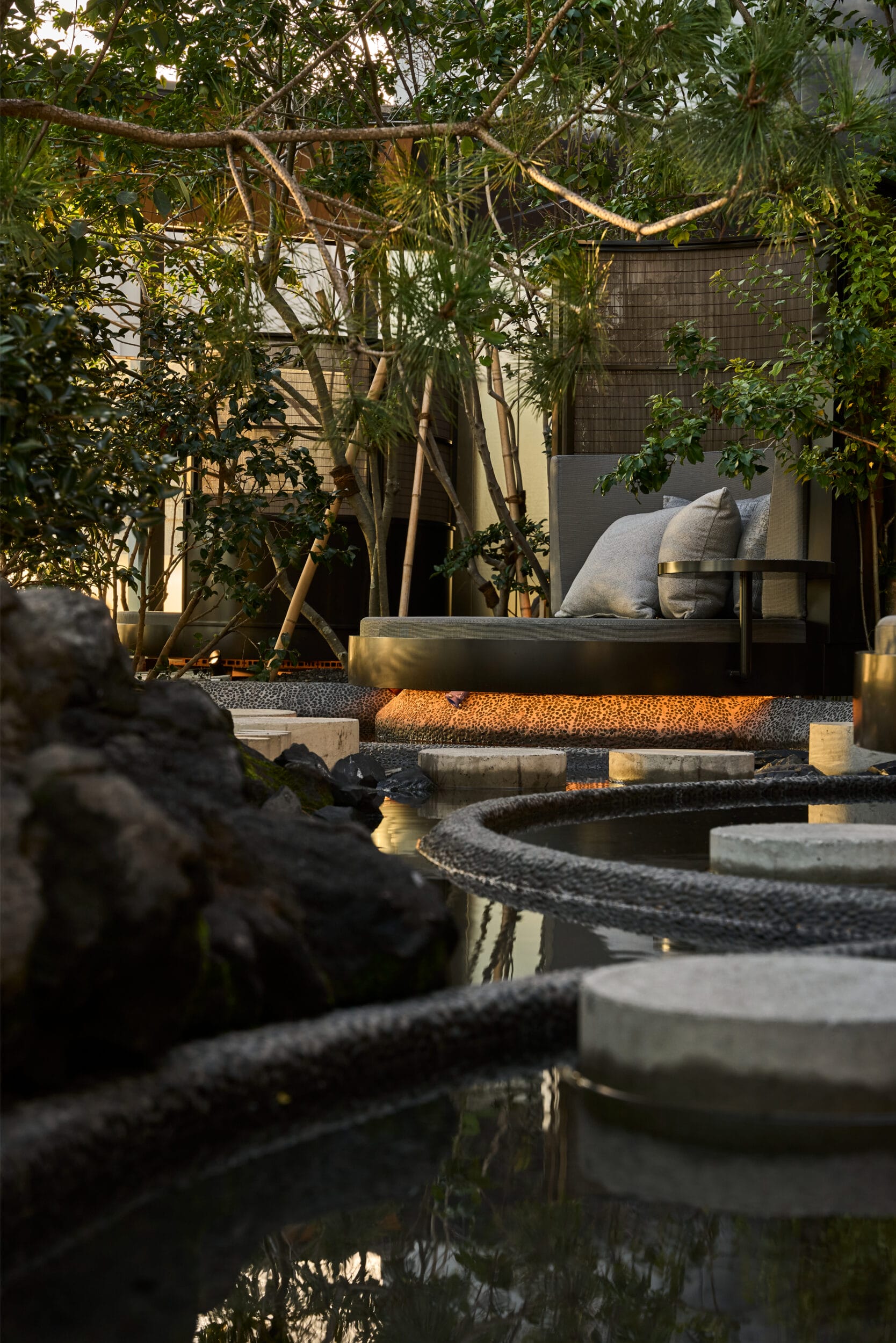
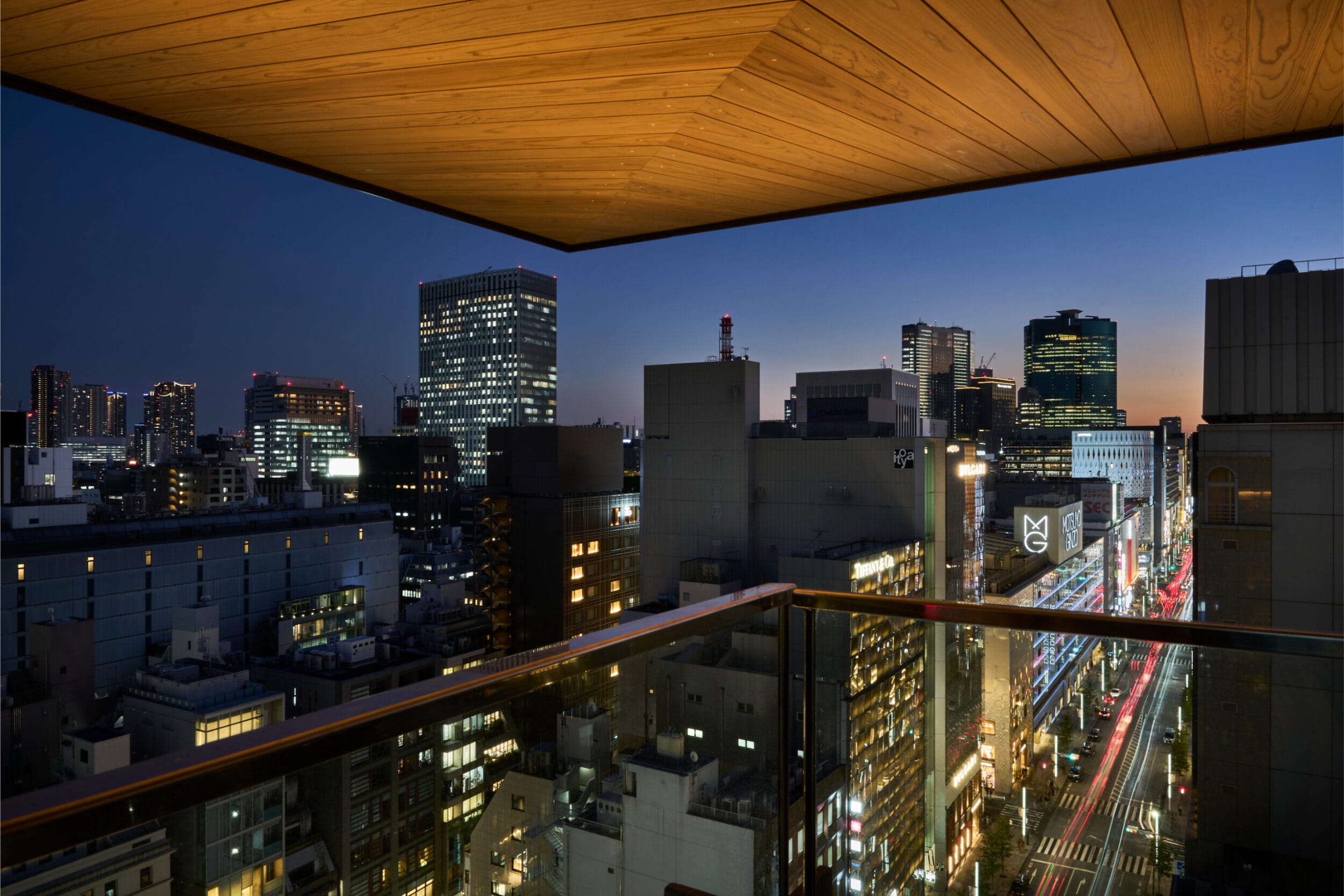
On the rooftop, Yusora, the hotel’s open-air footbath lounge, overlooks Ginza. High-backed cabanas shield guests from one another, blankets are provided in colder weather, and complimentary wine, beer and sparkling yuzu soda are served in the late afternoon. From a corner of the terrace, I get a bird’s-eye view of Ginza’s busiest crossroads – the same view guests enjoy from the Luxury Premium Suites.
Omotenashi, but Warmer
Omotenashi, the Japanese philosophy of wholehearted hospitality, has become such a marketing buzzword that it risks losing its meaning. Japanese service is often impeccable, but its formality can feel distant, even rigid. I once arrived 10 minutes late for dinner at a ryokan and was left in little doubt, from the staff’s stiff expressions, that my tardiness was not appreciated.
At FUFU Tokyo Ginza, however, the staff are friendly, happy to chat and refreshingly flexible.
Used to working at a proper table rather than hunched over my laptop on the coffee table in my room, I head to the lobby one afternoon in search of somewhere suitable. A staff member notices and ushers me into one of Ginza Gayu’s dining rooms, officially shut between meal services.
She offers me tea and, when I mention that the room is cold, a blanket.
I would gladly return. And yes, I soon learn to turn in before I pass Harry Winston on the main boulevard. Next time I will also specify the 12th floor in my Amazon Japan order.
Notes:
Rooms at FUFU Tokyo Ginza start at ¥115,000 (approximately A$1,040) per night for two guests, excluding meals and local taxes. fufutokyo.jp
Latest Articles
Don't miss the latest from Luxury Travel