
Multiple Regions Art & Culture, Beaches, Cities, Countryside
The Design Edit: Inspiring new spaces in luxury travel
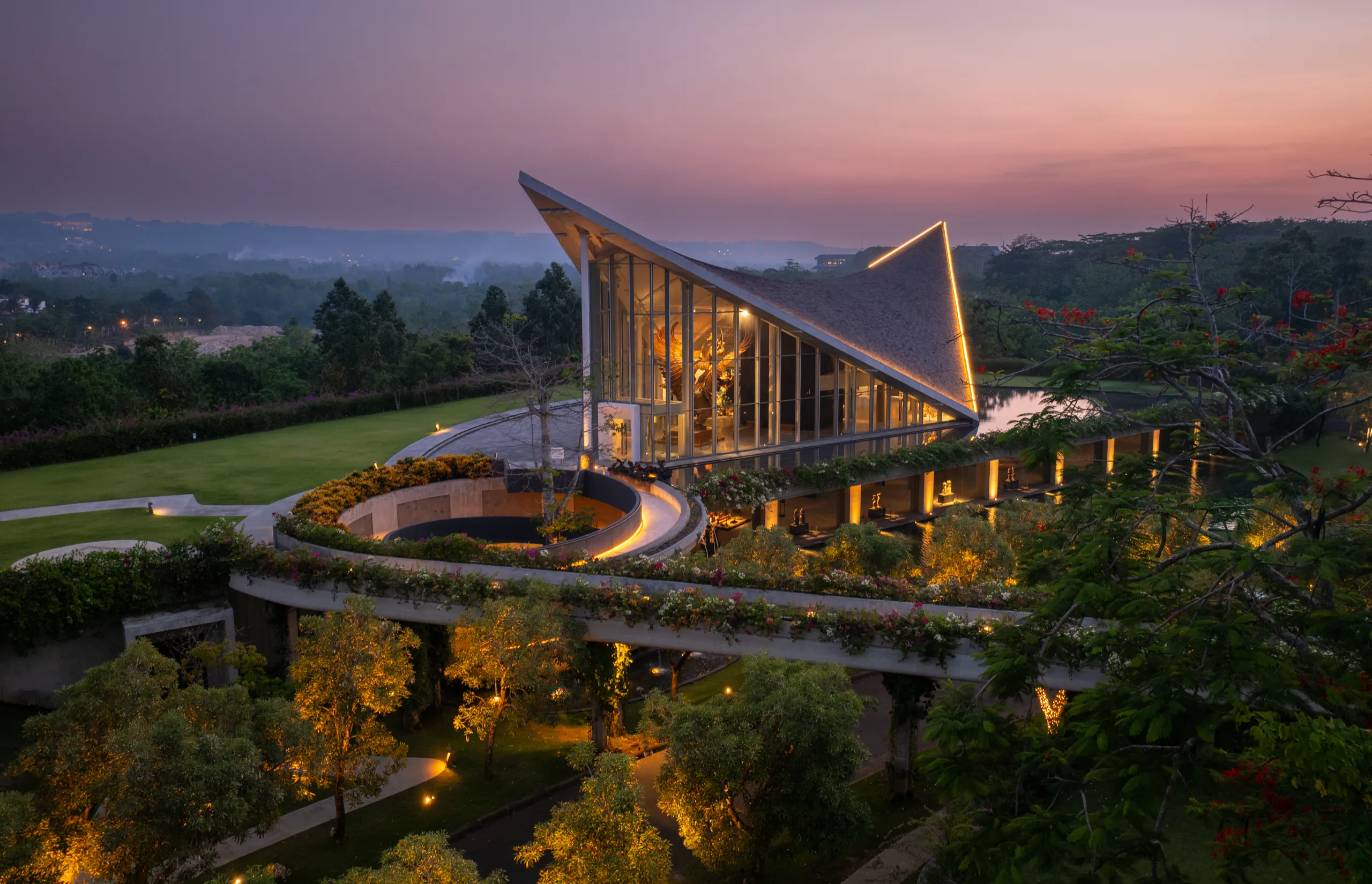
The Design Edit | SAKA | Night Ambience
Across continents, a new wave of design-led spaces – from sculptural lodges and museums to off-grid retreats – is reshaping the way we experience beauty, place and stillness
In an era when luxury design is less about spectacle and more about connection, these design-led destinations offer proof that thoughtful architecture can be both grounding and transformative. From Finland’s forests to Chile’s desert, each space reflects an evolving dialogue between nature, culture and craft — where design deepens our sense of place rather than distracting from it.
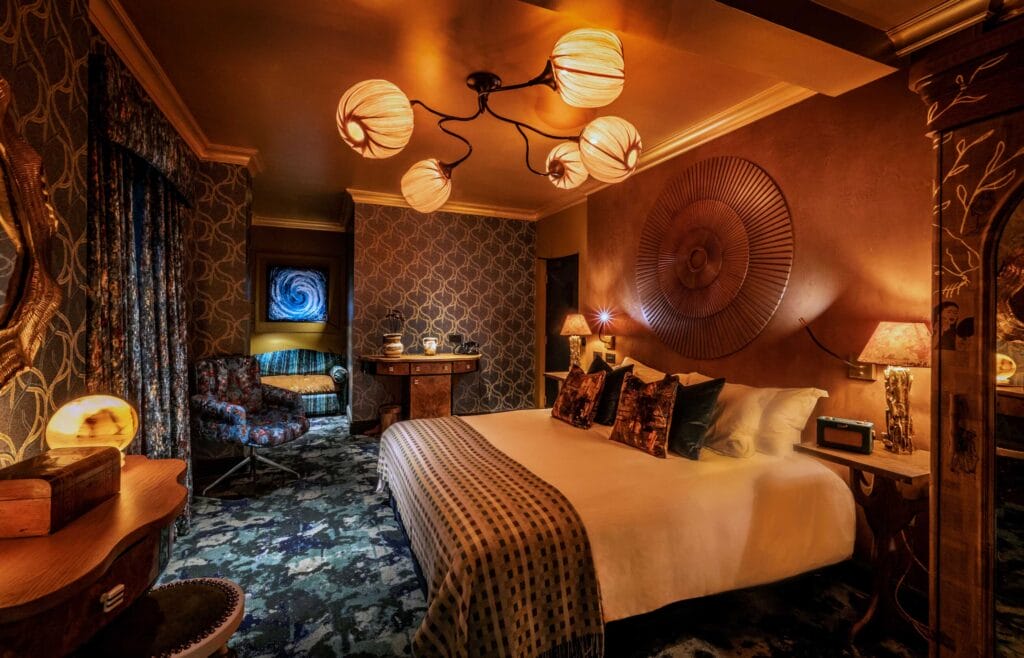
Smoke, sea, stay – Islay, Scotland
Scotland’s Ardbeg House isn’t subtle – nor is it meant to be. Rising from the bones of a 19th-century hotel on Islay’s southern coast, this 12-room retreat channels the wild spirit of Ardbeg whisky into every smoked-glass pane and copper-clad corner. Designed by Russell Sage Studio, the property’s interiors are theatrical and tactile: chandeliers shaped like boats, panelling made from decommissioned stills, secret compartments hiding rare drams and ‘press-for-smoke’ buttons that blur the line between ritual and play. Each suite riffs on local myths and Ardbeg legends, from smugglers and sea beasts to island storms. The Islay Bar reinvents the village pub. The courtyard hums with a fire-fuelled smoker and the scent of char. At the heart is the dramatic Fire Table, where food and whisky meet in flame.
This isn’t just a hotel – it’s Ardbeg, bottled in bricks, smoke and story.
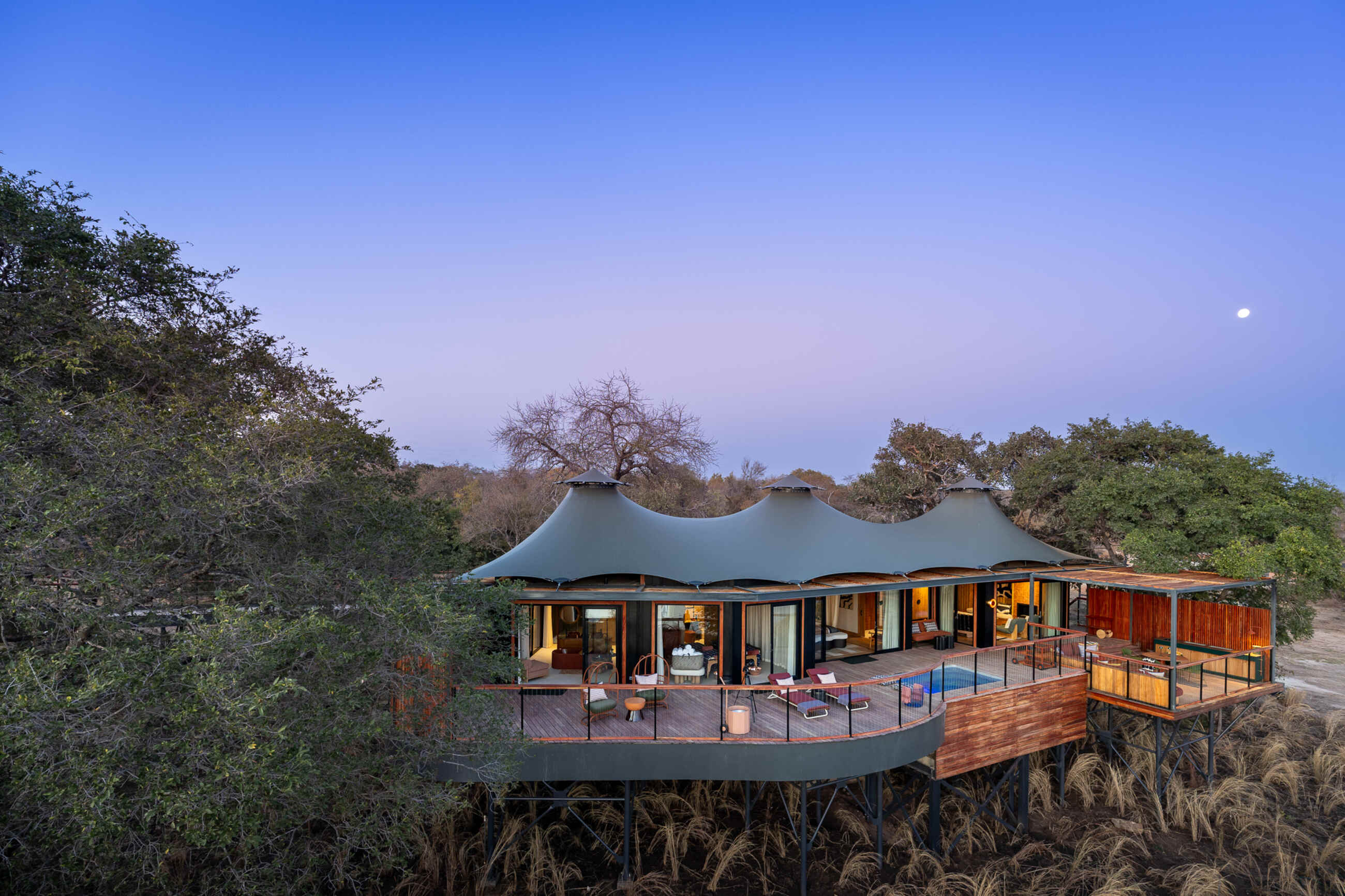
Safari style in the treetops – Kafue National Park, Zambia
Forget ground level – this safari camp is taking luxury to the canopy. Anantara Kafue River Tented Camp, recently opened above the banks of the Kafue River in Zambia’s vast Kafue National Park, lifts guests into the treetops rather than planting them on the plains. Instead of carving into the landscape, the camp rises lightly above it: villas and walkways elevated on rosewood platforms so wildlife and seasonal waters can move freely below.
With just 10 villas and three dramatic Horizon Terrace Suites, the architecture dissolves boundaries through sliding walls, open-air decks and outdoor showers. Interiors by South Africa’s MRS Studio mix contemporary polish with organic textures and locally sourced materials, echoing the tones of river and savannah. The highest suites perch 14 metres up, turning private terraces into wildlife-viewing platforms. Lantern-lit paths and river-facing lounges complete a design that feels woven into the forest itself – safari style, elevated.
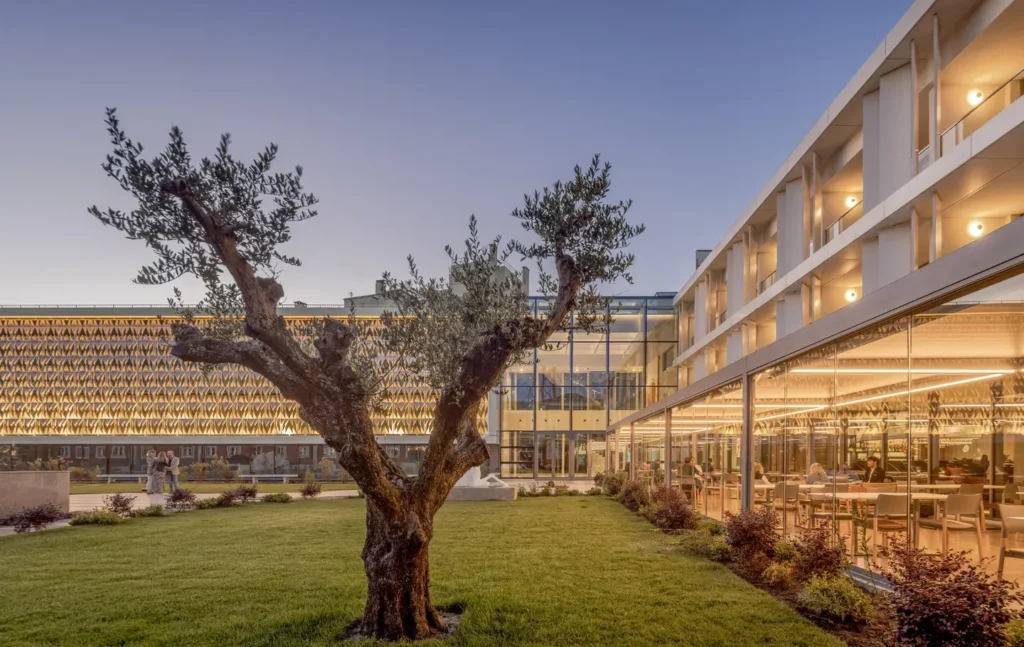
Where art sleeps – Lisbon, Portugal
Tucked between Lisbon’s Alcântara and Belém districts, MACAM (Museu de Arte Contemporânea Armando Martins) blurs the line between museum and hotel – an 18th-century palace turned contemporary cultural statement. Once home to Portuguese nobility, the Palácio Condes da Ribeira Grande now hosts both a contemporary art museum and a 64-room hotel, seamlessly stitched together through bold, design-forward thinking.
The architecture balances contrast and continuity: ornate ceilings and frescoed staircases preserved alongside crisp gallery volumes, glass walkways and a tiled façade by ceramicist Maria Ana Vasco Costa. Inside, every space – from suites to stairwells – is wrapped in rotating pieces from collector Armando Martins’ private archive. Even the deconsecrated chapel becomes part of the story, transformed into àCapela, a performance bar that flirts with the sacred and subversive. A rooftop pool and terrace offer sweeping views of the Tagus River, while galleries and lounges dissolve into one another, blurring guest and viewer, artwork and wall.
Where land meets light – Lombok, Indonesia
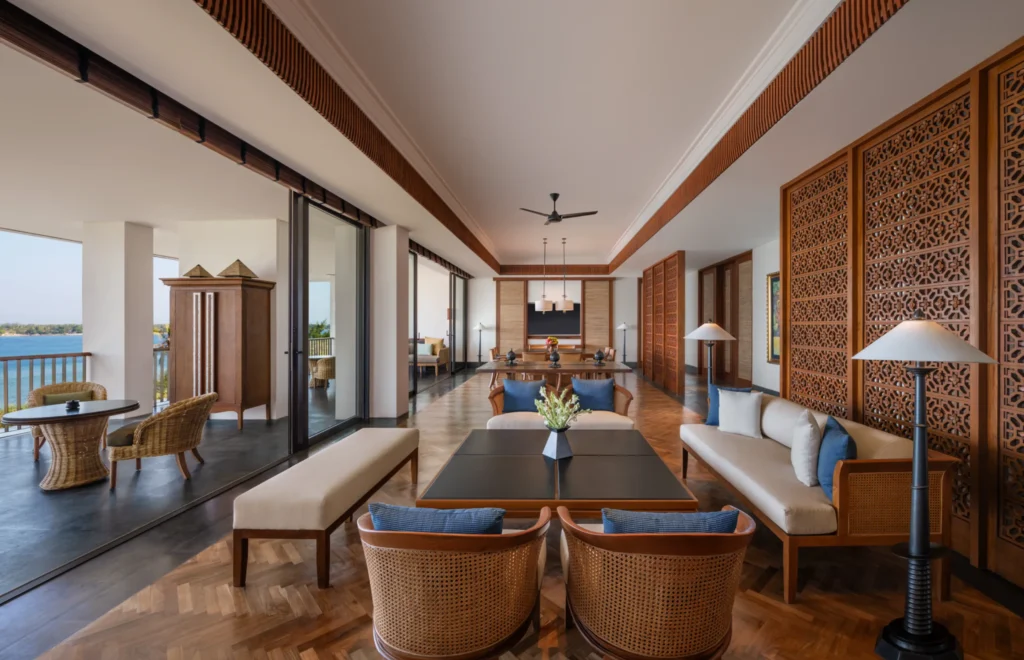
On a quiet peninsula in North Lombok, just east of Bali yet worlds away in mood, The Sira rises softly from the sand. Set between Mount Rinjani and the Gili Islands, the Luxury Collection resort by Marriott doesn’t chase Bali’s buzz. Instead, it offers something slower, more grounded: space, stillness and a reverence for nature.
Conceptualised by IU Design, the 60-key retreat is shaped by the island itself. Villas and suites are pared-back and poetic, wrapped in teak latticework, cooled by ocean breezes, and layered with handwoven tenun ikat and local stone. Nothing feels overdone – everything feels placed with care. From the rooftop-pooled Presidential Suite to the three-bedroom Beach House with private butler, each space opens to light, sea and silence. A spa with moonlit pavilions, Lombok’s only vitality pool, and dining that spans barefoot warungs to spice-driven elegance complete the rhythm.
Fenix rising – Rotterdam, Netherlands
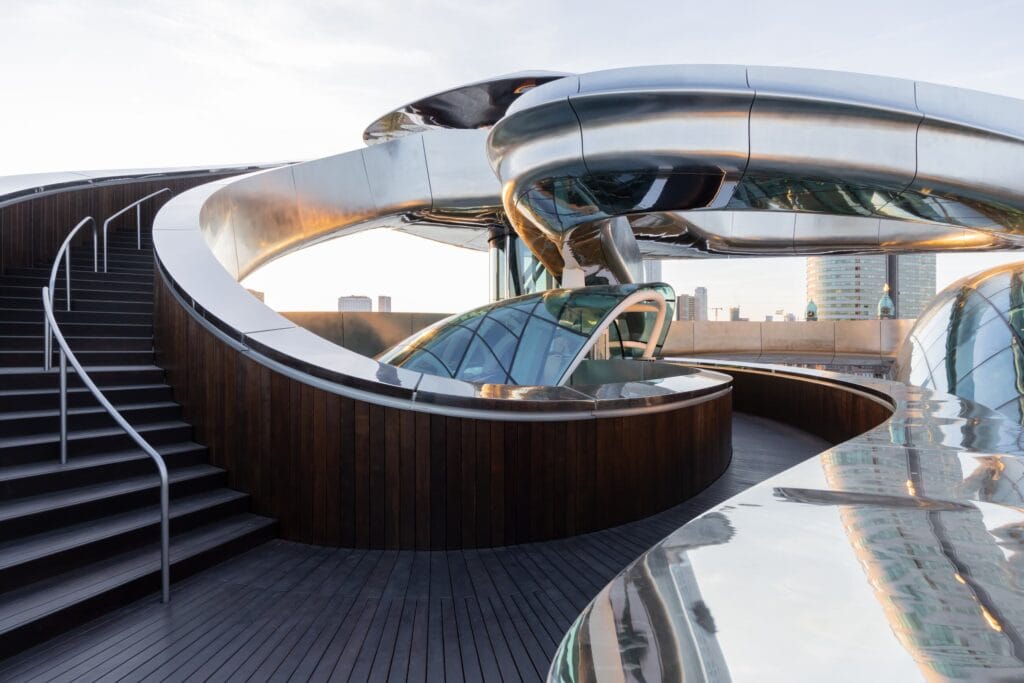
Set on Rotterdam’s Katendrecht peninsula – a former shipping hub turned creative precinct – Fenix is where architectural imagination meets industrial grit. Once a 1920s warehouse for emigrant luggage, it’s been radically reimagined by Chinese architect Ma Yansong and his firm MAD Architects in their first European cultural project. Rather than erase history, MAD layered it.
The original concrete bones remain, but slicing through them is a dramatic double-helix staircase known as the Tornado: a swirling sculptural form that connects the old structure to a glass-walled rooftop pavilion, home to the new Fenix Museum of Migration. Each of the steel panels that form the Tornado is subtly different, catching the light like ripples on water and symbolising movement, transition and change. Inside, the design continues to flow. Curved glass, brushed metal and timber details play against the rawness of the original shell. The result? A building that doesn’t just preserve memory, it propels it forward.
A bigger catch – Sydney, Australia
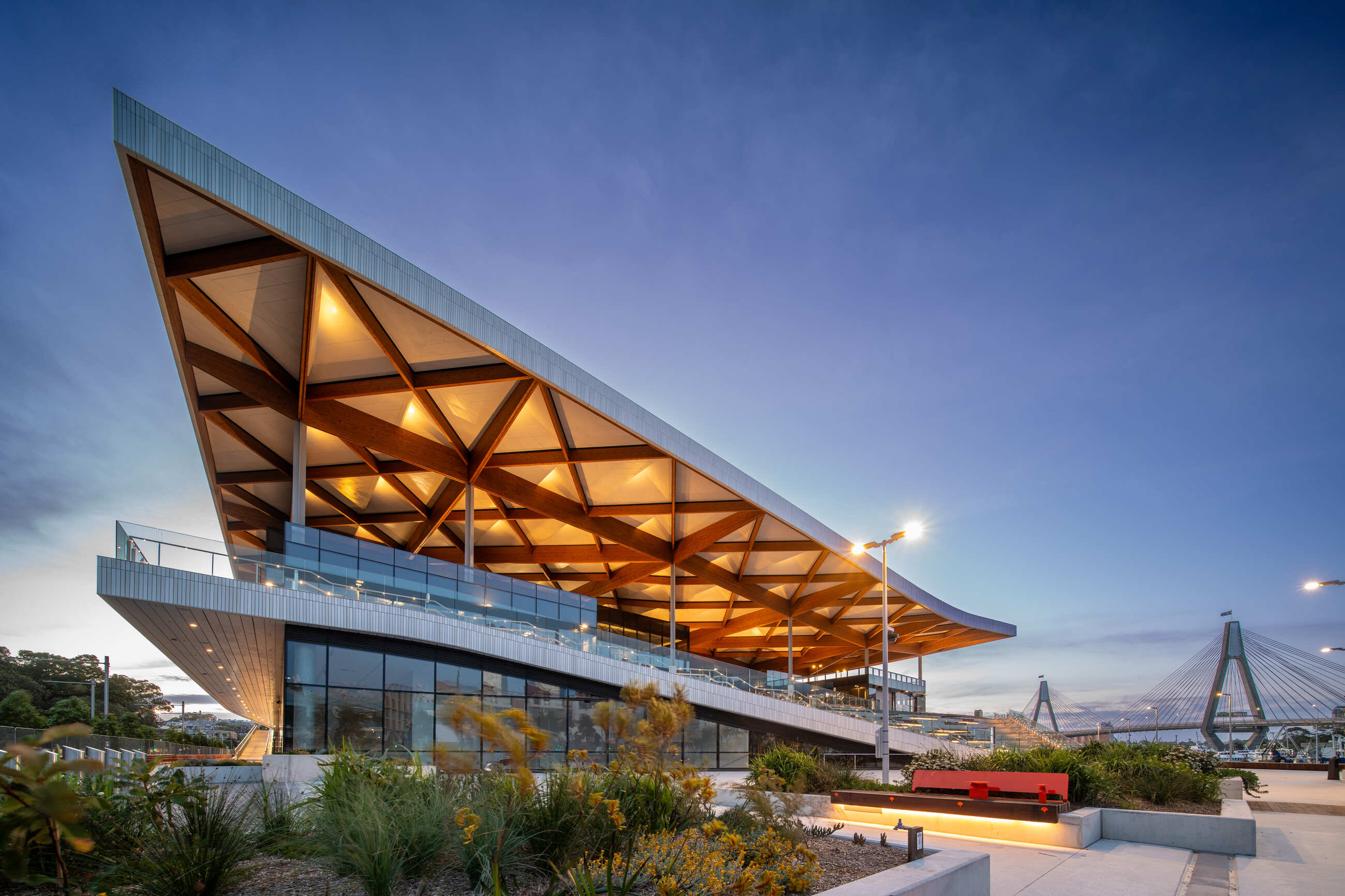
The Harbour City’s new Sydney Fish Market is what happens when great seafood meets great architecture. Reimagined by Danish firm 3XN, the vast waterfront home on Blackwattle Bay swaps the old jostle-and-run energy for space, light and harbour breezes – without losing the market’s salty soul.
The star is the sweeping, scalloped roof, inspired by waves and fish scales. It is not just sculptural – it harvests rainwater, integrates solar cells and channels natural light and ventilation, keeping the building cool while flooding the interiors with daylight. Beneath it, stepped terraces cascade towards the water, creating places to sit, slurp oysters and watch ferries drift past. Inside, 40-plus traders still hustle seafood at scale, while new restaurants, raw bars and waterfront dining spots turn a quick fish run into a lingering experience. Cooking schools, tours and public promenades open the working market to the city.
Sanctuary in stillness – Mornington Peninsula, Australia
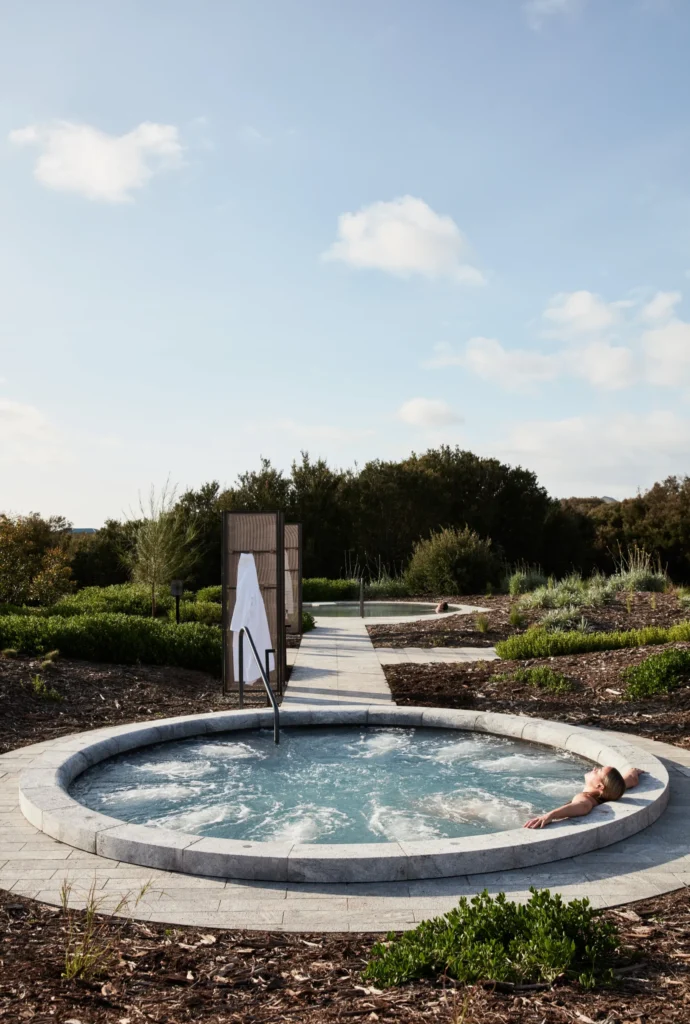
Victoria’s Mornington Peninsula isn’t short on luxury lodgings – but few are as quietly compelling as The Sanctuary at Alba. Designed by Kate Walker of Mt Martha’s KWD, the new accommodation at Alba Thermal Springs & Spa swaps flash for flow: soft-hued interiors, sculptural simplicity and native bushland views that do the talking. Set atop the 15-hectare property, five freestanding villas and two studios slip almost invisibly into the landscape. Inside, the palette is pale and whisper-quiet, with natural materials grounding each space in place and season. This is design for decompression – a place where architecture follows mood, not trends. Guests move between thermal pools, steam rooms and spa rituals at their own pace, or retreat entirely to their villa decks for sunset solitude. It’s a study in stillness, framed by thoughtful design.
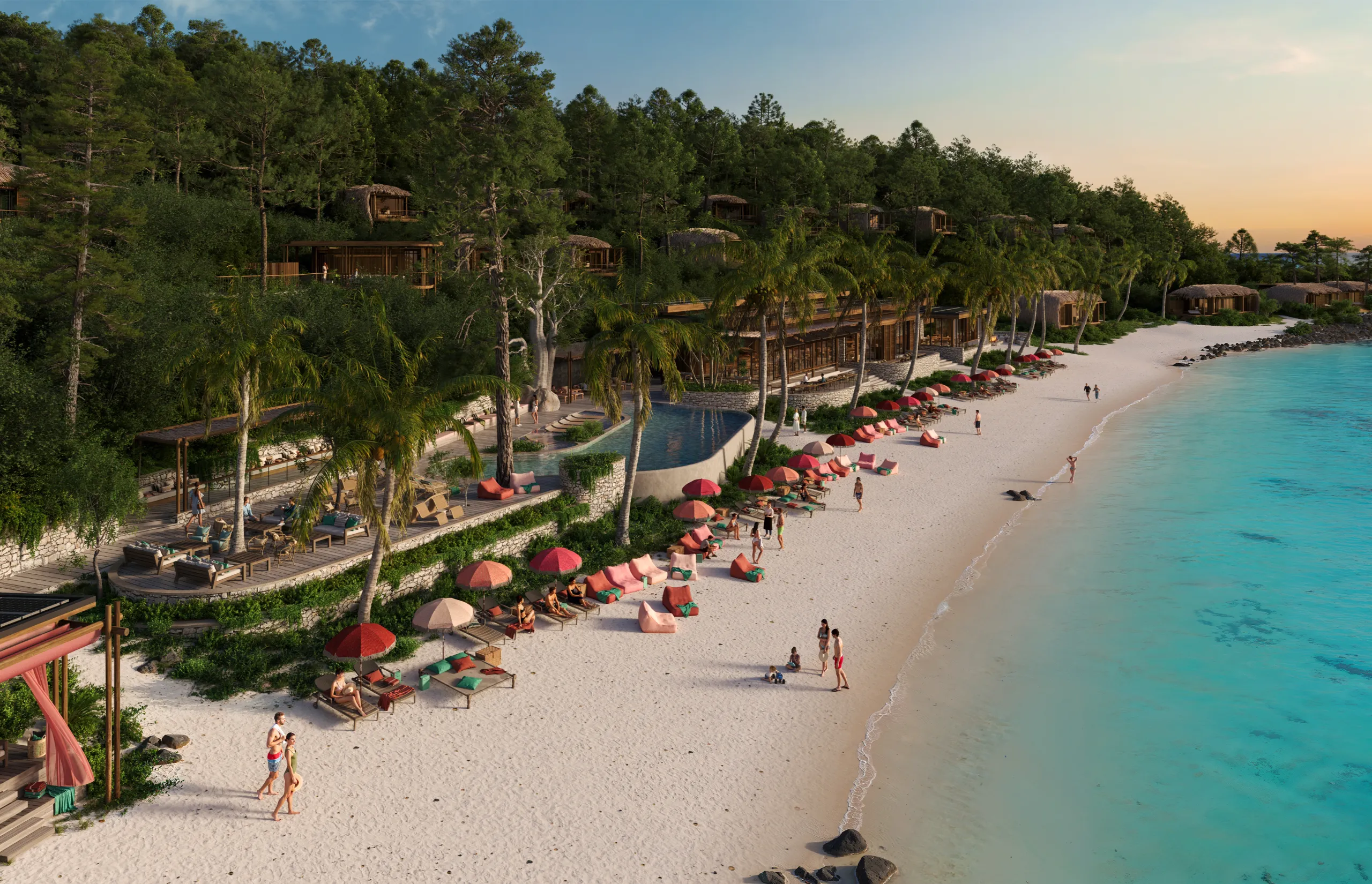
Reed magic – Hook Island, Whitsundays
A bold new chapter is unfolding in the Whitsundays as Hook Island prepares to unveil an upscale sustainable lodge crafted by visionary firm Luxury Frontiers. Slated to open in 2027, this eco-retreat will rise from a cyclone-battered past to embody ‘barefoot luxury’ through biophilic design and sculptural, low-impact architecture that blends seamlessly into its reef-fringed terrain. Inspired by the island’s vibrant marine life, the interiors will echo forest greens, coral reds and ocean blues, with each of the six accommodation types offering a unique sensory immersion. Think clifftop fine dining with Stingray Bay views, forest-spa rituals, and an arrival pavilion with soaring lines that mirror the island’s rugged contours. Led by Epochal Hotels’ Glenn Piper, the project places conservation at its core, from cyclone-resistant modular builds to tree-sensitive site planning.
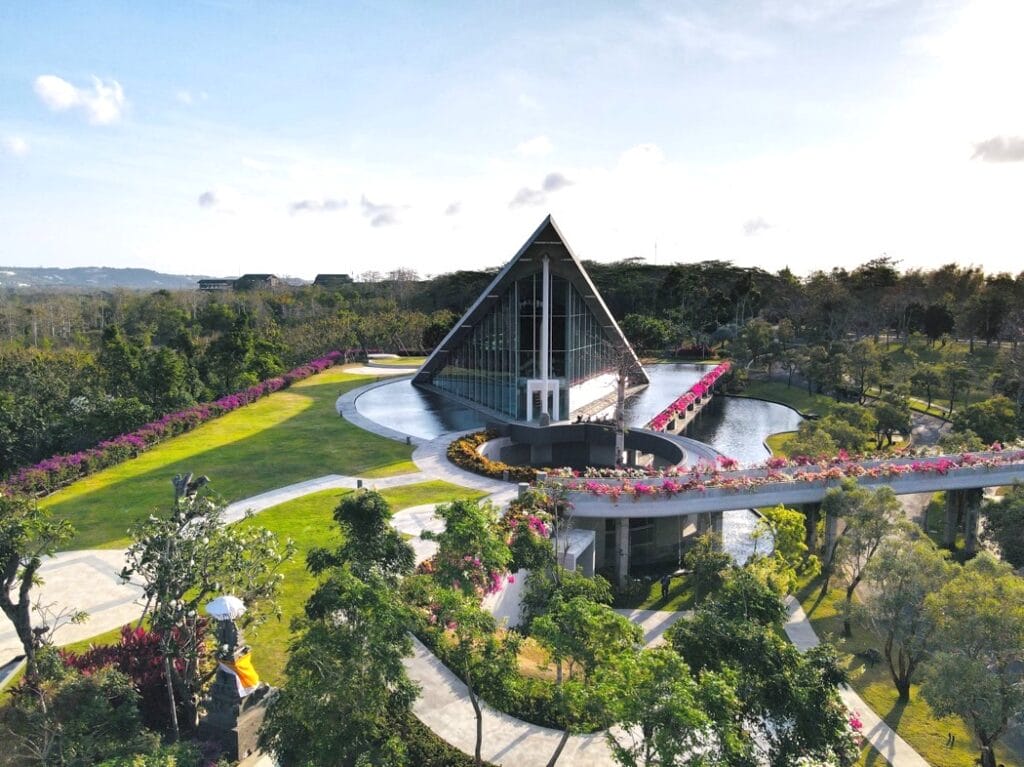
Bali beauty – Bali, Indonesia
Bali has its fair share of architectural gems, but SAKA Museum might just be the island’s most striking. Forget bland white cubes – this bold cultural space at AYANA has just been named one of the World’s Most Beautiful Museums 2025 by Prix Versailles, joining the likes of the Grand Palais and Kunstsilo. With jagged stonework, sharp lines and elemental textures, SAKA channels ancestral wisdom into sculptural form. Inside, high-concept exhibitions like Kasanga: Nyepi and The Five Elements use sound, scent and light to reframe Balinese cosmology for a new generation. It’s immersive, intelligent and impossible to forget.
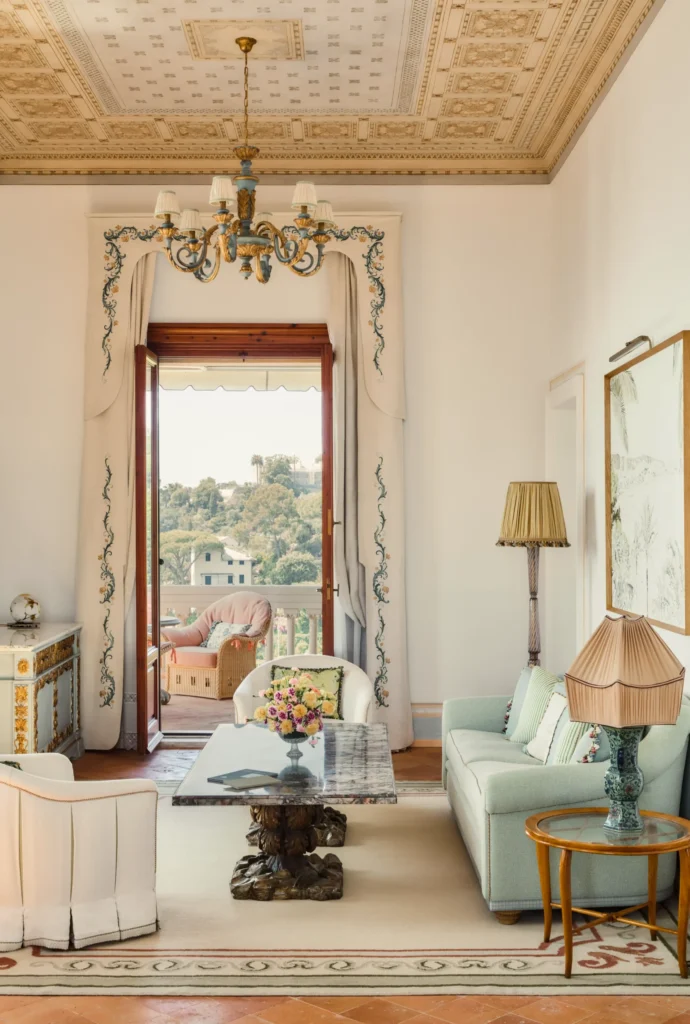
An Italian revival – Portofino, Italy
Perched above Portofino’s shimmering bay, Villa Beatrice has emerged from a meticulous restoration as the crown jewel in Belmond’s portfolio. Originally built in 1913 by visionary architect Gino Coppedè, the clifftop villa fuses art nouveau fluidity with gothic revival grandeur. Now reimagined by Martin Brudnizki Design Studio, its interiors blend storied elegance with a lived-in intimacy. Think Vienna straw-inlaid furniture, Albisola ceramics, frescoed ceilings and scagliola-finished surfaces, layered with locally sourced antiques, and custom Italian textiles. Original geometric murals and Graniglia alla Genovese floors have been lovingly restored, while the palette – terracotta, pink, sage – channels Ligurian coastlines. The villa’s whimsical torretta delivers panoramic views from Paraggi to Cinque Terre, while lush gardens tumble to the sea below. With five suites, private plunge pools, and exclusive sea access, Villa Beatrice is a masterclass in heritage design and Italian villeggiatura – a romantic retreat rich in history, craftsmanship and natural beauty.
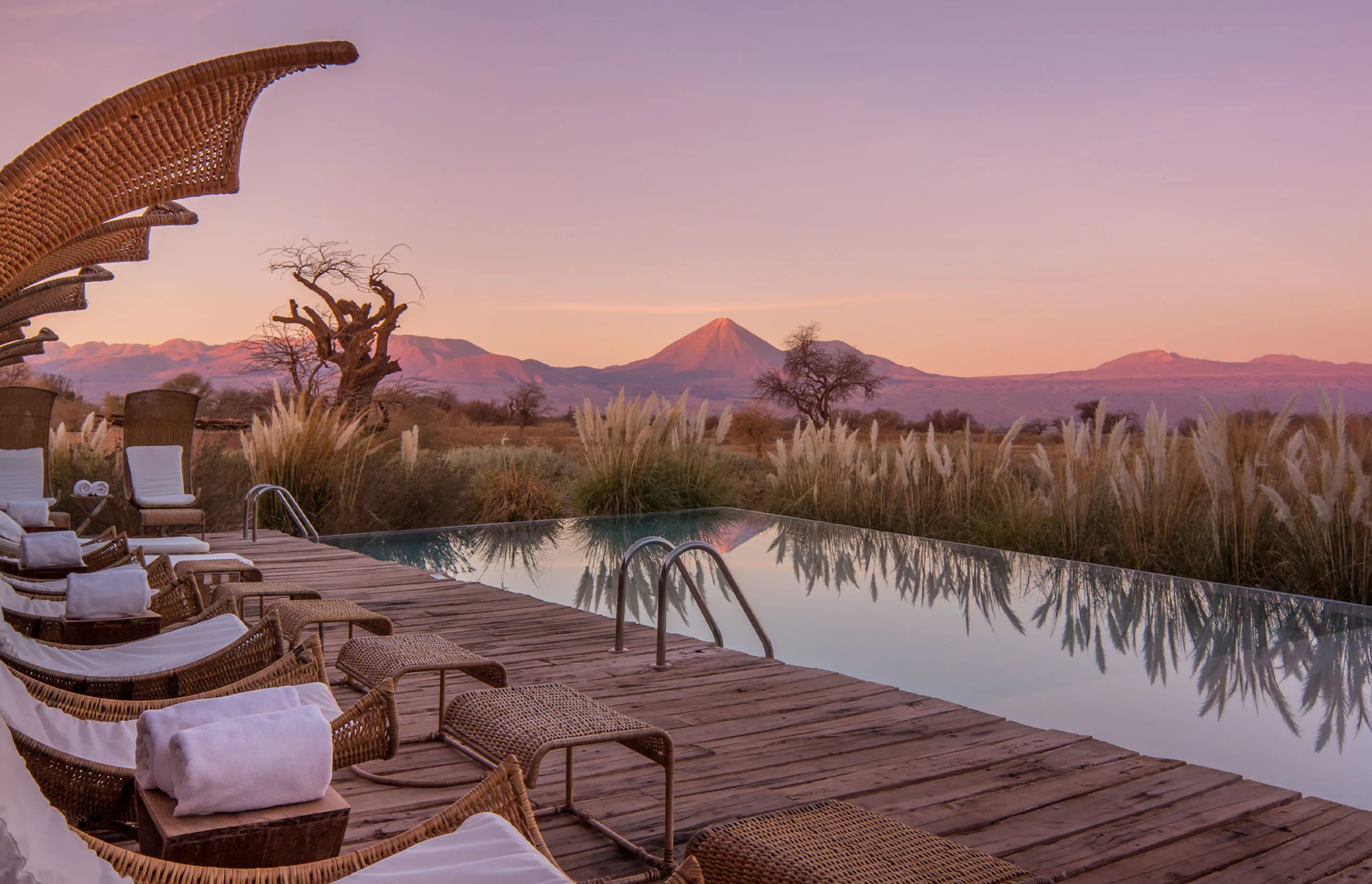
Where the desert meets design – Atacama Desert, Chile
Tierra Atacama has always offered front-row seats to the otherworldly beauty of Chile’s Atacama Desert. Now, it’s doing it in serious style. Fresh from an AU$30 million redesign led by Tierra Hotels founder Miguel Purcell, the lodge reopens with bold architecture, immersive views and interiors that reflect 10,000 years of local heritage. Walls of glass frame the cinematic drama of the Licancabur Volcano and Andes ranges, while sculpted stone, raw timber and handwoven Andean textiles create a tactile link to place. The redesign respects the rhythms of the land and its people – the Inca and Aymará descendants of San Pedro de Atacama – while dialling up the design sophistication for today’s discerning adventurers.
Explore more design-led spaces in other editions of The Design Edit – including our latest features on global architecture and sustainable design.
Latest Articles
Don't miss the latest from Luxury Travel