
Why Croatia is Europe’s next great food destination
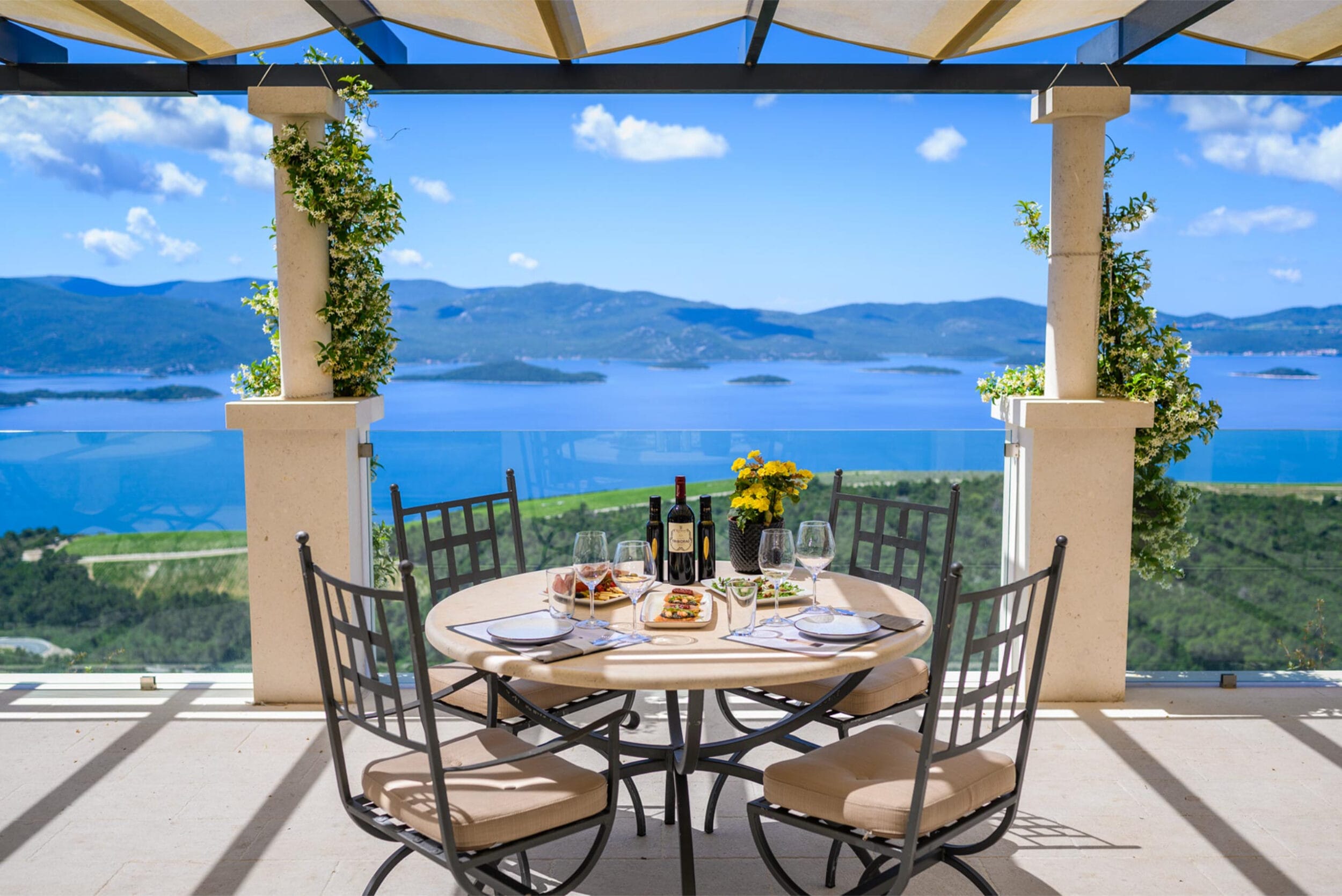
Wine and local produce overlooking the Adriatic at Rizman Winery | Rizman Winery
Croatia’s reputation as a summer escape is giving way to year-round culinary recognition. From family-owned Istrian wineries and Michelin-starred restaurants in Rovinj to Dalmatian coastal dining experiences, the country’s food and wine culture – rooted in ancient Greco-Roman traditions – is finding new international acclaim
Croatia is well known for its rich history and enchanting natural beauty – dazzling beaches included. Lesser known is its evolved gastronomy scene. The wine culture imbued in the ancient Greco-Roman era is enjoying a renaissance, and Croatia is repackaging itself as a year-round epicurean escape beyond the beach.
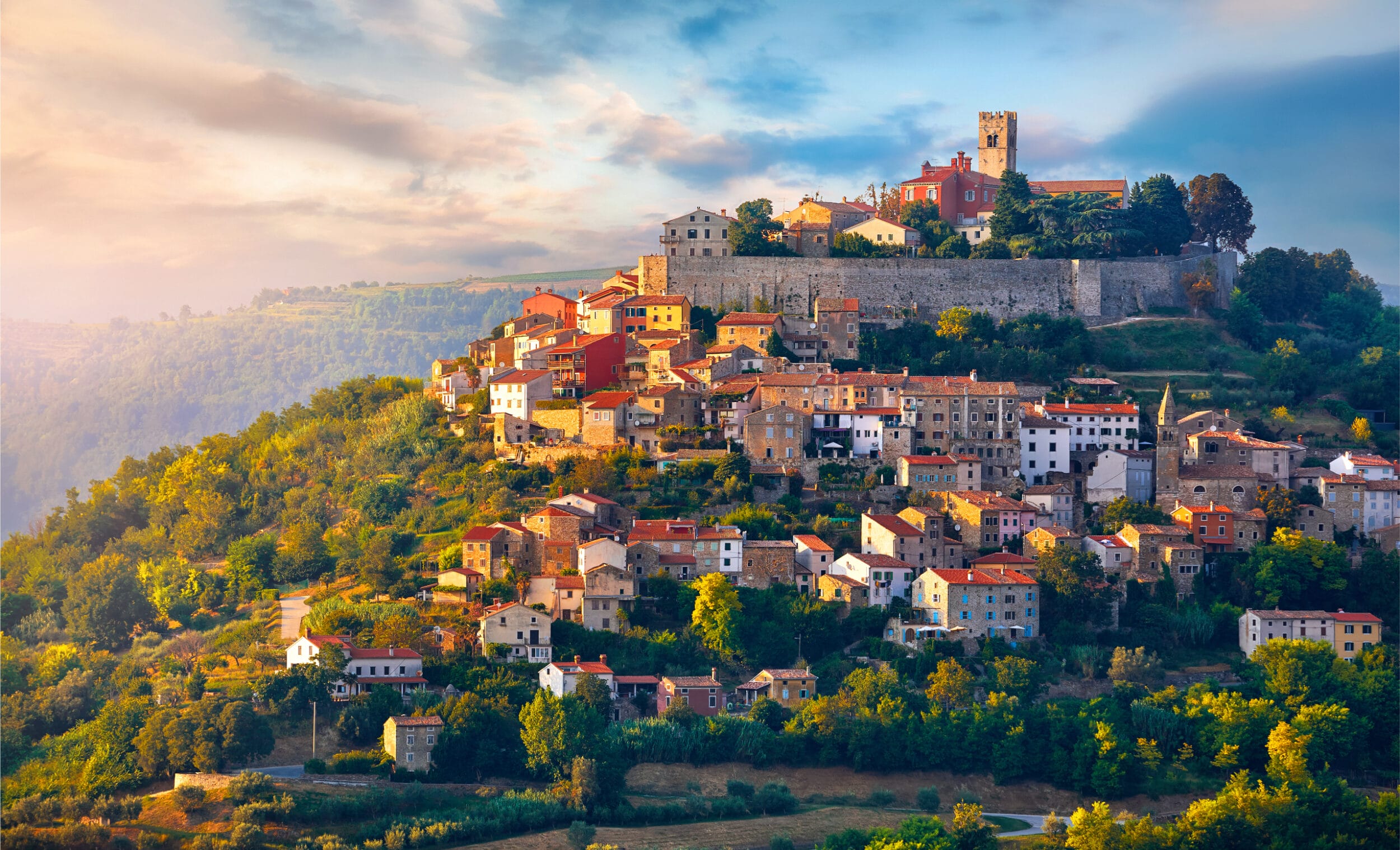
Defying jet lag, my mother and I scale cobbled streets in Rovinj’s alluring historic centre to sample the pinnacles of Croatian gastronomy at Monte, the country’s first Michelin-starred restaurant. Awarded its star in 2017, the same year a further 34 Croatian restaurants were recommended by Michelin, Monte remains family-owned and run after three generations. By 2025, when we visit, the Michelin Guide Croatia selection has grown to 98 restaurants, including one two-star restaurant, 12 one-star restaurants, 12 Bib Gourmands and three Green Stars.
The impressive wine list at Monte is hand-picked by the family, and on this first evening in Croatia we are served the tastiest vintage we will have on our journey: an Enjingi-Venje 2015 (graševina, riesling, sauvignon blanc, pinot gris, gewürztraminer) from Slavonia County. Although we are in Istria, the best-known of Croatia’s wine regions (the others being Dalmatia, Slavonia and Danube, and the Croatian Uplands) I establish a preference over seven courses for Slavonian, or ‘Continental’ wines.
Istrian appetites
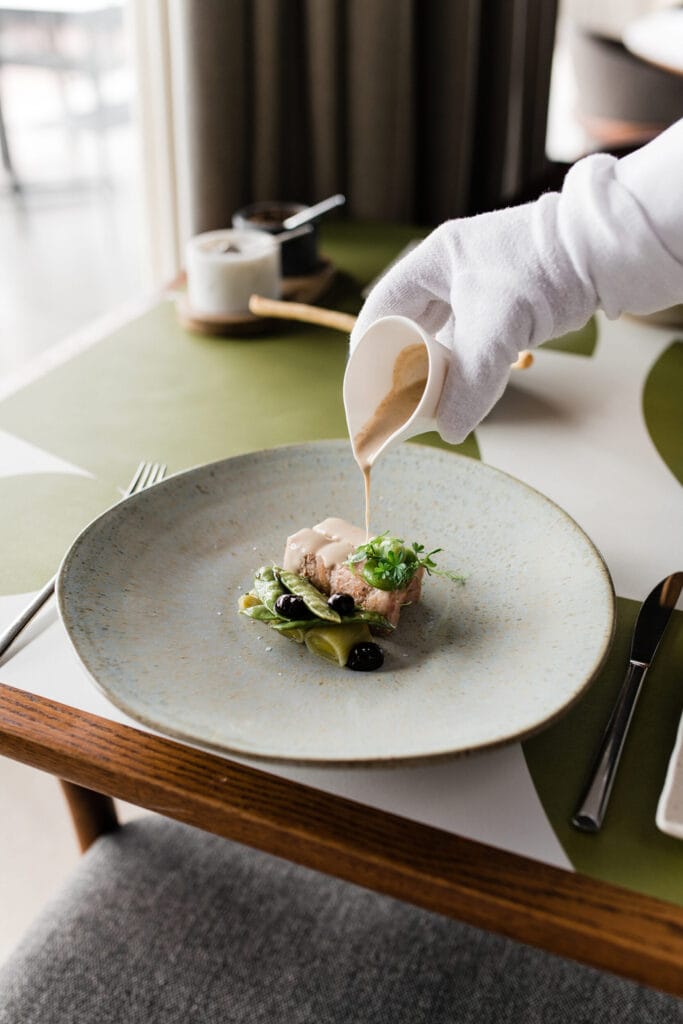
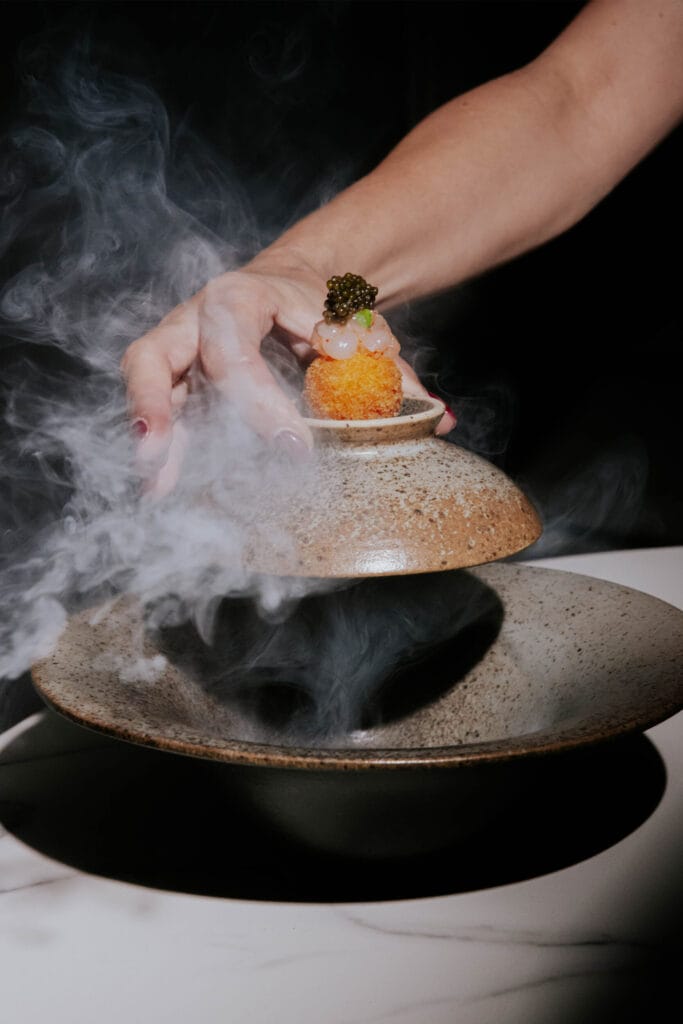
An academic exercise in wine-tasting is afforded by San Canzian Hotel and Residences at Michelin-listed Luciano, where restaurant manager Miroslav Miladinov imparts insider knowledge on the wines paired with our seven-course degustation. Our first feast is dedicated to Istrian wines – thereafter we explore Pan-Croatian wines.
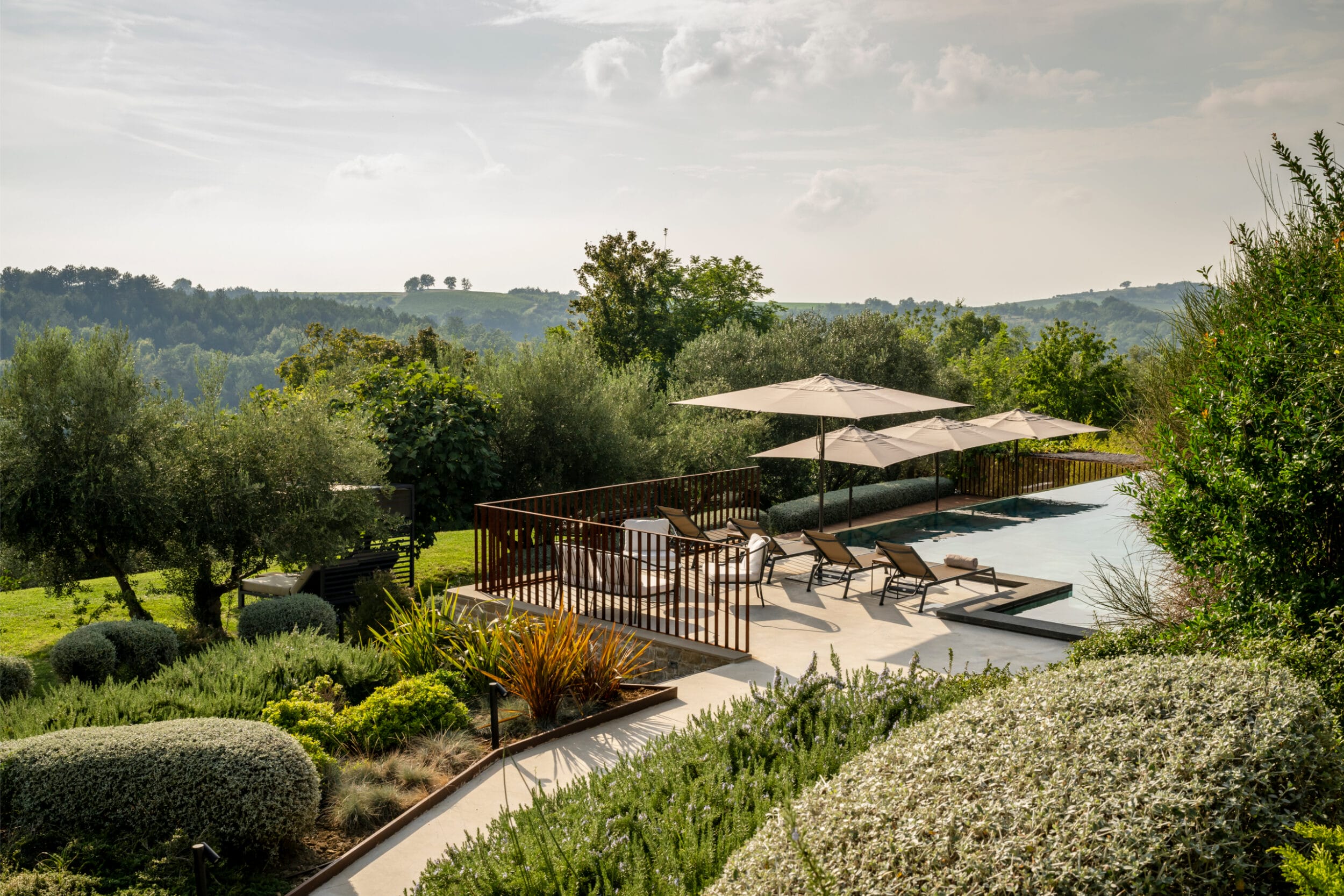
This luxury hotel set in a Medieval Istrian village is committed to regional experiences, and local flavour is captured in racy wine cocktails like ‘Red and Purple Rain’, comprising fruits and flowers from the surrounds. Glamorous foodies can be spotted on the terrace, which offers views over verdant hills to the Mediterranean beyond. The well-heeled assemble here not so much for the outlook, but for exclusive tastings – with premium wineries like Clai (which revives the ‘natural’ Greek way of wine-making) orchestrating elevated experiences at San Canzian.
Continental pleasures
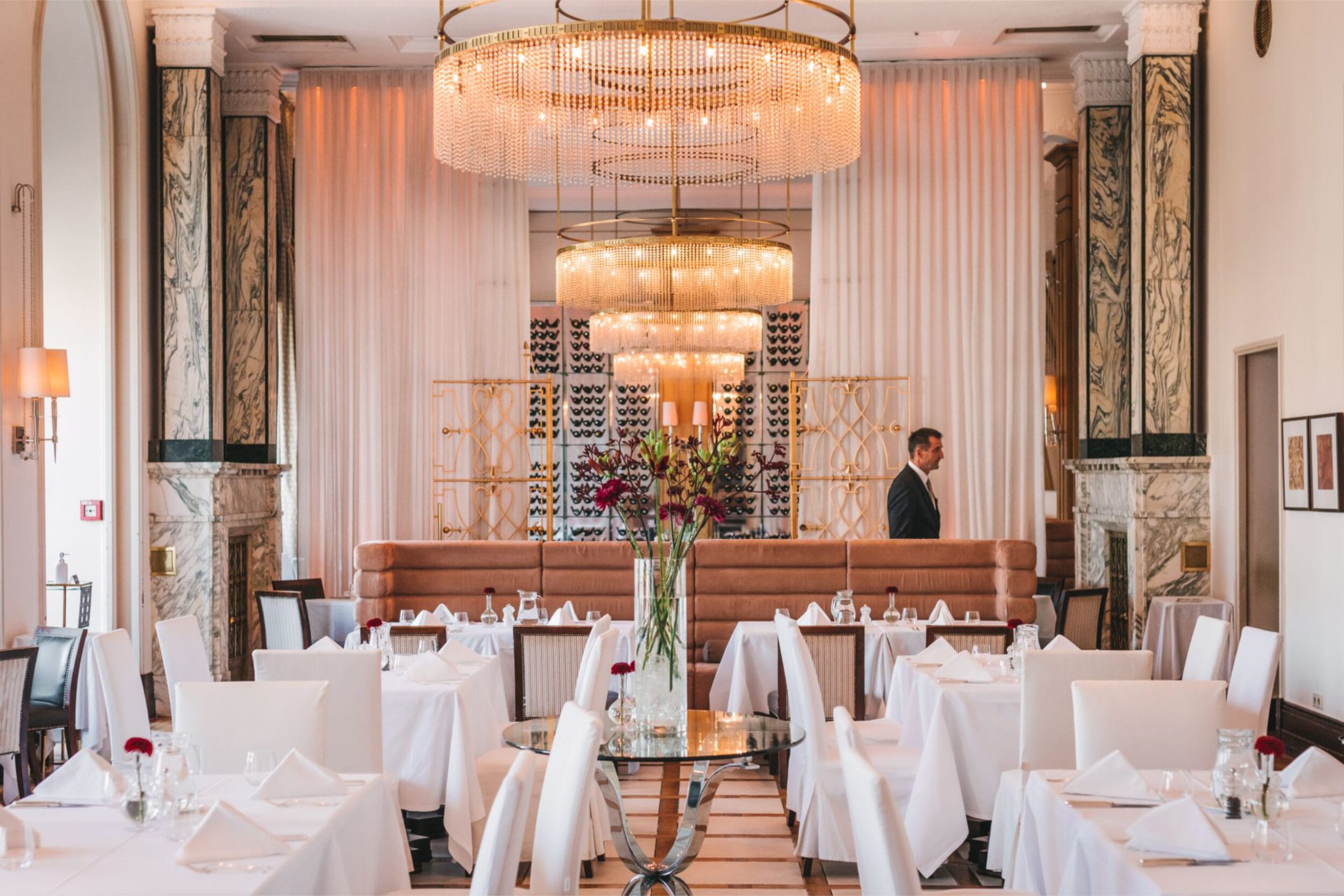
The adresse incontournable for any wine aficionado is the legendary centurion Esplanade Zagreb Hotel, founded in 1925 to host Orient Express passengers. Our journey at The Esplanade begins at Le Bistro, which pairs French bistro cuisine with Continental Croatian wines. The restaurant manager agrees that these wines from the lush inlands are a connoisseur’s choice, remaining lesser-known than the aggressively marketed Istrian and Dalmatian wines. However, the hotel’s food and beverage manager, the eminently charming Vjenceslav Madic, challenges my preference with crisp Istrian sparkling wine Coronica CO2, with the fines bulles (fine bubbles) found in traditional method French champagne.
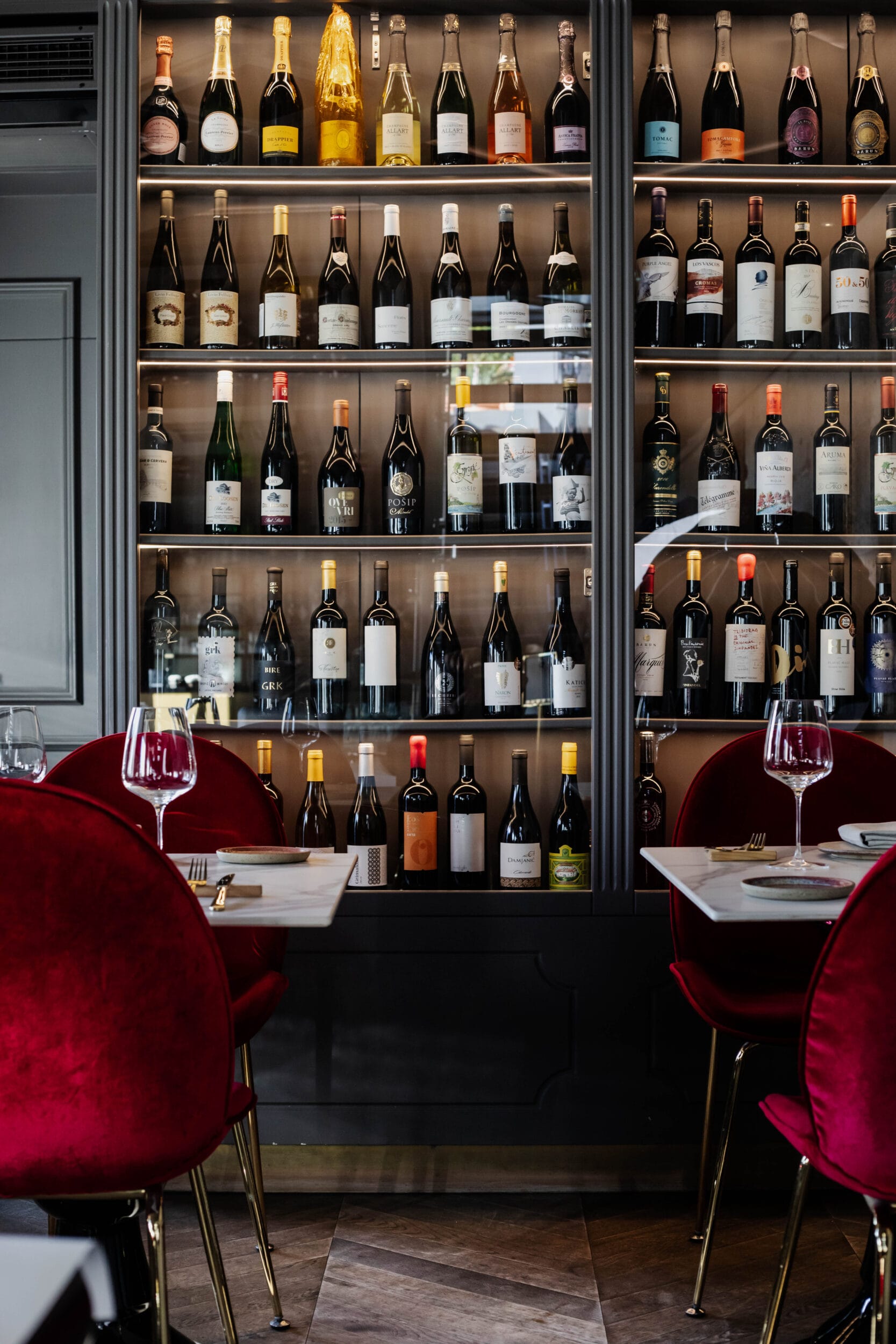
The hotel’s hauntingly beautiful restaurant Zinfandel’s showcases the nation’s most prestigious labels, with a wine library that spans an entire wall. The restaurant is named after the eponymous grape, with skin as black as a panther’s, which originated in Croatia, migrated to Italy in the 18th century and found its way to California by the mid-19th century. Croatians vaunt that California’s celebrated zinfandel lineage traces back to Croatia’s ancient grape, tribidrag, first discovered near Split on the Dalmatian coast.
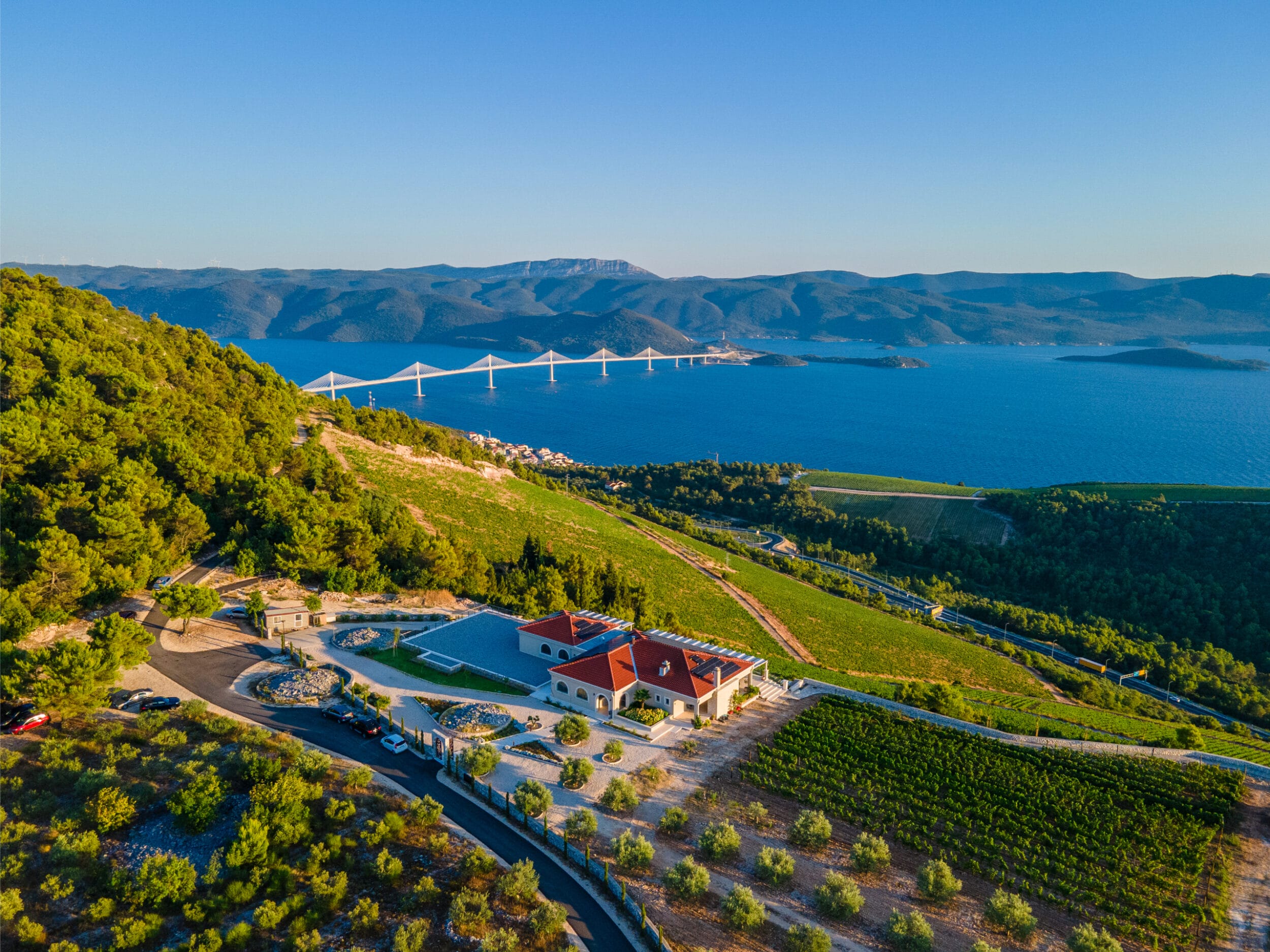
A scenic drive from Split takes us to hill-perched Rizman Winery, whose olive-draped hills cascade steeply down to piercing blue waters. Manager Anamarija Mihaljevićon serves up Croatian hospitality over wine and artisanal cheeses on a cliff-edge terrace that teeters dizzyingly some 250 metres above the ground. After all the fine wine, many guests often haven’t the will – or the wit – to leave, and so the winery also offers rooms along with a superb breakfast. My mother loves Rizman’s homemade olive oil, while my favourite item is the elegant signature Rizman Primus 2021 red wine – both of which Anamarija gifts us upon departure, and both of which are available at the winery’s busy boutique.
Dalmatian tables
Split is now gaining momentum as Croatia’s ‘destination dégustation’, with gastronomic restaurants flourishing along the Mediterranean coast. Unmissable is Michelin-recommended Zoi, whose sea-facing terrace sits beneath the imposing walls of Diocletian’s Palace, and where we enjoy a cutting-edge tasting menu spotlighting premium Dalmatian wine.
Dvor, another Michelin-recognised Mediterranean restaurant with alfresco terraces hanging over sea-kissing white sands, has a super-slick sommelier, whom I initially mistake for an Italian count (he is that dapper). Over the most sophisticated wine-pairing I enjoy in Croatia, Vedran Cota questions the hype around Croatian wine, noting that while family-owned boutique vineyards are reviving the country’s winemaking traditions, there remains a reluctance in Croatia to refine – or ‘Frenchify’ – techniques in the way Lebanon has, despite both wine cultures being steeped in Phoenician and Roman history.
At the captivating restaurant San Marco in Hvar’s magnificent 13th-century Venetian hotel Palace Elisabeth, the hotel’s food and beverage manager Anna also questions why the French way should be considered ‘the best’ when making or drinking wine. Over three nights she unveils drops exclusively from Hvar, made of autochthonous grapes in keeping with the hotel’s philosophy to promote the island’s own products.
The ancient Greeks and Romans came to Hvar and their spirit lives on in not only Greco-Roman ruins, but in how Hvar still drinks fresh young wines. Indeed, Anna’s colleague presents two wines, strenuously recommending one of them – although I deem the other smoother by far. He reveals the first is made by friends of his and he helped pick the grapes – to him, friendships flourish over the finesse of a wine. The conviviality – as during the Greco-Roman era – rather than connoisseurship still underlines the wine experience in Hvar.
Sweet endings
Boškinac Winery on Pag Island is more spirited in its avant-garde approach to house wines, complementing creative cuisine at its Michelin-starred restaurant. We discover Ocu Amber organic wine, a curiosity of 100 per cent gegic, a grape indigenous to Pag island. The owner’s home, transformed into a luxury boutique hotel, offers breakfast on terraces embraced by greenery.
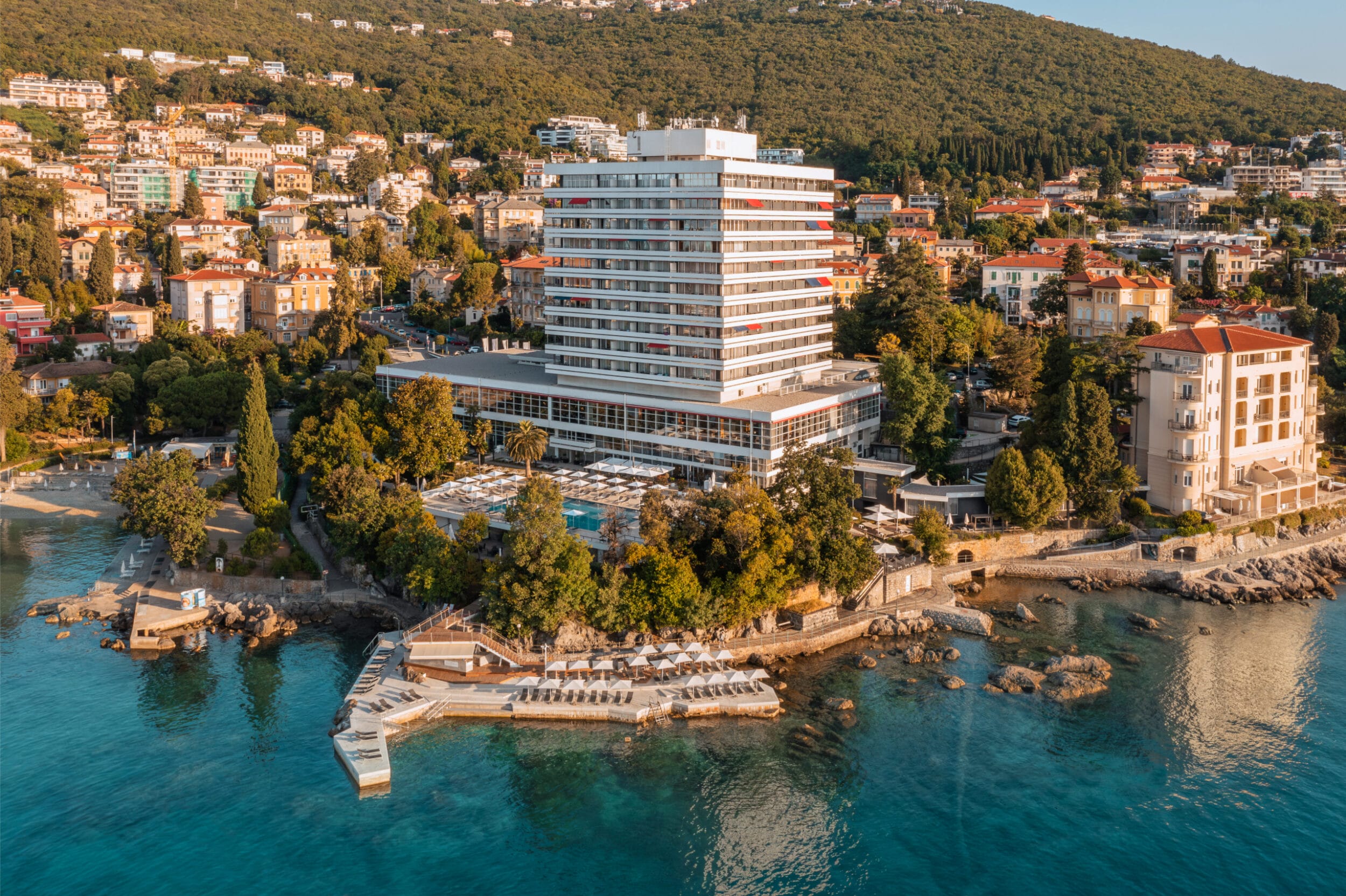
Charming Opatija, on the Kvarner Gulf, was once a wellness retreat for Austro-Hungarian aristocracy. Today, its old-world resort culture shows a sweeter side in chocolate experiences such as Lungomare Chocolates, whose festival program has included workshops and sweet designs by Marina Prijatelj.
Opatija’s splendid Hotel Ambassador is home to fine-dining restaurant Cubo, known for its suave wine list and craft wine cocktails. The only Croatian sparkling rosé Villa Sandi offered over breakfast can be relished in plush suites, if not the hotel’s sea-facing glass-wrapped all-day dining restaurant Fourchette D’Or. We finish an entire bottle. Such is the risk of embarking on a Croatian wine journey.
Latest Articles
Don't miss the latest from Luxury Travel