
Japan Food & Wine
Beyond sushi and ramen: Japan’s regional food treasures
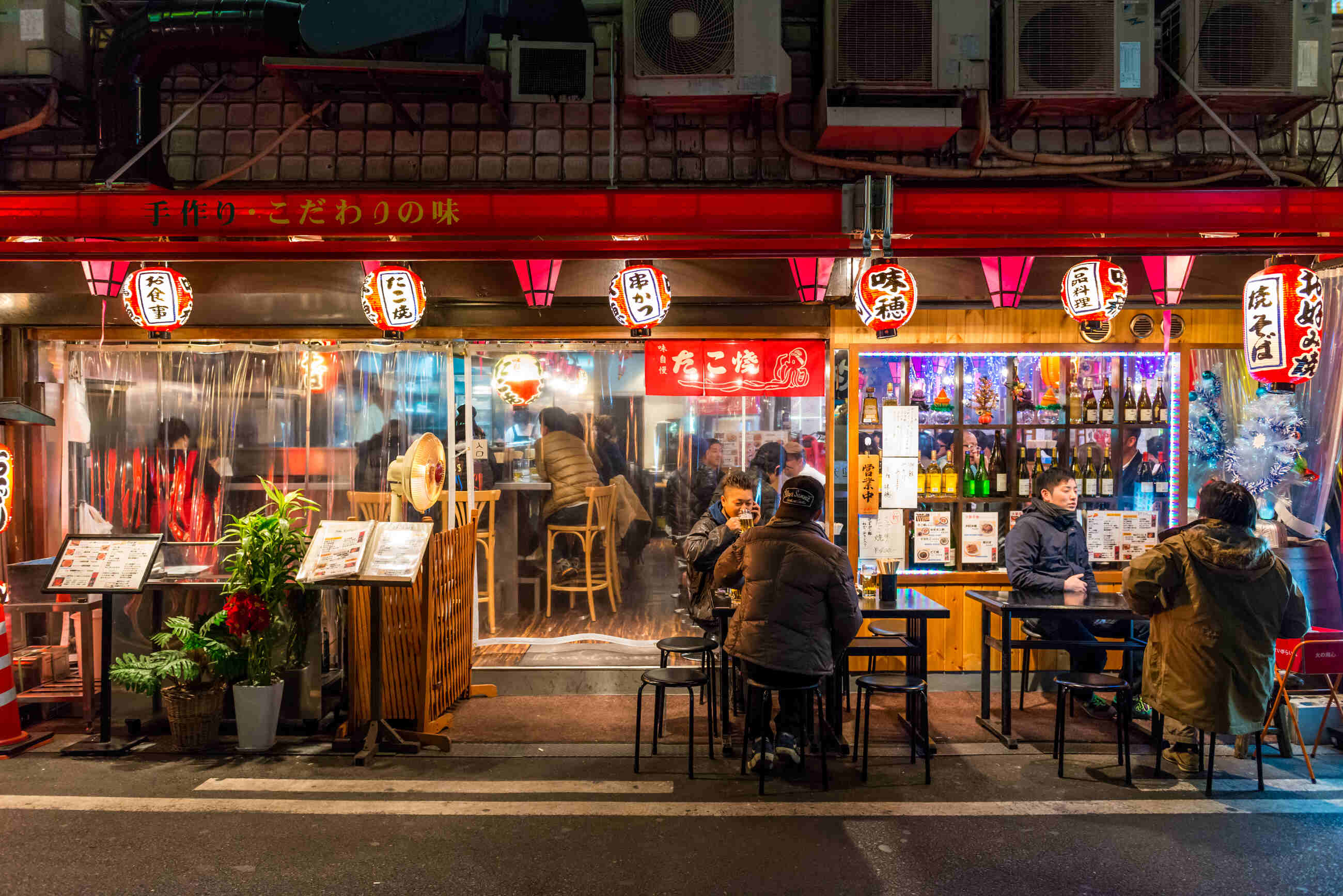
Dining in Osaka, Japan
From octopus on Himakajima to wagyu in Kumamoto and fermentation traditions on the Noto Peninsula, this is a more flavourful way to travel through Japan
Australian epicureans are well acquainted with the likes of sushi, ramen and tempura. From hole-in-the-wall outlets and neighbourhood gems to exquisite high-end Japanese restaurants, Japanese cuisine has been standard fare on our shores for many years. Such is its standing, food is one of the key drawcards for luxury travellers with their sights set on Japan.
Increasingly, the country’s most exceptional stays are only granted such a reputation when the dining is also first-class. And while the major hubs of Tokyo, Kyoto and Osaka are teeming with incredible dining options, each of the nation’s regions has something special to add to the plate.
From prefecture to prefecture, a reverence for nature’s spoils and a mastery of generations-old techniques can be experienced through local cuisine.
Here, some of the incredible Japanese flavours worth leaving the city for.
Seafood, Aichi Prefecture and Kochi Prefecture
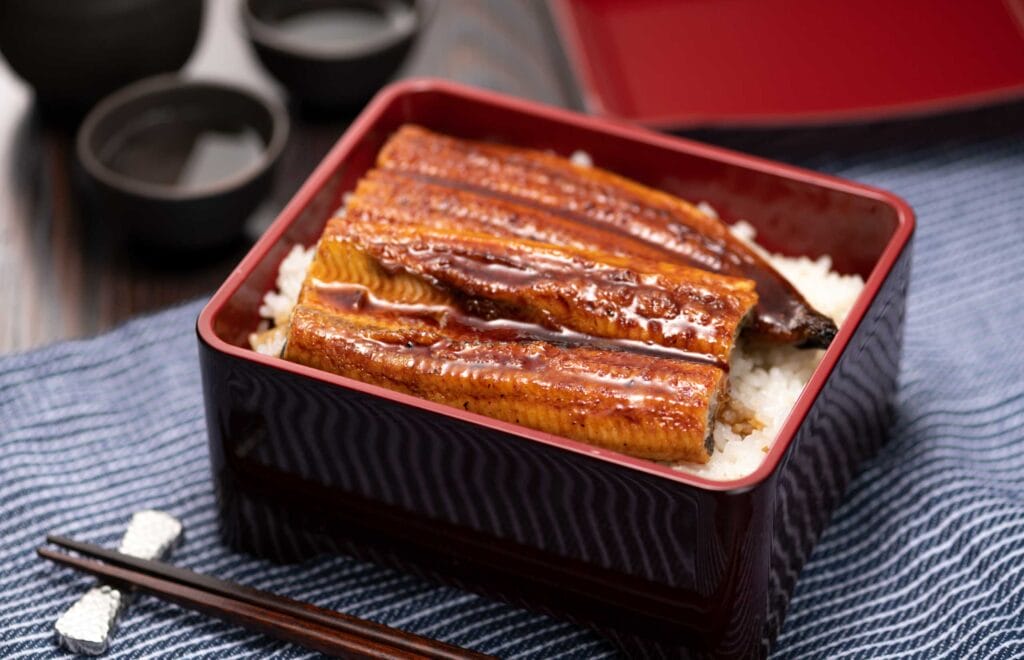
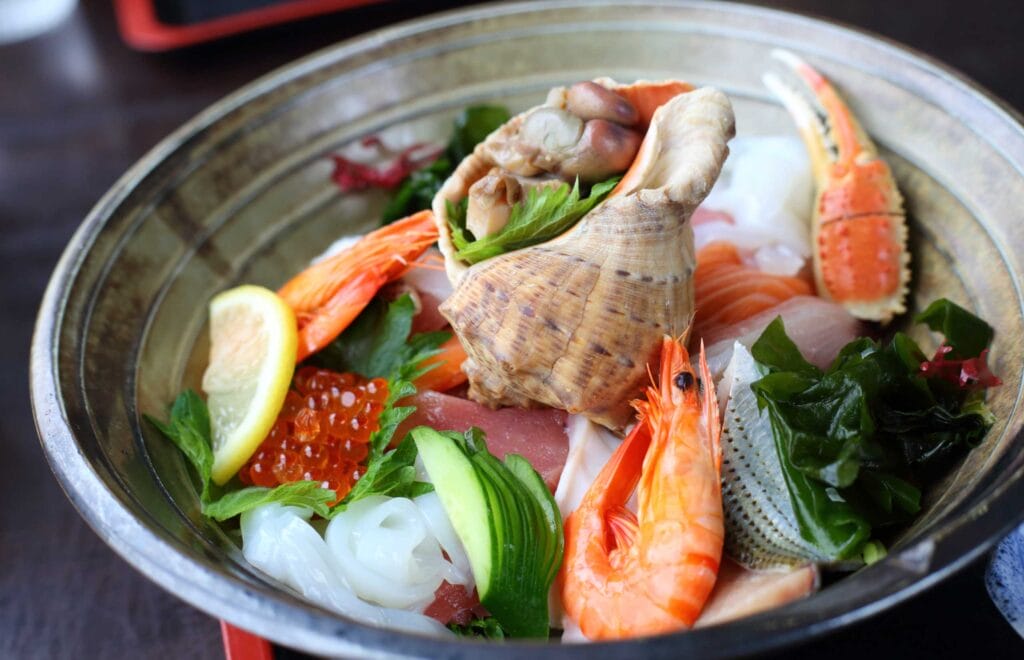
Off the coast of Aichi Prefecture, in Japan’s Chubu Region, Himakajima (Himaka Island) is serving the spoils of the surrounding waters. Dubbed ‘Octopus Island’ by locals, the seaside village is renowned for the soft, sweet flavour of its tako, which can be enjoyed boiled or deep-fried, sliced into sashimi, or in a steaming shabu-shabu (hotpot). In winter, blowfish (fugu) becomes another feature on Himakajima menus, while in summer grilled eel (unagi) is a favourite across Aichi. Look out for hitsumabushi, grilled eel served on white rice with an eel glaze and, if you fancy, a broth of dashi and tea.
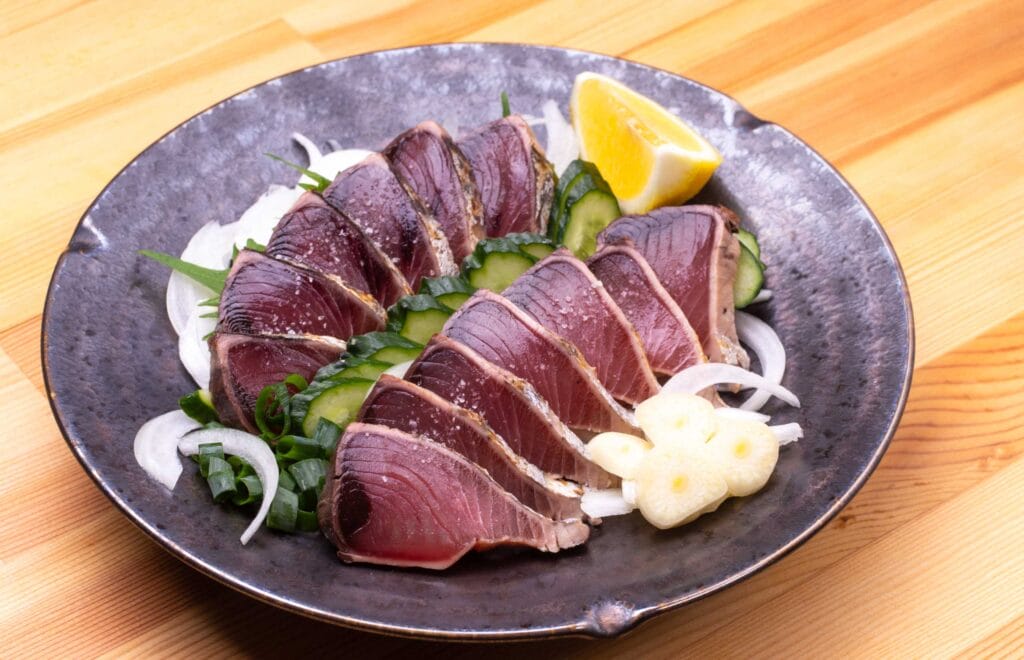
Kochi Prefecture, meanwhile, is famous for katsuo no tataki, which gives seafood the smoky treatment. Start with bonito, sear over a straw fire and serve in thick slices with raw ginger and garlic, then dipped in a soy sauce and citrus dressing.
Wagyu, Mie Prefecture and Kumamoto Prefecture
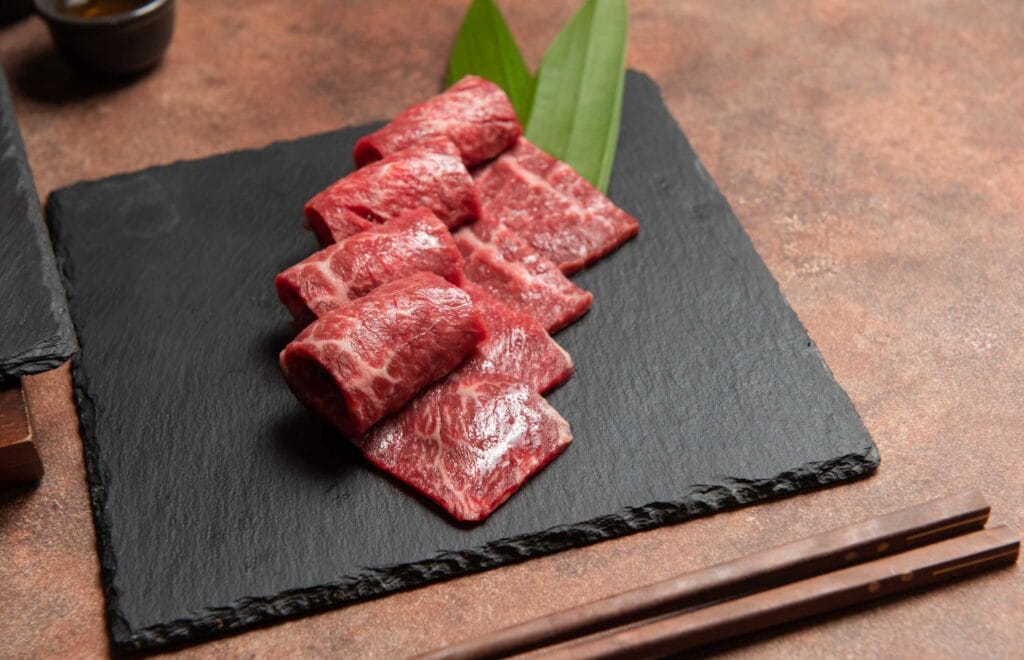
Many Japanese gourmands consider Matsusaka beef to be the best Wagyu in the country, and who are we to argue? Located in Mie Prefecture, in Japan’s Kansai region, head for the area around Matsusaka Station, where restaurants dish up the specialty in myriad ways, including sukiyaki (thinly sliced, simmered in a soy-based broth, dipped in raw egg) and yakiniku (grilled and served with dipping sauces) as well as shabu-shabu, teppanyaki and sashimi.
Located in the eastern part of Kumamoto Prefecture, the city of Aso is also a carnivore’s dream. The region’s expansive pastures are home to grass-fed Akaushi beef (Japanese Brown), one of the country’s four famous wagyu breeds. Also known as the Emperor’s Breed, Akaushi is a melt-in-your-mouth experience, defined by the balance of delicate marbling and hearty red meat. A side of Aso takana pickles? Yes, please. Grown in the region’s volcanic ash soil, takana is harvested by hand and pickled with salt and red chilli peppers to create this flavour-packed local bite. Takana-meshi, meanwhile, is made by fermenting the veggie with lactic acid for six months, then chopping, stir-frying and mixing with rice.
Citrus, Ehime Prefecture
It may have originated in Japan 400 years ago, but today, mikan citrus fruits are having a moment on TikTok. Ehime Prefecture is the nation’s top producer of this typically sweet, seedless satsuma variety. Pick your own in the orchards of Yawatahama and see for yourself the gelatinous texture that has them going viral. Mikan juice is even available on tap around Matsuyama Castle and Dogo Onsen.
Ramen, Fukuoka Prefecture
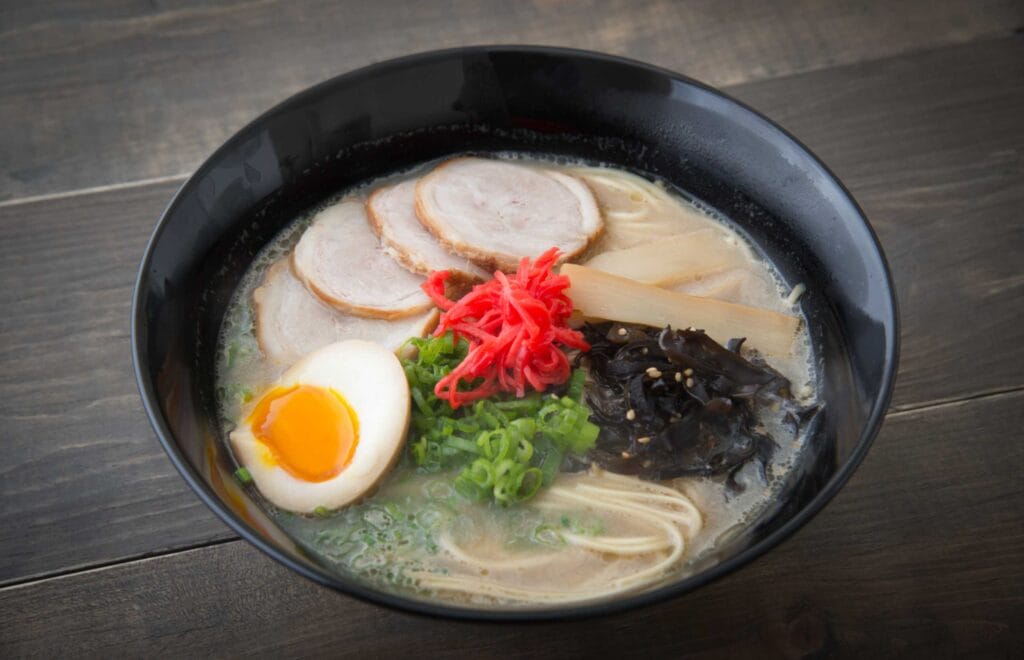
Love Ramen? We hear you. And you must make a point of heading to Fukuoka Prefecture for its famous Hakata ramen. Named for the town in which it was first conceived, Hakata is a tonkotsu-style ramen with a milky pork-bone broth and thin noodles, best enjoyed among the bustle of the region’s bustling yatai food stalls. Other popular orders include grilled chicken yakitori, goma saba (a mackerel dish with sesame) or local oden hot pot.
More ramen, Hokkaido Prefecture
Off to Ganso Ramen Yokocho, or Ramen Alley, in Sapporo, a small but mighty strip of food stalls where miso ramen was born. The lantern-lit alley is home to a number of wonderfully poky outlets, each serving rich, piping-hot ramen, perhaps with an in-house twist (think corn and butter, melted cheese or mackerel-infused lard). While you’re in Hokkaido, try jingisukan (or Genghis Khan), a dish of grilled mutton prepared with vegetables on a dome-shaped skillet. The protein (lamb is also commonly used) is either be pre-marinated in a sweet and sour soy-based sauce, or served with a dipping sauce. Another Hokkaido must-try: ishikari-nabe, a miso-based salmon hotpot.
Udon, Kagawa Prefecture
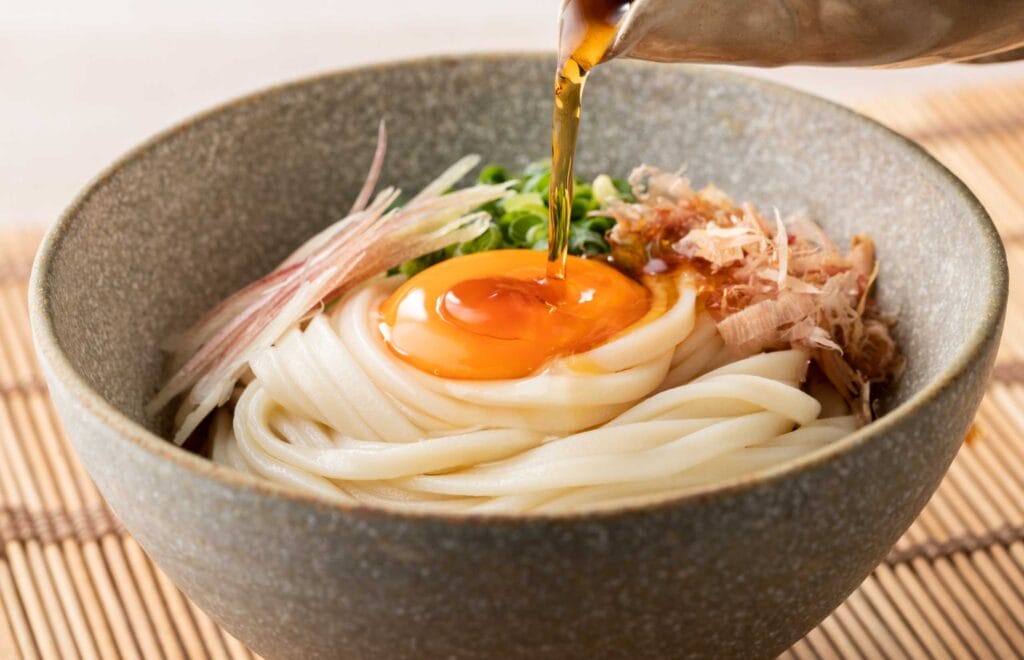
We’re still slurping (don’t worry, it’s not bad manners in Japan) in Kagawa Prefecture, but it’s a bowl of Sanuki udon noodles this time. Named after the former Sanuki Province, these wheat noodles are made into a square shape with flat edges and are known and loved for their chewy texture. There are more than 700 Sanuki udon restaurants in Kagawa, where you’ll find the dish served with ingredients such as egg yolk or niboshi (dried sardines). For Japanese soul food, try hone-tsukidori, a bone-in chicken thigh flavoured with a robust spice blend, served crisp on the outside and juicy inside.
Fermentation, Ishikawa Prefecture
The remote area of Noto Peninsula, located in the top half of Ishikawa Prefecture, has some serious foodie credentials. Not only is the region recognised by the United Nations for its Globally Important Agricultural Heritage System (GIAHS), the local fish-based ishiru sauce is registered as an Intangible Folk Cultural Property. Less officially, it is known as the Fermentation Kingdom. Typical fermentation products include traditional sake, miso and soy sauce, plus seafood such as narezushi (fish), konowata (sea cucumber intestines) and konkaiwashi (sardines), and vegetables like turnip and daikon.
Latest Articles
Don't miss the latest from Luxury Travel