
Partner Story
Mdina: Why Malta’s walled city deserves two days not two hours
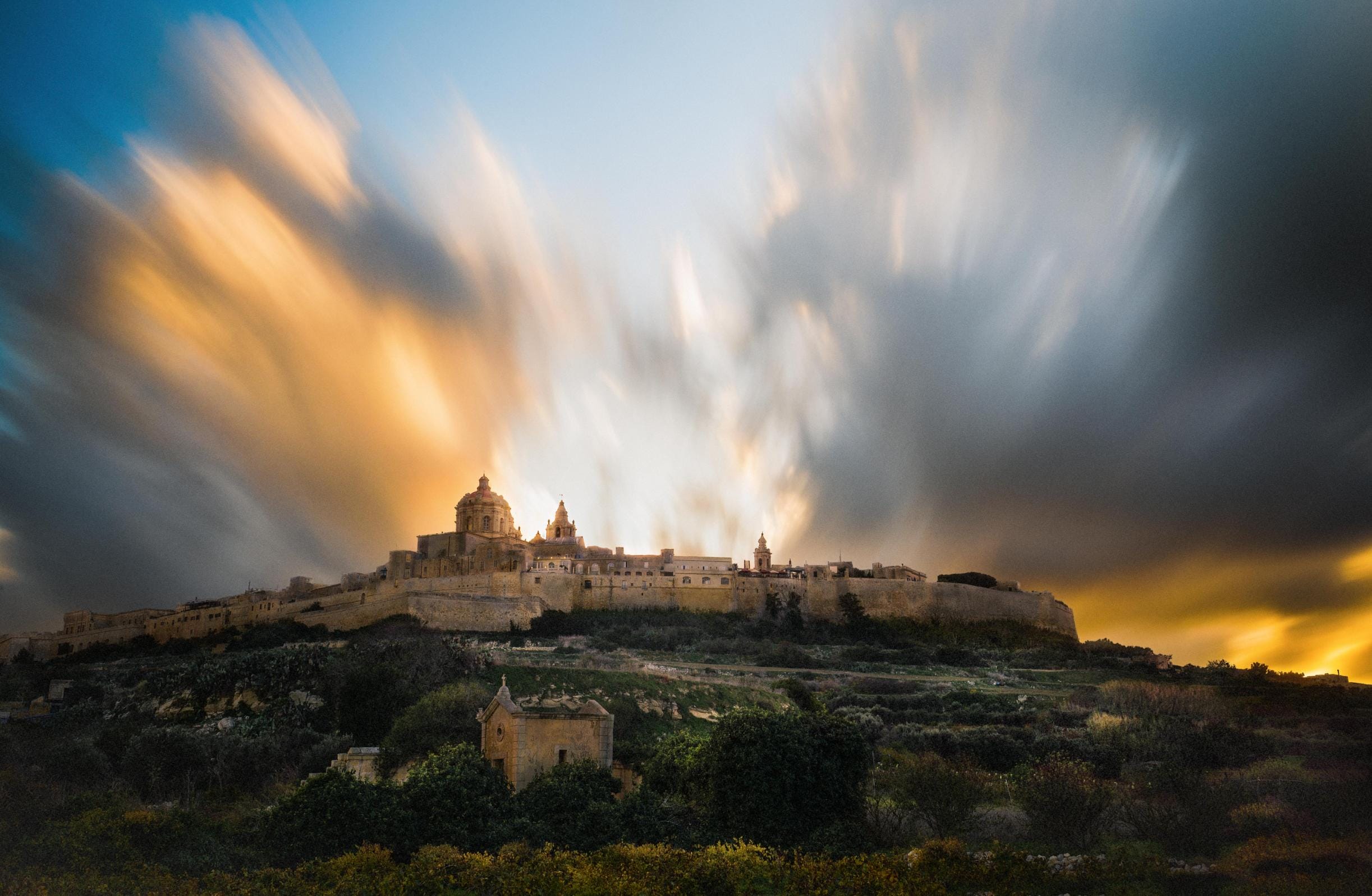
Mdina’s compact size makes it an easy target for a quick visit, but staying longer changes the experience. With two days to explore, visitors can see Malta’s former capital after the crowds have gone, when its limestone streets and bastion views feel at their most atmospheric
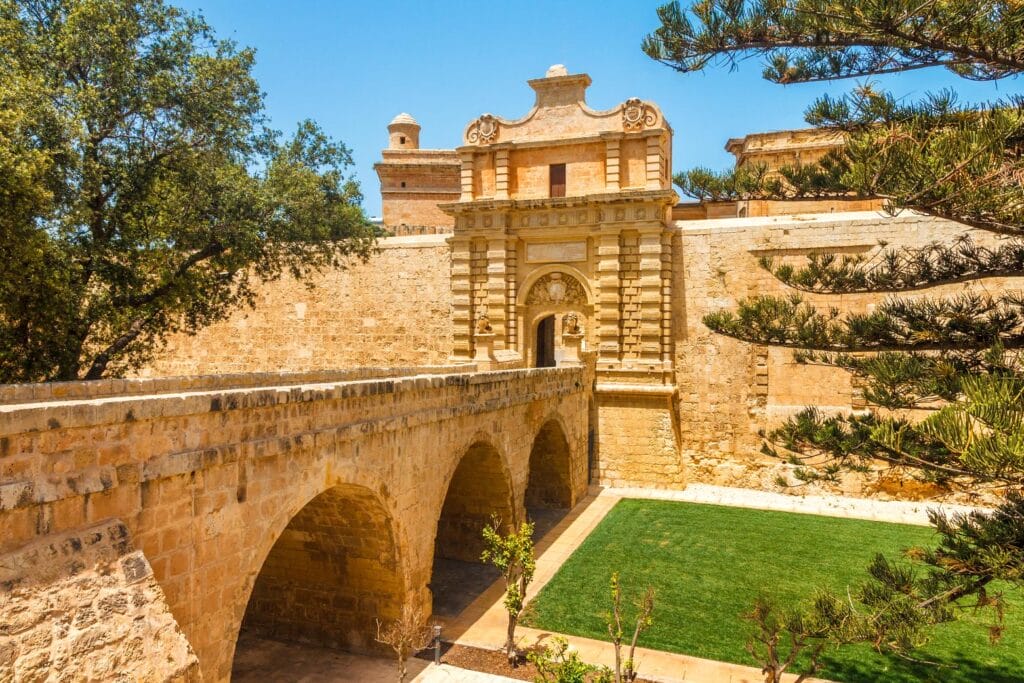
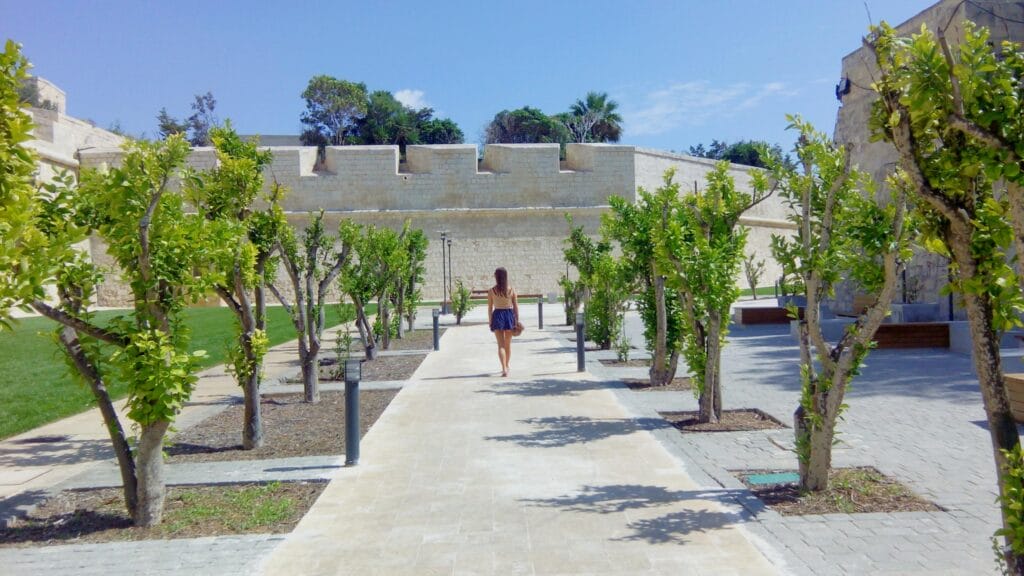
Stepping onto the stone bridge ahead of Mdina Gate is to cross a barrier between a bustling, modern town and a living monument to Malta’s history. Today, the short bridge spans grass-lined walkways which trace a path around walls which have stood for centuries. Ahead, a Baroque portal frames the entrance into one of Malta’s most historic cities.
But before even the shadow of the intricately-carved archway slides over you, evidence of Mdina’s long history is evident. Visible in the walls to the right of Mdina Gate (built in the 18th-century by a French architect), the outline of its blocked-up medieval entrance can still be made out. It’s a detail many will miss in their rush to enter the country’s second walled city, and the first of many secrets the 4,000-year-old city reveals to those who take the time to look.
Discovering the quieter side of Mdina
Perched atop a plateau near the centre of mainland Malta, Mdina is most often frequented by those on a timer. Day trippers rush here to see its impressive walls – some intact since the 9th century – take in the expansive views from its fortifications and tick off its many historic sites in a matter of hours. But amongst the hustle of these fleeting visitors is not when Mdina’s magic flourishes, it’s after they’ve left, when true tranquility descends and the historic bastions begin breathing to a beat of their own.
It’s hard to blame those quick trippers though; they’re keen to experience a place as emblematic of Malta’s culture and history as you’ll find on the archipelago. Mdina’s origins predate every other burg in the country, its story articulated by momentous events in Malta’s history. It was once the longtime seat of Maltese politics, repeatedly the primary target for invasion forces including Rome, Byzantine and France (and more) and the place where Malta’s first bishop was ordained, a significant step in Catholicism’s arrival to the country.
Mdina’s not-so-hidden history
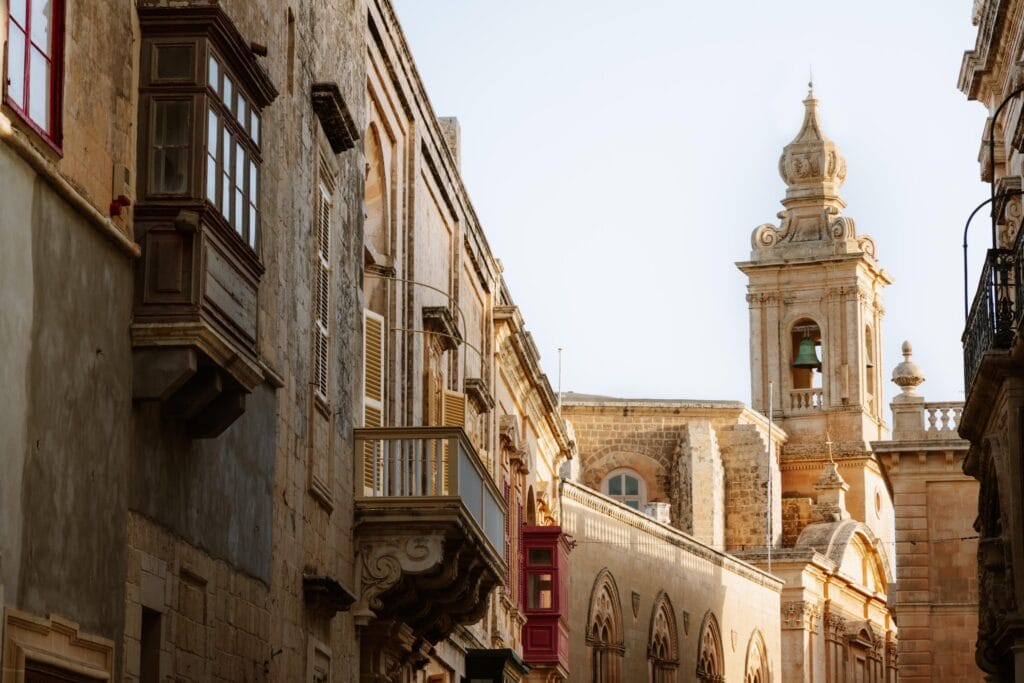
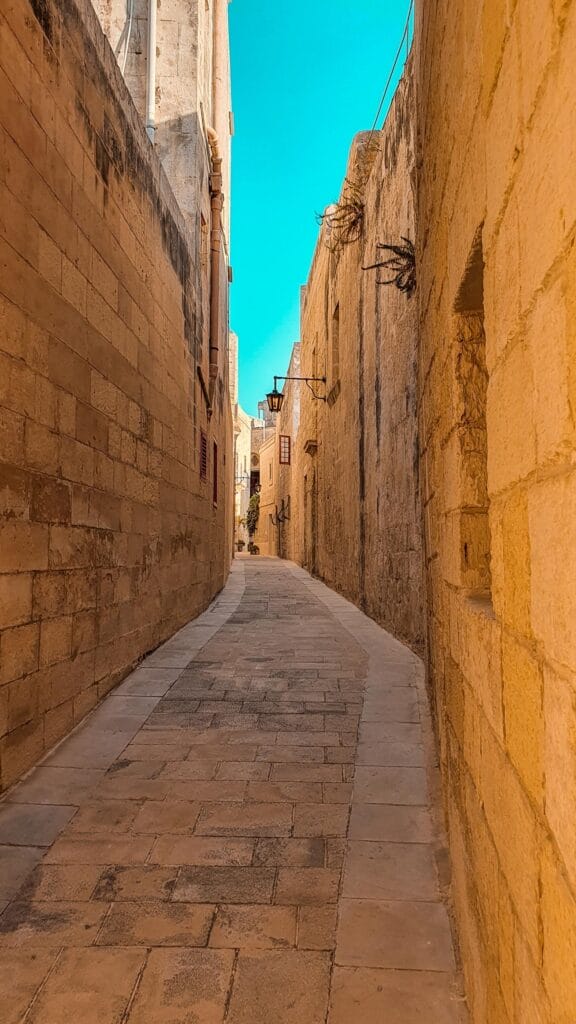
For somewhere with such a vibrant past, it’s somewhat surprising it’s dubbed the ‘Silent City’, but passing beneath the archway, a noticeable quiet descends. The sun’s intensity too, wanes, cut away by steep-sided houses and replaced by cooling shadows. Though Mdina got its moniker after the locals left for Birgu (one of the historic Three Cities) and Valletta in the 16th century, it’s apt today as traffic noise is minimal; cars are restricted here, the alleyways of this storied burg preserved for the wanderer, encouraging discovery by foot.
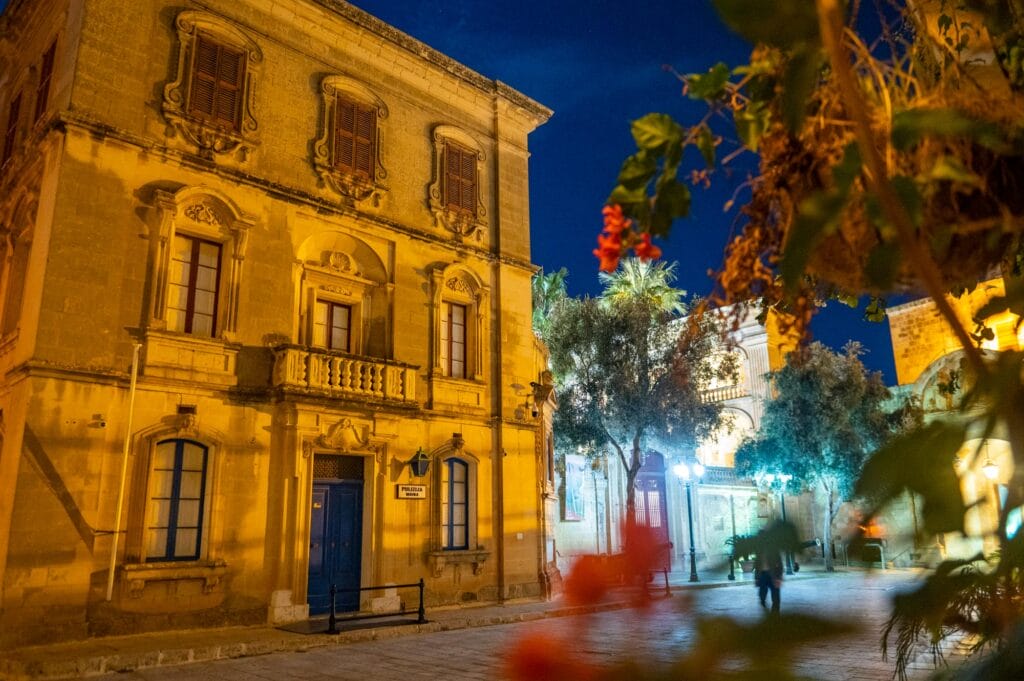
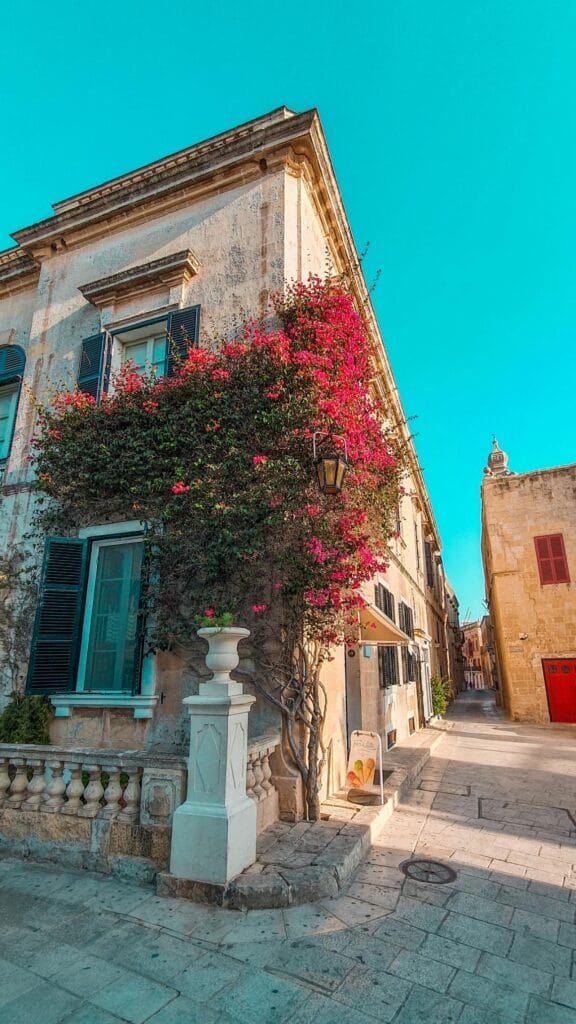
Every corner reveals something new. Narrow, winding streets connect to open spaces flanked by architectural accents from across the ages. Bifora and trifora windows grace aging palazzos and speak to the Norman influence of the 12th-15th centuries, while reinforced rejas bulge from residences and work places as if held in stasis from the Knights of St. John’s rule in the 16th-18th centuries. And everywhere the country’s religious pride shines.
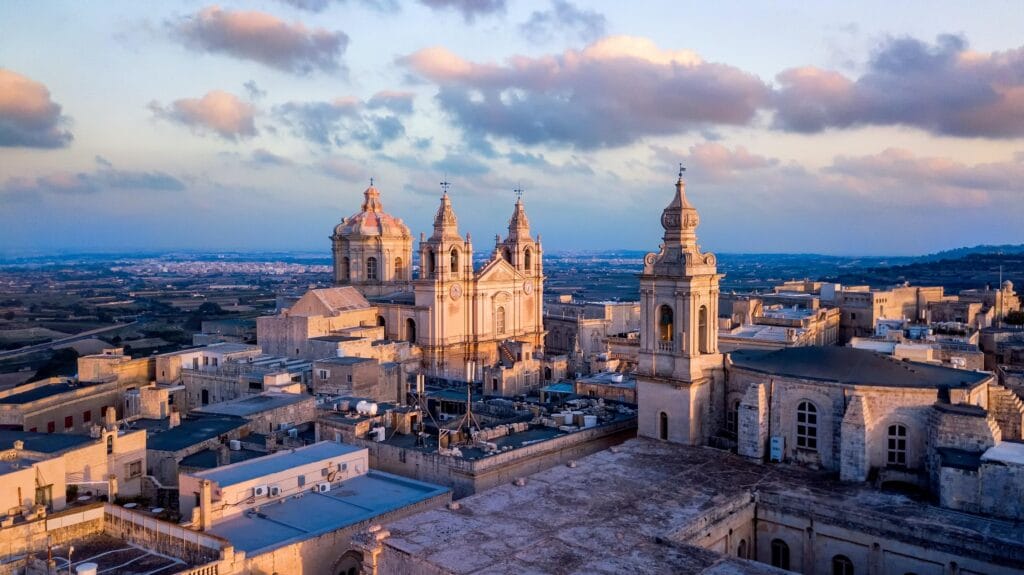
Turning from Triq Villegaignon (named after Nicholas Durand de Villegaignon, a Knight of the Order who defended the city against the Turks in 1561) into St Paul’s Piazza, the facade of St Paul’s Cathedral dwarfs the square. Believed to be built on the site where the Roman governor Publius met St Paul in 60 A.D, the cathedral today was rebuilt after a major 17th-century earthquake. Outside, cannons guard the entrance, inside, an expansive floor is paved with commemorative tombstones which lie above crypts which house the remains of ecclesiastical dignitaries and Maltese nobility. One could spend hours here admiring the inscriptions on each intricately designed tombstone, marvelling at the crypt’s stone sarcophagi and wondering at the Roman rock archways in the basement, evidence of a 2,000-year-old fortified city.
Experiencing Maltese culture in Mdina
Returning to the winding alleyways outside, visitors pass meticulously restored palazzos which retain their high ceilings, central courtyards and cool, shaded corridors – such as Palazz ta’ Santa Sofia, the oldest building in the city, and Palazzo Falson, a now museum of ancient artefacts and weaponry.
Whichever way you wander, your feet will find the city’s edge, emerging from
shaded streets to panoramic views of Malta’s rolling hillsides. Along the way, cafes and restaurants will tempt with local delicacies: try ftira – Malta’s ringshaped sourdough bread, often filled with tuna, capers, olives, onions, mint and local goat’s cheese.
As the sun sets, the city calms, a handful of day visitors staying to catch unrivalled views of the golden glow sinking below Dingli Cliffs. Lamps soon light the streets, casting new shadows across honey-hued walls which have stood for centuries. This is the Mdina most visitors don’t get to experience. Staying inside overnight allows travellers to inhabit the city, living in it as the few hundred locals who reside here do, and maybe even experiencing a taste of the noble lifestyle which was once so prevalent.
This is particularly true of a night spent in The Xara Palace, a converted 17th-century palazzo built into the walls of Mdina, and one of only a handful of hotels within the city. Bed down in individually-styled rooms, most with textile-draped windows, tiled floors and gold-gilded mirrors for one of the quietest night’s sleep you’re likely to have, and be woken by the soft chiming of church bells and the sounds of a town slowly rousing.
Where to go next
In the morning, the sunlight filtering into Mdina’s warren of streets reveals a softer side to a country known for its enduring rays. As the stone warms and the lamplights dim, watch the day’s first light blossom over Malta from a city which is at the calmest it will be all day. Take your time to breathe in the quiet, preparing to leave Mdina not with a completed list of attractions, but with a sense of understanding about the culture you came to discover.
Though Mdina may be modest in size, dedicating two days to wander its streets, examine its monuments and learn its stories, sets visitors up with a greater awareness of Malta’s place in European history. Go on to discover Gozo’s historic temples – which date back multiple millennia before Mdina – and see clearer the colourful streets of Valletta, a city built in the aftermath of a seismic siege and which stole the title of capital from Mdina’s regal head. Immerse yourself in Malta’s oldest city, one deserved of slow travel, which rewards in restful moments, quiet reflections and deeper appreciation of these mesmeric Mediterranean isles.
Latest Articles
Don't miss the latest from Luxury Travel