
Why Kigali is East Africa’s most compelling city stay
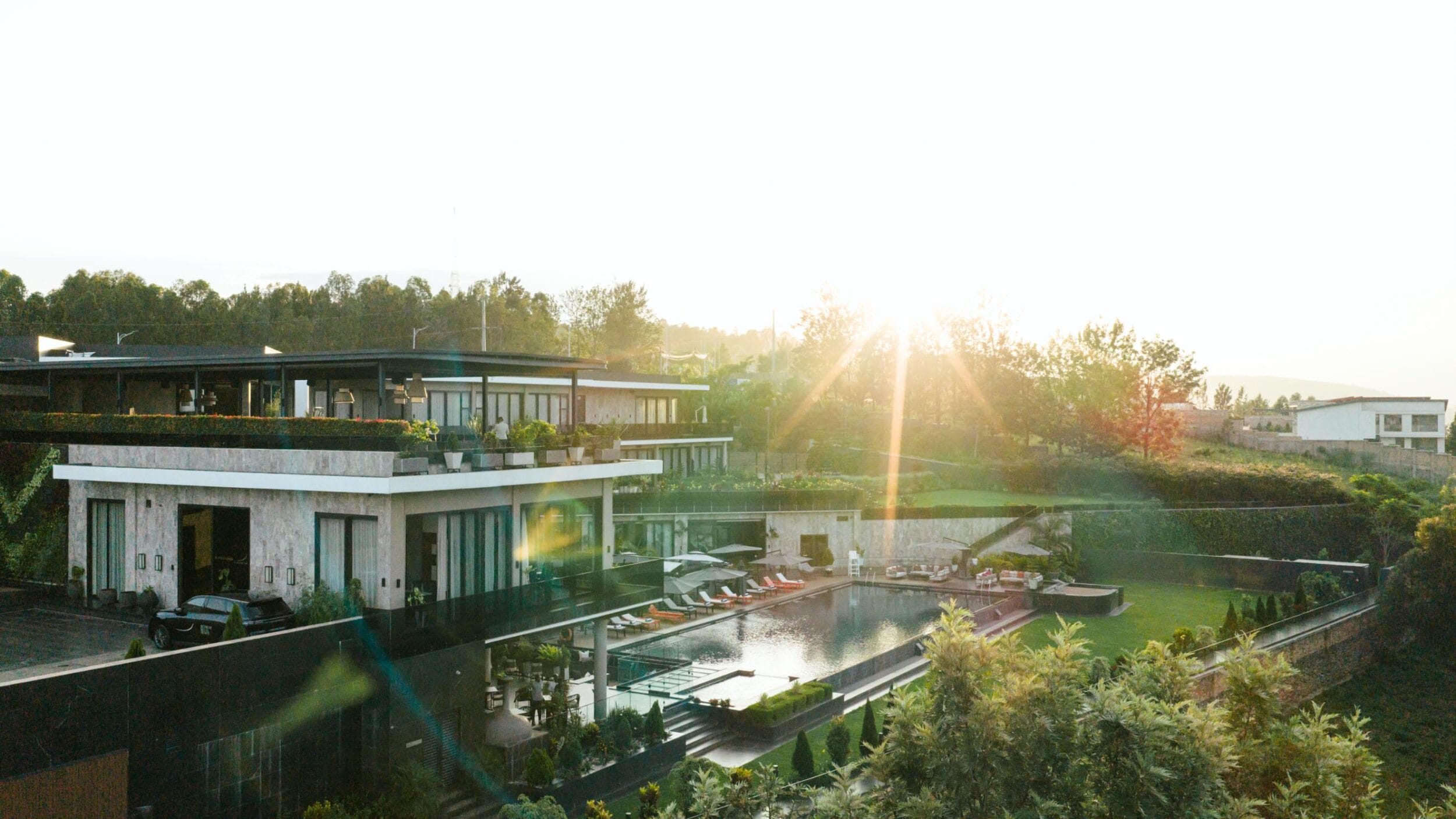
The Pinnacle Kigali
Design-forward hotels, contemporary art spaces and a growing culinary scene are positioning Rwanda’s capital as one of East Africa’s most sophisticated urban destinations
Rwanda‘s capital is entering a new chapter. Alongside investment in infrastructure and major international events, a wave of locally driven hotels, galleries, restaurants and creative businesses is reshaping Kigali into a destination worth visiting in its own right.
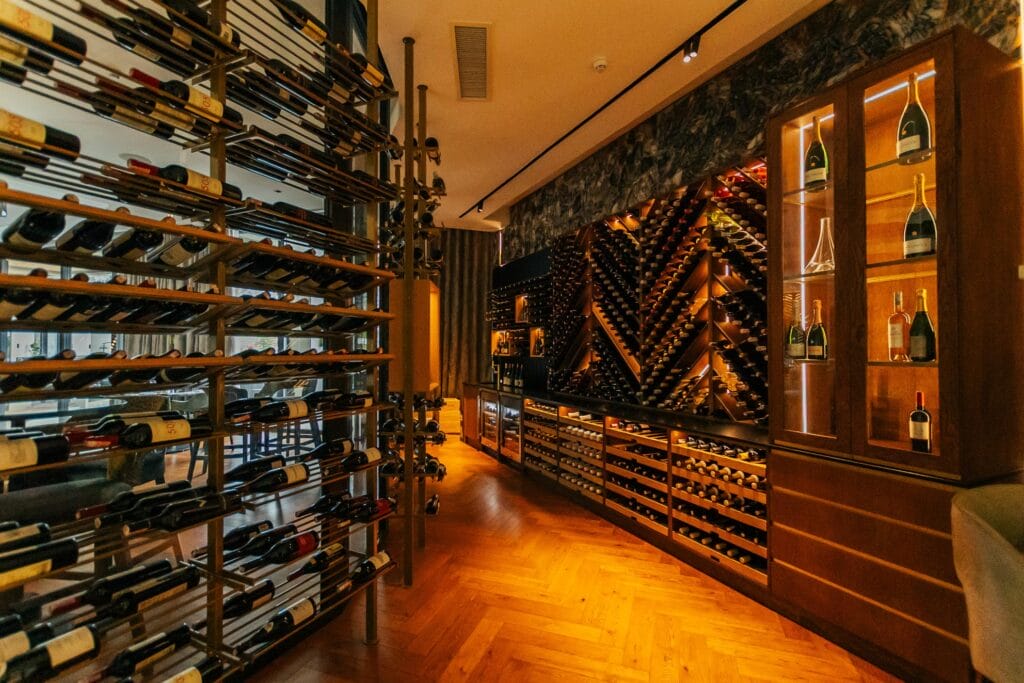
A case in point is The Pinnacle Kigali originally conceived as a private residence and recently transformed into the five-star, intimate 18-guest property in the leafy Rebero neighbourhood. Carefully curated to celebrate contemporary African art, the hotel represents a new generation of home-grown luxury hospitality. More than simply another luxury address, it reflects a growing confidence in Rwanda’s hospitality sector, placing African creativity, design and entrepreneurship at the centre of the guest experience.
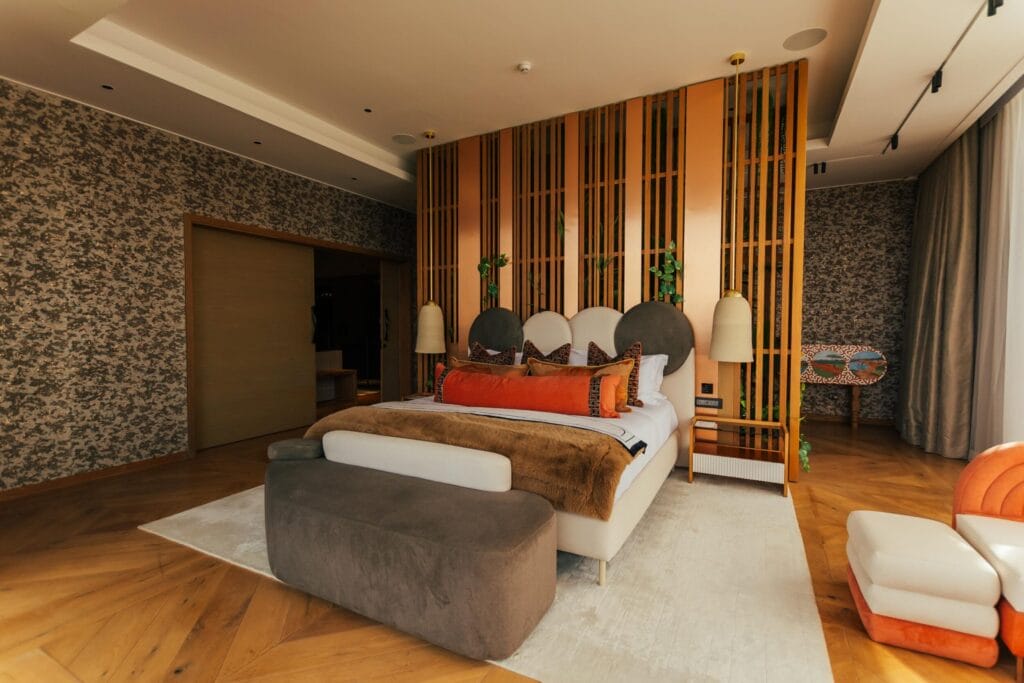
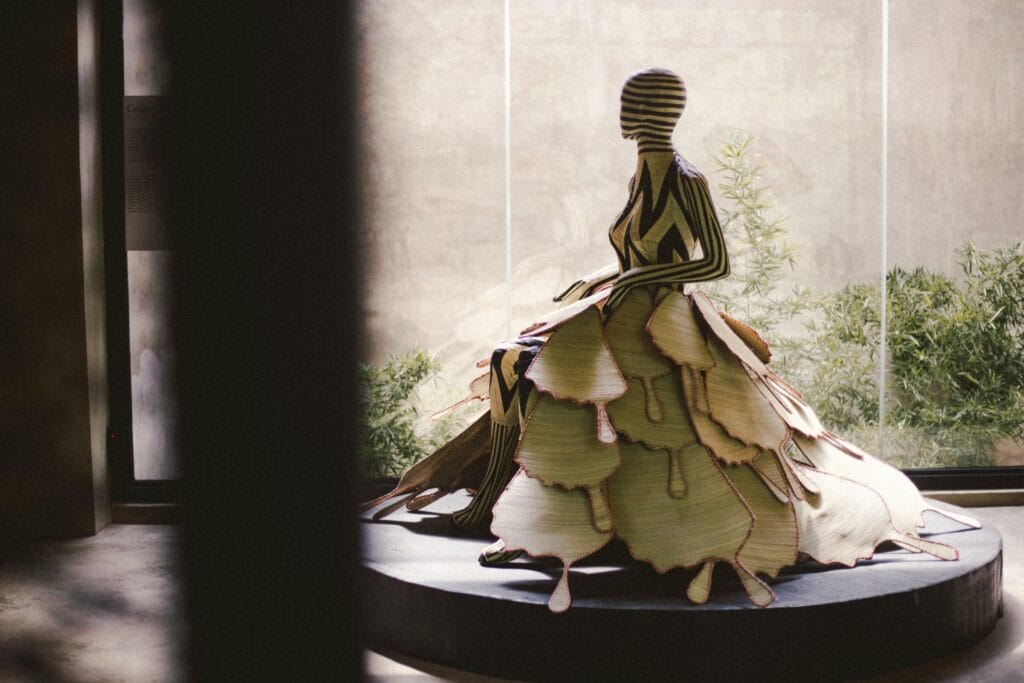
A self-guided art trail leads visitors through the hotel’s collection, where 13 ceramic Bubble Gum Girl sculptures by South African artist Maureen Visagé are discreetly positioned throughout the property. Along the way, spaces blur the line between boutique hotel and private club, including an elegant members’ lounge, a four-lane bowling alley, arcade and Dolby Atmos theatre for private screenings. For The Pinnacle Kigali owner Sheila Kyarisiima, The Pinnacle Kigali offered an opportunity to challenge established ideas of luxury hospitality. “Historically, you’re told this is what luxury looks like… that box was quite confining,” she says. Rather than following an international template, she wanted a property where “every space has a personality,” creating an experience rooted in African creativity and a strong sense of place.
Luxury extends well beyond the hotel interiors with 24-hour butler service, VIP airport transfers, spa treatments, sports courts and an infinity pool, together creating a level of luxury rarely associated with Kigali’s emerging hospitality scene. Yet the emphasis remains firmly on creating a sense of place rather than replicating an international luxury formula.
Art in the city
Beyond the hotel, Kigali’s cultural renaissance continues across the city. Kyarisiima says, “If someone asked me for one word to describe Kigali, I’d say ‘unfolding’.” She points to the city’s expanding role as a destination for international conferences, sporting events, fashion and culture, alongside significant investment in infrastructure, as evidence that the capital is entering a new phase of growth. “The city has changed rapidly,” she says. “Every time I go, I’m like, ‘What’s that?'” Yet she believes Kigali is only at the beginning of its journey. “It’s still unfolding… It’s nowhere near its full potential.”
The recently opened Gihanga Institute of Contemporary Art (GICA) has quickly established itself as one of Rwanda’s leading contemporary art spaces. Its concrete architecture and dramatic steel staircases are softened by abundant natural light and lush greenery visible through expansive windows, creating a dialogue between the artwork inside and the landscape beyond. At the rooftop event space, visitors gain another perspective on Kigali’s changing skyline.
Inside the galleries are works by internationally recognised artists including Sanaa Gateja, alongside pieces by celebrated Rwandan artists Francis Offman and Innocent Nkurunziza, reflecting both local and continental artistic voices.
Nearby, the Inema Arts Center offers a different but equally vibrant creative experience. Founded by brothers Innocent and Emmanuel Nkuranga, the centre combines gallery exhibitions with music, craft and dance, creating a lively community hub where visitors can browse artworks before settling into the café for locally roasted Rwandan coffee or returning in the evening for live music and small plates.
Coffee, dining and fashion
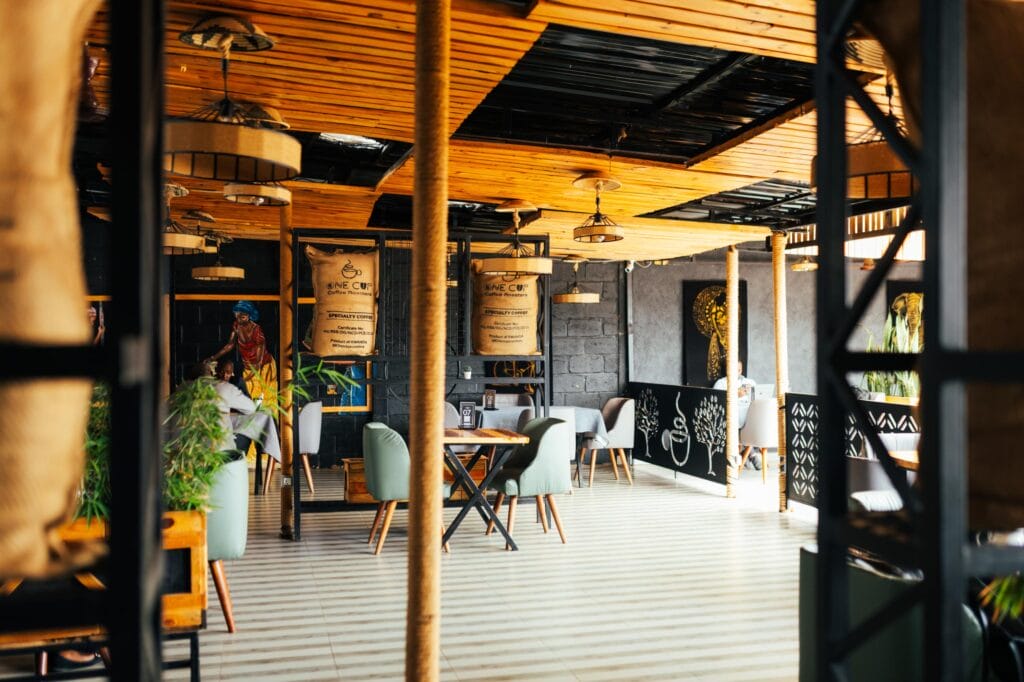
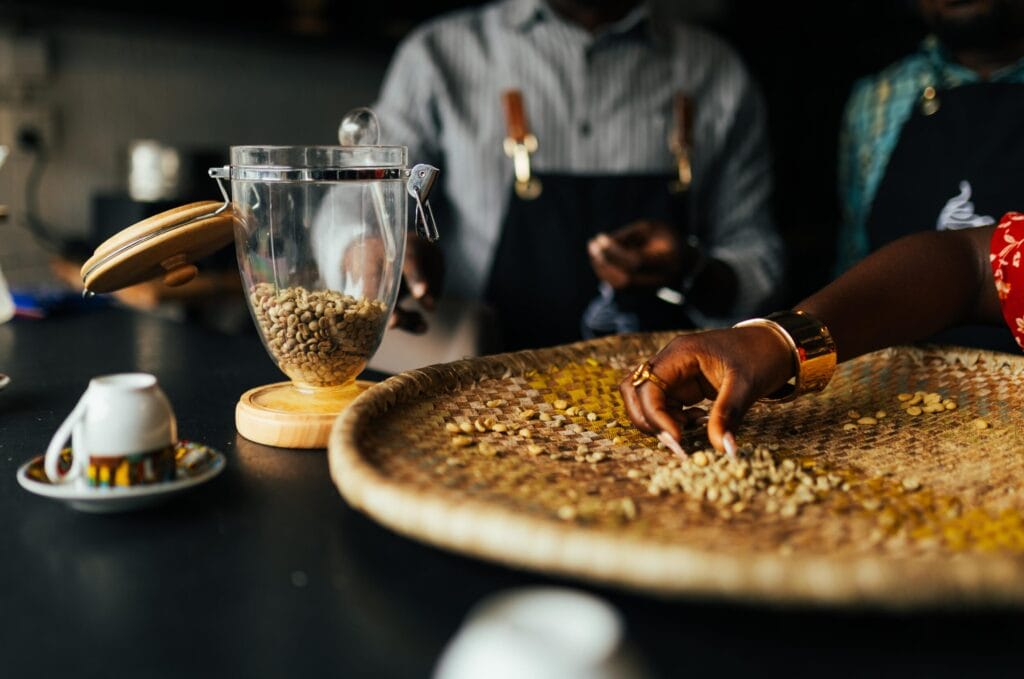
Coffee itself has become another expression of Rwanda’s growing reputation for craftsmanship. With more than 450,000 smallholder farmers cultivating coffee across the country, Kigali offers numerous opportunities to explore the industry beyond the café. At Question Coffee, visitors can enjoy expertly prepared espresso drinks, participate in barista workshops or arrange visits to farms in Kayonza. Kivu Noir similarly connects travellers with the country’s coffee heritage through estate tours to Buliza Farm or inventive drinks served at its Kigali cafés, including turmeric lattes, coffee protein shakes and matcha raspberry brews.
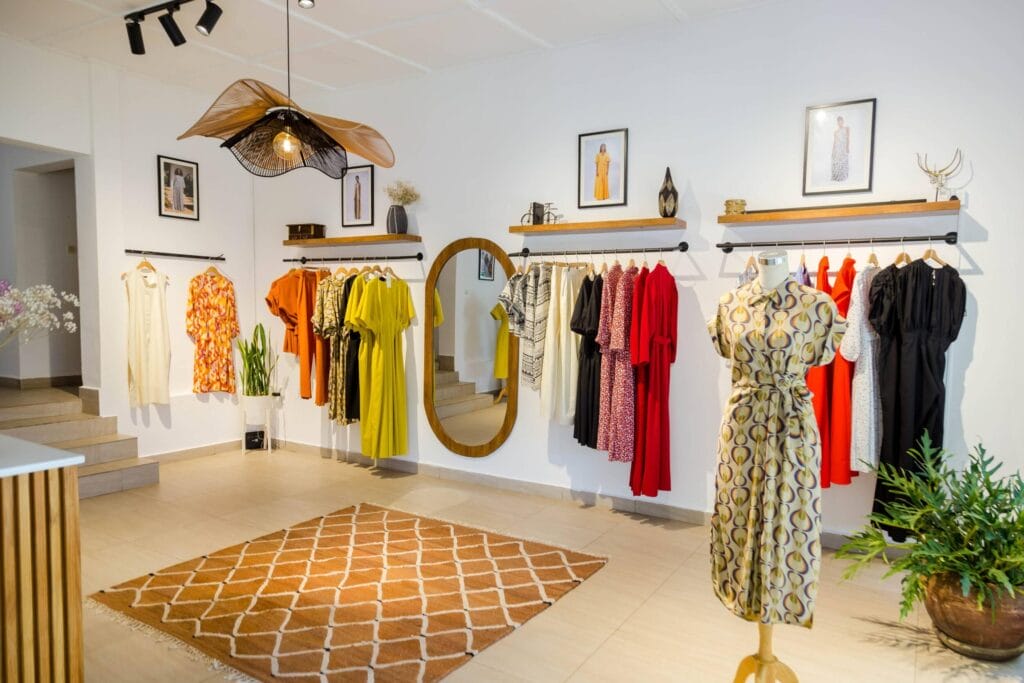
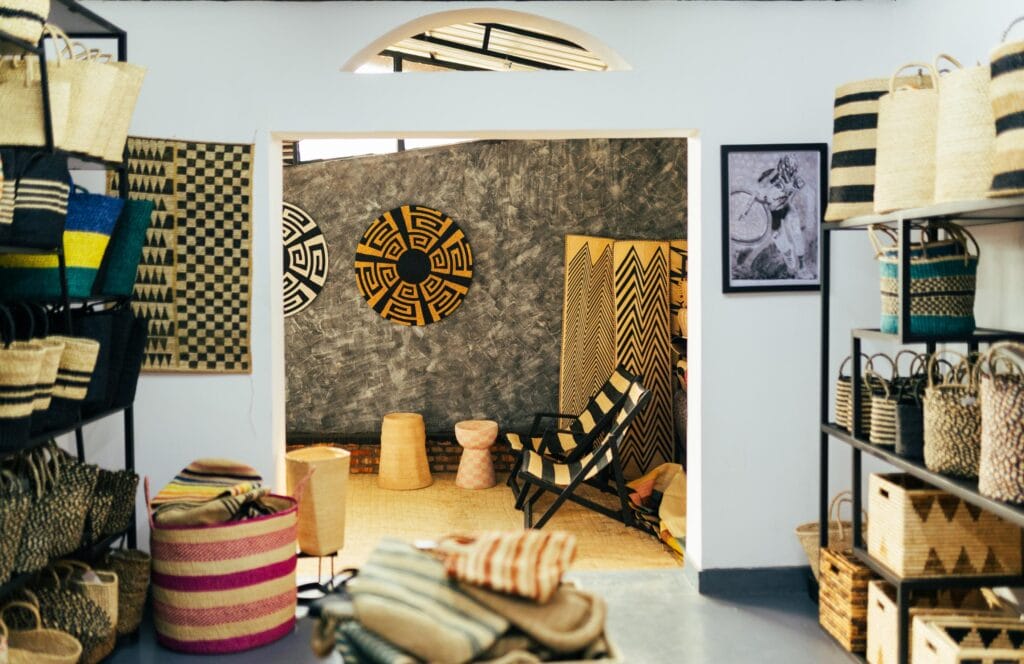
Fashion is also playing an increasingly visible role in defining Kigali’s creative identity. Designer Sonia Mugabo has earned international recognition for sophisticated womenswear crafted in Rwanda, while Haute Baso showcases beautifully designed accessories and homewares made by local artisans. At House of Tayo, traditional textiles and geometric patterns are reinterpreted in contemporary menswear that bridges heritage and modern style.
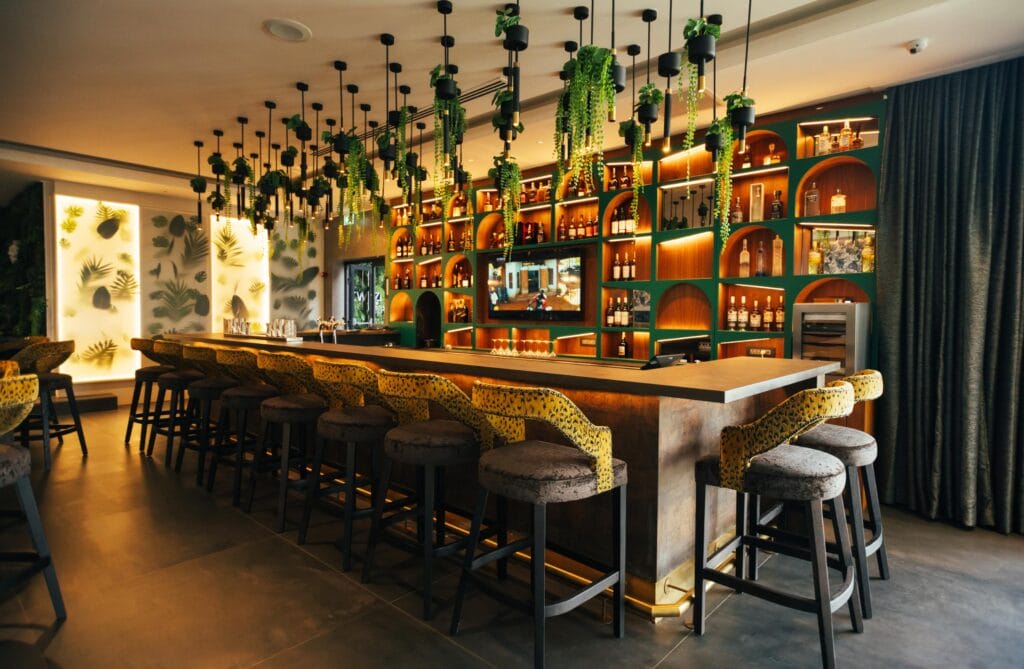
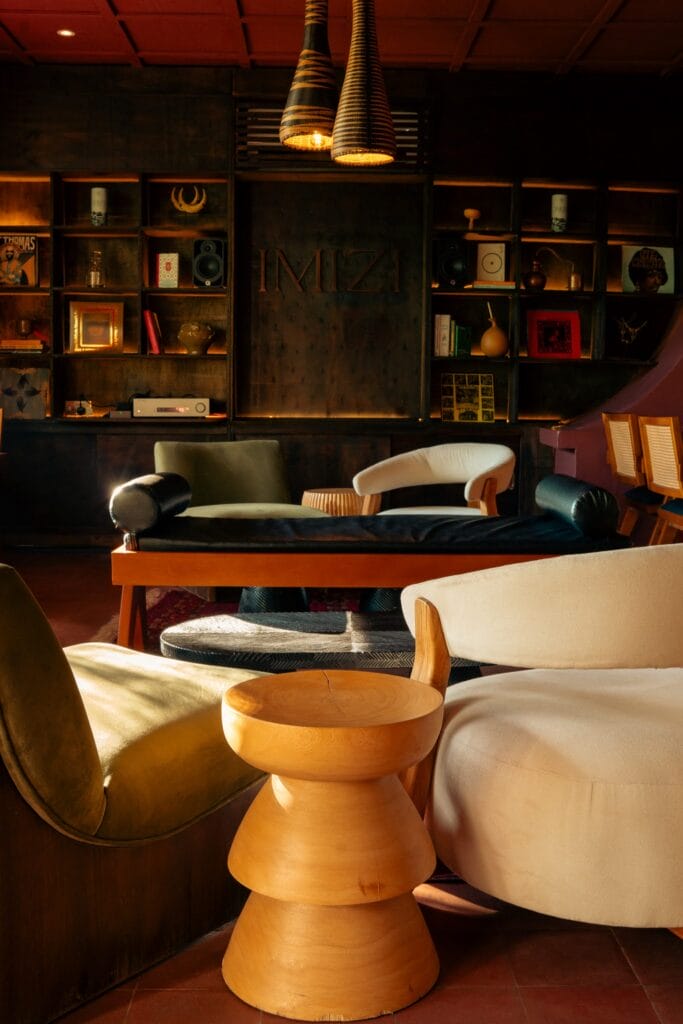
As evening falls, Kigali’s food and drink scene comes into its own. Imizi Residency has become one of the city’s most stylish cocktail destinations, producing its own Rwandan rum distilled using forest botanicals and sugarcane from the Virunga region. Visitors can join masterclasses exploring the craft behind the spirits.
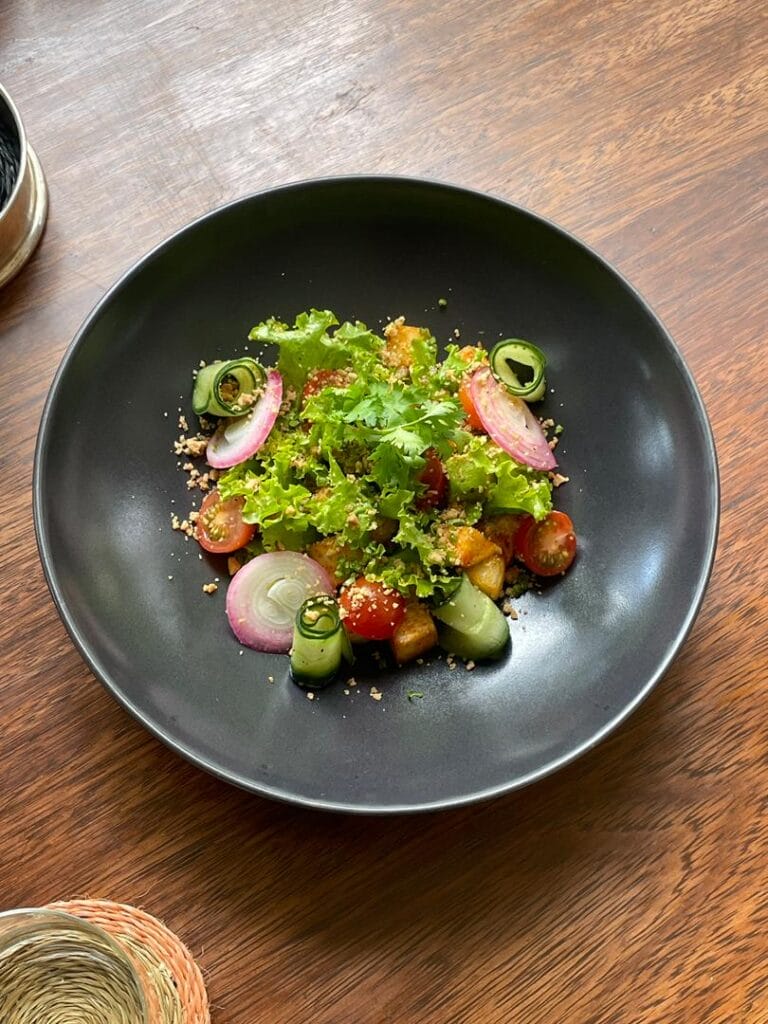
At Nyurah, chefs reinterpret regional ingredients through refined contemporary African cuisine. Crayfish from Rwanda’s twin lakes, locally caught tilapia, creamy cassava and coconut velouté sit alongside desserts such as tree tomato panna cotta, demonstrating the breadth and sophistication of the country’s evolving gastronomy.
in Kigali’s Kimihurura neighbourhood, Kōzo brings together Japanese techniques with West African flavours in a delicious fusion of pan Asian and African flavours. Dishes such as Chicken Karaage seasoned with West African spices share the menu with bao buns and handmade dumplings, while live music, DJs and late-night events have made the restaurant one of the city’s most energetic social spaces.
“If someone asked me for one word to describe Kigali, I’d say ‘unfolding’.” She points to the city’s expanding role as a destination for international conferences, sporting events, fashion and culture, alongside significant investment in infrastructure, as evidence that the capital is entering a new phase of growth.
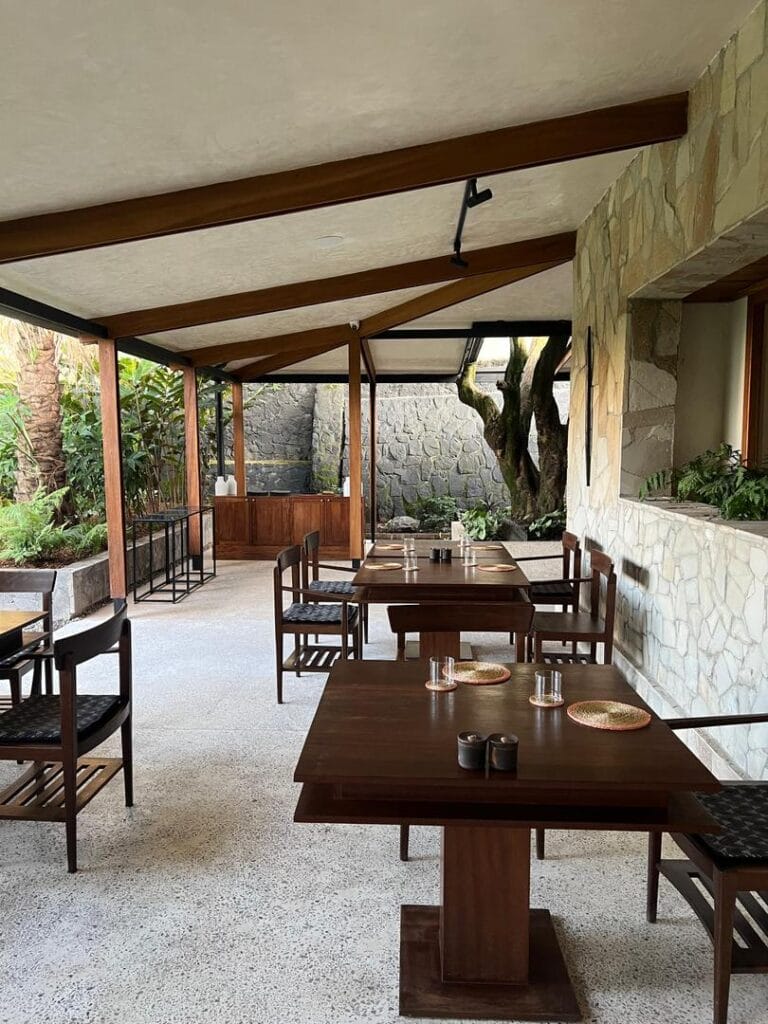
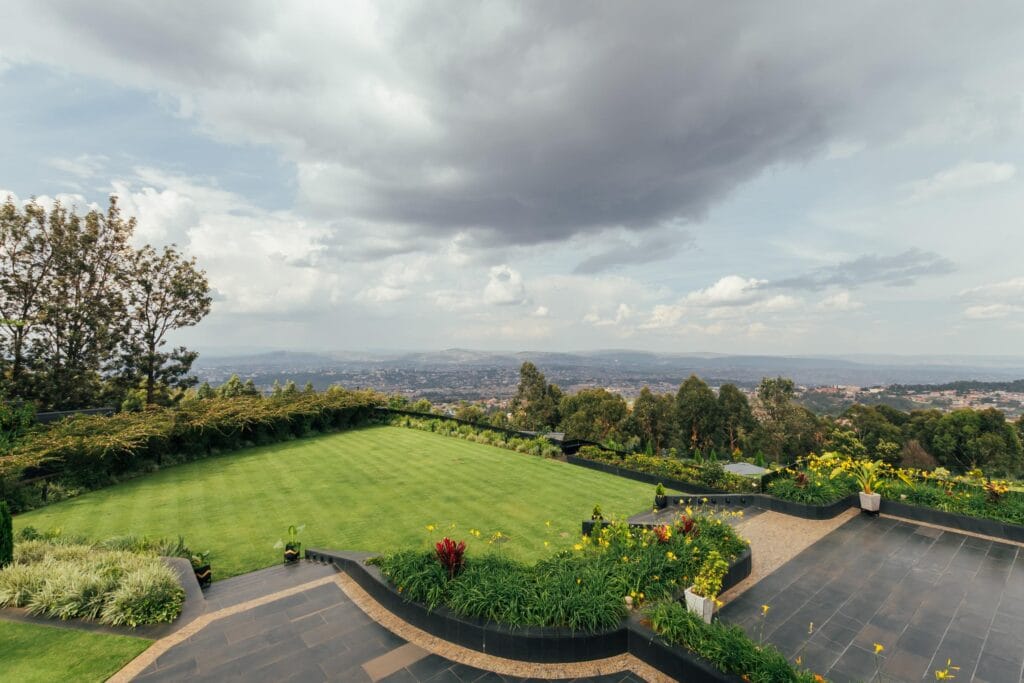
The city’s momentum is perhaps best appreciated from The Pinnacle’s rooftop terrace, Kyarisiima’s favourite spot on the property. Looking out across the hills, she says the hotel is “all about elevating Kigali.” The aim, she explains, is to create a place that celebrates the city’s growing confidence and introduces visitors to a side of Rwanda beyond its wildlife.
For years, Kigali has been viewed primarily as the starting point for journeys into Rwanda’s extraordinary landscapes and wildlife. But increasingly, a different story is being written. Visitors are extending their stays in the country, drawn by galleries, cafés, restaurants, fashion studios and independently owned luxury hotels that signal a capital confidently coming into its own.
Latest Articles
Don't miss the latest from Luxury Travel